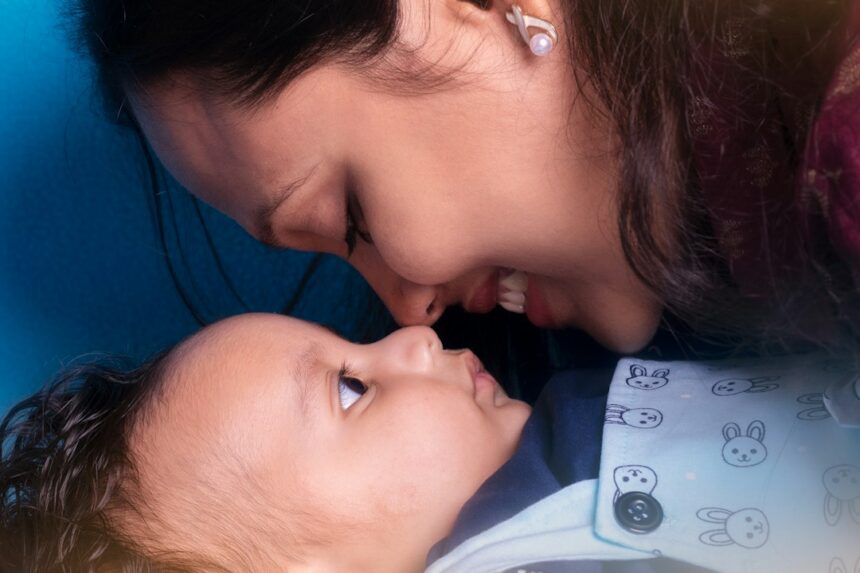
The journey of human development is a complex tapestry woven with threads of biology, environment, and experience. At its very beginning, during infancy, the formation of emotional bonds with primary caregivers lays the groundwork for lifelong well-being. This intricate process, known as infant attachment, is not merely about receiving care; it is a fundamental biological drive that shapes an infant’s understanding of themselves, others, and the world around them. Understanding these early emotional connections provides invaluable insights into the foundations of healthy emotional development, social skills, and resilience.
The Biological Imperative for Connection
From the moment of birth, infants are equipped with an innate need to connect with their caregivers. This is not a learned behavior but a deeply ingrained survival mechanism. The evolutionary advantage of attachment is clear: an infant who remains close to a protective figure is far more likely to survive and thrive than one who is isolated. This biological imperative drives specific behaviors in infants, such as crying, smiling, and clinging, all designed to elicit attention and proximity from their caregivers. These actions, while seemingly simple, are sophisticated communication tools that signal the infant’s need for safety, comfort, and nourishment.
Innate Signaling Behaviors
The infant’s repertoire of behaviors is perfectly tailored to secure attachment. Crying, in its various pitches and intensities, serves as a universal alarm system, signaling distress and prompting a caregiver’s response. A prolonged, high-pitched cry might indicate hunger or pain, while a softer, more rhythmic cry could signal a need for comfort. Smiling, initially a reflex, soon becomes a powerful tool for social engagement. A genuine, social smile elicited by a caregiver’s face fosters positive interaction and reinforces the bond. Clinging, the instinctive wrapping of tiny hands around a caregiver’s finger or body, provides a tangible sense of security and connection. These behaviors, often interpreted as demands, are in reality crucial steps in building a secure base from which the infant can explore their environment.
The Role of Neurobiology
Modern neuroscience has illuminated the biological underpinnings of attachment. The infant’s brain is exquisitely sensitive to social interaction, and early experiences profoundly influence its development. Key brain regions involved in emotional processing, stress regulation, and social cognition are shaped by the quality of caregiver-infant interactions. Hormones like oxytocin, often dubbed the “love hormone,” play a crucial role in promoting bonding and prosocial behaviors. When caregivers respond sensitively and consistently to an infant’s needs, they facilitate the release of these bonding hormones in both infant and caregiver, strengthening the emotional connection. Conversely, neglect or inconsistent care can disrupt this delicate neurobiological dance, potentially leading to long-term challenges in emotional regulation and social functioning. The sensitive period for attachment formation, typically within the first year of life, highlights the critical importance of nurturing early interactions.
Infant attachment psychology is a crucial area of study that explores the bonds formed between infants and their caregivers, significantly influencing emotional and social development. For a deeper understanding of this topic, you can refer to a related article that discusses various attachment styles and their long-term effects on individuals. To read more about this fascinating subject, visit this article.
Defining Attachment Styles: A Spectrum of Security

The seminal work of John Bowlby and Mary Ainsworth revolutionized our understanding of infant attachment. Through observations of infant-caregiver interactions, Ainsworth identified distinct patterns, or styles, of attachment that emerge based on the caregiver’s responsiveness and the infant’s subsequent behavior. These styles are not static labels but represent a spectrum of security and trust that influences how children approach relationships throughout their lives. The quality of the caregiver’s responsiveness is the most significant factor in determining which attachment style develops.
Secure Attachment: The Foundation of Trust
Secure attachment is considered the ideal outcome of the caregiver-infant relationship. It arises when caregivers are consistently sensitive, responsive, and available to their infant’s needs. These caregivers provide a secure base from which the infant can explore the world, knowing they can return for comfort and reassurance when needed. Infants with secure attachment tend to be more exploratory, have better emotional regulation, and develop positive relationships with others. They are less distressed by separation and are easily soothed upon the caregiver’s return. This style fosters a belief in the infant that they are worthy of love and care, a foundational belief that impacts their future relationships.
Characteristics of Secure Infants
Infants who exhibit secure attachment patterns typically display a clear preference for their primary caregiver over strangers. During periods of exploration, they will venture away from the caregiver but will frequently check in, demonstrating an awareness of their caregiver’s presence. When the caregiver leaves the room, the infant may show distress, but this distress is usually tempered by the knowledge that the caregiver will return. Upon the caregiver’s reunion, the securely attached infant actively seeks contact, is easily soothed, and resumes play. This pattern reflects a confident expectation that their needs will be met.
Insecure-Avoidant Attachment: Independence Born of Distance
Insecure-avoidant attachment develops when caregivers are consistently rejecting or unresponsive to an infant’s bids for attention and comfort. In an effort to protect themselves from repeated disappointment, these infants learn to suppress their attachment behaviors. They may appear overly independent, showing little distress when the caregiver leaves and avoiding contact upon their return. While they may seem self-sufficient, this outward independence often masks an underlying emotional detachment and a difficulty in seeking support. This style can stem from caregivers who value independence to an extreme, discouraging emotional expression and physical closeness.
Coping Mechanisms of Avoidant Infants
Infants with an avoidant attachment style develop a coping mechanism of emotional suppression. They learn that seeking proximity or comfort from their caregiver is often met with rejection or indifference. Consequently, they become less likely to initiate interactions or express distress when separated. Upon reunion with the caregiver, they tend to avoid eye contact and may even turn away, presenting a facade of not needing the caregiver. This is not an indication of not needing care, but rather a learned strategy to manage the anticipated lack of emotional responsiveness.
Insecure-Ambivalent/Anxious Attachment: The Unpredictable Bond
Insecure-ambivalent/anxious attachment emerges when caregiver responsiveness is inconsistent and unpredictable. Sometimes the caregiver is nurturing and available, while at other times they are intrusive or neglectful. This inconsistency leaves the infant feeling uncertain and anxious about the caregiver’s availability. As a result, these infants tend to be clingy and preoccupied with their caregiver, showing intense distress when separated. Upon reunion, they often exhibit a mixture of seeking contact and resisting it, appearing angry or passive. Their anxiety about the caregiver’s presence and reliability can make exploration difficult.
The Cycle of Anxiety in Ambivalent Infants
Infants with ambivalent attachment often exhibit heightened anxiety. They are intensely aware of the caregiver’s presence and may become distressed even during periods of play if the caregiver is not actively engaged. Separation often leads to intense crying and inconsolable distress. Upon reunion, they may rush to the caregiver but then push them away or resist being comforted, a conflicted response that reflects their confusion and fear about the caregiver’s intentions. This pattern suggests that the infant cannot predict when their needs will be met, leading to a constant state of vigilance and insecurity.
Disorganized Attachment: A Pattern of Fear
Disorganized attachment is the most concerning attachment style and is often associated with caregivers who exhibit frightening or unpredictable behavior, or who themselves have experienced trauma. These infants lack a coherent strategy for managing distress and may display contradictory behaviors, such as freezing, rocking, or approaching the caregiver with their head turned away. This style is indicative of a deep-seated fear and confusion within the attachment relationship, where the caregiver is both the source of comfort and the source of fear. This can have profound implications for later development.
Signs of Disorganization in Behavior
Infants with disorganized attachment may exhibit a range of unusual behaviors. They might freeze in place, appear dazed, or engage in repetitive, self-soothing actions like rocking or thumb-sucking when stressed. Their interactions with the caregiver can be unpredictable, with sudden shifts in mood or behavior. They may approach the caregiver but then stop, turn their head away, or even appear frightened by their presence. This disorganization reflects the conflict within the infant, who simultaneously seeks comfort from and is threatened by the caregiver.
The Impact of Attachment on Long-Term Development
The patterns of attachment formed in infancy are not temporary phenomena; they create enduring internal working models that shape an individual’s beliefs about themselves, others, and the nature of relationships. These internal working models act as blueprints for future social and emotional interactions, influencing everything from romantic partnerships to professional relationships, and even how individuals cope with stress and adversity.
Emotional Regulation and Mental Health
A secure attachment is a cornerstone of healthy emotional regulation. Infants who have experienced consistent, attuned care learn to manage their emotions effectively. They can express their feelings, seek comfort when distressed, and eventually develop the capacity to self-soothe. This early experience lays the foundation for better mental health throughout life. Conversely, insecure attachment patterns are linked to an increased risk of emotional and behavioral problems, including anxiety, depression, and difficulties with impulse control. The consistent experience of being understood and soothed in infancy helps children develop a robust sense of self-efficacy in managing their emotional landscape.
Social Skills and Interpersonal Relationships
The way an infant learns to interact with their primary caregiver directly influences their development of social skills. Securely attached children tend to be more socially competent, forming positive peer relationships and exhibiting empathy and cooperation. They understand the nuances of social interaction, such as turn-taking and shared attention, because these have been modeled and reinforced in their early caregiver relationships. Insecurely attached individuals may struggle with trust, intimacy, and conflict resolution in their relationships, often repeating the patterns of their early bonding experiences. This can manifest as difficulty forming close friendships, engaging in unhealthy relationship dynamics, or experiencing social isolation.
Cognitive Development and Exploration
Attachment security also plays a vital role in cognitive development. When infants feel secure, they are more likely to engage in exploration and learning. The secure base provided by a responsive caregiver allows them to venture out and discover their environment with confidence, knowing they have a safe haven to return to. This sense of safety fosters curiosity and a willingness to take on challenges, which are essential for cognitive growth. Infants who are preoccupied with their caregiver’s whereabouts or who are constantly on alert for signs of rejection may have fewer opportunities for free exploration, potentially impacting their cognitive development. The freedom to explore, coupled with the knowledge of a reliable support system, fuels intellectual curiosity and academic success.
The Caregiver’s Role: Nurturing the Bond
The quality of the caregiver-infant bond is not solely dependent on the infant’s inherent temperament but is profoundly shaped by the caregiver’s sensitivity, responsiveness, and ability to attune to their child’s emotional state. Caregivers are the architects of this crucial early relationship, and their actions have a lasting impact.
Sensitivity and Responsiveness: The Pillars of Security
Sensitivity refers to the caregiver’s ability to perceive and accurately interpret their infant’s signals, while responsiveness involves their willingness and ability to act appropriately on those interpretations. A sensitive caregiver notices subtle cues, such as a fleeting frown or a change in breathing, and understands them as communication. They then respond in a timely and appropriate manner, offering comfort, food, or stimulation as needed. This consistent, attuned interaction builds trust and security, fostering a strong and healthy attachment. The act of being seen, heard, and understood by a caregiver is deeply validating for an infant, reinforcing their sense of worth and security.
Synchrony and Attunement: A Dance of Connection
Synchrony refers to the exquisite timing and mirroring of interactions between caregiver and infant. It is the non-verbal dance of communication where the caregiver naturally matches the infant’s rhythm, tone, and emotional expression. Attunement goes a step further, involving the caregiver’s ability to understand and reflect the infant’s internal emotional state, even if the infant cannot articulate it themselves. This deep level of connection allows the infant to feel understood and validated, fostering a sense of emotional safety and helping them learn to interpret their own feelings. When a caregiver can accurately reflect an infant’s joy or frustration, it provides the infant with the language and understanding of their own emotional world.
The Impact of Caregiver Stress and Mental Health
It is crucial to acknowledge that a caregiver’s own well-being significantly influences their ability to be sensitive and responsive. High levels of stress, mental health challenges, or a history of trauma can impair a caregiver’s capacity to attune to their infant’s needs. In such situations, the infant may experience inconsistent care, which can lead to insecure attachment. Support systems for caregivers, including access to mental health services and respite care, are therefore vital not only for the caregiver’s well-being but also for fostering secure attachment in infants. Recognizing and addressing caregiver stress is an indirect but powerful way to promote healthy infant development.
Infant attachment psychology plays a crucial role in understanding how early relationships shape emotional and social development. Research indicates that secure attachments formed in infancy can lead to healthier relationships in adulthood. For those interested in exploring this topic further, a related article can be found at Unplugged Psych, which delves into the various attachment styles and their long-term effects on individuals. Understanding these dynamics can provide valuable insights for parents and caregivers aiming to foster secure attachments with their children.
Fostering Healthy Attachment: Practical Strategies
| Metric | Description | Typical Age Range | Significance in Infant Attachment Psychology |
|---|---|---|---|
| Secure Attachment Rate | Percentage of infants showing secure attachment behaviors | 12-18 months | Indicates healthy emotional bonds and caregiver responsiveness |
| Insecure-Avoidant Attachment Rate | Percentage of infants avoiding or ignoring caregiver | 12-18 months | May reflect caregiver unavailability or rejection |
| Insecure-Resistant (Ambivalent) Attachment Rate | Percentage of infants showing clinginess and difficulty being soothed | 12-18 months | Often linked to inconsistent caregiver responsiveness |
| Disorganized Attachment Rate | Percentage of infants showing confused or contradictory behaviors | 12-18 months | Associated with caregiver maltreatment or trauma |
| Strange Situation Procedure (SSP) | Standardized observational assessment of infant attachment | 12-18 months | Used to classify attachment styles based on infant behavior |
| Attachment Q-Sort | Assessment method based on naturalistic observation of infant-caregiver interactions | 12-48 months | Measures security of attachment in home settings |
| Separation Anxiety Onset | Age when infants begin to show distress upon caregiver separation | 6-8 months | Indicates development of attachment bonds |
| Social Referencing | Infant looks to caregiver for cues in uncertain situations | 8-12 months | Reflects trust and attachment security |
Understanding the principles of infant attachment allows for the development of practical strategies that promote secure bonds. These strategies are not about perfection but about consistent effort and attunement to the infant’s evolving needs.
Creating a Secure Base for Exploration
Parents and caregivers can foster secure attachment by consistently providing a safe and predictable environment. This involves responding promptly to the infant’s cries, offering comfort and reassurance, and being present and available. When infants know they have a reliable source of support, they feel empowered to explore their surroundings, fostering cognitive and social development. This can involve creating a safe space for play, offering engaging toys, and verbally encouraging exploration while maintaining a watchful presence. The key is to balance independence with the reassurance of a secure base.
Responding to Infant Cues with Empathy
Learning to read and respond to an infant’s non-verbal cues is a fundamental skill for fostering secure attachment. This involves paying attention to facial expressions, body language, and vocalizations. When an infant expresses distress, a caregiver’s empathetic response – offering comfort, validating their feelings, and helping them to regulate – is crucial. This teaches the infant that their emotions are valid and that they can rely on their caregiver for support. It is about acknowledging the infant’s experience, even if the cause of distress is unclear to the adult.
The Importance of Play and Interaction
Play is a powerful vehicle for building strong attachment bonds. Through playful interactions, caregivers and infants engage in shared experiences, build rapport, and develop mutual understanding. Engaging in face-to-face interactions, singing songs, and playing simple games not only strengthens the bond but also supports the infant’s cognitive, social, and emotional development. These joyful moments create positive memories and reinforce the sense of connection and security. The simple act of being fully present and engaged during playtime can have profound effects on the infant’s sense of well-being and their attachment to the caregiver.
Seeking Support When Needed
It is important for caregivers to recognize that raising an infant is demanding, and seeking support is a sign of strength, not weakness. Connecting with other parents, joining parenting groups, or consulting with healthcare professionals can provide valuable resources, emotional support, and practical advice. When caregivers feel supported and less isolated, they are better equipped to provide the consistent, attuned care that fosters secure attachment. Building a network of support is essential for navigating the challenges of early parenthood and ensuring the well-being of both caregiver and infant.

The Dark Reality of the Monkey Comfort Experiment
FAQs
What is infant attachment psychology?
Infant attachment psychology is a branch of psychology that focuses on the emotional bond infants form with their primary caregivers, typically their parents. This bond is crucial for the infant’s emotional and social development.
How is infant attachment measured?
Infant attachment is often measured using the Strange Situation procedure, developed by Mary Ainsworth. This procedure involves observing how infants react when they are briefly separated from and then reunited with their caregivers in a controlled environment.
What are the different attachment styles in infants?
There are four main attachment styles in infants: secure attachment, insecure-avoidant attachment, insecure-ambivalent attachment, and disorganized attachment. These styles are based on how infants respond to their caregivers in times of stress.
What factors influence infant attachment?
Several factors can influence infant attachment, including the responsiveness of the caregiver, the infant’s temperament, the quality of the caregiver-infant interactions, and the infant’s early experiences with caregivers.
Why is infant attachment important for development?
Infant attachment is important for development because it lays the foundation for future relationships and social interactions. Secure attachment is associated with positive outcomes in areas such as emotional regulation, social skills, and mental health later in life.