
The human experience of anxiety is multifaceted, a complex interplay of biological predispositions, environmental influences, and learned cognitive patterns. For decades, psychological research has sought to unravel its origins, and one particularly insightful lens through which to understand anxiety is that of attachment patterns. Developed by John Bowlby and further elaborated by Mary Ainsworth, attachment theory posits that the early bonds formed with primary caregivers profoundly shape an individual’s emotional regulation, interpersonal relationships, and ultimately, their propensity towards anxiety throughout life. This exploration delves into how these foundational relationships can manifest as enduring anxiety, offering a deeper psychological insight into this pervasive human condition.
The Genesis of Connection: Attachment Theory’s Foundation
Attachment theory provides a framework for understanding the enduring psychological bond that connects humans to significant others. At its core, it suggests that humans have an innate need to form close emotional ties, particularly with their caregivers during infancy and childhood. This bond serves a crucial evolutionary purpose: ensuring survival by keeping infants close to their protectors. The quality of this early bond, dictated by the caregiver’s responsiveness and availability, lays the groundwork for the child’s internal working models of self and others. These models, often unconscious, influence how individuals perceive their own worthiness of love and care, as well as their expectations of how others will respond to their needs.
The Secure Base: A Foundation for Emotional Resilience
The cornerstone of secure attachment is the concept of the “secure base.” When a caregiver consistently responds to an infant’s needs with sensitivity and attunement, the child develops a sense of safety and trust. This secure base allows the child to explore their environment with confidence, knowing that they have a reliable source of comfort and support to return to. In adulthood, individuals who experienced secure attachment tend to exhibit lower levels of anxiety. They are more comfortable with intimacy, possess robust self-esteem, and are adept at regulating their emotions. They view themselves as lovable and capable, and they expect others to be generally benevolent and supportive. This foundational security acts as a powerful buffer against life’s stressors, enabling them to navigate challenges with a sense of efficacy and optimism, thus mitigating the development of chronic anxiety.
Insecure Attachment: Seeds of Anxiety
In contrast, insecure attachment patterns emerge when caregivers are inconsistently available, unresponsive, or even rejecting of a child’s bids for connection. These experiences can lead to the development of internal working models characterized by fear, mistrust, and a sense of unworthiness. The child’s innate drive to seek proximity and comfort is met with uncertainty or distress, creating a persistent sense of unease. This early environment can lay the groundwork for various forms of anxiety later in life, as the individual struggles with self-doubt, interpersonal difficulties, and a pervasive fear of abandonment or rejection.
Understanding the connection between anxiety and attachment patterns can provide valuable insights into emotional well-being. For a deeper exploration of this topic, you can read the article available at Unplugged Psych, which discusses how different attachment styles can influence anxiety levels and coping mechanisms in relationships. This resource offers practical strategies for individuals seeking to navigate their emotional landscapes more effectively.
Exploring the Landscape of Insecure Attachment and Anxiety

Insecure attachment is not a monolithic construct; it encompasses several distinct patterns, each with its own unique implications for the development and expression of anxiety. These patterns, identified through observational studies like Ainsworth’s “Strange Situation,” provide valuable insights into the specific ways early relational experiences can foster anxious tendencies.
Anxious-Preoccupied Attachment: The Fear of Abandonment
Individuals with an anxious-preoccupied attachment style often exhibit a strong desire for closeness and intimacy, coupled with a pervasive fear of abandonment. This pattern typically stems from caregivers who were inconsistently available, creating a sense of uncertainty in the child about whether their needs would be met. As a result, they often become hypervigilant to signs of rejection or disinterest from others, constantly seeking reassurance and validation. In adulthood, this can manifest as intense anxiety in relationships, characterized by excessive worrying about their partner’s feelings, a tendency to cling, and a heightened sensitivity to perceived slights. Their internal working model often includes the belief that they are not inherently lovable and must constantly strive to maintain closeness to avoid being left alone. This constant vigilance and fear of loss fuel a chronic state of anxiety, making it difficult for them to experience genuine peace and security within their relationships.
Anxious-Avoidant Attachment: The Mask of Independence
The anxious-avoidant attachment style, in contrast, often develops in response to caregivers who were consistently dismissive or rejecting of a child’s attempts to seek comfort or emotional support. To cope with this repeated disappointment, the child learns to suppress their need for connection and to appear overly independent. In adulthood, these individuals may outwardly seem self-sufficient and unconcerned with relationships, but beneath the surface lies a deep-seated anxiety rooted in the belief that their needs will not be met and that seeking closeness is futile or even dangerous. They may distance themselves emotionally from others, avoid intimacy, and struggle to express their feelings, fearing vulnerability and rejection. This emotional suppression, however, can lead to a buildup of unexpressed emotions, contributing to generalized anxiety, somatic complaints, and a sense of emotional detachment from themselves and the world around them. The very act of avoiding connection, paradoxically, often breeds a quiet, persistent unease.
Anxious-Disorganized Attachment: The Paradox of Fear and Desire
The anxious-disorganized attachment style is perhaps the most complex and is often associated with experiences of trauma, abuse, or neglect. Caregivers in these situations may be both a source of comfort and a source of fear, creating a profound internal conflict for the child. This paradox leads to a chaotic and unpredictable approach to relationships, characterized by contradictory behaviors. Individuals with this attachment style may exhibit both clinginess and avoidance, pushing people away while simultaneously desperately seeking connection. Their internal working models are fragmented and often include beliefs about being inherently flawed or dangerous. In adulthood, this can manifest as severe anxiety, panic attacks, difficulties with emotional regulation, and a predisposition to developing complex trauma-related disorders. The constant internal struggle between the desire for safety and the fear of the very person who is supposed to provide it creates a fertile ground for intense and often debilitating anxiety.
The Manifestation of Anxiety: From Internal Models to External Behavior

The internal working models forged in early attachment relationships do not remain abstract psychological constructs; they actively shape an individual’s perceptions, emotional responses, and behavioral patterns, directly influencing how anxiety is experienced and expressed. These models act as a lens through which individuals interpret social interactions and their own internal states.
Cognitive Distortions Fueled by Insecurity
Insecure attachment styles are often characterized by specific cognitive distortions that amplify anxious feelings. For the anxious-preoccupied individual, this might involve a tendency to catastrophize minor social cues, interpreting a delayed text message as a sign of impending rejection. The anxious-avoidant individual might engage in mind-reading, assuming negative intentions from others to justify their emotional distancing. The disorganized individual’s cognitive landscape can be particularly chaotic, with intrusive thoughts and a pervasive sense of dread. These distorted thinking patterns, rooted in the fundamental beliefs about self and others established in early relationships, create a self-perpetuating cycle of anxiety. The individual’s interpretations of events are biased towards confirming their underlying fears, making it difficult to objectively assess situations and fostering a constant state of apprehension.
Emotional Dysregulation and Its Anxious Echoes
The ability to regulate one’s emotions is crucial for managing anxiety. Secure attachment fosters robust emotional regulation skills, allowing individuals to soothe themselves and return to a state of equilibrium. In contrast, insecure attachment patterns often compromise this ability. Anxious-preoccupied individuals may experience intense emotional swings, struggling to manage feelings of insecurity and desperation. Anxious-avoidant individuals may suppress their emotions to the point of emotional numbness, only to have them erupt as outbursts of frustration or passive aggression, often accompanied by a sense of overwhelming anxiety. Disorganized attachment is often linked to severe emotional dysregulation, leading to intense mood swings, panic, and a profound sense of being overwhelmed by their own feelings. This difficulty in effectively processing and managing emotions directly contributes to the experience of anxiety, as individuals are less equipped to cope with internal distress.
Interpersonal Strategies for Managing Anxiety
Attachment patterns also dictate the strategies individuals employ in their interpersonal relationships, often as a way to manage underlying anxiety. Anxious-preoccupied individuals might engage in people-pleasing behaviors, constantly seeking to appease others to avoid conflict and maintain closeness, while simultaneously feeling a deep-seated anxiety that they are not enough. Anxious-avoidant individuals may erect emotional walls, keeping others at a distance to protect themselves from potential hurt, a strategy that paradoxically intensifies their feelings of isolation and underlying anxiety. Disorganized individuals might vacillate between intense pursuit and aggressive rejection, creating volatile and unpredictable relationship dynamics that are a constant source of anxiety for themselves and those around them. These interpersonal strategies, while often unconscious, are deeply ingrained and serve as maladaptive attempts to navigate the world and mitigate the anxieties stemming from their early relational experiences.
Healing and Growth: Transforming Anxiety Through Attachment-Informed Therapy
Understanding the link between attachment patterns and anxiety offers a powerful avenue for healing and growth. Attachment-informed psychotherapy recognizes that many of the anxieties individuals experience have their roots in early relational experiences. By exploring these patterns in a safe and supportive therapeutic environment, individuals can begin to revise their internal working models and develop healthier ways of relating to themselves and others.
The Therapeutic Alliance: A New Secure Base
The relationship between therapist and client is central to attachment-informed therapy. The therapist endeavors to create a “secure base” within the therapeutic relationship, offering consistent support, empathy, and attunement. This allows the client to gradually feel safe enough to explore their past experiences, express difficult emotions, and experiment with new relational behaviors. By experiencing a consistent and reliable relationship with the therapist, individuals can begin to internalize a sense of safety and trust, challenging their old, ingrained beliefs about relationships and their own worthiness. This corrective emotional experience is paramount in fostering change.
Revising Internal Working Models Through Insight and Practice
Through therapeutic dialogue and exploration, individuals can gain insight into how their early attachment experiences have shaped their current anxieties. They learn to identify the cognitive distortions and emotional dysregulation patterns that are characteristic of their attachment style. More importantly, therapy provides opportunities to practice new ways of thinking and behaving. This might involve challenging anxious thoughts, learning assertive communication skills, developing distress tolerance techniques, or practicing vulnerability in a controlled environment. The goal is to gradually dismantle the old, limiting beliefs and build new, more adaptive internal working models that support greater emotional resilience and a more secure sense of self.
Cultivating Secure Attachment in Adulthood
The ultimate aim of attachment-informed therapy is to help individuals cultivate a more secure attachment style in their adult relationships. This does not mean erasing past experiences, but rather learning to navigate current relationships with greater flexibility, confidence, and emotional wisdom. By understanding their own patterns and developing new coping mechanisms, individuals can break free from the cycle of anxiety and build more fulfilling and secure connections. This journey of healing is often a gradual process, but the profound understanding gained through exploring attachment offers a roadmap for transforming anxiety into a more resilient and secure self.
Understanding the connection between anxiety and attachment patterns can provide valuable insights into emotional well-being. Research indicates that individuals with insecure attachment styles often experience heightened levels of anxiety, impacting their relationships and overall mental health. For a deeper exploration of this topic, you may find the article on attachment styles and their influence on anxiety particularly enlightening. You can read more about it here.
Broader Implications and Future Directions
| Attachment Pattern | Associated Anxiety Level | Common Behavioral Traits | Impact on Relationships | Typical Coping Mechanisms |
|---|---|---|---|---|
| Secure | Low | Comfortable with intimacy, balanced emotions | Healthy, trusting, and stable relationships | Open communication, seeking support |
| Anxious-Preoccupied | High | Worry about abandonment, clinginess | Dependency, fear of rejection, emotional highs and lows | Seeking constant reassurance, overanalyzing interactions |
| Dismissive-Avoidant | Moderate to Low | Emotional distance, self-reliance | Difficulty with intimacy, suppressing emotions | Emotional withdrawal, minimizing problems |
| Fearful-Avoidant (Disorganized) | High | Mixed feelings about closeness, fear of getting hurt | Unstable relationships, push-pull dynamics | Avoidance, emotional confusion, inconsistent behavior |
The insights gleaned from understanding anxiety through attachment patterns have far-reaching implications, extending beyond individual therapy to inform societal approaches to mental health and interpersonal well-being. This perspective offers a nuanced understanding of human development and can guide interventions at various levels.
Prevention and Early Intervention Strategies
Recognizing the critical role of early attachment in shaping lifelong emotional health highlights the importance of preventive measures. Programs that support parental mental health, promote sensitive and responsive parenting, and offer early childhood interventions can significantly impact the development of secure attachment. By addressing potential risks and providing resources to caregivers, societies can proactively mitigate the likelihood of insecure attachment and the anxiety it often engenders. Educating expectant parents about the principles of attachment can equip them with the knowledge and skills to foster strong, secure bonds with their infants from the outset, setting a foundation for healthy emotional development and reducing the intergenerational transmission of anxiety.
Societal Impact and Understanding Intergenerational Trauma
The concept of attachment also sheds light on the enduring impact of intergenerational trauma. When trauma or adverse childhood experiences are passed down through families, the patterns of insecure attachment can be perpetuated, contributing to cycles of anxiety and mental health challenges within communities. Understanding these dynamics is crucial for developing effective interventions that address not only individual symptoms but also the broader systemic factors contributing to distress. Recognizing how historical trauma can shape attachment patterns can lead to more compassionate and effective approaches to healing at both individual and collective levels. This broader perspective underscores the interconnectedness of individual well-being and the health of families and communities.
Ongoing Research and Evolving Understandings
Research into attachment theory and its connection to anxiety is an ongoing and evolving field. Future research will likely explore the intricate interplay between genetics, neurobiology, and attachment experiences in the development of anxiety. Further investigation into the efficacy of various attachment-informed therapeutic modalities across diverse populations will also be crucial. As our understanding deepens, so too will our capacity to develop more targeted and effective interventions for individuals struggling with anxiety, offering hope for a future where the impact of early relational experiences is better understood and addressed for the betterment of mental well-being. The continued exploration of these intricate connections promises to unlock even greater potential for healing and fostering secure, resilient individuals.
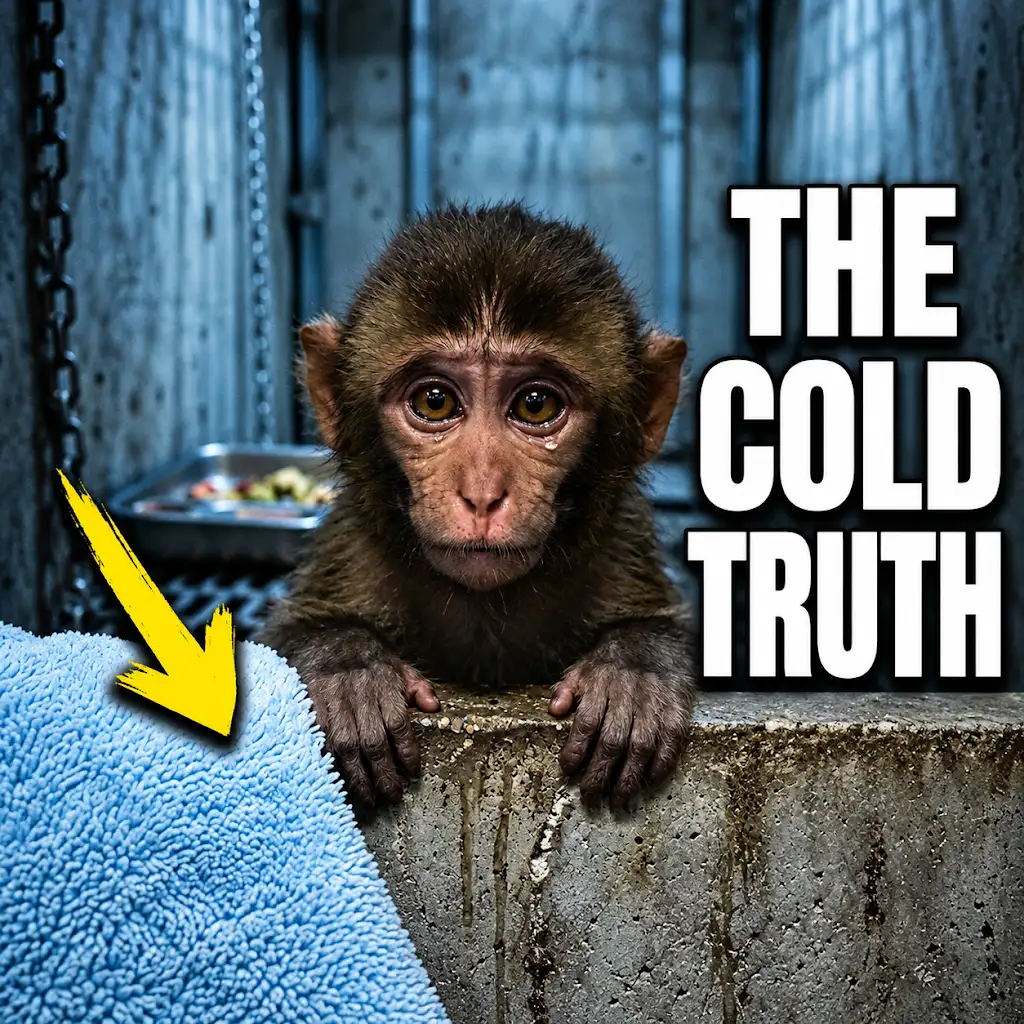
The Dark Reality of the Monkey Comfort Experiment
FAQs
What are attachment patterns and how do they relate to anxiety?
Attachment patterns are the ways in which individuals form emotional bonds with others. These patterns can influence how a person experiences anxiety, as individuals with insecure attachment patterns may be more prone to anxiety in relationships and social situations.
Can childhood attachment experiences impact adult anxiety?
Yes, research suggests that early attachment experiences with caregivers can have a lasting impact on an individual’s ability to regulate emotions and form healthy relationships, which can contribute to anxiety in adulthood.
How do anxious attachment patterns manifest in relationships?
Individuals with anxious attachment patterns may exhibit behaviors such as seeking constant reassurance, fearing abandonment, and experiencing heightened levels of jealousy and possessiveness in relationships.
What are some strategies for managing anxiety related to attachment patterns?
Therapy, such as cognitive-behavioral therapy (CBT) or attachment-based therapy, can help individuals explore and address underlying attachment issues that contribute to anxiety. Developing self-awareness, practicing mindfulness, and building healthy relationships can also be beneficial.
Is it possible to change insecure attachment patterns and reduce anxiety?
While changing attachment patterns can be challenging, with therapy, self-reflection, and effort, individuals can develop more secure attachment styles and learn to manage their anxiety more effectively in relationships and other areas of life.