
The incessant hum of modern life often drowns out the body’s natural signals for rest. For many, the idea of taking a break, stepping away from the relentless pursuit of productivity, is not a welcome respite but a source of gnawing anxiety. This unease, this feeling that pausing is inherently unsafe, is a surprisingly common phenomenon, rooted in a complex interplay of societal pressures, personal beliefs, and deeply ingrained psychological mechanisms. It’s a silent epidemic that steals well-being, perpetuating cycles of burnout and exhaustion, all under the guise of responsibility and dedication. The inability to truly switch off, to embrace the restorative power of stillness, leaves individuals feeling perpetually on edge, as if a moment of relaxation will trigger an avalanche of consequences.
The Productivity Paradox: Where Rest Becomes a Liability
The contemporary cultural landscape champions a relentless dedication to output. From the earliest stages of education, individuals are often conditioned to view constant engagement as the primary indicator of success. This permeates through academic environments, where a packed schedule is a badge of honor, and into the professional world, where long hours and the appearance of always being “on” are frequently misinterpreted as commitment. Consequently, rest can be perceived not as a necessary component of sustained performance, but as a deficit, a sign of laziness or a lack of drive. This deeply embedded belief system creates a psychological hurdle, making the act of stepping back feel like a concession, a withdrawal from the competitive arena.
The Glorification of Busyness
The societal narrative has, for decades, elevated busyness to an almost sacred status. To be busy is to be important, to be in demand, to be valuable. Social media platforms often amplify this, with curated feeds showcasing individuals juggling multiple projects, attending countless events, and seemingly thriving under immense pressure. This constant bombardment of “peak productivity” imagery can foster a sense of inadequacy in those who admit to needing downtime. The unspoken question becomes, “If everyone else can do it, why can’t I?” This creates a powerful internal pressure to conform, to emulate the seemingly boundless energy of others, even when it comes at the expense of personal well-being. The fear of being perceived as less capable or less dedicated if one opts for a break fuels a relentless drive to keep going, regardless of the personal cost.
Internalized Capitalism and the Performance Treadmill
Beyond overt societal pressures, internalized capitalist values play a significant role in framing rest as unsafe. The idea that one’s worth is directly tied to their economic output and productivity can be a powerful motivator, but it can also become a deeply ingrained source of anxiety. When individuals equate their value solely with their ability to produce, any moment not spent actively contributing to that production can feel like a waste, a dereliction of duty. This “performance treadmill” mentality means that even during periods of genuine rest, the mind can race with thoughts of unfinished tasks, missed opportunities, and the looming specter of falling behind. The pressure to constantly optimize and monetize every waking moment leaves little room for the simple, unadulterated act of being.
The Fear of Falling Behind: Competition and Scarcity Mindset
In a competitive environment, whether it’s academic, professional, or even personal, the fear of falling behind is a potent anxiety trigger. If colleagues, peers, or even friends seem to be constantly advancing, achieving new milestones, and outperforming others, taking a break can feel like surrendering a crucial advantage. This scarcity mindset, the belief that there are limited opportunities and that one must seize every chance to progress, makes it difficult to justify stepping away. The perceived risk of someone else capitalizing on one’s absence, of losing valuable connections or projects, can outweigh the immediate benefits of rest. This creates a feedback loop where the anxiety about falling behind prevents the very rest needed to maintain the energy and focus required to stay ahead.
Many individuals struggle with the concept of rest, often feeling that it is unsafe or unproductive. This phenomenon can be explored further in the article titled “The Paradox of Rest: Why Taking a Break Can Feel Dangerous” found on Unplugged Psych. The article delves into the psychological barriers that prevent people from fully embracing rest and offers insights into how societal pressures and personal beliefs contribute to this discomfort. For more information, you can read the article here: The Paradox of Rest: Why Taking a Break Can Feel Dangerous.
The Psychological Roots: Guilt, Shame, and the Inner Critic
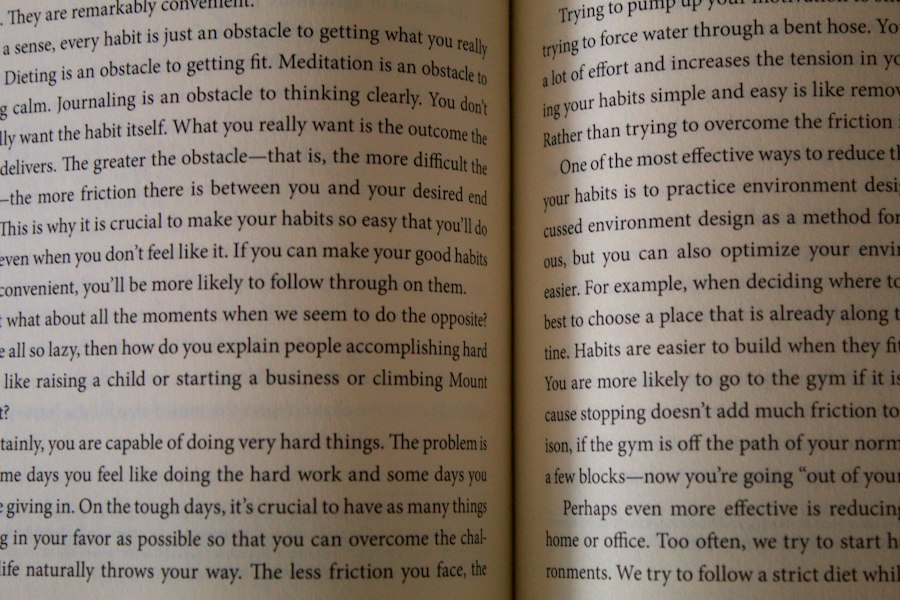
The anxiety surrounding rest is not solely an external phenomenon; it is deeply interwoven with internal psychological landscapes. Feelings of guilt and shame often accompany the act of taking a break, as if one is shirking responsibility. This is frequently fueled by an overactive inner critic, a voice that amplifies doubts and reinforces the belief that one is not doing enough. Understanding these internal mechanisms is crucial to dismantling the fear associated with pausing.
The Guilt of Non-Productivity
Guilt is a powerful emotion that often arises when individuals feel they have violated a personal or societal norm. In the context of work and productivity, taking a break can trigger this guilt because it deviates from the established norm of constant engagement. The mind might conjure up images of colleagues working diligently, clients waiting, or deadlines approaching, fueling a sense of having let others down or failed in one’s obligations. This guilt is often amplified by the fact that many individuals internalize external pressures as personal failings, believing that their inability to constantly perform is a reflection of their character. This makes even a short, necessary break feel like a moral failing.
Shame and the Fear of Judgment
Closely linked to guilt is shame, a deeper, more pervasive feeling of inadequacy or worthlessness. The fear of being judged for taking a break can be a significant source of anxiety. Individuals may worry that their absence will be interpreted as laziness, incompetence, or a lack of commitment by their peers, supervisors, or even loved ones. This fear of negative judgment can lead to a self-imposed silence around the need for rest, further isolating individuals and perpetuating the cycle of overwork. The perceived threat of shame can be so potent that it drives people to continue working even when they are physically and mentally depleted, simply to avoid the imagined condemnation of others.
The Inner Critic’s Relentless Barrage
The inner critic is a formidable adversary in the battle for restful breaks. This internal voice, often a product of past experiences and learned behaviors, constantly points out flaws, magnifies perceived shortcomings, and reinforces negative self-talk. When someone tries to take a break, the inner critic might whisper insidious messages like, “You’re not working hard enough,” “You’re going to regret this later,” or “They’re all working harder than you.” This relentless barrage of negative reinforcement can make it incredibly difficult to relax, as the mind is occupied with internal judgment rather than true recovery. Learning to identify, challenge, and quiet this inner critic is a critical step in reclaiming the right to rest.
The Biological Cost: When the Body Demands a Pause
The human body and mind are not designed for perpetual motion. Despite the cultural emphasis on relentless productivity, our biology dictates a need for regular periods of rest and recovery. Ignoring these biological imperatives, driven by the anxiety of taking breaks, leads to a cascade of negative consequences that ultimately undermine the very productivity that is being prioritized.
The Erosion of Cognitive Function
When individuals forgo rest, their cognitive abilities begin to suffer. Concentration wanes, memory becomes less reliable, and decision-making processes become impaired. The brain, like any other organ, requires downtime to consolidate information, clear out metabolic waste, and replenish its energy stores. Prolonged periods of high-intensity cognitive effort without adequate breaks lead to mental fatigue, a state where the brain struggles to perform at its optimal level. This can manifest as increased errors, a reduced ability to solve complex problems, and a general sense of mental fog. The irony is that the very drive to be productive without rest ultimately leads to a decrease in productivity due to cognitive decline.
The Physical Toll of Chronic Stress
The persistent anxiety surrounding rest often translates into chronic stress. When the body is in a constant state of alert, the stress response system remains activated, leading to elevated levels of cortisol and adrenaline. This prolonged activation can have severe detrimental effects on physical health, contributing to a range of issues including cardiovascular problems, weakened immune function, digestive disorders, and sleep disturbances. The physical toll is not just about feeling tired; it’s about the gradual wearing down of the body’s systems, making individuals more susceptible to illness and reducing their overall capacity to function.
The Burnout Spiral: A Cycle of Depletion
The inability to take breaks, coupled with chronic stress and cognitive erosion, inevitably leads to burnout. Burnout is a state of emotional, physical, and mental exhaustion caused by prolonged or excessive stress. It is characterized by a loss of enthusiasm for work, feelings of cynicism, and a sense of ineffectiveness. The anxiety that prevents people from taking breaks often perpetuates this cycle, as individuals may feel too depleted to even recognize the need for rest or too ashamed to admit they are struggling. Burnout is not a temporary slump; it is a profound depletion that can take a significant amount of time and effort to recover from, further highlighting the long-term cost of neglecting rest.
Reclaiming the Right to Rest: Strategies for Overcoming Anxiety
Overcoming the anxiety associated with taking breaks requires a conscious and often challenging shift in perspective and behavior. It involves actively challenging ingrained beliefs, developing new coping mechanisms, and creating supportive environments that allow for genuine restoration. This is not a quick fix but a process of re-education and self-compassion.
Redefining Rest: From Luxury to Necessity
The first and perhaps most crucial step is to fundamentally redefine what rest means. Instead of viewing it as a luxury, an indulgence, or a sign of weakness, it must be recognized as a fundamental biological necessity for sustained well-being and optimal performance. This redefinition needs to be both personal and, ideally, fostered within broader societal and organizational contexts. Understanding that rest is not the opposite of productivity, but rather a vital precursor to it, is a paradigm shift that can alleviate much of the anxiety. This involves actively seeking out information about the benefits of rest, understanding the science behind it, and internalizing the message that it is a strategic investment in one’s own capacity.
Setting Boundaries: Protecting Your Time and Energy
Establishing clear boundaries is essential for safeguarding the time and energy needed for rest. This involves learning to say “no” to non-essential commitments, delegating tasks when possible, and creating dedicated “off” times where work is not permitted. Boundaries are not about being uncooperative; they are about self-preservation and ensuring that one has the capacity to engage fully when needed. This can be challenging, especially in cultures that devalue boundary setting, but it is a critical skill for preventing burnout and maintaining a healthy work-life balance. It requires assertive communication and a firm commitment to one’s own well-being.
Cultivating Self-Compassion and Mindfulness
The anxious mind often bombards individuals with self-criticism. Cultivating self-compassion is about treating oneself with the same kindness and understanding that one would offer a friend in need. This involves acknowledging that everyone experiences fatigue and needs breaks, and that these needs are valid. Mindfulness, the practice of paying attention to the present moment without judgment, can also be incredibly helpful. By becoming more aware of one’s internal state – the physical sensations of fatigue, the racing thoughts of anxiety – individuals can begin to respond to their needs with greater awareness and less reactivity. This allows for a more gentle approach to rest, reducing the internal battle that often accompanies it.
Seeking Support and Challenging External Narratives
It can be incredibly empowering to seek support from others who understand or are also navigating this anxiety. This could involve talking to friends, family, therapists, or colleagues. Sharing experiences and strategies can reduce feelings of isolation and provide valuable insights. Furthermore, actively challenging external narratives that glorify constant busyness is important. This can be done through personal choices, such as limiting exposure to social media that promotes this culture, and by advocating for more supportive work environments that prioritize well-being. By collectively questioning the prevailing narratives, individuals can contribute to a broader shift in how rest is perceived and valued.
Many individuals struggle with the feeling that rest is unsafe, often driven by societal pressures and personal expectations. This discomfort can stem from a deep-seated belief that productivity is paramount, leading to guilt when taking time to recharge. For a deeper understanding of this phenomenon, you can explore a related article that discusses the psychological implications of rest and the importance of self-care. This insightful piece can be found here, providing valuable perspectives on why embracing rest is essential for mental well-being.
The Long-Term Vision: A Sustainable Approach to Life and Work
| Reason | Description | Impact on Rest | Common Symptoms |
|---|---|---|---|
| Stress and Anxiety | High levels of stress or anxiety create a heightened state of alertness. | Difficulty relaxing, frequent waking, shallow sleep. | Racing thoughts, muscle tension, restlessness. |
| Hypervigilance | Feeling the need to stay alert due to perceived threats or trauma. | Inability to fully relax, constant scanning of environment. | Increased heart rate, jumpiness, insomnia. |
| Unresolved Trauma | Past traumatic experiences causing subconscious fear during rest. | Nightmares, flashbacks, avoidance of rest periods. | Sleep disturbances, emotional distress, fatigue. |
| Environmental Factors | Noisy, uncomfortable, or unsafe surroundings. | Interrupted sleep, difficulty falling asleep. | Frequent awakenings, irritability, poor concentration. |
| Physical Discomfort or Pain | Chronic pain or discomfort making rest difficult. | Restlessness, frequent position changes, poor sleep quality. | Fatigue, mood changes, decreased function. |
| Overstimulation | Excessive sensory input before rest time. | Difficulty winding down, delayed sleep onset. | Difficulty concentrating, irritability, insomnia. |
Embracing rest is not a one-time fix; it is the foundation of a sustainable approach to life and work. By integrating regular breaks into one’s routine, individuals can foster long-term resilience, creativity, and overall well-being. This shift in perspective allows for a more fulfilling and less anxiety-ridden existence, where productivity is not the sole determinant of value.
Building Resilience Through Regular Pauses
Regular breaks act as a buffer against the inevitable stresses and challenges of life. Just as athletes need rest days to recover and build muscle, individuals need regular pauses to recharge their mental and physical reserves. This resilience allows them to bounce back more effectively from setbacks, to approach challenges with renewed energy and perspective, and to maintain their well-being over the long haul. A life lived in a constant state of depletion leaves one vulnerable; a life that incorporates rest builds a robust capacity to withstand adversity.
Enhancing Creativity and Problem-Solving
Paradoxically, stepping away from a problem can often lead to breakthrough solutions. When the mind is allowed to wander, to engage in less structured activities, and to simply rest, it is free to make novel connections and generate new ideas. The pressure of constant focus can stifle creativity, whereas periods of rest can act as fertile ground for innovation. This applies not only to creative endeavors but also to complex problem-solving in any field. A refreshed mind is a more agile and insightful mind.
Fostering a Healthier Relationship with Work and Life
Ultimately, the anxiety behind taking breaks stems from an unhealthy relationship with work and, by extension, life itself. By learning to embrace rest, individuals can begin to cultivate a more balanced and holistic perspective. This involves recognizing that life is more than just the sum of one’s professional achievements and that true fulfillment comes from nurturing all aspects of oneself. This leads to a more sustainable pace, a greater appreciation for the present moment, and a deeper sense of contentment, free from the pervasive anxiety that rest is unsafe. The goal is not to stop working, but to work in a way that allows for a rich and meaningful life beyond the confines of the professional sphere.

The Dark Reality of the Monkey Comfort Experiment
FAQs
Why do some people feel unsafe when they rest?
Some people may feel unsafe when they rest due to underlying anxiety, past traumatic experiences, or a fear of vulnerability. These feelings can make it challenging for them to relax and let their guard down.
Can feeling unsafe during rest be a sign of a mental health issue?
Yes, feeling unsafe during rest can be a symptom of various mental health issues such as anxiety disorders, post-traumatic stress disorder (PTSD), or panic disorders. It is essential to seek professional help if these feelings persist and interfere with daily life.
How can feeling unsafe during rest impact a person’s overall well-being?
Feeling unsafe during rest can lead to chronic stress, sleep disturbances, and physical health issues. It can also affect one’s mental health, relationships, and overall quality of life if not addressed and managed effectively.
What are some strategies to help individuals feel safer during rest?
Some strategies to help individuals feel safer during rest include practicing relaxation techniques, creating a comfortable and secure environment, seeking therapy to address underlying issues, and developing a bedtime routine that promotes feelings of safety and relaxation.
Is it common for people to feel unsafe during rest, and when should professional help be sought?
Feeling unsafe during rest is more common than many people realize, especially for those dealing with anxiety or past trauma. Professional help should be sought if these feelings persist, significantly impact daily functioning, or are accompanied by other mental health symptoms.