Nurturing the Foundation: Understanding a Newborn’s Fundamental Requirements
The arrival of a new baby is a profound moment, a joyous transition that ushers in a new era of love, responsibility, and wonder. For new parents and caregivers, understanding the intricate needs of an infant is paramount to fostering their healthy development and well-being. Babies, in their most vulnerable state, rely entirely on their caregivers for survival, comfort, and the building blocks of their future. This dependency, while immense, is a testament to the human capacity for love and the innate drive to protect and nurture the next generation. Essential care encompasses a multifaceted approach, addressing not only physical sustenance but also emotional security, cognitive stimulation, and the establishment of a safe and loving environment. It is a journey of discovery, where each interaction, each gentle touch, and each soothing word contributes to the intricate tapestry of a baby’s growth.
The initial weeks and months of a baby’s life are a period of rapid adaptation and learning, both for the infant and the caregivers. The transition from the predictable, womb-like environment to the sensory-rich external world presents a unique set of challenges. Babies are born with innate instincts, but they also possess an incredible capacity to learn and adapt through their interactions with their caregivers and their surroundings. This learning process is heavily influenced by the quality of care they receive. When caregivers are attentive, responsive, and loving, they create a secure base from which the baby can explore, grow, and develop a sense of trust and safety. This article aims to delve into the essential needs of babies, providing a comprehensive guide for caregivers to ensure that every infant receives the optimal care required to thrive.
Understanding what babies need from their caregivers is crucial for their emotional and physical development. A related article that delves into the essential aspects of caregiving and the impact it has on infants can be found at this link. This resource provides valuable insights into the nurturing environment that babies require to thrive, emphasizing the importance of responsive caregiving and secure attachments.
The Pillars of Physical Well-being: Feeding, Sleeping, and Hygiene

The physical needs of a baby are the most immediate and apparent. Meeting these requirements forms the bedrock of their survival and sets the stage for their overall health. Feeding, sleeping, and maintaining impeccable hygiene are the three core pillars that support a baby’s burgeoning physical well-being. Each of these areas demands careful attention, consistency, and an understanding of the individual baby’s cues and rhythms.
Nourishing Growth: The Art and Science of Infant Feeding
Feeding is perhaps the most critical physical need, providing the essential nutrients for growth, energy, and immune system development. Whether through breastfeeding or formula feeding, the process of nourishing a baby is a significant undertaking for caregivers. The World Health Organization (WHO) recommends exclusive breastfeeding for the first six months of life, followed by the introduction of complementary foods alongside continued breastfeeding up to two years of age or beyond. Breast milk is a dynamic fluid, perfectly tailored to the baby’s nutritional needs, providing antibodies, enzymes, and hormones that protect against illness and promote optimal development. The act of breastfeeding also offers numerous benefits for the mother, including facilitating uterine recovery and reducing the risk of certain cancers.
However, breastfeeding is not always feasible or desirable for every mother. Formula feeding offers a safe and effective alternative, providing a nutritionally complete diet for infants. It is crucial for caregivers to follow the instructions on formula preparation meticulously, ensuring accurate dilution and hygiene to prevent contamination. Regardless of the feeding method, caregivers must learn to recognize their baby’s hunger cues. These can include rooting (turning the head and opening the mouth as if searching for the nipple or bottle), smacking the lips, bringing hands to the mouth, and fussiness. Crying is often a late sign of hunger. Feeding should be a time of connection and bonding, with caregivers holding their baby close, making eye contact, and speaking softly. Burping the baby after feeds is essential to release swallowed air, which can cause discomfort and spitting up. Monitoring the baby’s weight gain and ensuring they are having adequate wet and dirty diapers are also key indicators of successful feeding.
Restful Renewal: Establishing Healthy Sleep Patterns
Sleep is another fundamental necessity for a baby’s growth and development. During sleep, the body repairs and regenerates, and the brain consolidates learning and develops. Newborns have very different sleep patterns than older children or adults. They sleep in short bursts, waking frequently for feeds. This fragmented sleep can be challenging for caregivers, but it is a normal and necessary part of a baby’s development. Establishing healthy sleep habits from the outset can make a significant difference in the long run.
Creating a safe sleep environment is paramount. Babies should always be placed on their backs to sleep, on a firm, flat surface, such as a crib or bassinet, with a fitted sheet. There should be no loose bedding, blankets, pillows, or stuffed animals in the crib, as these pose a suffocation risk. White noise machines can help to mask sudden noises and create a more soothing sleep environment. Establishing a consistent bedtime routine, even for newborns, can help signal to the baby that it is time to wind down. This routine might include a warm bath, a gentle massage, a lullaby, and a quiet feeding. Responding to a baby’s cries during the night is important, but caregivers can also begin to encourage self-soothing by offering comfort without immediately picking them up if they are not hungry or in distress. As babies get older, their sleep patterns will gradually lengthen, and caregivers can work towards longer stretches of sleep by paying attention to their baby’s cues for tiredness, such as rubbing their eyes or yawning.
Cleanliness and Comfort: The Importance of Hygiene
Maintaining a clean and comfortable environment is crucial for preventing illness and ensuring a baby’s overall well-being. This includes regular bathing, diaper changes, and keeping the baby’s living space clean. Gentle, fragrance-free baby soaps and shampoos should be used, and water temperature should be checked to ensure it is comfortably warm, not too hot. Newborns do not require daily baths; a few times a week is sufficient, with daily sponge baths to keep the umbilical cord stump clean and dry.
Diaper changes are a frequent occurrence in a baby’s early months. It is important to use a barrier cream to prevent diaper rash and to clean the baby’s skin thoroughly with gentle wipes or a damp cloth. Keeping the diaper area clean and dry is essential. Caregivers should also be mindful of the baby’s clothing, ensuring it is clean, comfortable, and appropriate for the weather. Washing baby clothes with a mild, hypoallergenic detergent and avoiding fabric softeners that can irritate sensitive skin are recommended. Regular cleaning of toys, cribs, and other frequently touched surfaces helps to minimize the spread of germs.
The Emotional Landscape: Fostering Security and Connection
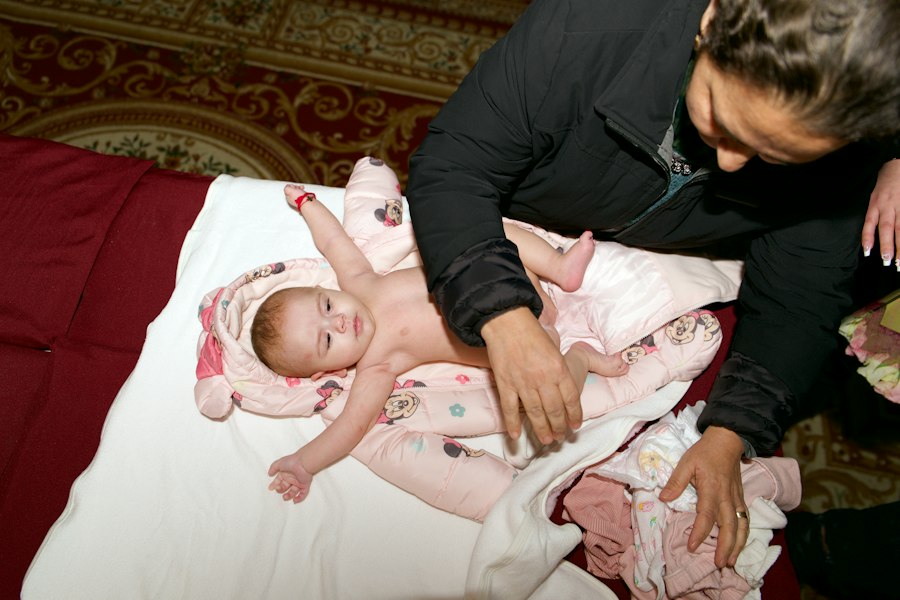
Beyond their physical needs, babies possess a profound need for emotional security and connection. This emotional foundation is built through consistent, loving interactions with their caregivers, fostering a sense of trust, attachment, and self-worth. The early months are a critical period for developing these crucial emotional bonds, which will influence a child’s social and emotional development throughout their lives.
The Power of Touch: Comfort, Bonding, and Sensory Exploration
Touch is a baby’s first language and a primary means of communication and connection. Gentle, loving touch communicates safety, reassurance, and affection. Skin-to-skin contact, also known as kangaroo care, is particularly beneficial. Holding a baby against the bare chest of a caregiver can regulate their heart rate, breathing, and temperature, and it promotes bonding. Baby massage is another wonderful way to connect with an infant, promoting relaxation, improving digestion, and stimulating their senses.
Caregivers should be mindful of their baby’s cues when it comes to touch. While most babies thrive on gentle physical contact, some may be more sensitive. Observing their reactions – whether they seem to relax and snuggle in, or tense up and pull away – will help caregivers understand their baby’s preferences. Beyond passive touch, engaging in playful touch, like tickling toes or gently bouncing them on a knee, can be stimulating and fun, further strengthening the bond between caregiver and child. The simple act of holding a baby close during feeding, rocking them, or cuddling them on the couch all contribute to a feeling of security and love.
Responsive Interaction: Listening and Responding to Cues
Babies communicate their needs and feelings through a variety of cues, including cries, coos, facial expressions, and body movements. The ability of a caregiver to accurately interpret and respond to these cues is fundamental to building a secure attachment. When a caregiver consistently responds to a baby’s needs – whether it’s hunger, discomfort, or a need for closeness – the baby learns that their needs will be met, fostering a sense of trust and security.
This responsiveness goes beyond simply meeting physical needs. It also involves acknowledging and validating their emotional states. If a baby is distressed, a caregiver’s soothing voice, gentle rocking, and reassuring touch can help them regulate their emotions. Conversely, if a baby is excited and cooing, responding with smiles, eye contact, and happy vocalizations encourages their communication and social development. This attunement, where the caregiver is sensitive to the baby’s emotional state and responds in a way that is appropriate, is a cornerstone of secure attachment. It is about being present, observant, and willing to engage with the baby on their terms.
Building a Foundation of Trust: Consistent and Predictable Care
Consistency and predictability in caregiving are essential for a baby’s emotional security. When a baby knows what to expect, even in small ways, it creates a sense of order and safety in their world. This doesn’t mean a rigid schedule, especially in the early weeks, but rather a reliable rhythm of care. For example, if a baby is consistently held and sung to before sleep, they learn to associate this with winding down. If their diaper is changed and they are cleaned gently each time, they learn to anticipate comfort.
This consistency builds a deep sense of trust. The baby learns that their caregivers are dependable and that their needs will be met. This trust forms the foundation for their willingness to explore their environment and to engage with others. A predictable environment also helps babies to develop a sense of self-regulation. When their basic needs are met reliably, they are better equipped to manage their emotions and their energy levels. Caregivers who are emotionally available, patient, and consistent in their responses are providing an invaluable gift of security that will serve their baby well throughout their life.
The Stimulating World: Encouraging Cognitive and Motor Development
As babies grow, their capacity for learning and exploration expands exponentially. Caregivers play a vital role in providing a stimulating environment that encourages cognitive growth, the development of motor skills, and the exploration of their burgeoning world. This is not about formal schooling, but about creating opportunities for interaction, observation, and practice.
Engaging the Senses: The Importance of Play and Exploration
Play is not just for fun; it is the primary way babies learn about the world. From the moment they are born, babies are taking in information through their senses. Providing opportunities for sensory exploration is crucial for cognitive development. This can involve offering a variety of textures to touch, sounds to hear, and sights to see. Soft blankets, crinkly toys, rattles, and brightly colored objects can all engage a baby’s senses.
Tummy time, starting from the newborn period, is essential for strengthening neck and back muscles, which are crucial for developing gross motor skills. Initially, this may be for very short periods, but as the baby grows, they can tolerate longer stretches. During tummy time, caregivers can engage their baby with toys, mirrors, or simply their own faces, making it a positive and interactive experience. As babies become more mobile, supervised exploration of safe environments becomes increasingly important. Allowing them to reach for objects, roll over, and eventually crawl or walk provides them with invaluable learning experiences.
Developing Motor Skills: From Reflexes to Coordination
The development of motor skills is a gradual process, moving from innate reflexes to voluntary movements and refined coordination. Caregivers can actively support this development by providing opportunities for movement and practice. For example, gently moving a baby’s legs in a bicycling motion can help them develop leg strength and coordination. Reaching for toys placed just out of reach encourages them to stretch and move.
As babies gain head control, caregivers can introduce them to sitting with support. This allows them to observe their surroundings from a new perspective and to practice their balance. When babies begin to crawl, caregivers should ensure their environment is safe and childproofed, allowing them the freedom to explore. Even simple actions like holding a rattle or grasping a caregiver’s finger are important steps in developing fine motor skills. Celebrating these milestones, no matter how small, can boost a baby’s confidence and encourage further exploration and practice.
Language and Communication: The Genesis of Understanding
The foundation of language development begins long before a baby utters their first word. Caregivers play a crucial role in nurturing this development through consistent and rich verbal interaction. Talking, singing, and reading to babies, even from birth, exposes them to the rhythm, sounds, and patterns of language. This exposure helps them to develop an understanding of speech and to build their own vocabulary.
Using a gentle, melodic tone of voice, often referred to as “parentese” or “motherese,” can capture a baby’s attention and facilitate language acquisition. This style of speech involves higher pitches, exaggerated intonation, and simpler sentence structures. Responding to a baby’s babbles and coos as if they are real conversations not only encourages vocalization but also teaches them about turn-taking in communication. Pointing to objects and naming them helps babies associate words with their referents, building their comprehension. The more caregivers talk, sing, and read to their babies, the more they are laying the groundwork for strong language and communication skills.
Understanding what babies need from their caregivers is crucial for their development and well-being. A recent article explores the essential emotional and physical support that infants require during their formative years. For more insights on this topic, you can read the article on the importance of responsive caregiving at Unplugged Psych. This resource provides valuable information on how caregivers can foster a nurturing environment that promotes healthy attachment and growth in babies.
Creating a Safe and Supportive Environment: Protection and Well-being
| Need | Description | Importance | Examples |
|---|---|---|---|
| Nutrition | Providing adequate and appropriate food for growth and development | Essential | Breastfeeding, formula feeding, introducing solids at 6 months |
| Safety | Ensuring a secure environment free from hazards | Critical | Safe sleeping area, childproofing home, supervision |
| Emotional Support | Offering love, comfort, and bonding to promote emotional health | Vital | Holding, cuddling, responsive caregiving |
| Sleep | Providing sufficient and restful sleep for brain development | Important | Consistent sleep routines, quiet environment |
| Health Care | Regular medical check-ups and vaccinations | Necessary | Immunizations, growth monitoring, illness prevention |
| Stimulation | Engaging senses and encouraging learning through play | Beneficial | Talking, singing, age-appropriate toys |
Beyond the immediate needs of feeding, sleeping, and emotional connection, the overarching requirement for a baby is a safe and supportive environment. This encompasses physical safety, a healthy living space, and a home where they feel protected and cherished. This foundational security allows them to thrive and explore without undue fear or risk.
Physical Safety: Preventing Accidents and Hazards
The world can be a dangerous place for an infant who lacks the awareness and mobility to protect themselves. Caregivers must be vigilant in identifying and mitigating potential hazards. This starts from the moment the baby comes home. Car seats must be properly installed and used for every car journey. Cribs must meet current safety standards, and the sleep environment must remain free of suffocation risks.
As babies become more mobile, their environment needs to be constantly assessed and adapted. Outlet covers, cabinet locks, and securing furniture that could tip over are essential. Keeping small objects that could be a choking hazard out of reach is critical. Supervision is paramount; a baby should never be left unattended on a changing table or any elevated surface. Understanding common infant accidents, such as burns, falls, and poisoning, and taking proactive steps to prevent them is a vital part of responsible caregiving.
A Healthy Home: Air Quality, Germs, and Well-being
The air quality in a baby’s living environment directly impacts their respiratory health. Avoiding exposure to cigarette smoke, whether direct or secondhand, is non-negotiable. Smoke irritates a baby’s developing lungs and significantly increases the risk of Sudden Infant Death Syndrome (SIDS). Maintaining good ventilation in the home and using air purifiers can also contribute to a healthier environment.
Minimizing exposure to excessive germs is also important, especially for newborns whose immune systems are still developing. While some exposure to everyday germs is beneficial for building immunity, excessive exposure can lead to illness. Regular cleaning of surfaces, especially those frequently touched by the baby or caregivers, helps to reduce the spread of pathogens. Hand hygiene, for both caregivers and any visitors, is a simple yet highly effective way to prevent the transmission of germs.
The Emotional Climate: Love, Acceptance, and Stability
Perhaps the most profound element of a safe and supportive environment is the emotional climate within the home. A baby thrives in an atmosphere of love, acceptance, and stability. This means that caregivers are not only meeting their physical needs but are also creating a space where the baby feels secure, valued, and understood. This emotional security is built through consistent affection, positive interactions, and a predictable family routine.
Caregivers who are emotionally regulated themselves can better provide a stable environment for their baby. This involves managing their own stress, seeking support when needed, and prioritizing their own well-being. When caregivers are happy, rested, and able to express their love openly, it creates a positive feedback loop that benefits the entire family. A home filled with laughter, gentle encouragement, and unwavering support is a fertile ground for a baby to grow into a confident, resilient, and well-adjusted individual.
The Evolving Needs: Adapting Care as the Baby Grows
The needs of a baby are not static; they evolve dramatically as the infant progresses through infancy and beyond. What is essential at one month will differ significantly at six months, and again at one year. Caregivers must be attuned to these changes, adapting their approach to meet the growing baby’s developmental milestones and emerging needs. This requires ongoing learning, flexibility, and a deep understanding of child development.
From Newborn to Infant: Shifting Rhythms and Expectations
In the early weeks, the focus is largely on survival, feeding, sleeping, and basic comfort. Newborns are primarily driven by instinct and require constant reassurance. As they transition into infancy, typically from around three months onwards, their sleep patterns begin to lengthen, their feeding becomes more predictable, and they become more aware of their surroundings and the people in them.
Caregivers will notice changes in their baby’s communication styles, their ability to focus, and their emerging personalities. The need for constant holding may lessen as the baby becomes more content to explore independently within a safe space. However, the need for attentive interaction and responsive care remains paramount. It is during this phase that caregivers can begin to introduce more structured play and introduce new experiences that foster cognitive and motor development.
Introducing Solids and New Milestones: Navigating Dietary Changes and Motor Skills
Around six months of age, most babies are ready to begin complementary feeding, introducing solid foods alongside breast milk or formula. This is a significant developmental milestone that requires careful introduction of textures, flavors, and nutrients. Caregivers must be patient and observe their baby’s cues for readiness and acceptance of new foods. Concerns about allergies and choking hazards are paramount during this stage.
Simultaneously, babies at this age are often mastering new motor skills like sitting, reaching, and perhaps even crawling. This increased mobility necessitates a greater focus on safety and a more stimulating environment that encourages exploration. The language skills are also blossoming, with babies starting to babble with intention and respond to familiar words and sounds. Caregivers can capitalize on this by continuing to talk, sing, and read extensively, encouraging their baby’s burgeoning communication abilities.
Toddlerhood on the Horizon: Independence, Exploration, and Boundaries
As babies approach their first birthday and beyond, they enter toddlerhood, a stage characterized by a surge in independence and a desire to explore the world on their own terms. They are walking, talking (or trying to!), and developing strong opinions and preferences. While the core needs for love, security, and nourishment remain, the way these needs are met evolves significantly.
This is a time when setting gentle but firm boundaries becomes increasingly important for a toddler’s safety and social development. They are learning about cause and effect, and the consequences of their actions. Caregivers need to provide opportunities for independent play and exploration while ensuring a safe environment. Language development continues at a rapid pace, and toddlers are able to understand more complex instructions and express themselves more clearly. This phase demands patience, consistency, and a continued commitment to nurturing the child’s growing sense of self while guiding them through the complexities of the world. The journey of caregiving is a continuous process of learning, adapting, and growing alongside the precious life entrusted to their loving hands.

The Dark Reality of the Monkey Comfort Experiment
FAQs
What are the basic needs of a baby that caregivers should provide?
Babies need to be fed, kept clean, have their diapers changed regularly, be comforted when they cry, and receive love and affection from their caregivers.
How important is bonding between a baby and their caregiver?
Bonding is crucial for a baby’s emotional development. It helps them feel secure, builds trust, and forms the foundation for healthy relationships later in life.
Why is it important for caregivers to respond promptly to a baby’s cues?
Responding promptly to a baby’s cues, such as crying or reaching out, helps them feel secure and builds trust in their caregiver. It also teaches them that their needs will be met, which is essential for their emotional well-being.
What role does communication play in meeting a baby’s needs?
While babies may not be able to speak, they communicate through crying, facial expressions, and body language. Caregivers need to pay attention to these cues to understand and meet the baby’s needs effectively.
How can caregivers promote a baby’s physical and cognitive development?
Caregivers can promote physical development by providing opportunities for tummy time, play, and exploration. They can support cognitive development by talking to the baby, reading books, and engaging in interactive activities that stimulate their senses.