
The Genesis of Harlow’s Experiments: A Question of Nurture
The mid-20th century saw a prevailing, yet arguably flawed, understanding of infant development and the crucial role of maternal care. Behaviorism, a dominant psychological school of thought at the time, heavily emphasized the importance of reinforcement, particularly in the form of food, as the primary driver of learning and attachment. This perspective suggested that an infant’s bond with its mother was largely a consequence of her providing sustenance, and that the physical act of feeding was the most significant factor in shaping this relationship. This view, while seemingly logical on the surface, overlooked the multifaceted nature of social and emotional development. It was within this intellectual landscape that Harry Harlow, an American psychologist, embarked on a series of groundbreaking and, at the time, highly controversial experiments designed to challenge these prevailing notions and to investigate the true nature of maternal affection and its impact on rhesus monkeys.
Harlow’s initial work was deeply influenced by the prevailing theories that prioritized basic physiological needs. He observed that in many animal studies, the primary caregiver was often the one who provided food, leading to the assumption that this association was the fundamental basis of the bond. However, Harlow harbored a growing suspicion that this explanation was incomplete. He reasoned that there must be more to the mother-infant relationship than mere biological necessity. He questioned whether comfort, touch, and a sense of security played an equally, if not more, vital role. To test his hypotheses, Harlow devised experiments that deliberately separated these factors, creating surrogate mothers that could fulfill different needs, allowing him to isolate and observe the monkeys’ preferences. His intention was not to cause distress, but to systematically dissect the components of attachment and understand their relative importance. The ethical considerations of such research were less stringent than they are today, and while the experiments were undeniably difficult to witness, they were conducted with a scientific rigor aimed at answering fundamental questions about behavior.
The choice of rhesus monkeys was strategic. As primates, they share significant biological and behavioral similarities with humans, making them suitable models for studying attachment. Their capacity for complex social interaction and their relatively long developmental period allowed Harlow to observe the long-term consequences of early experiences. The experimental setup involved isolating infant monkeys from their mothers shortly after birth and introducing them to two surrogate mothers. This controlled environment was crucial for eliminating confounding variables and ensuring that the observed behaviors could be directly attributed to the surrogate mothers’ characteristics. The ethical implications of separating infants from their biological mothers and raising them in isolation would become a significant point of contention later, but at the time, it was considered a necessary step to achieve the research objectives.
The Surrogate Mothers: A Crucial Design Element
The core of Harlow’s experimental design lay in the creation of two distinct surrogate mothers. These were not mere props but carefully constructed entities designed to embody specific aspects of maternal care. One surrogate, the “wire mother,” was constructed from wire mesh, and beneath it, a milk bottle was attached, providing nourishment. This surrogate represented the behaviorist’s ideal caregiver – the provider of food and sustenance. The other surrogate, the “cloth mother,” was covered in soft, terry cloth and offered no food. This surrogate, however, was designed to provide comfort and tactile stimulation, mimicking the warmth and softness that a biological mother would offer. The wire mother was functional, fulfilling a basic biological need, while the cloth mother was purely affective, offering a sense of security and physical reassurance.
The intention behind this dual-surrogate design was to create a clear dichotomy between the role of nourishment and the role of comfort in the development of attachment. By offering food from the wire mother and comfort from the cloth mother, Harlow could directly observe which of these attributes the infant monkeys prioritized. The experiment was designed to systematically test the hypothesis that attachment is driven by the satisfaction of biological needs versus the provision of comfort and security. The stark contrast between the cold, hard wire and the soft, yielding cloth was deliberate, intended to highlight the importance of non-nutritional aspects of caregiving. The monkeys were placed in individual cages, each containing these two surrogate mothers, and their behavior was meticulously observed and recorded. This setup allowed for precise measurements of time spent with each mother, the nature of their interactions, and their responses to various stimuli.
The materials chosen for the surrogates were not arbitrary. The wire was chosen for its functionality, allowing for the easy dispensing of milk. The terry cloth was selected for its similarity to the texture and warmth of a live mother’s skin. This careful consideration of materials was fundamental to the experiment’s success, ensuring that the only significant difference between the two surrogates, aside from the presence of food, was the tactile experience they offered. The simplicity of the design belied the profound questions it sought to answer, forcing a re-evaluation of long-held beliefs about the nature of love and connection.
The Harlow experiment results have provided significant insights into the importance of maternal attachment in early development. For a deeper understanding of these findings and their implications, you can explore a related article that discusses the broader impact of Harlow’s work on psychology and child development. To read more, visit this article.
The Experiments Unfold: Observations and Revelations
The results of Harlow’s experiments were both surprising and deeply impactful, directly challenging the prevailing behaviorist perspective. When presented with the two surrogate mothers, the infant monkeys demonstrated a clear and consistent preference for the cloth mother, despite the fact that the wire mother was the sole source of nourishment. The monkeys would spend the vast majority of their time clinging to the soft, warm cloth mother, seeking comfort and security. Only when hunger pangs became unbearable would they venture to the wire mother to feed, and then they would quickly return to the cloth mother. This behavior strongly suggested that tactile comfort and emotional security were far more critical factors in forming an attachment than the mere provision of food.
Harlow meticulously documented these observations, noting the monkeys’ reluctance to leave the cloth mother even when exploring their environment. They would often take the cloth mother with them, demonstrating a desire to maintain contact and a sense of security. When frightened by novel objects or loud noises, the infant monkeys would invariably rush to the cloth mother for reassurance, burying themselves in its soft embrace. This response was in stark contrast to their behavior around the wire mother, which offered no such solace. The experiments also revealed that the monkeys would engage in what Harlow termed “contact comfort,” a behavior characterized by clinging, cuddling, and nuzzling. This was not a learned behavior driven by reinforcement, but an innate drive for closeness and warmth.
These findings were revolutionary. They suggested that attachment was not simply a learned response to the provider of food, but a fundamental emotional need rooted in the seeking of comfort and security. The experiments provided strong evidence for the importance of the affective bond between caregiver and infant, highlighting the role of touch, warmth, and responsiveness in healthy development. The sheer preference for the cloth mother, even at the expense of immediate satiation of hunger, was a powerful testament to the intrinsic value of emotional connection. The implications for human child-rearing were immediate and profound, suggesting that a mother’s nurturing presence and gentle touch were as, if not more, important than her ability to provide physical sustenance.
The Fear Response: A Test of Security
A particularly revealing aspect of the experiments involved introducing fear-inducing stimuli into the monkeys’ environment. When confronted with a novel, potentially threatening object or a sudden loud noise, the infant monkeys displayed a characteristic response: they would immediately flee to their surrogate mother for safety. Crucially, they would seek refuge with the cloth mother, even if they had just been feeding from the wire mother. This demonstrated that in times of distress, the primary need was not for sustenance, but for the comfort and security offered by the soft surrogate. The cloth mother acted as a secure base from which the young monkeys could explore their surroundings, and a safe haven to which they could retreat when feeling threatened.
The monkeys would cling tightly to the cloth mother, their bodies pressed against its soft surface, seeking to assimiliate its calming presence. This behavior was observed consistently across all the experimental subjects. The wire mother, in contrast, offered no such refuge. When a monkey approached the wire mother in fear, it would remain distressed, often continuing to cry and tremble. This stark difference in behavior underscored the critical role of tactile comfort in mitigating fear and anxiety. The ability to provide a sense of safety and emotional regulation was clearly a more powerful driver of attachment than the ability to provide milk.
This observation was particularly significant because it directly contradicted the behaviorist tenet that all behavior is learned through conditioning and reinforcement. The fear response and the subsequent seeking of comfort from the cloth mother appeared to be an innate, instinctual drive, a fundamental biological imperative for survival and well-being. It suggested that the very nature of emotional connection involved a deep-seated need for physical closeness and reassurance, a need that transcended the satisfaction of basic physiological drives. The experiments thus provided a compelling argument for the importance of nurturing and affectionate caregiving, not just as a desirable trait, but as an essential component of healthy psychological development.
Social and Emotional Deficits: The Long-Term Consequences
The most disturbing and arguably most impactful findings of Harlow’s experiments emerged when the infant monkeys raised with surrogate mothers were observed as they matured. These monkeys, deprived of the rich social and emotional interactions of a normal mother-infant relationship, exhibited profound and lasting social and emotional deficits. They struggled to form normal relationships with their peers, displaying aggressive, withdrawn, or overly dependent behaviors. They were often unable to engage in normal social interactions, lacking the skills to play, groom, or communicate effectively with other monkeys.
These deficits were not transient. They persisted into adulthood, severely impairing the monkeys’ ability to function within a social group. The lack of early, reciprocal interaction with a caring caregiver meant that these monkeys did not develop the foundational social and emotional competencies necessary for healthy relationships. They struggled to learn social cues, to empathize with others, and to regulate their own emotions. This led to a cycle of social maladjustment and isolation. The experiments powerfully illustrated the critical period for social development and the devastating consequences of its disruption. The absence of a warm, responsive caregiver during this formative period had a detrimental and lasting impact on their overall psychological well-being.
The “Puppies” of Despair: Isolation and Aggression
Harlow and his colleagues further exacerbated the isolation of some of the monkeys, creating a group that experienced even more extreme deprivation. These monkeys were not only raised without a biological mother but also with limited contact with other infants or adults. When these “laboratory-raised” monkeys were eventually introduced to normal, socially-adjusted monkeys, their behavior was profoundly aberrant. They were often aggressive, violent, and unable to engage in normal play. They exhibited behaviors such as biting, kicking, and relentless pursuit of other monkeys, lacking the social inhibitions and understanding that would normally govern such interactions.
Conversely, some of these isolated monkeys became extremely withdrawn and passive. They would sit huddled in a corner, unresponsive to their surroundings, and appear deeply depressed. This spectrum of abnormal behavior – ranging from extreme aggression to profound passivity – highlighted the diverse ways in which severe social and emotional deprivation could manifest. The monkeys often exhibited self-harming behaviors, such as biting their own limbs or pulling out their fur. This demonstrated a deep psychological distress and an inability to cope with their environment. The “puppies of despair,” as they became known, were a stark and tragic illustration of the profound need for social connection and emotional nurturing in early development.
The researchers noted that these socially impaired monkeys also had difficulty with reproduction. The females, when they did eventually give birth, were often neglectful or abusive mothers, replicating the deprivations they themselves had experienced. They would ignore their infants, refuse to nurse them, or even physically harm them. The males, in turn, were often unable to engage in normal mating rituals or were aggressive towards females. This demonstrated that the deficits in social and emotional development extended to the crucial ability to form new familial bonds and perpetuate the cycle of caregiving.
Rethinking Attachment Theory: The Enduring Legacy
The results of Harlow’s experiments had a seismic impact on the field of psychology, fundamentally altering the understanding of infant attachment. They provided compelling empirical evidence to support the theories of attachment pioneered by John Bowlby, who had also emphasized the importance of early maternal bonding for healthy emotional development. Bowlby’s work, initially theoretical and based on observations of human infants, found strong validation in Harlow’s primate studies. The experiments moved the focus from a purely behavioral, reinforcement-based model to one that acknowledged the innate psychological need for security, comfort, and emotional connection.
The experiments led to a paradigm shift in thinking about child-rearing practices. They highlighted the vital importance of responsive, affectionate parenting, emphasizing that providing a secure and nurturing environment was as crucial as meeting an infant’s basic physical needs. The concept of “contact comfort” gained widespread acceptance, influencing recommendations for parental care and early childhood education. The emphasis shifted towards fostering strong emotional bonds through physical touch, consistent responsiveness, and a secure base for exploration. This had a profound influence on how parents, pediatricians, and educators approached infant development.
Harlow’s work, despite its ethical controversy, provided invaluable insights into the fundamental building blocks of social and emotional well-being. It underscored that love and affection are not merely desirable additions to a child’s life but essential components for healthy psychological growth. The experiments served as a powerful reminder that complex behaviors are not solely driven by external rewards but are deeply rooted in intrinsic needs for connection, security, and emotional regulation. The legacy of Harlow’s experiments continues to inform our understanding of human development and the critical importance of early relationships in shaping individuals.
Implications for Human Development: Beyond Nourishment
The findings from the surrogate mother experiments directly translated to a deeper understanding of human infant development. Prior to Harlow, the prevailing view was that an infant’s bond with its mother was primarily a consequence of her providing food. The experiments demonstrated that while food is essential for survival, it is the emotional and psychological nourishment – the comfort, security, and responsiveness of the caregiver – that forms the bedrock of healthy attachment. This shifted the focus of pediatric and psychological advice from merely ensuring adequate nutrition to prioritizing the quality of the parent-child relationship.
The experiments provided a scientific basis for the importance of practices like breastfeeding on demand, co-sleeping, and carrying infants close to the body. These practices, previously viewed with skepticism by some, were now understood as facilitating the crucial “contact comfort” that Harlow’s monkeys so desperately sought. The findings also contributed to a greater appreciation for the role of fathers and other caregivers in an infant’s development, recognizing that the need for secure attachment is met by a variety of nurturing relationships. The emphasis moved from the singular importance of the biological mother as the sole provider of attachment to the broader concept of a secure base, which can be provided by multiple loving and responsive individuals.
The long-term consequences observed in the socially deprived monkeys served as a stark warning about the potential impact of neglect and inadequate emotional care on human children. While direct parallels are cautioned due to species differences, the experiments highlighted the critical importance of early intervention and the devastating effects of prolonged isolation or emotional deprivation. This led to increased awareness and resources dedicated to supporting vulnerable children and families, emphasizing the lifelong impact of early experiences. The ethical debates surrounding the experiments also spurred advancements in animal welfare and research ethics, ensuring that future research is conducted with greater consideration for the well-being of the subjects.
The Harlow experiment results have significantly contributed to our understanding of attachment and social behavior in primates. For those interested in exploring this topic further, a related article provides an in-depth analysis of the implications of Harlow’s findings on modern psychology. You can read more about it in this insightful piece on the subject, which highlights the long-term effects of maternal deprivation and the importance of nurturing relationships. To delve deeper into this fascinating area of study, check out the article here.
Ethical Debates and Modern Perspectives
| Metric | Description | Result | Explanation |
|---|---|---|---|
| Time Spent with Cloth Mother | Duration infant monkeys spent clinging to the soft cloth surrogate | Majority of time (up to 22 hours/day) | Indicates preference for comfort and tactile stimulation over food |
| Time Spent with Wire Mother | Duration infant monkeys spent clinging to the wire surrogate providing food | Minimal time (1-2 hours/day) | Shows that nourishment alone is insufficient for attachment |
| Response to Fear Stimulus | Behavior when exposed to a frightening object | Monkeys sought comfort from cloth mother | Demonstrates the role of comfort in emotional security |
| Social Behavior in Adulthood | Ability to form social bonds and mate | Impaired in monkeys raised without cloth mother | Highlights importance of early emotional attachment for social development |
| Exploratory Behavior | Willingness to explore new environments | Increased when cloth mother was present | Comfort from attachment figure encourages exploration |
The experiments conducted by Harry Harlow, while providing invaluable insights into attachment behavior, remain a subject of significant ethical debate. The methodology involved separating infant monkeys from their mothers shortly after birth and raising them in isolation or with surrogate mothers. This separation, along with the observed distress and subsequent social deficits in the monkeys, has led to widespread criticism regarding the welfare of the animals involved. Critics argue that the suffering inflicted upon these primates was ethically unjustifiable, even if the scientific discoveries were significant. The graphic nature of some of the experimental footage and descriptions has made these experiments particularly difficult for many to accept.
The ethical landscape of psychological research has evolved considerably since Harlow’s time. Today, strict ethical guidelines and review boards govern research involving animals, prioritizing their welfare and minimizing any potential suffering. The use of invasive or distressing procedures is heavily scrutinized, and alternative research methods are actively pursued. Harlow’s experiments, conducted in an era with different ethical standards, would likely not be permitted in their original form today. This shift in ethical considerations reflects a broader societal understanding of animal sentience and the moral obligations towards non-human beings.
Despite the ethical concerns, many argue that the scientific advancements stemming from Harlow’s research have had a profound and lasting positive impact on human well-being. The understanding of attachment, the importance of maternal bonding, and the consequences of early deprivation have informed child-rearing practices, therapeutic interventions, and social policies that have benefited countless individuals. The challenge lies in balancing the pursuit of knowledge with the ethical responsibility to minimize harm. Harlow’s work serves as a poignant reminder of this ongoing ethical tightrope in scientific exploration, prompting continuous reflection on the boundaries of research and the responsible pursuit of understanding.
Reconciling Discovery and Compassion
The enduring legacy of Harlow’s experiments lies in the challenging but necessary task of reconciling the scientific discoveries with the ethical concerns they raise. While the suffering of the monkeys cannot be ignored or minimized, their experiences provided undeniable evidence for the crucial role of emotional connection and nurturing in healthy development. The insights gained have shaped modern psychology, leading to more compassionate and effective approaches to child-rearing, therapy, and social support systems. The impact on understanding issues such as infant neglect, maternal deprivation, and the long-term effects of trauma is undeniable.
Modern researchers often approach similar questions using less invasive methods, such as observational studies of human families, neuroimaging techniques, and studies on animal models where welfare is a paramount concern. The field has moved towards non-invasive methodologies that can gather rich data without causing distress. However, the foundational principles uncovered by Harlow’s pioneering work continue to guide research and practice. His experiments, for all their ethical complexities, opened a door to understanding the fundamental human need for love, security, and belonging, a need that transcends species and remains at the core of our psychological well-being. The ongoing dialogue surrounding these experiments serves as a crucial reminder to constantly evaluate our scientific pursuits through the lens of both discovery and compassion.
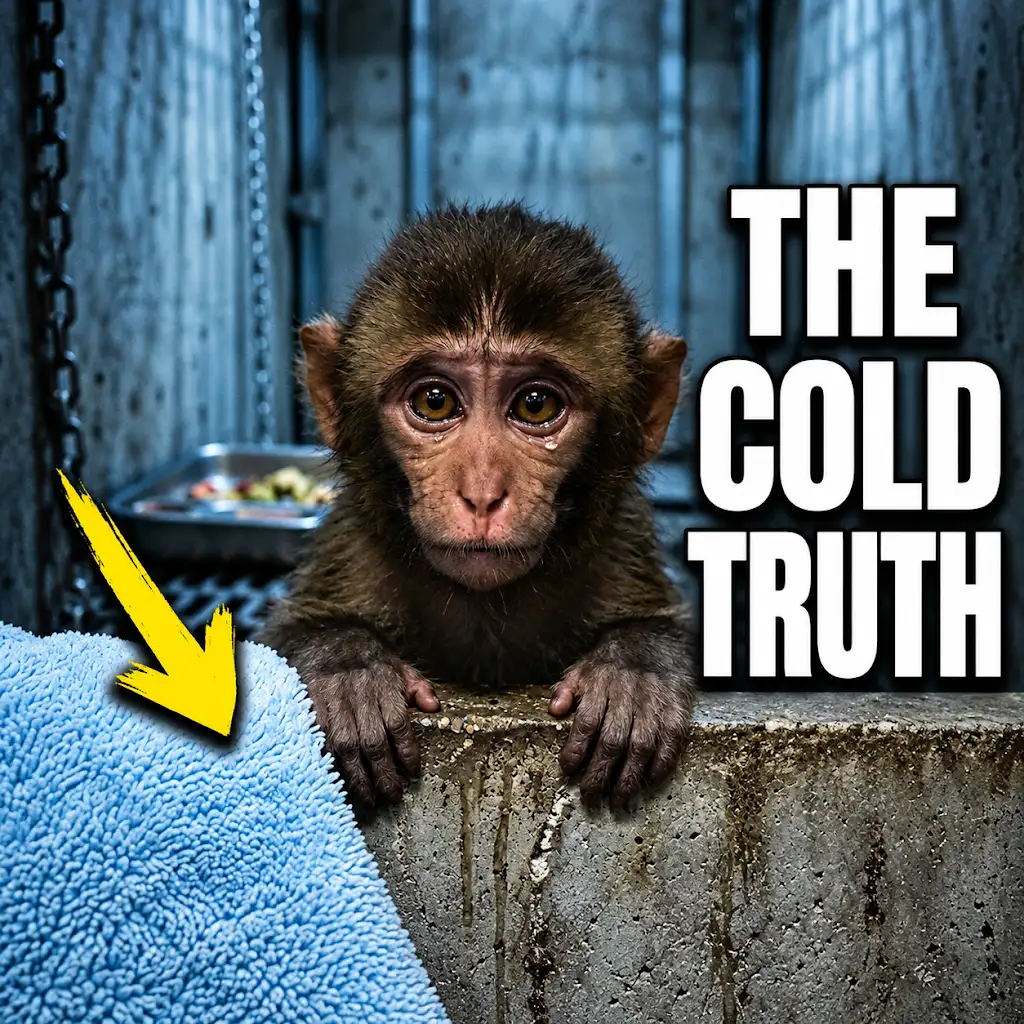
The Dark Reality of the Monkey Comfort Experiment
FAQs
What were the main findings of the Harlow experiment?
The main findings of the Harlow experiment showed that infant monkeys preferred comfort and security over basic needs like food. The monkeys formed strong attachments to surrogate mothers that provided warmth and comfort, even when a wire mother was present with food.
How did the Harlow experiment impact our understanding of attachment theory?
The Harlow experiment revolutionized our understanding of attachment theory by demonstrating that emotional bonds and comfort are essential for healthy development. It highlighted the importance of secure attachments in early childhood for social and emotional well-being.
What were the long-term effects observed in monkeys from the Harlow experiment?
The long-term effects observed in monkeys from the Harlow experiment included social and emotional difficulties, such as aggression, fearfulness, and difficulty forming relationships. These effects underscored the significance of early attachment experiences on later behavior and mental health.
How did the Harlow experiment influence parenting practices and childcare policies?
The Harlow experiment influenced parenting practices and childcare policies by emphasizing the importance of emotional connection, nurturing, and responsive caregiving. It led to a shift towards more compassionate and child-centered approaches in parenting and childcare settings.
What ethical considerations were raised by the Harlow experiment?
The Harlow experiment raised ethical considerations regarding the treatment of animals in research, particularly in terms of psychological harm and emotional distress. It sparked discussions on the ethical boundaries of conducting experiments that involve emotional well-being and attachment bonds in animals.