
The flickering glow of the screen promised an exploration, a journey into the very essence of what it means to be human. “Unlocking the Mind: A Deep Dive into Human Psychology,” a documentary that has captivated audiences and sparked countless conversations, offers an immersive experience into the intricate workings of our internal landscapes. It is a production that eschews superficial glances, instead opting for a profound and often breathtaking dissection of the forces that shape our thoughts, emotions, and behaviors. Through a masterful blend of expert interviews, compelling case studies, and visually arresting animations, the documentary navigates the labyrinthine corridors of the human psyche, demystifying concepts that have long been the subject of philosophical debate and scientific inquiry. This is not merely an educational piece; it is an invitation to introspection, a challenge to re-examine our own mental processes and our understanding of the world around us.
The Architects of Our Inner World
The documentary begins by laying a foundational understanding of the key players in our psychological architecture. It acknowledges that the mind is not a monolithic entity, but rather a complex interplay of biological predispositions, environmental influences, and learned experiences. Early segments delve into the fundamental building blocks of human behavior, exploring the roles of genetics and neuroscience in shaping our individual temperaments and cognitive abilities. Viewers are introduced to the fascinating world of brain chemistry, understanding how neurotransmitters like dopamine, serotonin, and norepinephrine orchestrate our moods, motivations, and decision-making processes. The visual representation of neural pathways firing and connecting is both aesthetically pleasing and highly informative, offering a tangible glimpse into the otherwise invisible processes occurring within our skulls.
Nature’s Blueprint: The Genetic Legacy
A significant portion of this initial exploration is dedicated to the enduring debate of nature versus nurture, leaning heavily on contemporary scientific findings to illustrate the profound impact of our genetic inheritance. The documentary showcases studies on twins, highlighting how identical twins, despite often being raised in different environments, exhibit remarkable similarities in personality traits and even predispositions to certain psychological conditions. It doesn’t present genetics as a deterministic force, but rather as a crucial starting point, a blueprint upon which experiences are etched. The narrative emphasizes that while our genes may provide a certain predisposition, they do not dictate our destiny. This nuanced perspective is vital, preventing viewers from succumbing to fatalistic interpretations of genetic influence.
Nurture’s Canvas: The Shaping Power of Environment
Complementing the discussion on genetics, the documentary meticulously details the myriad ways in which our environment sculpts our developing minds. From the formative years of childhood to the ongoing influences of family, culture, and societal norms, the impact of nurture is presented as equally, if not more, powerful than our innate biological makeup. The film presents poignant examples of how early childhood experiences, particularly attachment styles formed with primary caregivers, can have lifelong repercussions on an individual’s ability to form healthy relationships and regulate their emotions. The visual storytelling here is particularly effective, often using historical footage and personal anecdotes to illustrate the abstract concepts of social learning and cultural conditioning. The documentary carefully avoids generalizations, acknowledging the vast diversity of human experiences and the unique ways in which individuals navigate their environmental landscapes.
In exploring the intricate dynamics of human relationships, the psychology documentary on attachment offers profound insights into how early experiences shape our emotional bonds. For a deeper understanding of these concepts, you can check out a related article that delves into the various attachment styles and their implications on adult relationships. This article can be found at Unplugged Psychology, where you will discover valuable information that complements the themes presented in the documentary.
The Labyrinth of Emotions: Understanding Our Feelings
Perhaps one of the most universally relatable aspects of the human experience is our emotional landscape. “Unlocking the Mind” dedicates substantial time to unraveling the complexities of human emotions, moving beyond simplistic labels of happy or sad to explore the nuanced spectrum of feelings that color our lives. The documentary investigates the evolutionary origins of emotions, positing that they are not arbitrary occurrences but rather adaptive mechanisms that have served our species for millennia, guiding us towards survival and social cohesion. This section is particularly adept at making abstract psychological theories accessible, employing compelling narratives and expert explanations to illuminate the inner workings of our emotional responses.
The Spectrum of Affect: From Joy to Despair
The film moves through various emotional states, exploring their physiological and psychological underpinnings. Joy is presented not just as a fleeting pleasure but as a complex state involving reward pathways in the brain, fostering connection and motivation. Conversely, sadness and grief are examined as necessary processes for adaptation and healing, rather than mere indicators of malfunction. The documentary explores the adaptive function of fear, its role in triggering the fight-or-flight response, and how it can become debilitating when dysregulated. The visual metaphors used, such as a turbulent storm for anxiety or a deep, still ocean for serenity, help viewers to grasp the subjective experience of these emotions. The importance of emotional intelligence is implicitly highlighted, as the documentary encourages a more conscious and compassionate understanding of both our own feelings and those of others.
The Unseen Scars: Trauma and Its Enduring Impact
A particularly sensitive and vital aspect of the documentary is its exploration of trauma and its profound impact on the human psyche. The film delves into the neurobiological changes that occur in response to traumatic events, explaining how the brain can become wired for hypervigilance and a constant state of alert. Case studies are presented with sensitivity and respect, showcasing the resilience of individuals who have overcome significant adversity. The documentary emphasizes that trauma is not a sign of weakness but a powerful testament to the human capacity for survival, and that healing is a process that often requires professional support and understanding. The visual storytelling in this section is restrained but impactful, using subtle imagery to convey the emotional weight of these experiences.
The Mechanics of Thought: Cognition and Perception

Beyond our emotional lives, the documentary ventures into the fascinating realm of cognition – the intricate processes by which we think, learn, remember, and solve problems. This section is a testament to the power of human intellect, exploring the remarkable ways in which our brains process information, form beliefs, and construct our understanding of reality. The film moves beyond textbook definitions, offering engaging explanations and demonstrations that make complex cognitive phenomena understandable and even awe-inspiring.
The Construction of Reality: Perception and Bias
The documentary meticulously dissects the nature of perception, revealing that what we experience as objective reality is, in fact, a subjective construction. It explores how our senses are not passive recipients of information but actively interpret and filter stimuli based on our prior experiences, expectations, and cognitive biases. The film uses classic optical illusions and psychological experiments to illustrate how easily our perceptions can be manipulated and how our individual “truths” can diverge. The discussion of confirmation bias, for instance, highlights how we tend to seek out and interpret information that validates our existing beliefs, a phenomenon that has significant implications for everything from personal relationships to societal discourse. This section serves as a powerful reminder that our understanding of the world is not necessarily an accurate reflection of it, but rather a personalized interpretation.
Memory’s Tapestry: Forgetting and Recalling
The enigmatic nature of memory is another key focus. The documentary explores the different types of memory – short-term, long-term, episodic, and semantic – and the biological mechanisms that underpin their formation and retrieval. It delves into the reconstructive nature of memory, explaining that remembering is not like replaying a video recording but rather an active process of reconstructing past events, which can be prone to inaccuracies and distortions. The film also addresses the phenomenon of false memories, a concept that can be both intriguing and unsettling, and its implications for eyewitness testimony and personal narratives. The visual representations of memory as a vast library or a constantly evolving neural network are both effective and memorable.
The Social Fabric: Connections and Interpersonal Dynamics
Human beings are inherently social creatures, and the documentary dedicates significant attention to the psychological forces that govern our interactions with one another. This section explores the profound impact that our relationships, social groups, and cultural contexts have on our individual development and well-being. The film moves beyond superficial observations to delve into the underlying psychological principles that drive our social behaviors, from the formation of bonds to the dynamics of group behavior.
The Power of Connection: Attachment and Belonging
The fundamental human need for connection is explored in depth. The documentary examines attachment theory, detailing how our earliest relationships with caregivers lay the groundwork for our future relational patterns. It highlights the importance of belonging and the detrimental effects of social isolation, showcasing how human connection is not merely a preference but a psychological necessity. The film uses compelling narratives of individuals who have found solace and strength in community, as well as those who have suffered from loneliness, to illustrate the profound impact of social bonds. The visual metaphors employed, such as a vast web of interconnected threads, effectively convey the intricate nature of human relationships.
The Dance of Influence: Conformity and Obedience
The documentary also delves into the often-unsettling power of social influence. It explores the psychological mechanisms behind conformity and obedience, drawing on classic experiments like the Asch conformity experiments and the Milgram obedience studies. The film aims to foster a critical understanding of these phenomena, encouraging viewers to question the pressures to conform and the ethical implications of blindly following authority. The narrative carefully navigates these potentially controversial topics, aiming to educate rather than to judge, and to empower individuals to think independently within social contexts. The film emphasizes that while conformity can serve a purpose in maintaining social order, critical thinking and individual agency are crucial for preventing harmful group dynamics.
In exploring the intricate dynamics of human relationships, the psychology documentary on attachment provides valuable insights into how early experiences shape our emotional bonds. For those interested in delving deeper into this topic, a related article can be found at Unplugged Psychology, which discusses the various attachment styles and their impact on adult relationships. Understanding these concepts can enhance our awareness of interpersonal connections and foster healthier interactions.
The Journey Within: Mental Well-being and Growth
| Metric | Description | Value/Statistic | Source/Documentary |
|---|---|---|---|
| Attachment Styles | Types of attachment identified in psychology | Secure, Anxious, Avoidant, Disorganized | “The Science of Attachment” (2020) |
| Percentage of Secure Attachment in Adults | Proportion of adults exhibiting secure attachment style | Approximately 60% | “Attached: The New Science of Adult Attachment” (2018) |
| Impact of Early Attachment on Brain Development | Effect of early caregiver attachment on neural pathways | Significant influence on emotional regulation and stress response | “The Attachment Theory Documentary” (2019) |
| Attachment and Relationship Satisfaction | Correlation between attachment style and relationship quality | Secure attachment linked to higher satisfaction | “Love and Attachment” (2021) |
| Attachment Disruptions | Effects of disrupted attachment in childhood | Increased risk of anxiety, depression, and social difficulties | “Broken Bonds: Attachment and Trauma” (2022) |
The documentary concludes by shifting its focus to the practical applications of psychological knowledge, particularly in the pursuit of mental well-being and personal growth. This final section offers a hopeful and empowering perspective, emphasizing that the mind is not a fixed entity but a dynamic system capable of change, healing, and continuous development. It moves beyond the diagnosis of mental illness to explore the pathways to resilience, self-awareness, and a fulfilling life.
Cultivating Resilience: The Art of Bouncing Back
Resilience, the ability to adapt and recover from adversity, is presented as a learnable skill rather than an inherent trait. The documentary showcases individuals and communities who have demonstrated remarkable resilience in the face of hardship, highlighting the psychological factors that contribute to their strength. These include factors such as a positive outlook, strong social support networks, a sense of purpose, and effective coping mechanisms. The film offers practical strategies for cultivating resilience, encouraging viewers to view challenges not as insurmountable obstacles but as opportunities for growth and learning. The narrative here is particularly inspiring, offering tangible hope and actionable advice for navigating life’s inevitable difficulties.
The Path to Self-Discovery: Therapy and Personal Development
The documentary touches upon the role of psychotherapy and other forms of personal development in unlocking the mind’s potential. It demystifies the process of therapy, presenting it not as a sign of weakness but as a courageous step towards self-understanding and healing. Various therapeutic approaches are briefly introduced, highlighting their unique contributions to addressing mental health challenges and fostering personal growth. The film emphasizes that the journey of self-discovery is ongoing, and that a commitment to learning, introspection, and personal development can lead to a more meaningful and fulfilling life. The concluding segments leave viewers with a sense of agency, empowered to engage with their own psychological landscapes with curiosity, compassion, and a commitment to their own well-being. “Unlocking the Mind” is more than just a documentary; it is a powerful testament to the enduring complexity and profound beauty of the human psyche, offering a comprehensive and accessible guide to understanding ourselves and the world we inhabit.
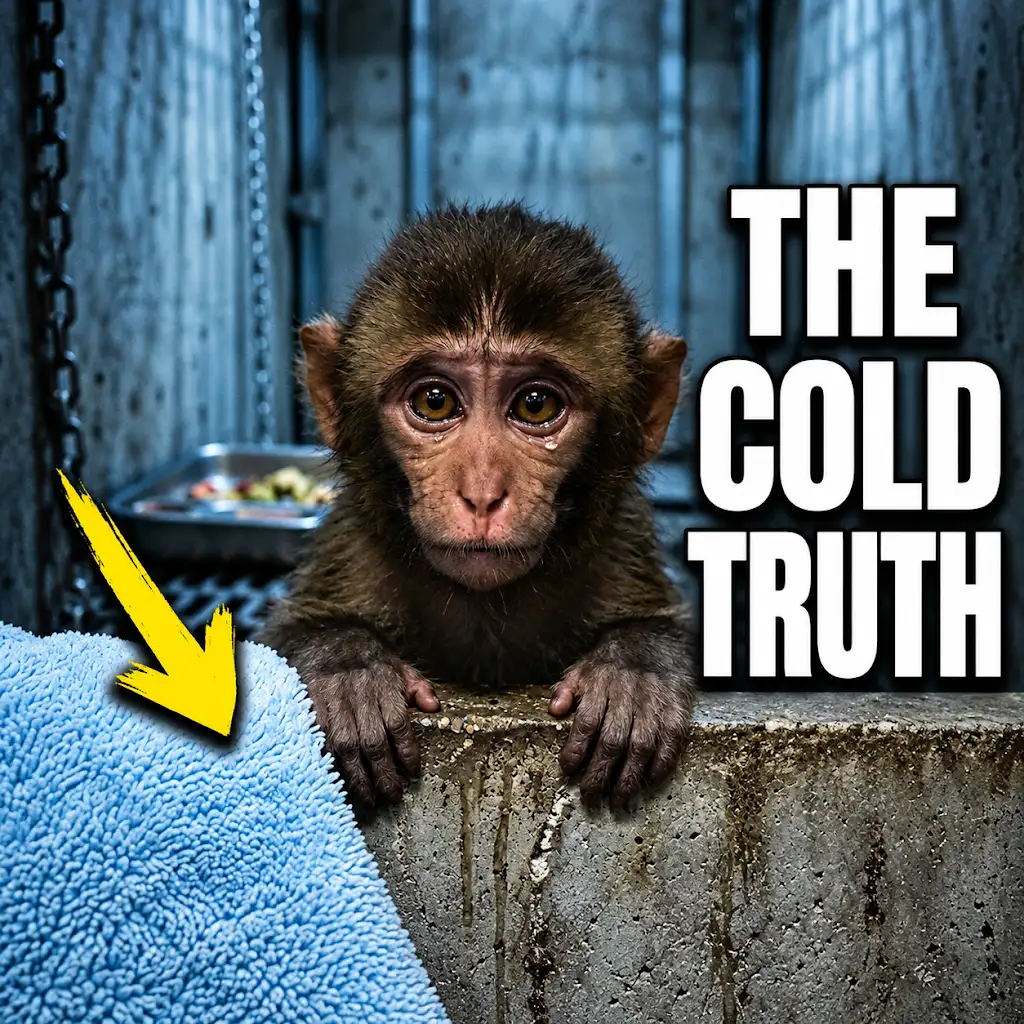
The Dark Reality of the Monkey Comfort Experiment
FAQs
What is attachment theory in psychology?
Attachment theory in psychology is a framework that describes the emotional bond between individuals, particularly between infants and their caregivers. It suggests that early interactions with caregivers shape a person’s ability to form relationships and regulate emotions throughout their life.
How does attachment develop in children?
Attachment in children typically develops through a series of stages, starting with the formation of a bond with primary caregivers during infancy. As children grow, they begin to explore their environment while using their caregivers as a secure base to return to in times of distress. This process helps children develop a sense of security and trust.
What are the different attachment styles identified by psychologists?
Psychologists have identified four main attachment styles: secure attachment, anxious-ambivalent attachment, avoidant attachment, and disorganized attachment. These styles are based on how individuals perceive and respond to relationships, influenced by their early interactions with caregivers.
How does attachment impact adult relationships?
Attachment styles developed in childhood can have a significant impact on adult relationships. For example, individuals with secure attachment styles tend to have healthy, balanced relationships, while those with insecure attachment styles may struggle with intimacy, trust, and emotional regulation in their relationships.
What are some ways to improve attachment security in relationships?
Improving attachment security in relationships can involve developing self-awareness, practicing effective communication, seeking therapy to address past attachment issues, and working on building trust and intimacy with partners. By understanding attachment styles and their impact, individuals can take steps to create healthier and more fulfilling relationships.