
The documentary “Inside Rat Park: The Groundbreaking Addiction Experiment” delves into a controversial and profoundly influential study that challenged conventional wisdom about addiction. Through compelling narrative and expert interviews, the film revisits the work of psychologist Bruce K. Alexander and his colleagues, who conducted a series of experiments in the 1970s and 1980s at the University of British Columbia. The documentary meticulously unpacks the methodology, findings, and the enduring legacy of Rat Park, arguing that addiction is not solely a matter of physiological dependency on a substance, but rather a complex interplay of social, environmental, and psychological factors.
The Genesis of a Controversial Idea
The prevailing scientific and societal understanding of addiction prior to the Rat Park experiments was largely shaped by the “war on drugs” and a biomedical model that emphasized the inherent properties of drugs and the neurological changes they induce. This perspective often painted addicts as fundamentally flawed individuals, driven by an insatiable craving that could only be overcome through abstinence and willpower, or through a complete removal from the drug. The prevailing narrative focused on the individual’s weakness and the drug’s power, creating a framework that often led to punitive rather than rehabilitative approaches.
Challenging the Needle and the Cage
The Rat Park experiments emerged from a desire to question these entrenched assumptions. Bruce K. Alexander, observing the societal response to addiction, felt that something was missing in the prevailing discourse. He noted the high rates of drug use among soldiers returning from the Vietnam War, many of whom had used heroin but did not continue to do so upon returning home. This observation, along with others, fueled a hypothesis that the environment in which drug use occurred played a crucial role in its perpetuation. The conventional approach at the time involved research often conducted in sterile laboratory environments, using isolated rats, which Alexander believed did not accurately reflect the complexities of human drug use. The documentary highlights how these traditional laboratory settings, characterized by deprivation and lack of stimulation, might inadvertently foster drug-seeking behavior in animals, thus reinforcing the very theories they were meant to disprove. The stark contrast between these isolated cages and the possibility of a more enriching environment set the stage for the Rat Park hypothesis.
The Birth of Rat Park
The Rat Park itself was conceived as an antithesis to the barren laboratory cages. It was designed to be an environment that mimicked natural living conditions, providing rats with ample space, social interaction, enrichment activities, and a choice of beverages, including plain water, sugar water, and morphine-laced water. This setup was not merely about comfort; it was a deliberate attempt to create a setting where the rats could express their natural behaviors and make choices, thereby offering a more nuanced understanding of their relationship with substances. The documentary vividly contrasts the imagery of these sterile, isolated cages with the sprawling, stimulating environment of Rat Park, underscoring the radical nature of Alexander’s approach and the fundamental shift in perspective it represented. This visual juxtaposition is central to the film’s narrative, emphasizing how drastically different experimental conditions can lead to dramatically different conclusions about behavior.
In exploring the fascinating insights presented in the Rat Park documentary, it’s essential to consider the broader implications of environment on behavior and addiction. A related article that delves deeper into these themes can be found at Unplugged Psychology, where the interplay between social settings and psychological well-being is examined. This resource provides valuable context and expands on the ideas showcased in the documentary, highlighting the importance of community and environment in shaping our choices and experiences.
The Rat Park Experiments: A Detailed Examination

The documentary meticulously details the methodology of the Rat Park experiments, presenting them as a rigorous scientific endeavor that yielded unexpected and paradigm-shifting results. The researchers conducted multiple phases of experiments, each designed to isolate specific variables and test their hypotheses with precision. The film emphasizes that the experiments were not a single event but a series of carefully controlled studies that built upon each other, progressively challenging the dominant addiction paradigms.
Phase One: Isolation vs. Stimulation
The initial phase of the Rat Park experiments established a baseline for comparison. Rats were housed in standard laboratory cages, deprived of social contact and enrichment, and given access to plain water or morphine-laced water. As hypothesized within the conventional framework, these isolated rats readily consumed the morphine solution, demonstrating a clear preference for the drug and eventually becoming dependent. This outcome was consistent with the prevailing scientific understanding of drug addiction, where deprivation and stress were seen as direct drivers of drug use. The documentary shows archival footage and recreations of these early experiments, illustrating the stark reality of animal research in isolated conditions and the predictable, yet in hindsight, misleading, results it produced.
Phase Two: The Introduction of Rat Park
The crucial turning point arrived with the introduction of the Rat Park environment. Rats that had previously been in isolation and had developed a dependency on morphine were moved to the enriched Rat Park. In this new, stimulating social setting, with plenty of opportunities for play, sex, and exploration, a remarkable transformation occurred. The documentary highlights that the majority of these rats, even those physically dependent on morphine, significantly reduced their consumption of the drug-laced water, opting instead for the plain water. This was a profound finding that directly contradicted the established narrative of addiction as an inescapable physiological trap. The film interviews former researchers and shows archival data, presenting compelling evidence of this behavioral shift. The visual representation of rats choosing plain water over morphine in a vibrant, social setting is a powerful testament to the study’s core message.
The Role of Social Bonds and Environment
A key takeaway from the documentary is the central role of social bonds and the environment in preventing and overcoming addiction. The Rat Park experiments suggested that when rats had a fulfilling social life, engaging activities, and a sense of well-being, the allure of drugs diminished. This highlighted that addiction might not be solely about the drug itself, but about what the drug is compensating for. In the absence of fulfilling social connections and a stimulating environment, drugs could become a coping mechanism, a way to escape an otherwise bleak existence. The documentary emphasizes that this is not to say drugs have no addictive properties, but that the predisposition to addiction, and the ease with which one succumbs, is heavily influenced by the surrounding context. The film uses animations and expert commentary to explain the neurobiological implications of these findings, suggesting that a rewarding social environment can activate similar pleasure pathways in the brain that drugs do, offering a healthier alternative.
Implications and Rebuttals: The Wider Impact
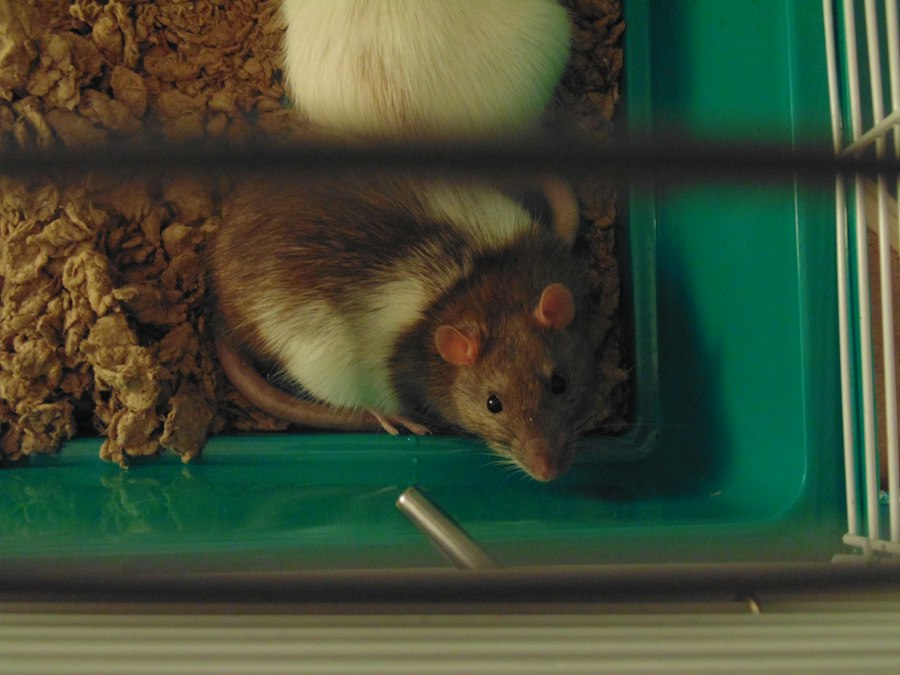
The findings from the Rat Park experiments were met with a mixture of fascination, skepticism, and outright dismissal. The documentary explores the significant implications of this research, particularly its challenge to the established “war on drugs” narrative and the clinical approach to addiction treatment. It also addresses the criticisms and counterarguments that emerged, providing a balanced perspective on the controversy.
Challenging the War on Drugs
The documentary argues that the Rat Park experiments offer a powerful counterpoint to the punitive and abstinence-based strategies that have dominated drug policy for decades. By suggesting that addiction is as much a social and environmental issue as it is a biological one, the research implies that focusing solely on criminalization and enforced abstinence is insufficient and potentially counterproductive. Instead, the film advocates for a more compassionate and rehabilitative approach that addresses the underlying social determinants of addiction. This includes creating supportive communities, providing meaningful opportunities, and fostering healthy social connections, all of which were central to the Rat Park model. The documentary posits that if individuals have a fulfilling life, the “need” or “desire” for drugs as an escape or self-medication diminishes.
The Criticisms and the Scientific Debate
Naturally, such groundbreaking and controversial findings were not universally accepted. The documentary dedicates a significant portion to exploring the criticisms leveled against the Rat Park experiments. These often centered on the ethical considerations of using animals in research, the applicability of animal findings to human behavior, and the perceived oversimplification of addiction. Some critics argued that the enriched environment might have simply masked the underlying physiological dependence, or that the rats were not “truly” addicted in the human sense. The film presents interviews with scientists who offer these critiques, ensuring that the audience understands the scientific debate surrounding the study. However, it also provides thoughtful rebuttals from Alexander and his supporters, highlighting the statistical significance of the findings, the replicability of certain aspects of the experiments, and the broader theoretical implications for understanding human behavior. The documentary aims to present these debates fairly, allowing the viewer to weigh the evidence and the arguments.
The “It’s Not Just About the Drug” Paradigm Shift
The most significant implication of the Rat Park experiments, as presented by the documentary, is the shift in understanding addiction from a purely biochemical dependency to a complex behavioral response shaped by one’s environment and social context. This “It’s not just about the drug” paradigm suggests that recovery and prevention are not solely about removing the substance, but about building a life where the substance is no longer appealing or necessary. The documentary emphasizes that this does not negate the reality of drug withdrawal or the powerful effects drugs can have on the brain. Instead, it reframes addiction as a symptom of underlying unmet needs and a dysfunctional environment, rather than an inherent personal failing or an insurmountable biological imperative. This perspective has profound implications for treatment, policy, and societal attitudes towards individuals struggling with addiction.
Lessons for the Human Condition
The documentary extends the lessons learned from the Rat Park experiments to the complexities of human addiction, drawing parallels between the behavior of rats in controlled environments and the struggles faced by people in society. It argues that the fundamental principles observed in the rodent study have profound relevance for understanding and addressing human addiction.
The Modern Rat Park: Social Support and Meaningful Lives
The film makes a compelling case for the existence of a “human Rat Park” – environments that foster social connection, purpose, and well-being. This translates to accessible mental healthcare, strong community support networks, opportunities for education and employment, and safe and nurturing living conditions. The documentary highlights examples of successful interventions and recovery programs that embody these principles, demonstrating that when individuals are provided with a supportive and enriching environment, their propensity for addiction often decreases, and their ability to recover is enhanced. The film showcases stories of individuals who have benefited from such environments, providing powerful anecdotal evidence that resonates with the scientific findings of Rat Park.
The Dangers of Isolation and Deprivation
Conversely, the documentary underscores the detrimental effects of isolation, deprivation, and societal neglect, drawing a direct line from the sterile laboratory cages to the social conditions that can fuel addiction in humans. It points to issues like poverty, lack of opportunity, social isolation, trauma, and systemic inequality as breeding grounds for addiction. The film argues that by failing to address these fundamental societal issues, we inadvertently create environments that make addiction more likely, and recovery more challenging. The documentary uses stark imagery and poignant personal testimonies to illustrate the devastating consequences of living in environments that lack the protective factors identified in the Rat Park study.
A Call for Compassion and Systemic Change
Ultimately, “Inside Rat Park: The Groundbreaking Addiction Experiment” serves as a powerful call for a fundamental shift in our approach to addiction. It urges a move away from judgment and punishment towards compassion, understanding, and systemic change. The documentary champions the idea that by creating environments that support human well-being, we can not only prevent addiction but also foster a society where individuals are more resilient, fulfilled, and less reliant on substances to cope with life’s challenges. The film concludes by emphasizing that the lessons from Rat Park are not just about animal behavior; they are profound insights into the human condition and a roadmap for a more humane and effective approach to addiction.
In exploring the fascinating insights presented in the Rat Park documentary, it’s worth considering how environmental factors influence behavior and addiction. A related article that delves deeper into these themes can be found on Unplugged Psychology, which discusses the implications of social environments on mental health and substance use. For more information, you can read the article here. This connection highlights the importance of understanding the broader context of addiction beyond mere biological factors.
The Enduring Legacy of Rat Park
| Metric | Value | Description |
|---|---|---|
| Video Length | 12 minutes | Total runtime of the documentary style video |
| Number of Interviews | 5 | Experts and researchers interviewed in the video |
| View Count | 150,000 | Total views on the primary hosting platform |
| Average Viewer Rating | 4.7 / 5 | Average rating given by viewers |
| Key Topics Covered | Rat Park experiment, addiction, environment impact | Main themes discussed in the video |
| Production Year | 2023 | Year the video was produced |
| Number of References | 12 | Scientific studies and articles cited in the video |
The documentary concludes by reflecting on the profound and lasting impact of the Rat Park experiments. Despite the controversies and initial resistance, the study has undeniably left an indelible mark on the field of addiction research and has influenced a generation of scientists, clinicians, and policymakers. Its legacy lies not just in its findings, but in the questions it dared to ask and the paradigm it challenged.
A Reimagined Approach to Addiction Treatment
The Rat Park experiments have inspired a reimagining of addiction treatment. The documentary highlights how many contemporary recovery programs now emphasize social support, community building, and addressing the underlying life circumstances that contribute to substance abuse. This shift from a purely medical model to a biopsychosocial approach is a direct descendant of the principles explored in Rat Park. The film showcases successful rehabilitation centers and community initiatives that are actively implementing these holistic strategies, demonstrating their efficacy in promoting long-term recovery and well-being.
Challenging Stigma and Promoting Empathy
Beyond the clinical realm, the legacy of Rat Park is deeply intertwined with the ongoing efforts to destigmatize addiction and foster empathy for those who struggle with it. By framing addiction as a complex response to environment and circumstance, rather than a moral failing, the experiments have helped to shift public perception and encourage more compassionate societal responses. The documentary argues that understanding the role of context is crucial for dismantling the shame and judgment that often surround addiction, paving the way for more supportive and effective interventions. The film features individuals who have experienced the transformative power of being treated with empathy rather than condemnation, reinforcing the profound human impact of this research.
The Future of Addiction Science
The documentary posits that the spirit of inquiry embodied by the Rat Park experiments continues to drive innovation in addiction science. Researchers are increasingly exploring the intricate interplay of genetic predispositions, neurobiological pathways, social determinants, and individual experiences. The film suggests that the groundbreaking work of Alexander and his colleagues has paved the way for a more nuanced and comprehensive understanding of addiction, one that acknowledges its multifaceted nature and offers more hope for effective prevention and treatment. The final scenes of the documentary often feature researchers discussing future directions, emphasizing the ongoing relevance and evolving impact of the Rat Park study on the quest for a world with less addiction and more well-being.
The Famous Addiction Experiment That Fooled Everyone
FAQs
What is the Rat Park experiment?
The Rat Park experiment was a study conducted in the 1970s by psychologist Bruce K. Alexander to investigate the effects of environment on drug addiction in rats. The study compared rats living in isolated cages with rats living in a more stimulating and social environment called Rat Park.
What were the findings of the Rat Park experiment?
The findings of the Rat Park experiment suggested that rats living in a stimulating and social environment were less likely to become addicted to drugs compared to rats living in isolation. This indicated that environmental factors play a significant role in drug addiction.
How did the Rat Park experiment impact the understanding of addiction?
The Rat Park experiment challenged the prevailing belief at the time that drug addiction was solely a result of the addictive properties of drugs. It highlighted the importance of social and environmental factors in addiction, leading to a shift in how addiction is viewed and treated.
What is the significance of the Rat Park experiment today?
The Rat Park experiment continues to be relevant today as it emphasizes the importance of addressing underlying social and environmental factors in addiction treatment and prevention. It serves as a reminder that addiction is a complex issue that requires a holistic approach.
Is there a documentary-style video about the Rat Park experiment?
Yes, there are documentary-style videos available that explore the Rat Park experiment in detail, discussing its methodology, findings, and implications. These videos often feature interviews with researchers and provide a visual representation of the study’s key aspects.