The Genesis of the Rat Park Experiment
The prevailing understanding of addiction in the mid-20th century was largely shaped by a grim, deterministic view. Addiction was seen as an inevitable consequence of repeated drug exposure, a biological imperative that would inevitably ensnare any individual who indulged. This perspective was heavily influenced by research conducted in the mid-1970s, notably studies by Dr. J. Segal and colleagues. These experiments often confined rats to small cages, providing them with access to morphine, and observed their subsequent compulsive drug-seeking behavior. The results, while consistent with the prevailing theory, were achieved under conditions that were arguably unnatural and isolated. Rats, in these setups, were often alone, deprived of social interaction, environmental enrichment, and the opportunity to engage in natural behaviors. The implication was clear: drugs were so inherently powerful that they would override any natural inclination or environmental factor, leading to addiction in a controlled, yet arguably impoverished, setting.
The seeds of doubt, however, were beginning to sprout in the scientific community. Researchers began to question whether the laboratory environment itself might be contributing to the observed addictive behaviors. Could the extreme isolation and lack of stimulation in typical drug studies be creating a kind of “learned helplessness” or a desperate attempt to self-medicate in an otherwise barren existence? This line of inquiry paved the way for a more nuanced understanding, one that considered the complex interplay between biology, psychology, and environment. It was within this fertile ground of burgeoning skepticism and a desire for more ecologically valid research that Bruce K. Alexander, a Canadian psychologist, began to formulate a radical new approach. He posited that addiction was not simply a matter of a drug’s inherent power, but rather a complex coping mechanism that arose in response to a lack of fulfillment and connection in an individual’s life. This revolutionary idea would soon be put to the test in a groundbreaking series of studies, the most famous of which would come to be known as the Rat Park experiment. Alexander, along with his colleagues, envisioned a research paradigm that moved away from the sterile isolation of traditional labs and embraced a more holistic, humane, and ultimately, more revealing approach to understanding the roots of addiction.
The Rat Park experiment, conducted by psychologist Bruce Alexander in the late 1970s, highlighted the impact of environment on addiction by demonstrating that rats housed in enriched environments were less likely to consume addictive substances compared to those in isolated conditions. For a deeper understanding of the implications of this study and its relevance to addiction treatment, you can read a related article that explores the broader context of environmental factors in psychological health at this link.
Designing the Rat Park Environment
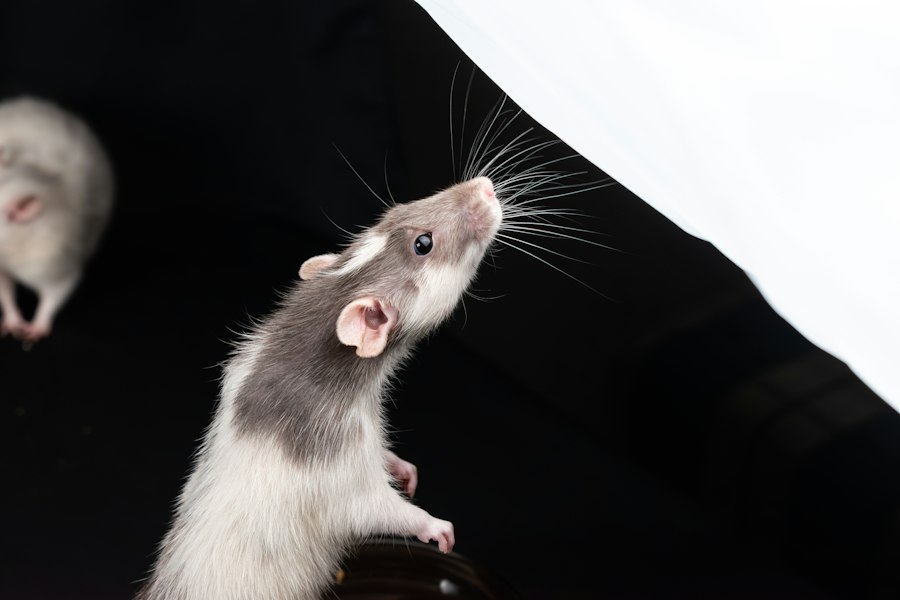
The Rat Park experiment, initiated in the late 1970s and early 1980s, was conceived as a direct challenge to the prevailing paradigm of addiction research. Bruce K. Alexander and his team recognized the limitations of the existing studies, which often involved solitary rats in barren cages exposed to drugs. They argued that such conditions were not representative of real-world circumstances and might artificially inflate the perceived power of drugs. To address this, they designed an innovative experimental environment that aimed to mimic, as closely as possible, a stimulating and socially engaging habitat for rats. This “Rat Park” was a stark departure from the austere laboratory cages of previous research.
A Haven of Enrichment and Socialization
The Rat Park itself was a spacious enclosure, approximately 200 square feet, designed to provide a rich and varied environment for the rats. Unlike the cramped and featureless cages, this space was filled with an array of objects and features that encouraged natural rat behaviors. There were running wheels, allowing the rats to engage in their innate desire for exercise and exploration. Tunnels and tubes provided opportunities for hiding, burrowing, and navigating complex spaces, mirroring their natural inclinations. Chew toys and other objects were available for gnawing and manipulation, stimulating their senses and providing outlets for instinctual behaviors. Importantly, the park was designed to be a social environment. It housed a colony of rats, allowing for natural social interactions, hierarchical structures, and the formation of bonds. This communal living was a crucial element, providing the rats with a rich social tapestry that was absent in previous, solitary confinement studies. The researchers believed that providing a fulfilling and stimulating environment would allow the rats to express their natural preferences and exhibit behaviors that were not solely driven by the pursuit of drugs. This emphasis on environmental and social well-being was a cornerstone of the Rat Park concept, aiming to create a more accurate reflection of how environmental factors could influence an organism’s vulnerability to addiction.
The Dual-Choice Water Bottle Paradigm
Central to the experimental design was the ingenious use of a dual-choice water bottle system. This setup allowed the rats to choose between two distinct types of water: plain, untainted water and water that had been laced with a potent opioid, morphine. This was a critical departure from previous methods where rats were often given no choice but to consume the drug-laced water. In the Rat Park experiment, the rats were offered both options, allowing their preferences to be observed and measured. The morphine solution was prepared at a concentration known to be highly addictive in previous, solitary-confinement studies. However, the crucial element was the context in which this choice was presented. The rats were not deprived of other sources of pleasure or stimulation; they had the Rat Park environment, their social group, and a variety of engaging activities. This “choice architecture” was fundamental to testing Alexander’s hypothesis that addiction is not solely about the drug itself, but about the allure of the drug in the absence of other fulfilling life experiences. The contrast between plain water and the drug-laced water was not merely a pharmacological variable; it was a behavioral indicator of the drug’s perceived value within a given context.
The Experiment Unfolds: Observations and Findings

The Rat Park experiment was conducted over several years, meticulously observing the behavior of rats housed

The Famous Addiction Experiment That Fooled Everyone
FAQs
What was the purpose of the rat park rat colony experiment?
The rat park rat colony experiment was conducted to study the effects of environment on drug addiction in rats. It aimed to investigate whether a stimulating and enriched environment could reduce the likelihood of rats becoming addicted to drugs.
How did the rat park rat colony experiment differ from traditional addiction studies?
The rat park rat colony experiment differed from traditional addiction studies by providing rats with a spacious and stimulating environment filled with toys, wheels, and other rats for social interaction. This contrasted with the typical isolated and barren cages used in traditional studies.
What were the key findings of the rat park rat colony experiment?
The key findings of the rat park rat colony experiment suggested that rats in an enriched environment were less likely to consume morphine-laced water compared to rats in isolated cages. This indicated that environmental factors play a significant role in drug addiction.
How did the rat park rat colony experiment impact the understanding of addiction?
The rat park rat colony experiment challenged the prevailing belief that drug addiction was solely a result of the addictive properties of drugs. It highlighted the importance of social and environmental factors in influencing addictive behaviors, leading to a shift in the understanding of addiction.
What implications did the rat park rat colony experiment have for addiction treatment and prevention?
The rat park rat colony experiment suggested that creating supportive and stimulating environments could be beneficial in preventing and treating addiction. This emphasized the importance of addressing social and environmental factors in addiction interventions, in addition to focusing on individual behaviors.