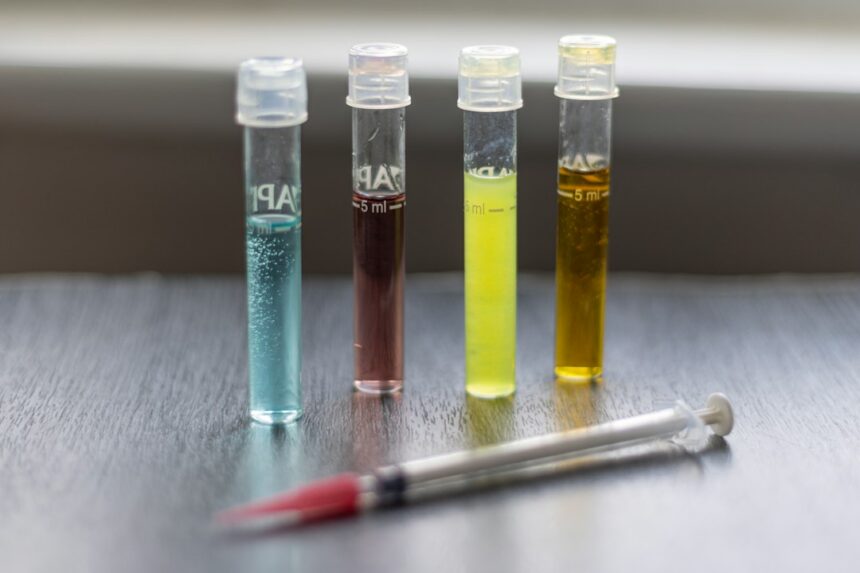
The allure of the ‘Rat Park’ experiments, particularly the fluid preference tests conducted within its enriched environment, has captivated researchers for decades, offering a unique lens through which to examine the complex nature of addiction. These studies, originating in the 1970s and 1980s under the guidance of Dr. Bruce Alexander, challenged prevailing theories that posited addiction as an inevitable consequence of drug exposure. Instead, the Rat Park paradigm suggested that environmental factors, social context, and an individual’s quality of life played a far more significant role than previously acknowledged. The fluid preference tests, a cornerstone of this research, provided compelling evidence that rats, when given a choice between plain water and drug-laced water, exhibited vastly different consumption patterns depending on their living conditions. This article delves into the methodology, findings, and profound implications of these pivotal experiments.
Unveiling the Rat Park: A Haven from Isolation
The genesis of the Rat Park experiments lay in a fundamental dissatisfaction with the prevailing understanding of addiction. At the time, the dominant model was the “skinner box” approach, where rats were isolated in sterile cages and encouraged to self-administer drugs through lever-pressing. These experiments consistently demonstrated that rats, when given the opportunity, would readily consume significant quantities of addictive substances, leading to the conclusion that drugs themselves were inherently addictive and that addiction was a biological imperative triggered by exposure. Dr. Alexander and his colleagues questioned this paradigm, arguing that the impoverished and isolated environment of the conventional laboratory setting might be a confounding factor, creating a state of distress or anhedonia that drove the rats to seek solace in drugs.
The Contrast of Environments: From Cages to Communities
The Rat Park was meticulously designed to be the antithesis of the typical laboratory cage. Instead of solitary confinement, rats were housed in large, communal enclosures that mimicked aspects of their natural habitat. These enclosures were spacious, filled with enrichment items such as chewing toys, tunnels, running wheels, and nesting materials. Crucially, the Rat Park allowed for social interaction. Multiple rats, both male and female, were housed together, fostering a social environment that included opportunities for mating, play, and social grooming. This deliberate creation of a stimulating and socially integrated environment was central to the hypothesis that environmental enrichment could mitigate drug-seeking behavior. The contrast between the barren, isolating laboratory cages and the vibrant, socially complex Rat Park was stark, serving as a powerful visual representation of the differing conditions under which the fluid preference tests would be conducted.
The Significance of Social Bonds and Stimulation
The emphasis on social bonds and environmental stimulation within the Rat Park was not merely an aesthetic choice but a core theoretical component. The researchers hypothesized that if addiction was, at least in part, a response to stress, boredom, and a lack of rewarding experiences, then providing a rich and fulfilling environment with opportunities for positive social interaction and engagement would reduce the likelihood of individuals turning to drugs. In the natural world, animals do not typically self-administer drugs. Instead, they engage in a range of species-specific behaviors that provide satisfaction and fulfillment. The Rat Park aimed to replicate this natural state of being, offering a potent contrast to the deprivations experienced by rats in isolation. This emphasis on social connection and a positive life experience would later be interpreted as a critical factor influencing the observed fluid preferences.
The Rat Park fluid preference test has been instrumental in understanding the effects of environment on substance use and preference in rodents. For a deeper exploration of this topic and its implications for addiction research, you can refer to a related article that discusses the significance of environmental factors in shaping behavior. To read more, visit this article.
The Heart of the Experiment: The Fluid Preference Tests
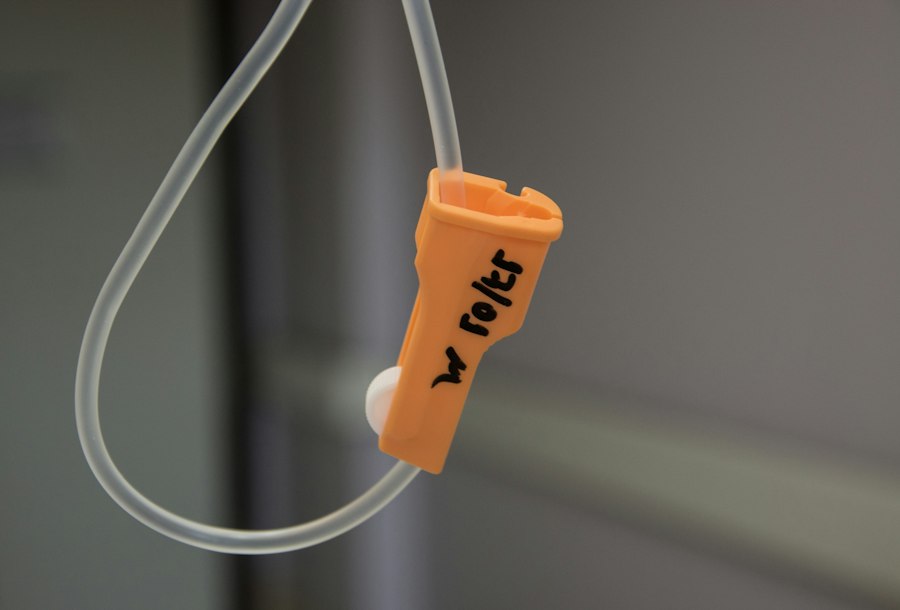
The fluid preference tests were the primary tool employed to measure the impact of the Rat Park environment on drug consumption. These tests were elegantly simple in their design yet profound in their implications. Rats were presented with a choice between two sources of fluid: one containing plain, uncontaminated water, and the other containing water laced with a potent addictive substance, most commonly morphine or cocaine. The key variable was the housing condition of the rats. The control group, as in previous studies, was housed in standard laboratory cages, experiencing isolation and minimal stimulation. The experimental group, in stark contrast, resided in the enriched and socially integrated Rat Park.
The Mechanics of Choice: Offering Two Distinct Paths
In a typical fluid preference test setup, rats would be introduced to a testing chamber equipped with two drinking spouts, each connected to a separate water bottle. One bottle would contain plain water, while the other would contain the drug-solution. The concentration of the drug in the solution was carefully calibrated to be palatable and effective in producing psychoactive effects, mirroring the concentrations that had previously led to high self-administration rates in isolated rats. The rats were allowed free access to both spouts for a designated period, and their consumption of each fluid was meticulously measured. This allowed researchers to quantify the proportion of water versus drug-solution consumed by each rat. The design was intended to directly assess whether the rats actively chose the drug, or if their consumption was a passive consequence of the drug being made available in an otherwise unappealing existence.
Measuring Consumption: A Quantitative Approach to Behavior
The quantitative measurement of fluid intake was paramount. Researchers would carefully track the volume of each liquid consumed by individual rats over a specific timeframe, typically spanning several days or even weeks. This data allowed for a direct comparison of drug-water versus plain-water intake for each rat. The researchers were not simply looking for whether rats drank the drug-laced water; they were interested in the proportion of their total fluid intake that was comprised of the drug. A high proportion of drug-water consumption would indicate a strong preference for the drug, while a low proportion, or even a complete avoidance of the drug-laced fluid, would suggest a lack of preference or even aversion. This meticulous data collection provided the empirical foundation for the study’s groundbreaking conclusions.
The Revealing Results: A Shift in Drug-Seeking Behavior
The results of the Rat Park fluid preference tests were, to say the least, revolutionary. They directly challenged the established narrative of addiction as an inescapable biological trap. The stark differences in consumption patterns between the rats housed in isolation and those living in the Rat Park provided powerful evidence for the role of environmental and social factors in shaping drug-seeking behavior. The findings were consistent and reproducible across multiple experimental runs, solidifying their significance within the scientific community.
Isolated Rats: A Predictable Path to Dependence
The rats housed in the conventional, barren laboratory cages exhibited behavior consistent with previous studies. When presented with the choice, these isolated rats showed a marked preference for the drug-laced water. They would consume significant quantities of the morphine or cocaine solution, often to the exclusion of plain water. This consumption led to the development of physical dependence, where the rats would experience withdrawal symptoms if the drug was removed. This outcome appeared to validate the prevailing view that drug exposure, particularly in a vulnerable state, inevitably led to addiction. The sterile environment, devoid of any positive stimuli or social interaction, seemed to create a void that the drugs readily filled.
Rat Park Inhabitants: A Preference for Life’s Richness
In striking contrast, the rats residing in the Rat Park, with their enriched environment and thriving social communities, displayed a dramatically different pattern of behavior. When offered the choice between plain water and drug-laced water, these rats overwhelmingly opted for the plain water. They consumed very little of the drug solution, and in many cases, none at all. Crucially, they did not develop physical dependence on the drugs, even when exposed to them. This suggested that the presence of a fulfilling life – characterized by social engagement, opportunities for play, and a generally stimulating existence – significantly diminished or even eliminated the motivation to seek out and consume addictive substances. The drug, in this context, lost its allure when contrasted with the inherent rewards of their environment.
The Absence of Addiction: A Question of Choice and Context
The most profound takeaway from the Rat Park fluid preference tests was the demonstration that addiction was not an inevitable outcome of drug exposure. Instead, it appeared to be a choice, heavily influenced by the rat’s overall life experience. The isolated rats, likely experiencing stress, boredom, and a lack of positive reinforcement, found the drugs to be a compelling escape or a source of artificial pleasure. The Rat Park rats, on the other hand, had their needs met by their environment and social connections. They found fulfillment in their interactions, their play, and their exploration. Consequently, the drugs held little appeal. This suggested that the “addict” was not simply a victim of a drug’s chemistry but often an individual seeking relief from a difficult or unrewarding existence.
Broader Implications: Redefining Addiction’s Roots
The findings from the Rat Park fluid preference tests sent ripples through the fields of psychology, pharmacology, and public health. They offered a radical re-evaluation of what constitutes addiction and suggested that the traditional focus on the drug itself might be missing a crucial piece of the puzzle. The concept of “addiction as a social disease” or a “disease of despair” began to gain traction, shifting the focus from individual pathology to societal conditions.
Beyond the Biology: The Social and Environmental Determinants
The experiments strongly implied that addiction was not solely a biological phenomenon, dictated by neurochemical pathways and genetic predispositions. While these factors undoubtedly play a role, the Rat Park studies highlighted the profound influence of social determinants and environmental factors. Poverty, social isolation, lack of opportunity, trauma, and stress were all identified as potential environmental contributors to addiction. By creating an environment that fostered well-being, social connection, and a sense of purpose, the Rat Park demonstrated a potential pathway to reducing addiction rates. This perspective encouraged a shift from a purely medical model of addiction to a more holistic one that acknowledged the interplay between biology, psychology, and socio-environmental context.
From Laboratory to Society: Applying the Lessons of Rat Park
The implications of the Rat Park experiments extended far beyond the laboratory. They offered a compelling argument for public health interventions that focused on creating supportive communities, reducing social isolation, and providing meaningful opportunities for individuals. Instead of solely focusing on punitive measures or individual willpower, the research suggested that investing in social programs, mental health services, and creating environments that foster well-being could be more effective in preventing and treating addiction. The idea that a “good life” could be a powerful antidote to addiction resonated with many, prompting a re-examination of societal structures and policies that might inadvertently contribute to the conditions that foster substance abuse.
Challenges and Criticisms: A Necessary Scientific Dialogue
As with any groundbreaking research, the Rat Park experiments were not without their critics and challenges. Some researchers argued that the enriched environment might have masked the underlying biological predisposition to addiction, or that the specific drugs used might not fully represent the spectrum of addictive substances. Others questioned the direct applicability of animal models to human behavior, citing the complexity of human social structures and decision-making. However, these criticisms did not invalidate the core findings. Instead, they fueled further research and a more nuanced understanding of addiction, prompting a richer scientific dialogue about the interplay of genetic, environmental, and social factors. The Rat Park studies, by their very nature, invited this deeper exploration.
The Rat Park fluid preference test has been instrumental in understanding the effects of environment on substance use behavior in rodents. This innovative approach highlights how social and environmental factors can influence drinking preferences, particularly in relation to addictive substances. For those interested in exploring this topic further, a related article discusses the implications of these findings on human addiction and behavior, which can be found here. This connection underscores the importance of considering environmental contexts when studying addiction.
The Enduring Legacy: A Paradigm Shift in Understanding
| Group | Number of Rats | Fluid Type | Average Consumption (ml/day) | Preference Percentage (%) | Test Duration (days) |
|---|---|---|---|---|---|
| Isolated Rats | 10 | Water | 20 | 40 | 14 |
| Isolated Rats | 10 | Sucrose Solution | 30 | 60 | 14 |
| Rat Park Rats | 10 | Water | 35 | 70 | 14 |
| Rat Park Rats | 10 | Sucrose Solution | 15 | 30 | 14 |
The Rat Park fluid preference tests, despite being conducted decades ago, continue to hold significant relevance in contemporary discussions about addiction. They represent a pivotal moment in the scientific understanding of this complex phenomenon, shifting the focus from a purely drug-centric view to a more comprehensive appreciation of the factors that contribute to an individual’s vulnerability or resilience to addiction. The legacy of Rat Park lies in its courageous challenge to established dogma and its profound insight into the human need for connection, purpose, and a life worth living.
A Call for Compassionate Intervention
The most enduring legacy of the Rat Park experiments is the call for a more compassionate and evidence-based approach to addiction. By demonstrating that addiction is not an insurmountable biological imperative but often a response to adverse life circumstances, the research encourages empathy and understanding rather than judgment. It suggests that addressing the root causes of distress – such as poverty, isolation, trauma, and lack of opportunity – is as crucial as providing addiction treatment. The Rat Park offers a vision of a society that prioritizes well-being and provides individuals with the resources and support they need to thrive, thereby reducing the likelihood of turning to drugs for solace.
The Continued Relevance of Environmental Factors
Even with advancements in neurobiology and genetics, the importance of environmental factors highlighted by the Rat Park studies remains undeniable. The research continues to inform public health policy, mental health initiatives, and addiction treatment strategies. The concept of “harm reduction,” which seeks to minimize the negative consequences of drug use while acknowledging its existence, is conceptually aligned with the Rat Park’s emphasis on creating supportive environments. The ongoing exploration of how social support networks, community engagement, and access to fulfilling activities can mitigate addiction risk is a direct descendant of the insights gleaned from these seminal experiments.
A Foundation for Future Research
The Rat Park fluid preference tests laid a crucial foundation for subsequent research into addiction. They spurred further investigations into the neurobiological underpinnings of reward and stress, the impact of early life experiences on addiction vulnerability, and the efficacy of various therapeutic interventions. While the scientific landscape has evolved, the fundamental questions raised by Bruce Alexander and his colleagues about the interplay of environment, social context, and drug use continue to drive inquiry. The elegant simplicity of the fluid preference tests, when applied within the thoughtfully constructed Rat Park environment, provided a powerful empirical basis for understanding that a life enriched is a life less susceptible to the clutches of addiction.

The Famous Addiction Experiment That Fooled Everyone
FAQs
What is the rat park fluid preference test?
The rat park fluid preference test is an experiment conducted on rats to study the effects of environment on drug addiction. It involves giving rats the choice between water and a drug solution in a stimulating and enriched environment.
Who conducted the rat park fluid preference test?
The rat park fluid preference test was conducted by psychologist Bruce K. Alexander and his colleagues in the 1970s at Simon Fraser University in Canada.
What were the results of the rat park fluid preference test?
The results of the rat park fluid preference test showed that rats in the enriched environment of “rat park” were less likely to become addicted to drugs compared to rats in isolated and barren cages. The rats in rat park consumed less of the drug solution and showed less signs of addiction.
How did the rat park fluid preference test impact the understanding of addiction?
The rat park fluid preference test challenged the prevailing view that addiction is solely a result of the drug’s chemical hooks. It highlighted the importance of social and environmental factors in the development of addiction.
What implications does the rat park fluid preference test have for addiction treatment?
The rat park fluid preference test suggests that addressing social and environmental factors, such as providing a supportive and stimulating environment, may be crucial in addiction treatment and prevention. It emphasizes the need to consider holistic approaches to tackling addiction.