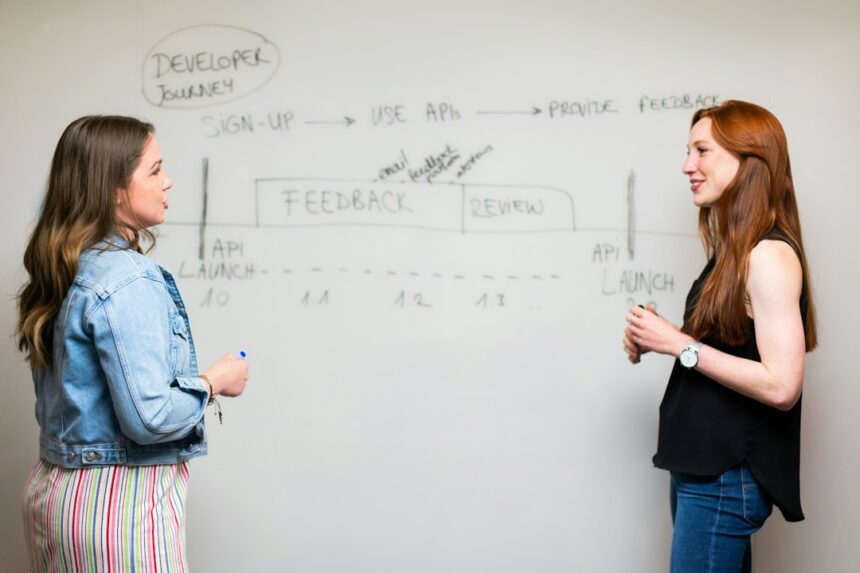
The efficacy of any educational endeavor hinges significantly on the intricate interplay between teacher feedback and student expectations. These two fundamental pillars, when properly aligned and skillfully implemented, can serve as powerful catalysts for learning, fostering an environment where students feel understood, motivated, and capable of achieving their full potential. Conversely, a disconnect in either area can lead to disillusionment, diminished engagement, and ultimately, academic underperformance. This article delves into the multifaceted nature of teacher feedback and student expectations, exploring their reciprocal influence and offering insights into how educators can leverage them to cultivate a more robust and rewarding learning experience.
The Power of Constructive Feedback
Teacher feedback is far more than simply marking errors; it is a dynamic process of communication that guides student learning and development. Effective feedback is timely, specific, actionable, and constructive, providing students with clear insights into their strengths and areas for improvement. It acts as a roadmap, helping learners navigate the complexities of a subject, understand their progress, and set realistic goals for future learning. Without well-delivered feedback, students may struggle to identify their own missteps, leading to the perpetuation of errors and a sense of stagnation. The educator’s role in this process is crucial, requiring careful consideration of the type, frequency, and delivery method of feedback to maximize its impact.
Types of Feedback and Their Impact
Feedback can manifest in various forms, each carrying its own distinct influence on student learning. Evaluative feedback, often seen in the form of grades or marks, provides a summative judgment of a student’s performance. While important for tracking progress, it can sometimes be perceived as final and discouraging if not accompanied by more diagnostic information. Diagnostic feedback, on the other hand, aims to identify the root causes of errors and misunderstandings. This type of feedback is invaluable for pinpointing specific conceptual gaps or skill deficiencies, allowing students to target their remediation efforts effectively. For instance, a teacher might provide diagnostic feedback on a math problem by not just stating the answer is incorrect, but by explaining why it is incorrect, perhaps by highlighting a misunderstanding of a particular formula or procedure.
Formative feedback, a cornerstone of effective pedagogy, is delivered during the learning process to guide ongoing development. It is often informal, conversational, and focuses on providing students with the information they need to improve their current work and future learning. This might include verbal comments during class discussions, written notes on drafts, or peer feedback sessions. The emphasis here is on helping students understand their learning journey in real-time, enabling them to make adjustments and deepen their comprehension before formal assessment. The goal is not to assign blame, but to illuminate the path forward.
Crafting Feedback That Resonates
The art of crafting resonant feedback lies in its specificity and actionability. Vague comments like “good job” or “needs improvement” offer little in the way of guidance. Instead, educators should strive to provide feedback that points to specific instances of success or areas requiring attention. For example, instead of saying “your essay is well-written,” a teacher might comment, “Your introduction effectively hooks the reader with a compelling anecdote, and your thesis statement is clear and concise. To further strengthen your argument in the body paragraphs, consider providing more concrete evidence to support your claims.” This level of detail empowers students to understand precisely what they are doing well and where they can focus their efforts for growth.
Furthermore, feedback should be actionable, meaning it should provide students with clear steps they can take to improve. If a student is struggling with a particular grammatical concept, feedback might include a suggestion to review specific rules or practice exercises. If a creative writing piece lacks development, feedback might suggest exploring character motivations or sensory details. The ultimate aim is to equip students with the tools and knowledge to self-correct and to become more independent learners. This involves not just identifying problems, but offering solutions and strategies for overcoming them.
The Role of Digital Tools in Feedback Delivery
The advent of digital technologies has revolutionized the way teachers deliver feedback. Online learning platforms, learning management systems, and specialized feedback tools offer educators a range of options for providing timely and personalized feedback. Digital annotations, audio or video feedback, and automated assessment tools can streamline the feedback process, allowing teachers to reach more students more efficiently. These tools can also facilitate peer feedback, fostering collaborative learning and encouraging students to critically analyze each other’s work. The accessibility of digital feedback can also be a significant advantage, allowing students to review comments and make revisions at their own pace and convenience.
However, it is crucial to remember that technology is a tool, not a substitute for human connection. While digital platforms can enhance feedback delivery, they should not replace the empathetic and encouraging tone that a teacher can convey. The human element remains paramount, ensuring that feedback is perceived as supportive and developmental, rather than purely technical or impersonal. Educators must strike a balance, leveraging the efficiency of technology while preserving the warmth and personal touch that fosters strong student-teacher relationships.
Effective teacher feedback and clear expectations play a crucial role in enhancing student learning outcomes. For a deeper understanding of how these elements can influence student performance, you may find the article on teacher feedback and expectations insightful. It discusses various strategies that educators can employ to provide constructive feedback and set clear expectations for their students. To read more about this topic, visit the article at this link.
Setting the Stage: Teacher Expectations
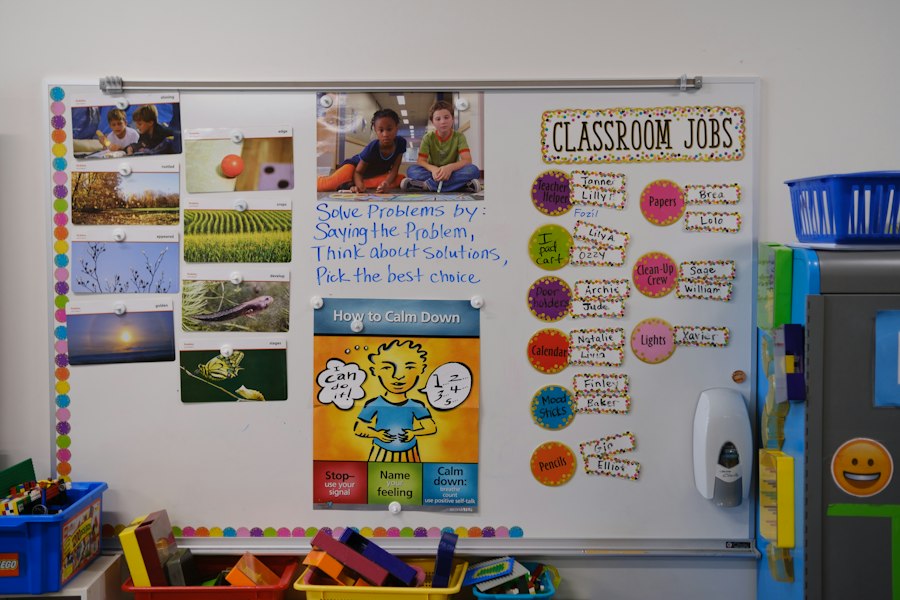
Teacher expectations, both explicit and implicit, play a profound role in shaping student performance and attitudes towards learning. What educators believe about their students’ capabilities can become a self-fulfilling prophecy, influencing how they interact with students, the tasks they assign, and the level of support they provide. High, yet realistic, expectations can inspire students to strive for excellence, while low expectations can inadvertently limit their potential and lead to disengagement. The congruence between a teacher’s expectations and a student’s perceived capabilities is a delicate balance that requires careful management.
The Pygmalion Effect and Its Influence
The phenomenon known as the Pygmalion effect, or the Rosenthal effect, vividly illustrates the power of teacher expectations. This psychological principle suggests that higher expectations lead to an increase in performance, while lower expectations lead to a decrease. When teachers hold positive beliefs about a student’s potential, they tend to offer more opportunities, provide more challenging tasks, give more positive reinforcement, and spend more time interacting with that student. Conversely, if a teacher implicitly or explicitly believes a student is unlikely to succeed, they may unintentionally provide less attention, fewer opportunities, and more discouraging feedback, thus contributing to the student’s underperformance. Understanding this effect is critical for educators seeking to create equitable and effective learning environments for all students.
It is imperative for educators to be aware of their own biases and assumptions. These can be unconscious, stemming from prior experiences, stereotypes, or even simply the way a student presents themselves. Proactive self-reflection and a commitment to treating every student as an individual with unique strengths and potential are vital steps in mitigating the negative impacts of unwarranted low expectations.
Communicating Expectations Clearly
Effective communication of expectations is paramount. Students need to understand precisely what is expected of them in terms of academic performance, classroom behavior, and effort. This clarity not only reduces confusion and anxiety but also empowers students to take ownership of their learning. Expectations should be articulated in a way that is accessible and understandable to all students, considering their diverse learning styles and backgrounds. This might involve setting clear learning objectives for each lesson or unit, outlining the criteria for successful completion of assignments, and establishing clear guidelines for classroom conduct.
Beyond academic benchmarks, teachers should also communicate expectations regarding effort and engagement. Encouraging students to persevere through challenges, to ask questions when they are unsure, and to actively participate in learning activities are crucial components of fostering a growth mindset. When students understand that their effort is valued and that challenges are opportunities for learning, they are more likely to embrace the learning process with enthusiasm and resilience. Explicitly discussing the importance of these qualities can be just as impactful as outlining academic standards.
Fostering Realistic Expectations in Students
Alongside setting high expectations, teachers also have a responsibility to help students develop realistic expectations for themselves. This involves guiding students to understand their own strengths and weaknesses, to set achievable goals, and to celebrate progress along the way. It’s about fostering a sense of self-efficacy, where students believe in their ability to learn and to overcome challenges. This process often involves providing opportunities for students to self-assess their work, reflect on their learning strategies, and adjust their goals based on their experiences.
Encouraging a growth mindset is fundamental to this aspect. A growth mindset, as conceptualized by Dr. Carol Dweck, is the belief that abilities and intelligence can be developed through dedication and hard work. When students embrace this perspective, they view challenges not as insurmountable obstacles but as opportunities to learn and grow. Teachers can cultivate this mindset by framing mistakes as learning experiences, praising effort and strategies rather than innate ability, and providing constructive feedback that emphasizes progress and improvement.
The Symbiotic Relationship Between Feedback and Expectations

The relationship between teacher feedback and student expectations is not a one-way street; it is a dynamic and reciprocal interaction. The quality and nature of the feedback provided directly influence a student’s expectations of themselves and their academic journey. Similarly, a student’s existing expectations can impact how they receive and interpret feedback from their teacher. Understanding this symbiosis is crucial for optimizing the learning environment.
How Feedback Shapes Future Expectations
When students receive regular, constructive, and encouraging feedback, their expectations for their own capabilities tend to rise. Positive reinforcement for effort and progress validates their hard work and instills confidence. Conversely, consistently receiving negative or unhelpful feedback can lead to diminished expectations, a sense of hopelessness, and a reluctance to engage in future learning. For example, a student who receives specific feedback on how to improve their writing and sees tangible progress is likely to expect that they can indeed become a better writer, and will approach future writing tasks with more optimism.
Conversely, a student who receives only grades without any explanation of where they went wrong, or who is told they are “not good at math,” may internalize these messages and develop low expectations for their future academic performance in that subject. This can lead to a self-fulfilling prophecy where the student avoids engaging with the material, reinforcing the initial low expectation. Therefore, the careful and thoughtful delivery of feedback is a powerful tool for cultivating positive and aspirational student expectations.
The Influence of Student Expectations on Feedback Reception
A student’s preconceived notions about their abilities and the subject matter can significantly influence how they perceive and react to feedback. A student with high expectations for themselves, coupled with a belief in their ability to learn, is likely to approach feedback with an open mind, viewing it as an opportunity for growth. They will actively seek to understand the feedback, ask clarifying questions, and implement the suggestions.
On the other hand, a student with low expectations or a fixed mindset may interpret feedback, even if constructive, as confirmation of their perceived limitations. They might become defensive, dismissive, or discouraged, believing that the feedback means they are inherently incapable of improvement. For instance, a student who believes they are inherently “bad at science” might see a teacher’s detailed explanation of a scientific concept as proof that the subject is too difficult for them, rather than as helpful guidance. Educators must be mindful of these potential barriers and tailor their approach to feedback delivery to address students’ existing expectations and mindsets.
Aligning Feedback and Expectations for Optimal Learning
The most effective learning environments are those where teacher feedback and student expectations are not only aligned but also mutually reinforcing. This alignment involves teachers setting high yet attainable expectations and then providing consistent, specific, and actionable feedback that helps students meet and exceed those expectations. It also involves helping students develop realistic and growth-oriented expectations for themselves.
This synergy is achieved when feedback is framed not as a judgment of inherent ability, but as a guide for development. When teachers communicate belief in a student’s capacity to learn and improve, and then provide the necessary support and feedback to facilitate that improvement, students are empowered to take ownership of their learning journey. This leads to increased motivation, greater resilience in the face of challenges, and ultimately, more profound and lasting academic achievement. The educator acts as a sculptor, shaping the student’s belief in their own potential through the careful application of their expertise and encouragement.
Strategies for Enhancing Teacher Feedback and Expectations
To harness the full power of teacher feedback and student expectations, educators can implement a range of strategic approaches. These strategies focus on fostering clarity, consistency, and a supportive learning environment where students feel empowered to grow and succeed. By proactively addressing these key areas, teachers can cultivate a more dynamic and effective educational experience for all.
Cultivating a Growth Mindset Culture
A fundamental strategy is to cultivate a classroom culture that embraces a growth mindset. This involves explicitly teaching students about the malleability of intelligence and abilities, emphasizing that effort, strategy, and perseverance are key to learning. Teachers can achieve this by:
- Praising Effort and Strategy: Instead of praising innate talent (“You’re so smart!”), focus on praising the effort and strategies students employ (“You worked really hard on that problem, and your approach to breaking it down was very effective.”).
- Normalizing Mistakes: Frame errors and failures as opportunities for learning and growth. Discussing how challenges have led to breakthroughs for notable individuals can be inspiring.
- Providing Constructive Feedback: Ensure feedback focuses on specific areas for improvement and offers actionable strategies, reinforcing the idea that learning is a process of development.
- Encouraging Persistence: Create opportunities for students to tackle challenging tasks and provide support and encouragement as they work through them, celebrating their resilience.
Implementing Differentiated Feedback and Support
Recognizing that students learn at different paces and have varying needs, differentiated feedback and support are essential. This involves tailoring feedback and the level of support provided to individual student needs. Strategies include:
- Varying Feedback Modalities: Offer feedback in different formats, such as written comments, verbal discussions, audio recordings, or even visual aids, to cater to diverse learning preferences.
- Tiered Assignments and Support: Provide assignments with varying levels of complexity and offer targeted support to students who require it, ensuring that all students can access challenging material and achieve success.
- Individualized Goal Setting: Work with students to set personal learning goals that are challenging yet achievable, fostering a sense of ownership and motivation.
- Scaffolding Learning: Provide structured support and guidance for complex tasks, gradually removing the scaffolding as students develop the necessary skills and confidence.
Fostering Open Communication and Student Voice
Creating an environment of open communication where students feel comfortable expressing their thoughts, concerns, and questions is vital. This involves actively soliciting student feedback on the learning process itself. Strategies include:
- Regular Check-ins: Conduct informal check-ins with students to gauge their understanding and identify any challenges they may be facing.
- Student-Led Conferences: Empower students to lead conferences with their teachers and parents, where they can discuss their progress, set goals, and articulate their learning needs.
- Anonymous Feedback Mechanisms: Provide channels for anonymous feedback, such as suggestion boxes or online surveys, to encourage honest input.
- Active Listening: Practice active listening skills to truly understand students’ perspectives and concerns, responding with empathy and respect. Encouraging students to articulate their own understanding of expectations and their progress towards them can be incredibly powerful.
Effective teacher feedback plays a crucial role in shaping student expectations and enhancing learning outcomes. A recent article discusses how constructive feedback can empower students to take ownership of their learning journey. For more insights on this topic, you can read the article on teacher feedback and its impact on student motivation and achievement at Unplugged Psych. By understanding the dynamics of feedback, educators can create a more supportive and engaging classroom environment.
Conclusion: The Enduring Impact of Thoughtful Pedagogy
| Metric | Description | Typical Measurement | Example Value |
|---|---|---|---|
| Feedback Frequency | How often teachers provide feedback to students | Number of feedback instances per week | 3 times/week |
| Feedback Timeliness | Average time taken to return feedback after assignment submission | Days | 2 days |
| Clarity of Expectations | Degree to which students understand teacher expectations | Student survey rating (1-5) | 4.2 |
| Constructive Feedback Rate | Percentage of feedback that includes actionable suggestions | Percentage (%) | 85% |
| Student Satisfaction with Feedback | Student satisfaction level regarding the feedback received | Survey rating (1-10) | 8.1 |
| Expectation Alignment | Degree of alignment between teacher expectations and student perceptions | Percentage (%) agreement | 78% |
| Feedback Mode | Common methods used for providing feedback | Qualitative | Written comments, verbal, digital platforms |
The interconnectedness of teacher feedback and student expectations represents a critical nexus in the educational landscape. When educators approach these elements with intentionality, clarity, and a commitment to fostering a growth-oriented environment, they unlock the potential for profound student growth. Thoughtful feedback, delivered with precision and empathy, illuminates the path for learning, while well-defined and encouraging expectations provide the motivation and belief necessary to traverse that path. By continuously refining their practices in these areas, educators can not only enhance academic outcomes but also cultivate resilient, self-aware, and lifelong learners, equipped to navigate the complexities of the world beyond the classroom. The ongoing dialogue between what a teacher expects and how they guide students through feedback is a cornerstone of effective teaching, shaping not just what students know, but who they become.

The Famous IQ Study That Fooled the World
FAQs
What is teacher feedback?
Teacher feedback is the information provided by educators to students regarding their performance, progress, and areas for improvement. It can take various forms, such as written comments, verbal discussions, or grades on assignments.
How can teacher feedback impact student learning?
Teacher feedback plays a crucial role in student learning as it helps students understand their strengths and weaknesses, guides them on how to improve, and motivates them to strive for better results. Constructive feedback can enhance student engagement and academic achievement.
What are some common types of teacher feedback?
Common types of teacher feedback include praise for a job well done, constructive criticism on areas needing improvement, specific suggestions for enhancement, and guidance on how to meet learning objectives. Feedback can be given in written form, during one-on-one discussions, or through group feedback sessions.
How do teacher expectations influence student performance?
Teacher expectations can significantly impact student performance. When teachers have high expectations for their students, students are more likely to rise to meet those expectations. Conversely, low expectations can lead to decreased motivation and achievement. It is important for teachers to set challenging yet attainable goals for their students.
Why is it important for teachers to provide clear and timely feedback?
Clear and timely feedback is essential for student growth and development. It allows students to understand where they stand, what they need to work on, and how they can improve. Feedback given promptly enables students to make necessary adjustments and progress in their learning journey effectively.