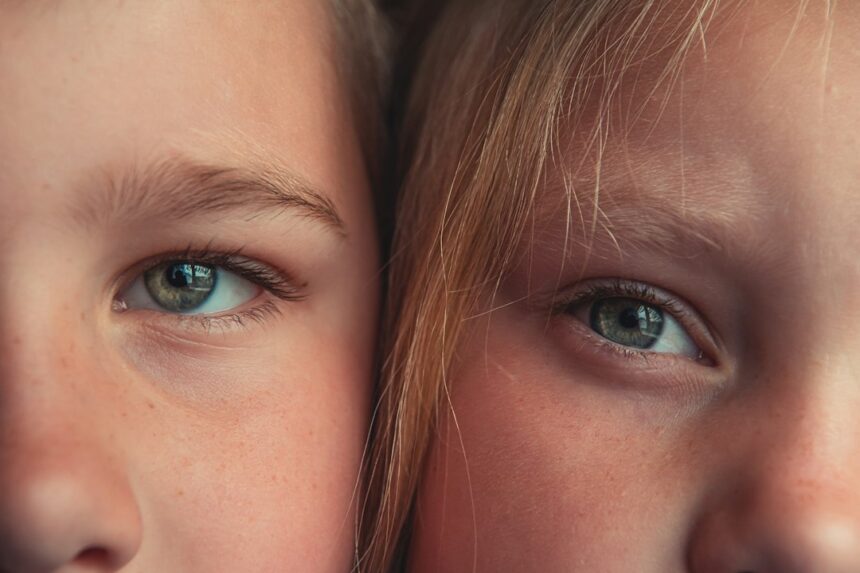
The enigma of identical twins, those remarkable individuals who share the same genetic blueprint, often sparks curiosity about their similarities and, perhaps more intriguingly, their differences. While their identical DNA suggests they should be carbon copies of each other, life’s tapestry weaves a far more complex narrative. The reality is that even the most genetically alike siblings can diverge in profound ways, shaped by a dynamic interplay of subtle genetic variations, the multifaceted influences of their environment, and the uniquely personal journeys each undertakes. Understanding these divergences offers a profound insight into the nature versus nurture debate and the intricate mechanisms that sculpt individual identity.
The Myth of Genetic Monotony
The foundation of identical twins’ genetic sameness lies in their origin: a single fertilized egg that splits into two embryos. This process, known as zygotic splitting, results in individuals who are essentially clones of each other, sharing nearly 100% of their DNA. This genetic congruence is the bedrock of their striking physical resemblances and predispositions to certain traits and conditions. However, the notion that identical genes translate into identical outcomes is a simplification that overlooks the nuances of genetic expression and the biological realities of development.
Epigenetic Sculpting: Beyond the DNA Sequence
While the DNA sequence remains constant, the way genes are expressed can be altered through epigenetic modifications. These modifications, which do not change the underlying DNA code but rather affect gene activity, are highly dynamic and can be influenced by a multitude of factors. Epigenetics acts as a crucial layer of regulation, determining which genes are “turned on” or “turned off” and to what extent. In identical twins, subtle differences in their environments and experiences can lead to distinct epigenetic patterns, influencing everything from disease susceptibility to personality traits. For instance, one twin might experience a more stressful upbringing, leading to epigenetic changes that predispose them to anxiety, while the other, raised in a more nurturing environment, may not develop the same vulnerabilities. These epigenetic variations, though not coded in the DNA itself, are heritable to daughter cells within an individual, and can accumulate over time, creating subtle but significant biological divergences.
Somatic Mutations: Tiny Errors, Big Consequences
During cell division, which occurs trillions of times throughout a person’s life, small errors, known as somatic mutations, can arise. These mutations occur in individual cells after the zygotic splitting, meaning they are not present in the original fertilized egg. While most somatic mutations are benign and have no observable effect, in rare cases, they can accumulate and contribute to differences between identical twins. These could manifest as subtle variations in physical appearance or, more significantly, in the development of certain diseases. For example, a somatic mutation in a specific gene in one twin might increase their risk of developing a particular type of cancer, while the other twin, lacking that mutation, remains unaffected. The sheer number of cell divisions over a lifetime provides ample opportunity for these minor genetic alterations to occur, creating a mosaic of genetic profiles within each twin, despite their shared starting point.
Identical siblings, despite sharing the same genetic makeup, often exhibit distinct personalities, preferences, and behaviors due to a combination of environmental influences and individual experiences. This phenomenon is explored in depth in the article “Why Identical Twins Are Different” on Unplugged Psych, which discusses the impact of factors such as upbringing, social interactions, and personal choices on the development of identical siblings. To learn more about this intriguing topic, you can read the article here: Why Identical Twins Are Different.
Environmental Echoes: The World They Share and Don’t Share

The environment in which twins grow and develop plays an indispensable role in shaping their individuality. Even when raised in the same household, twins are not exposed to identical environmental stimuli. The subtle differences in their upbringing, social interactions, and even their physical surroundings can leave lasting imprints on their development.
Intrauterine Influences: The Womb’s First Imprint
The prenatal environment, the period within the mother’s womb, can also contribute to differences between identical twins. Even in utero, twins do not share an entirely identical space. Factors such as the position of each twin in the uterus, the distribution of nutrients and oxygen, and even exposure to different levels of hormones can lead to subtle developmental variations. For example, one twin might be positioned in a way that receives slightly less blood flow, potentially impacting their growth or neurological development in minor ways. Furthermore, if the placenta is not perfectly divided, there can be slight differences in nutrient and oxygen supply to each twin, leading to differing birth weights or developmental trajectories. These early environmental exposures, occurring before birth, can set the stage for future divergences.
Nurture’s Nuances: Beyond the Shared Household
While identical twins often share the same parents, home, and schooling, the concept of “shared environment” is rarely truly identical. Each twin interacts with their parents and siblings differently. They may have different friendships, experience different academic challenges, and encounter varied social pressures. A parent might interact with one twin in a particular way due to perceived differences in temperament or needs, leading to distinct parent-child relationships. Similarly, even within the same classroom, each twin will have unique interactions with teachers and peers, forming their own social networks and learning experiences. These seemingly small disparities in social and educational environments accumulate over time, contributing to divergences in personality, interests, and skills. For instance, one twin might be more outgoing and actively seek out leadership roles, while the other might be more introverted and excel in solitary pursuits.
Nutritional and Health Disparities: Fueling Divergence
Diet and health can also be significant environmental factors. While parents often strive to provide the same nourishment, individual preferences, allergies, or even subtle variations in metabolism can lead to different dietary patterns. The absorption and utilization of nutrients can vary between individuals, impacting growth and overall health. Furthermore, illnesses or injuries, even minor ones, can affect one twin more than the other, leading to differences in physical development, recovery times, and even their perception of their own bodies. A childhood illness that requires prolonged bed rest for one twin might limit their physical activity and social engagement, while the other continues to thrive, creating a divergence in their early life experiences and subsequent development.
The Kaleidoscope of Personal Experience

Beyond genetics and the broadly defined environment, the most potent force shaping individual differences lies in the unique, subjective experiences that each twin encounters. Life is a continuous stream of personal choices, chance encounters, and individual interpretations of events. These subjective journeys, even for genetically identical individuals, are inherently distinct.
Individual Choices and Agency: Authors of Their Own Lives
As individuals mature, they exert increasing agency over their lives. They make choices about their education, career paths, relationships, and hobbies. These decisions, driven by individual preferences, values, and aspirations, lead to vastly different life trajectories. One twin might choose to pursue a career in science, driven by a fascination with the natural world, while the other might be drawn to the arts, inspired by a passion for creative expression. These choices, no matter how small, shape their skill sets, social circles, and ultimately, their identities. Even in seemingly similar situations, the internal processing and interpretation of those situations by each twin can differ, leading to divergent responses and subsequent experiences.
Serendipity and Unforeseen Events: Life’s Unpredictable Turns
Life is replete with unexpected events, both positive and negative, that can profoundly alter an individual’s course. A chance encounter can lead to a lifelong friendship or a pivotal career opportunity. A sudden illness or accident can necessitate a complete reevaluation of life goals. These unpredictable occurrences, often referred to as serendipity or chance, are unique to each individual and contribute significantly to their divergent paths. While twins might share similar baseline predispositions, the specific roll of the dice in their lives can lead them down entirely different roads. For example, one twin might have a minor accident that prevents them from participating in a particular sporting event, leading them to discover a new passion, while the other twin continues on their athletic path.
Subjective Interpretation: The Lens of Perception
The way individuals perceive and interpret the world around them is a deeply personal process. Two twins, facing the same event, might react and process it in entirely different ways based on their individual past experiences, emotional states, and belief systems. This subjective interpretation shapes their emotional responses, their memories, and their future actions. For instance, if both twins experience a setback in their career, one might view it as a crushing failure, leading to dejection and inaction, while the other might see it as a valuable learning experience and an opportunity for reinvention. This difference in perspective, stemming from their unique internal landscapes, can lead to vastly divergent emotional and psychological outcomes.
The Manifestation of Differences: From the Tangible to the Intangible
The interplay of genetics, environment, and unique experiences ultimately manifests in observable differences between identical twins. These differences can range from the superficial to the deeply ingrained, influencing their physical characteristics, behaviors, aptitudes, and even their susceptibility to disease.
Physical Nuances: Subtle Variations in the Mirror
While identical twins are renowned for their striking resemblances, subtle physical differences can emerge over time. These can include variations in facial features, such as the shape of the nose or ears, slight discrepancies in height or weight, and even differences in fingerprint patterns. As mentioned earlier, somatic mutations and differing prenatal environments can contribute to these physical divergences. Furthermore, lifestyle choices, such as diet, exercise, and sun exposure, can also lead to noticeable distinctions in their physical appearance as they age. One twin might maintain a more athletic physique due to consistent exercise, while the other might develop a different body composition due to different lifestyle choices.
Behavioral and Personality Divergences: Echoes of Individuality
Perhaps the most fascinating differences between identical twins are found in their personalities and behaviors. While they may share a common predisposition towards certain traits, their life experiences sculpt these tendencies into unique expressions of individuality. One twin might be more adventurous and risk-taking, while the other is more cautious and reserved. These divergences can be attributed to the myriad of environmental influences and personal choices they have made throughout their lives. For example, a twin who experienced a particularly supportive and encouraging upbringing might develop a more confident and assertive personality, while a twin who faced greater adversity might develop a more resilient and introspective character.
Health Trajectories: Unraveling Disease Predispositions
The genetic similarity of identical twins makes them valuable subjects for studying the influence of environmental factors on disease development. While they may share a predisposition to certain conditions, such as heart disease or specific types of cancer, the actual onset and severity of these diseases can differ significantly. This divergence is often attributable to environmental exposures, lifestyle choices, and epigenetic modifications that affect gene expression. For instance, one twin might develop a chronic illness due to prolonged exposure to environmental toxins or an unhealthy diet, while the other twin, leading a healthier lifestyle and avoiding such exposures, might remain disease-free. This highlights the complex interplay between genetic vulnerability and environmental protection in shaping individual health outcomes.
Identical siblings often exhibit surprising differences despite sharing the same genetic makeup, a phenomenon that has intrigued researchers for years. Factors such as individual experiences, environmental influences, and personal choices contribute to their unique identities. For a deeper understanding of this topic, you can explore an insightful article that delves into the complexities of sibling dynamics and the role of nature versus nurture in shaping their personalities. Check out the article here for more information on why identical siblings can be so different from one another.
Conclusion: The Beauty of Divergent Destinies
| Factor | Description | Impact on Differences |
|---|---|---|
| Epigenetics | Changes in gene expression caused by mechanisms other than changes in the DNA sequence, such as DNA methylation and histone modification. | Can cause identical twins to have different traits and susceptibilities to diseases despite having the same DNA. |
| Environmental Influences | Differences in diet, exposure to toxins, physical activity, and social interactions. | Lead to variations in physical and psychological development between siblings. |
| Random Genetic Mutations | Spontaneous mutations that occur after fertilization during cell division. | Can result in genetic differences in some cells, contributing to phenotypic differences. |
| Birth Order and Prenatal Environment | Variations in nutrient supply, hormone levels, and position in the womb. | May influence growth, brain development, and personality traits. |
| Somatic Mosaicism | Presence of more than one genetically distinct cell line in the body. | Can cause subtle differences in physical traits or disease susceptibility. |
| Individual Experiences | Unique life events, education, and social interactions. | Shape personality, preferences, and cognitive abilities differently. |
The existence of differences between identical twins is not a refutation of their genetic kinship, but rather a testament to the intricate and dynamic nature of human development. It underscores the profound influence of the environment, both in its broad strokes and its subtle nuances, and the indelible mark of individual experiences and choices. These divergences, far from diminishing their shared bond, highlight the unique journeys each twin embarks upon, making them distinct individuals with their own stories to tell. Understanding why identical siblings differ offers a powerful lens through which to appreciate the complexity of human identity, a beautiful mosaic woven from the threads of shared genes, diverse environments, and the uniquely individual fabric of life itself. The study of identical twins, with their inherent similarities and observable differences, continues to illuminate the ongoing dialogue between nature and nurture, revealing that while we may begin with the same script, each of us ultimately becomes the author of our own unfolding narrative.

100% Same Genes, Different Minds: The Dark Psychology of the Genain Quadruplets
FAQs
1. Why do identical siblings have different personalities?
Although identical siblings share the same genetic makeup, their personalities can be influenced by various factors such as individual life experiences, upbringing, and interactions with others.
2. What role does epigenetics play in making identical siblings different?
Epigenetics, which involves changes in gene expression without altering the underlying DNA sequence, can lead to differences in how genes are activated or silenced in identical siblings, contributing to their unique traits and characteristics.
3. How can environmental factors contribute to differences between identical siblings?
Environmental factors such as diet, lifestyle choices, exposure to toxins, and social interactions can all play a significant role in shaping the differences between identical siblings, even though they share the same genes.
4. Can birth order influence the differences seen in identical siblings?
Birth order can impact the development of identical siblings, as the first-born may have different experiences and responsibilities compared to their younger siblings, leading to variations in personality, behavior, and interests.
5. Are there any studies that support the idea that identical siblings can be different?
Research studies have shown that identical siblings can exhibit differences in various aspects such as personality, intelligence, health outcomes, and even susceptibility to certain diseases, highlighting the complex interplay between genetics and environmental influences.