
Parenting is an intricate dance, a constant adaptation to the evolving needs of children. While the overarching goal for many parents is to nurture well-adjusted, happy individuals, the path to achieving this can vary significantly. This variation is often influenced by a parent’s chosen parenting style, and compounded by the inherent differences that exist between siblings. Each child, a unique individual with their own temperament, strengths, and challenges, necessitates a tailored approach. Recognizing and embracing these differences, rather than trying to force conformity, is key to fostering a harmonious family environment and ensuring each child feels seen, understood, and supported.
The Spectrum of Parental Approaches
The way parents interact with and guide their children is often categorized into distinct parenting styles, each with its own set of characteristics and potential outcomes. While no single style is universally “best,” understanding these archetypes provides a framework for parents to reflect on their own practices and their impact on their children. These styles are not rigid boxes, and many parents fluidly move between them, adapting to different situations and the personalities of their children.
Authoritative Parenting: The Balanced Guide
Authoritative parenting is widely considered one of the most effective styles. It strikes a balance between demandingness and responsiveness. Parents who adopt this approach set clear expectations and boundaries, but they also explain the reasons behind these rules and are open to discussion. They are warm and supportive, fostering open communication and encouraging their children’s independence. Discipline is firm but fair, focusing on teaching and guiding rather than punishment alone. This style often leads to children who are more independent, responsible, self-reliant, and have higher self-esteem. They tend to be academically successful and socially competent.
Authoritarian Parenting: The Strict Rule-Maker
In contrast, authoritarian parenting is characterized by high demands and low responsiveness. These parents expect obedience without question and often rely on punishment to enforce rules. Communication is typically one-way, from parent to child, with little room for negotiation or explanation. While this style can produce obedient children, they may also be more anxious, withdrawn, and less likely to be independent or take initiative. They might struggle with self-esteem and be more prone to rebellion when away from parental supervision.
Permissive Parenting: The Indulgent Friend
Permissive parents are highly responsive but have low demands. They tend to be very nurturing and affectionate, but they set few rules or boundaries. They often avoid confrontation and may allow their children to control them. While children raised in permissive households may have high self-esteem and good social skills, they can also struggle with self-control, impulsivity, and taking responsibility for their actions. They may exhibit more behavioral problems and have difficulty with authority.
Uninvolved Parenting: The Detached Observer
The uninvolved or neglectful parenting style is characterized by both low demands and low responsiveness. These parents are emotionally and physically detached from their children’s lives. They provide little supervision, guidance, or emotional support. Children raised in such environments often suffer the most significant negative consequences, including low self-esteem, academic struggles, behavioral problems, and difficulties forming healthy relationships.
Understanding the dynamics of sibling relationships can be crucial for effective parenting, especially when considering the differences in personality and behavior among siblings. A related article that delves into this topic is available at Unplugged Psych, where you can explore insights on how to navigate the unique challenges that arise from sibling differences and foster a harmonious family environment.
Understanding the Unique Child

Beyond parenting styles, the individuality of each child is a crucial factor in navigating family dynamics. Children are not blank slates; they arrive with unique temperaments, inherent abilities, and developing personalities that shape how they interact with the world and their families. Recognizing and valuing these individual differences is paramount for effective parenting.
Temperament and Personality: The Innate Blueprint
From birth, children exhibit distinct temperaments – the innate, biological basis of personality. Some babies are naturally easygoing, adaptable, and happy, while others are more sensitive, intense, or prone to fussiness. These temperamental differences influence everything from feeding and sleeping patterns to how a child responds to new experiences and social interactions. A parent might find that the strategies that work wonderfully with a calm, easygoing child are less effective with a child who is more spirited or cautious. Understanding a child’s temperament allows parents to tailor their expectations and approaches, avoiding frustration for both themselves and the child. For example, a highly sensitive child might need more gentle transitions, while a more adventurous child might thrive with opportunities for exploration.
Strengths and Challenges: The Evolving Landscape
As children grow, their individual strengths and challenges become increasingly apparent. One child might excel in academics and possess a strong aptitude for logic, while another might be a natural artist with exceptional creativity. Similarly, one child might struggle with social anxiety, while another might be boisterous and outgoing. Parenting involves identifying and nurturing these strengths, providing opportunities for growth and development in areas where a child naturally shines. Simultaneously, it requires addressing challenges with patience, understanding, and appropriate support. This might involve seeking external help for learning difficulties or social skills development, or simply providing a safe space for a child to explore their fears and build confidence.
Learning Styles and Interests: The Path to Engagement
Children also learn and engage with the world in different ways. Some are visual learners who grasp concepts best when they see them represented, while others are auditory learners who benefit from listening. Kinesthetic learners, on the other hand, learn best through hands-on experiences and movement. Recognizing a child’s preferred learning style can significantly enhance their educational journey and overall engagement with learning. Similarly, understanding and supporting a child’s unique interests, whether it’s dinosaurs, space exploration, or ballet, can provide valuable avenues for connection, learning, and self-expression. Encouraging these passions, even if they differ from a sibling’s or a parent’s, fosters a sense of individuality and self-worth.
The Sibling Dynamic: Navigating Differences
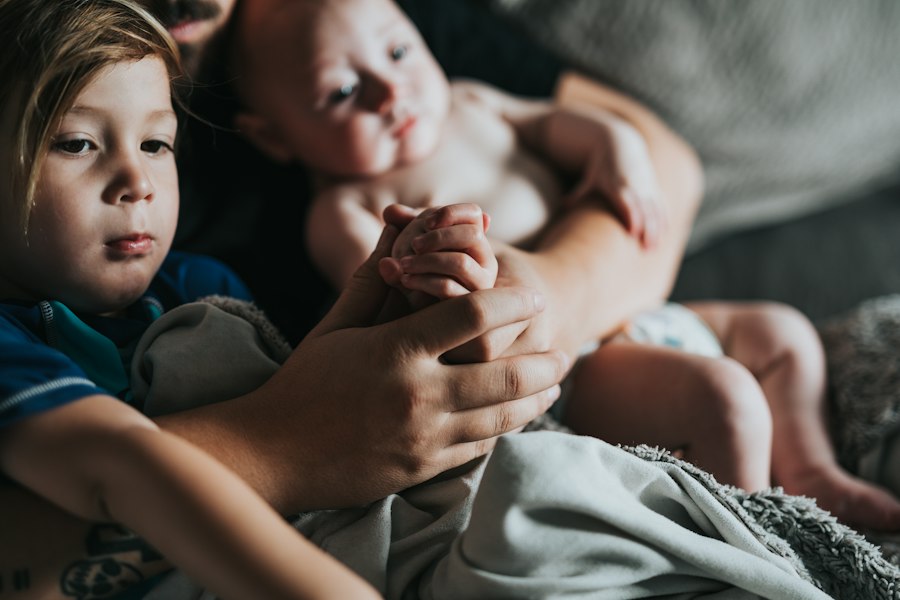
The presence of siblings adds another layer of complexity to family life. While siblings can offer invaluable companionship and support, they also represent a source of potential conflict and comparison. The differing needs and personalities of siblings require parents to navigate these relationships with care and intentionality.
Avoiding the Comparison Trap: Celebrating Individuality
One of the most common pitfalls for parents is falling into the trap of comparing siblings. Phrases like “Why can’t you be more like your brother?” or “Your sister always gets better grades” can be incredibly damaging. This kind of comparison erodes a child’s sense of self-worth and can foster resentment and unhealthy competition between siblings. Instead, parents should actively work to celebrate each child’s unique qualities and accomplishments. Focusing on individual progress and efforts, rather than relative performance, is crucial. Emphasizing that each child’s journey is distinct and valuable in its own right helps to dismantle the need for constant comparison.
Fostering Healthy Sibling Relationships: Collaboration and Empathy
Creating a positive sibling dynamic is a vital parenting goal. This involves teaching children essential social skills such as empathy, communication, and conflict resolution. Parents can model these behaviors themselves and provide opportunities for siblings to practice them. Encouraging cooperation on shared tasks, celebrating together, and facilitating open communication about feelings can strengthen their bond. When conflicts arise, parents can act as mediators, guiding children to understand each other’s perspectives and find mutually agreeable solutions, rather than simply imposing their own. Fostering a sense of teamwork and mutual respect within the sibling unit can lay the foundation for lifelong support and connection.
Addressing Sibling Rivalry: Understanding the Roots
Sibling rivalry is a natural, albeit sometimes challenging, aspect of family life. It often stems from a desire for parental attention, competition for resources (both material and emotional), and differing personalities. Understanding the underlying causes of rivalry can help parents address it more effectively. Instead of solely focusing on stopping the fighting, parents can work to ensure each child feels adequately loved and acknowledged. Providing individual quality time with each child, creating opportunities for shared positive experiences that don’t involve competition, and teaching children how to express their needs and frustrations constructively can mitigate rivalry. It’s important to remember that some level of disagreement is normal, but setting clear boundaries for respectful interaction is essential.
Tailoring Parenting to Individual Needs
The core principle of navigating unique needs lies in flexibility and a willingness to adapt parenting strategies to each child. What works for one may not work for another, and even within the same child, needs can change over time.
Differentiated Discipline: Consistency with Flexibility
Discipline is an area where tailoring is particularly important. While consistency in core values and safety rules is essential, the way discipline is applied may need to differ. For a child who is highly sensitive and prone to anxiety, a stern reprimand might be overwhelming, whereas a calm explanation and natural consequences might be more effective. For a more impulsive child, clear, immediate consequences might be necessary to help them learn from their mistakes. The goal is to ensure that discipline is a learning opportunity, not just a punishment, and that it is delivered in a way that the individual child can process and internalize. This requires parents to have a deep understanding of their child’s emotional responses and cognitive abilities.
Communication Styles: Speaking Their Language
Effective communication is the bedrock of any healthy relationship, and it’s no different within families. Children have different communication preferences. Some are direct and expressive, while others are more reserved or prefer non-verbal cues. Parents need to be attuned to these differences and adapt their communication style accordingly. This might mean asking open-ended questions to encourage a more hesitant child to share, or using visual aids for a child who struggles with abstract concepts. Active listening, where parents truly focus on understanding what their child is saying (and sometimes what they are not saying), is paramount. Learning to “speak your child’s language” fosters trust and ensures that messages are received and understood.
Supporting Individual Growth and Autonomy: Empowering Choices
As children develop, fostering their independence and autonomy is crucial for their self-esteem and ability to navigate the world. This means allowing them to make age-appropriate choices and learn from the outcomes. For one child, this might involve letting them choose their own clothes, even if the parent doesn’t love the combination, as long as it’s appropriate for the weather and occasion. For another, it might involve allowing them to manage their own homework schedule, with parental guidance and support. Providing opportunities for them to pursue their own interests, even if they differ from their siblings’, is also vital. Empowering children to take ownership of their learning and their lives, within safe boundaries, builds confidence and self-reliance.
Understanding the dynamics of sibling relationships can be crucial for effective parenting, especially when considering the unique differences among children. A fascinating article that delves into this topic is available at Unplugged Psych, which explores how varying temperaments and personalities can influence sibling interactions. For more insights on this subject, you can read the article here: Unplugged Psych. This resource offers valuable strategies for parents navigating the complexities of raising children with distinct characteristics.
Building a Unified Family Front: Collaboration and Shared Vision
| Metric | Description | Typical Findings | Source/Study |
|---|---|---|---|
| Parental Differential Treatment (PDT) | Degree to which parents treat siblings differently in terms of affection, discipline, and attention | Higher PDT linked to increased sibling rivalry and lower sibling relationship quality | McHale et al., 2012 |
| Sibling Relationship Quality | Measures warmth, conflict, and rivalry between siblings | Positive parenting reduces conflict; differential treatment increases rivalry | Feinberg & Hetherington, 2001 |
| Parental Warmth | Level of affection and support parents show to each child | Higher warmth correlates with better sibling relationships and individual adjustment | Brody, 1998 |
| Disciplinary Consistency | How consistently parents apply rules and consequences across siblings | Inconsistent discipline linked to sibling jealousy and behavioral problems | Stormshak et al., 2001 |
| Sibling Age Gap | Age difference between siblings | Smaller age gaps often lead to more rivalry; larger gaps may reduce direct competition | Bank & Kahn, 1982 |
| Parental Stress Levels | Stress experienced by parents during child-rearing | Higher stress can increase differential treatment and reduce parenting quality | Conger et al., 1992 |
While acknowledging and addressing individual needs is critical, it’s equally important for parents to present a united front and foster a sense of shared family identity and purpose. This creates a stable and predictable environment for children and reinforces the family’s values.
Parental Alignment: Presenting a United Front
In households with two parents or primary caregivers, alignment on parenting approaches is highly beneficial. Disagreements between parents, if not handled constructively, can confuse children and undermine parental authority. While it’s healthy to have discussions and different perspectives, it’s crucial to present a unified message to the children. This doesn’t mean sacrificing individual opinions, but rather finding common ground and agreeing on core principles and strategies. Regular communication between parents about their children’s progress, challenges, and the effectiveness of their parenting approaches is essential for maintaining this alignment.
Shared Family Values and Traditions: Cultivating Belonging
Establishing shared family values and traditions creates a sense of belonging and provides a common anchor for all members. These values, whether it’s honesty, kindness, perseverance, or a commitment to education, should be explicitly discussed and modeled. Family traditions, from weekly game nights to holiday celebrations, offer predictable moments of connection and create cherished memories. These shared experiences, even when individual interests vary, help to weave the family tapestry tighter, reminding everyone of their place within the collective.
Open Communication and Feedback Loops: Continuous Improvement
A healthy family is one that fosters open communication, not just between parents and children, but also between parents themselves. Creating a safe space for honest feedback, where children feel comfortable expressing their feelings and concerns without fear of judgment, is invaluable. Similarly, parents should be open to receiving feedback from each other about their parenting practices. This ongoing dialogue allows for continuous improvement and adaptation, ensuring that the family unit remains responsive to the evolving needs of its members. By working together, parents can navigate the complexities of individual differences and sibling dynamics, ultimately fostering a strong, resilient, and loving family environment.

100% Same Genes, Different Minds: The Dark Psychology of the Genain Quadruplets
FAQs
What factors contribute to sibling differences in parenting?
Various factors can contribute to sibling differences in parenting, including individual personalities, upbringing, life experiences, cultural influences, and personal beliefs about parenting.
How can parents navigate sibling differences in parenting styles?
Parents can navigate sibling differences in parenting styles by openly communicating with each other, respecting each other’s choices, finding common ground, and focusing on the well-being of the children.
Do sibling differences in parenting have an impact on children?
Yes, sibling differences in parenting can have an impact on children. It can lead to confusion, inconsistency, and potential favoritism, which may affect the children’s emotional well-being and relationships with their parents and siblings.
Can sibling differences in parenting be a source of conflict among family members?
Yes, sibling differences in parenting can be a source of conflict among family members. Disagreements over parenting styles, discipline methods, and values can create tension and strain relationships within the family.
Are there any benefits to sibling differences in parenting?
While sibling differences in parenting can pose challenges, they can also offer opportunities for children to experience diverse perspectives, learn flexibility, and develop their own values and beliefs about parenting as they grow older.