
The Unraveling Threads of Kinship: Why Siblings Grow Apart in Adulthood
The familiar tapestry of childhood, woven with shared secrets, inside jokes, and the inescapable proximity of siblinghood, often gives way to a more complex and sometimes distant relationship in adulthood. While some sibling bonds remain remarkably resilient, weathering the storms of life and evolving into supportive partnerships, many others diverge, their paths diverging as significantly as continents. This divergence is not a sudden rupture but a gradual process, shaped by a confluence of intrinsic individual choices and external influences that sculpt personalities, priorities, and life trajectories. Understanding the root causes behind this familial drift is crucial to appreciating the nuanced nature of human connection and the ever-shifting dynamics within families.
Siblings often diverge in adulthood due to a variety of factors, including differing life experiences, personality traits, and individual choices. A related article that explores this phenomenon in greater detail can be found at Unplugged Psychology, where the complexities of sibling relationships and their evolution over time are discussed. This resource provides valuable insights into how external influences and personal development contribute to the distinct paths that siblings may take as they grow older.
Divergent Paths: The Impact of Life Stages and Personal Journeys

Adulthood itself is a broad spectrum, encompassing a multitude of experiences that inherently pull individuals in different directions. The early stages of adult life are often characterized by a relentless pursuit of independence, education, and career establishment. These formative years demand intense focus and can necessitate geographical mobility, placing physical distance between siblings who were once inseparable. As individuals navigate these crucial milestones, their immediate concerns and daily realities become increasingly distinct. The pressures of student loans, the anxieties of early career progression, and the exploration of romantic relationships can consume a young adult’s mental and emotional bandwidth, leaving less room for the constant, effortless connection that characterized their youth.
The Crucible of Early Adulthood: Forging New Identities
The transition from adolescence to adulthood is a period of profound self-discovery and identity formation. Siblings, who once shared a largely common environment and a similar peer group, begin to actively sculpt their own individual identities. This often involves exploring new interests, adopting different ideologies, and forming relationships outside the immediate family circle. These emerging preferences and values may not always align, creating subtle or even significant divergences. A sibling who embraces a highly structured, corporate career path might find themselves with little in common with one who pursues a nomadic, artistic lifestyle. The shared foundation of childhood remains, but the structures built upon it begin to look vastly different.
The Weight of Adult Responsibilities: Career, Family, and Beyond
As adulthood progresses, the demands on individuals intensify. The establishment of careers, the formation of romantic partnerships, and the subsequent raising of children introduce a new set of priorities and responsibilities that can profoundly impact sibling relationships. For many, the immediate focus shifts to the nuclear family, demanding significant time, energy, and emotional investment. The daily routines of work, childcare, and household management can leave little discretionary time for maintaining frequent contact with siblings, especially if they live in different cities or have vastly different family structures. The conversations might shift from the casual recounting of daily events to more formal updates about milestones, achievements, or challenges within their own immediate families.
Geographical Distances and the Erosion of Proximity
Perhaps one of the most tangible reasons for sibling divergence is geographical separation. The pursuit of educational opportunities, career advancements, or simply a change of scenery can lead siblings to reside in different states, countries, or even continents. While modern technology offers a powerful tool for bridging these distances through video calls and social media, it cannot fully replicate the spontaneity and depth of in-person interactions. The shared experiences of everyday life, the casual drop-ins, and the effortless participation in each other’s local social circles are lost. Over time, these sustained periods of physical distance can create a subtle but persistent drift in understanding and shared reality.
The Unfolding Tapestry of Individual Choices and Values
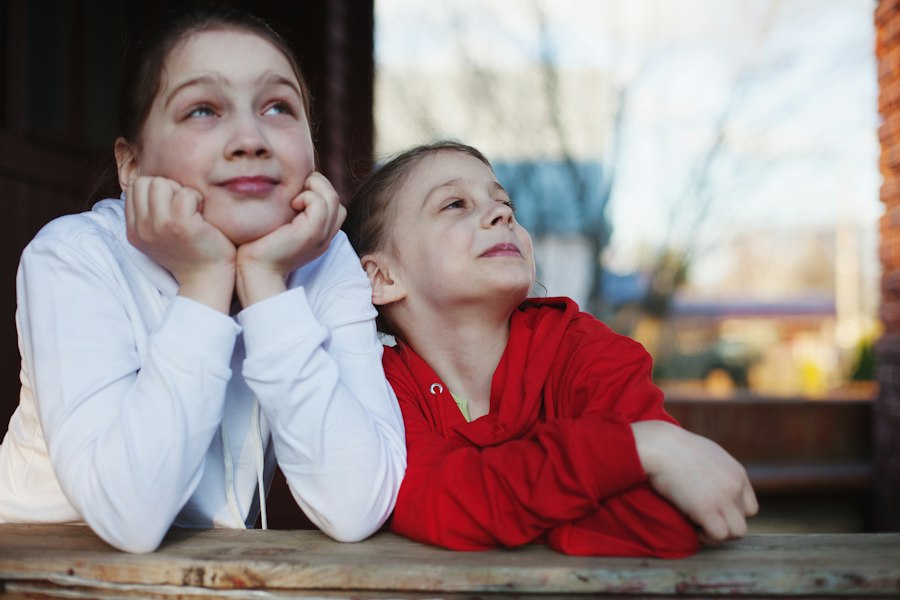
Beyond the circumstantial influences of life stages and geography lie the more profound and intrinsic forces of individual choices and evolving values. Siblings, as distinct individuals, possess their own unique desires, aspirations, and worldviews, which they actively nurture and express throughout their lives. These choices, driven by personal beliefs, life philosophies, and the pursuit of individual happiness, can lead to significant divergences in lifestyle, career paths, and even core values, ultimately shaping the nature and depth of their adult relationships.
Navigating Life’s Crossroads: Divergent Aspirations and Goals
Every individual embarks on a unique journey of aspiration and goal-setting. What one sibling prioritizes – be it financial success, creative fulfillment, community service, or personal spiritual growth – may be of little interest to another. These divergent aspirations naturally lead to different life choices. A sibling driven by a desire for entrepreneurial success might dedicate their waking hours to building a business, while another might find profound satisfaction in the structured environment of academia or the nurturing role of a caregiver. These differing pursuits can lead to distinct social circles, varied intellectual preoccupations, and fundamentally different lived experiences, making it challenging to maintain the same level of connection as in earlier, more homogenous years.
The Shifting Sands of Belief Systems: Ideological and Spiritual Divergence
As individuals mature, their understanding of the world, their moral compass, and their spiritual beliefs often evolve. This evolution can lead to significant ideological or spiritual divergence between siblings. One sibling might embrace a progressive political stance, while another holds deeply conservative views. One might find solace and purpose in organized religion, while another embraces agnosticism or atheism. These fundamental differences in worldview can create barriers to open communication and mutual understanding, sometimes leading to discomfort or even conflict. The shared moral framework that once underpinned their sibling bond may become fractured, making it harder to find common ground or engage in discussions on deeply held beliefs.
The Pursuit of Personal Fulfillment: Defining Happiness on One’s Own Terms
Ultimately, adults are driven by their own definitions of happiness and fulfillment. What brings joy and contentment to one sibling might be a source of dissatisfaction for another. This pursuit of personal fulfillment can manifest in myriad ways, from choosing unconventional career paths and unconventional lifestyles to prioritizing personal well-being and self-care above all else. For instance, a sibling who prioritizes a bohemian lifestyle and artistic expression might struggle to connect with a sibling who finds deep satisfaction in a stable, conventional family life and a demanding professional career. The emphasis on individual autonomy in modern society encourages people to forge their own paths, and these paths, while enriching for the individual, can inadvertently lead them away from each other.
The Impact of External Forces: Relationships, Society, and Circumstance
The individual journey is never undertaken in a vacuum. External forces, including the influence of romantic partners, societal norms, and unpredictable life circumstances, play a significant role in shaping sibling relationships. These external factors can either foster greater connection or contribute to the growing distance between siblings, often in ways that are beyond their direct control.
The Influence of Spouses and In-Laws: Blending and Budding Divisions
In adulthood, romantic partnerships often become central to an individual’s life. The influence of a spouse or partner can significantly impact sibling dynamics. In some cases, a supportive partner can encourage stronger sibling bonds, facilitating family gatherings and fostering positive interactions. However, in other instances, differing family cultures, conflicting social circles, or even subtle marital tensions can create a wedge between siblings. The dynamics of a new family unit, with its own traditions and expectations, can inadvertently pull individuals away from their original familial ties. Furthermore, the relationships with in-laws, while often positive, can also introduce new social hierarchies and allegiances that may alter the perceived importance or nature of sibling connections.
Societal Pressures and Shifting Family Norms
Contemporary society places a strong emphasis on individualism, personal achievement, and self-reliance. These societal values can encourage siblings to prioritize their own immediate needs and goals, potentially at the expense of maintaining close sibling ties. The traditional notion of extended families being a primary support system has, in many cultures, given way to a greater focus on the nuclear family and individual success. Furthermore, changing social norms around marriage, divorce, and family structures mean that siblings may navigate vastly different personal lives. The rise of blended families, for example, introduces complex familial webs that can sometimes dilute or complicate existing sibling relationships.
The Unforeseen Twists of Fate: Illness, Loss, and Major Life Events
Life is inherently unpredictable, and major life events, both positive and negative, can profoundly impact sibling relationships. The illness or loss of a parent, for instance, can initially bring siblings closer together as they navigate shared grief and responsibilities. However, depending on how these challenges are managed and how individual coping mechanisms differ, these events can also exacerbate existing tensions or create new ones. Financial difficulties, job losses, or personal crises can also place immense strain on individuals, diverting their attention and energy away from their siblings. Conversely, major life celebrations, such as weddings or the birth of children, can provide opportunities for reconnection, but the long-term impact depends on the underlying strength of the sibling bond.
Siblings often take divergent paths in adulthood due to a variety of factors, including individual experiences, personality traits, and environmental influences. This phenomenon can be explored further in an insightful article that discusses the complexities of sibling relationships and their evolution over time. For a deeper understanding of how these dynamics play out, you can read more about it in this related article. Understanding these differences can shed light on the unique journeys that each sibling undertakes, despite sharing the same upbringing.
Communication Breakdowns and Shifting Dynamics
| Factor | Description | Impact on Sibling Divergence | Example Metrics |
|---|---|---|---|
| Personality Differences | Innate temperament and personality traits that vary between siblings. | Leads to different interests, social circles, and life choices. | Big Five Personality Scores (Openness, Conscientiousness, etc.) |
| Birth Order | Position in the family (firstborn, middle, youngest) influencing roles and expectations. | Shapes leadership tendencies, responsibility levels, and risk-taking behavior. | Percentage of siblings reporting different career paths by birth order |
| Parental Treatment | Variations in parenting style, attention, and resources allocated to each child. | Can cause feelings of favoritism or neglect, affecting self-esteem and choices. | Survey data on perceived parental favoritism (e.g., 30% report unequal treatment) |
| Life Experiences | Unique events such as education, trauma, or relationships that shape development. | Creates distinct worldviews and coping mechanisms. | Differences in educational attainment or major life events between siblings |
| Social Environment | Influence of friends, mentors, and community outside the family. | Encourages diverse interests and values. | Variation in social network size and diversity among siblings |
| Genetic Factors | Genetic variation even among siblings affecting behavior and health. | Contributes to differences in temperament and susceptibility to conditions. | Heritability estimates for traits like intelligence or mental health |
The way siblings communicate, or fail to communicate, is a critical factor in the evolution of their adult relationships. As their lives diverge, so too do their communication patterns. What once might have been effortless and frequent can become strained, infrequent, or even fraught with unspoken tensions. Re-establishing and maintaining effective communication channels requires conscious effort and a willingness to adapt to evolving dynamics.
The Nuances of Modern Communication: Technology’s Double-Edged Sword
In the digital age, communication between siblings is often mediated by technology. While platforms like social media, instant messaging, and video calls offer unprecedented opportunities for staying connected across distances, they can also contribute to superficiality and misunderstanding. A quick text message or a “like” on a social media post can create the illusion of closeness, but it rarely substitutes for the depth of a face-to-face conversation. Moreover, the lack of non-verbal cues in digital communication can lead to misinterpretations of tone and intent, potentially fostering resentment or misunderstandings that are difficult to resolve without direct interaction.
The Weight of Unspoken Words and Past Grievances
As siblings grow older and their lives diverge, unresolved issues and past grievances can fester, creating unspoken barriers to intimacy. Childhood rivalries, perceived favoritism, or past conflicts that were never fully addressed can resurface in adulthood, casting a shadow over the present relationship. The tendency for siblings to fall back into familiar patterns of interaction, even if those patterns are unhealthy, can perpetuate these issues. The absence of open and honest dialogue about these lingering resentments can lead to a gradual emotional distancing, as individuals avoid topics that are likely to lead to conflict.
The Evolution of Support Systems: Finding New Pillars of Strength
In childhood, siblings often form a primary support system for each other. As adults, however, their needs for support and companionship may be met by different individuals and groups. Romantic partners, friends, colleagues, and even mentors can become crucial pillars of strength, fulfilling emotional and practical needs that were once primarily met by siblings. This natural evolution of support networks, while healthy and necessary for individual growth, can also subtly shift the perceived importance and necessity of the sibling bond. The reliance on each other that characterized childhood may diminish, leading to less frequent and less intensive interactions.
Rebuilding and Redefining: Strategies for Navigating Sibling Divergence
The divergence of siblings in adulthood is not necessarily a tragedy, but rather a natural progression that reflects individual growth and the complexities of life. However, for those who wish to maintain or rekindle a closer connection, proactive strategies are essential. Recognizing the influences at play and making conscious efforts to bridge the evolving gaps can lead to richer, more meaningful adult sibling relationships.
The Power of Intentional Connection: Prioritizing Quality Time
The most effective way to combat sibling divergence is through intentional connection. This means actively making time for each other, prioritizing quality over quantity. It involves scheduling regular phone calls or video chats, planning visits, and making an effort to be present in each other’s lives. It’s about understanding that the spontaneous interactions of childhood are unlikely to recur and that maintaining the relationship requires conscious effort. This might mean adjusting personal schedules, making sacrifices, and demonstrating a genuine commitment to the sibling bond.
Cultivating Empathy and Understanding: Embracing Different Lifestyles
A key to navigating sibling divergence is cultivating empathy and understanding for each other’s chosen paths and lifestyles. This involves recognizing that each sibling is on their own unique journey, with their own priorities, challenges, and definitions of happiness. Instead of judging or comparing, the focus should be on accepting and appreciating these differences. This might require challenging one’s own assumptions, actively listening to each other’s perspectives, and making an effort to see the world through their sibling’s eyes. Embracing these differences, rather than allowing them to create division, can foster a deeper and more resilient connection.
Open Dialogue and Conflict Resolution: Addressing the Elephant in the Room
Addressing unspoken resentments and past grievances is crucial for the health of adult sibling relationships. This requires a willingness to engage in open and honest dialogue, even when it’s uncomfortable. It means creating a safe space for vulnerability and for expressing difficult emotions. Effective conflict resolution skills, such as active listening, assertive communication, and a willingness to compromise, are essential tools. The goal is not to avoid conflict entirely, but to navigate it constructively, leading to a stronger understanding and a deeper sense of trust.
Finding Common Ground and Shared Experiences
Despite diverging paths, siblings often share a common history and a unique perspective on their family of origin. Identifying and nurturing shared interests, hobbies, or passions can provide a fertile ground for reconnection. This could involve revisiting old family traditions, exploring new activities together, or simply reminiscing about shared childhood memories. Creating new shared experiences, whether through travel, attending events, or collaborating on a project, can also strengthen the bond and create new layers of connection that are relevant to their adult lives. The ongoing evolution of sibling relationships is a testament to the enduring power of family and the human need for connection, even as lives inevitably diverge.

100% Same Genes, Different Minds: The Dark Psychology of the Genain Quadruplets
FAQs
1. Why do siblings often have different career paths in adulthood?
Siblings may have different career paths in adulthood due to their unique interests, skills, values, and opportunities. Factors such as education, work experience, and personal goals can also play a role in shaping their career choices.
2. What role does birth order play in siblings diverging in adulthood?
Birth order can influence how siblings diverge in adulthood. First-born children may be more responsible and achievement-oriented, while younger siblings may be more rebellious or creative. These differences in personality traits can lead to varying life paths.
3. How can family dynamics impact siblings’ divergence in adulthood?
Family dynamics, such as parental expectations, favoritism, and communication patterns, can significantly impact how siblings diverge in adulthood. Siblings may develop different coping mechanisms or strategies based on their interactions within the family unit.
4. What role does individual personality play in siblings’ divergence in adulthood?
Individual personality traits, such as introversion, extroversion, openness, conscientiousness, and agreeableness, can influence how siblings diverge in adulthood. These traits can shape their values, goals, and decision-making processes.
5. How do life experiences contribute to siblings’ divergence in adulthood?
Life experiences, such as relationships, education, travel, and challenges, can contribute to siblings’ divergence in adulthood. Different experiences can lead siblings to develop unique perspectives, priorities, and life paths.