
The tapestry of family life is woven with threads of shared experiences, genetic predispositions, and unique individual journeys. Within this intricate weave, siblings, often the closest companions and confidantes of our formative years, represent a fascinating study in both similarity and profound difference. While a shared upbringing might suggest a uniform trajectory, the reality of mental health within sibling groups frequently diverges, presenting a complex landscape for parents, caregivers, and the siblings themselves to navigate. Understanding these differences is not merely an academic pursuit; it is crucial for fostering individual well-being, strengthening familial bonds, and providing targeted support where it is most needed. This exploration delves into the multifaceted reasons behind varying mental health experiences among siblings, offering insights into genetic influences, environmental factors, birth order dynamics, and the impact of individual personality traits.
The Genetic Blueprint and Its Echoes
The fundamental building blocks of our being, our genes, play a significant role in shaping our susceptibility to various mental health conditions. While siblings share a substantial portion of their genetic material, inheriting approximately 50% of their genes from each parent, the precise combination and expression of these genes are unique to each individual. This inherent genetic lottery means that even within the same family, the inherited predispositions for conditions like depression, anxiety, bipolar disorder, or schizophrenia can differ considerably.
Inherited Vulnerabilities and Resilience
The concept of inherited vulnerability is central to understanding why some siblings may be more prone to mental health challenges than others. Certain gene variations have been identified as increasing the risk for specific psychiatric disorders. For instance, research has implicated genes related to neurotransmitter systems, such as serotonin and dopamine, in the development of mood disorders and schizophrenia. When these genes are inherited in particular combinations, they can confer a higher baseline risk. However, it is crucial to recognize that genetics are not destiny. The presence of a genetic predisposition does not guarantee the development of a mental health condition. Instead, it creates a greater likelihood, especially when interacting with environmental stressors.
Conversely, some genetic profiles may confer a degree of resilience. Siblings might inherit gene variants that offer protection against certain mental health vulnerabilities or enhance their ability to cope with stress. This biological advantage can act as a buffer, making them less susceptible to developing mental health problems even in the face of adversity. The interplay between these risk and resilience genes creates a spectrum of genetic influence, contributing to the observed diversity in mental health outcomes within a family. Understanding this genetic component requires appreciating that while shared DNA creates commonalities, the subtle variations in gene expression and inheritance lead to distinct individual susceptibilities and strengths.
Epigenetics: The Modulators of Gene Expression
Beyond the direct inheritance of genes, epigenetics offers another layer of complexity to the genetic influence on mental health. Epigenetic modifications are changes to gene expression that do not alter the underlying DNA sequence itself. These modifications can be influenced by environmental factors, lifestyle choices, and even experiences during gestation. This means that even siblings who inherit similar genetic predispositions can have different epigenetic profiles, leading to varied gene activity and, consequently, different mental health outcomes.
For example, stress experienced by a parent during pregnancy can lead to epigenetic changes in the developing fetus, potentially increasing the child’s risk for anxiety or mood disorders later in life. Similarly, life experiences, such as trauma, diet, or exposure to toxins, can induce epigenetic changes throughout an individual’s lifetime. These changes can either activate or silence certain genes, influencing brain development and function, and ultimately impacting mental health. The epigenetic landscape is dynamic and can differ between siblings due to their distinct experiences and exposures, even within the same household. This dynamic interaction between genes and environment underscores the nuanced nature of genetic influence on mental health and helps explain why identical twins, who share the exact same genetic code, can still develop different mental health conditions.
Research has shown that the dynamics between siblings can significantly influence mental health outcomes, with various studies highlighting the differences in emotional support and competition that arise in sibling relationships. For a deeper understanding of how these relationships impact mental health, you can explore the article on sibling dynamics and their effects on psychological well-being at Unplugged Psychology. This resource provides valuable insights into the complexities of sibling interactions and their implications for mental health.
Environmental Influences: A Divergent Childhood Landscape
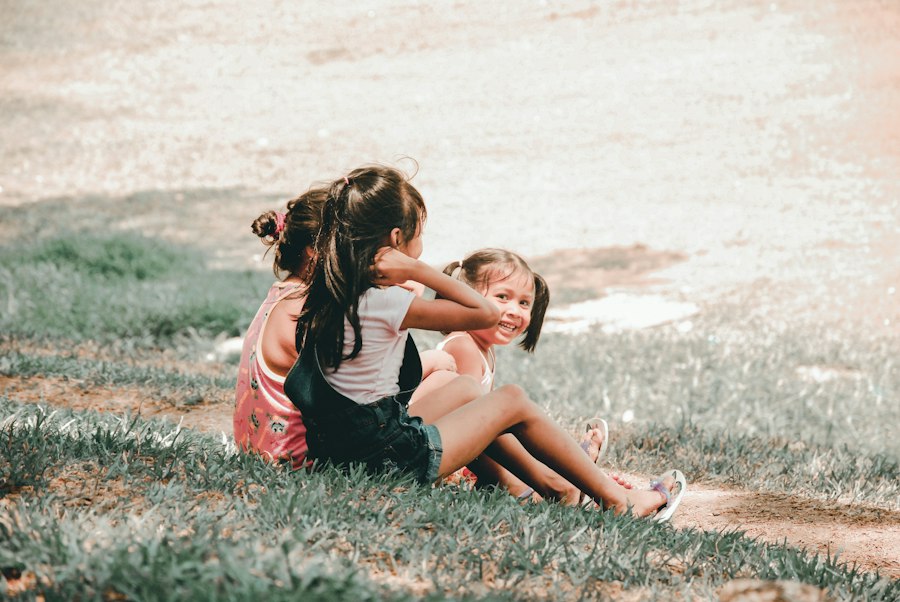
While genetic predispositions lay some groundwork, the environment in which siblings grow up plays a critical role in shaping their mental health trajectories. Even within the same family home, siblings are exposed to a unique constellation of environmental influences. These include the dynamics of parent-child relationships, peer interactions, educational experiences, significant life events, and even the specific room they occupy in the house.
Parenting Styles and Sibling Relationships
The impact of parenting styles on a child’s mental health is well-documented. However, it is essential to recognize that parents may not always apply the same parenting style uniformly to all their children. Factors such as the age difference between siblings, their individual temperaments, and the parents’ own evolving life circumstances can lead to variations in how each child is parented. One sibling might receive more lenient parenting, while another might experience stricter discipline. These differences in parental expectations, involvement, and emotional availability can foster distinct psychological outcomes.
Furthermore, the relationship between siblings themselves can be a significant environmental factor. Sibling rivalry, competition for parental attention, supportive bonds, or bullying can all have profound effects on a child’s self-esteem, social skills, and emotional regulation. A particularly supportive sibling relationship can act as a buffer against stress, promoting resilience and positive mental health. Conversely, a strained or conflict-ridden sibling dynamic can contribute to anxiety, depression, and behavioral problems. The unique dyadic relationships that form between each sibling and their parents, as well as between each pair of siblings, create a personalized environmental experience that diverges from sibling to sibling.
Peer Groups and Social Experiences
The social circles that siblings inhabit outside the family unit also contribute to their diverging mental health experiences. Children and adolescents often gravitate towards different peer groups, which can significantly influence their attitudes, behaviors, and mental well-being. One sibling might be part of a group that engages in risky behaviors, increasing their exposure to peer pressure and potential negative consequences that could impact their mental health. Another sibling might find solace and support in a group that encourages academic achievement or prosocial activities, fostering a more positive outlook.
Similarly, experiences at school, whether positive or negative, can have a lasting impact. Bullying, academic pressures, or positive relationships with teachers and classmates can all shape a sibling’s self-perception and emotional state. A sibling who faces chronic bullying may develop anxiety, depression, or even post-traumatic stress symptoms, while a sibling who thrives in a supportive school environment might experience enhanced self-confidence and well-being. These external social influences, which are often unique to each individual sibling, contribute to the diverse mental health landscapes within a family.
Research has shown that the dynamics between siblings can significantly impact mental health outcomes, highlighting the importance of understanding these relationships. For a deeper exploration of how sibling interactions influence emotional well-being, you can read this insightful article on the topic. It discusses various factors that contribute to mental health differences among siblings and offers valuable perspectives on fostering healthier relationships. To learn more, visit this article.
Major Life Events and Trauma
Major life events, both positive and negative, can profoundly affect an individual’s mental health. These events can include the death of a loved one, parental divorce, significant illness, or even moving to a new city. While siblings may experience these events together, their individual reactions and coping mechanisms can vary dramatically. One sibling might be deeply traumatized by a particular event, while another might be more resilient or even view the event as a catalyst for personal growth.
The impact of trauma is particularly significant. A sibling who experiences direct trauma, such as abuse or neglect, will likely face distinct mental health challenges compared to a sibling who is a witness to the trauma or less directly affected. The severity of the trauma, the individual’s coping resources, and the availability of support systems all play a crucial role in determining the long-term mental health consequences. Therefore, even when sharing a common family adversity, the individual experiences and responses can lead to divergent mental health outcomes.
Birth Order and Its Subtle Impact

The concept of birth order, the sequence in which children are born into a family, has long been a subject of interest in understanding personality development and familial dynamics. While its influence on mental health is often debated and complex, it is undeniable that the position within the sibling hierarchy can shape certain experiences and, consequently, contribute to variations in mental health.
Firstborns: The Pioneers and Their Pressures
Firstborn children often occupy a unique position within the family dynamic. They are typically the first to experience parental attention, the first to navigate new milestones, and often bear the brunt of parental inexperience. This can lead to a greater sense of responsibility, a drive for perfectionism, and a tendency towards leadership. While these traits can be advantageous, they can also be associated with increased anxiety and a fear of failure. Firstborns may feel pressure to live up to parental expectations and can be more prone to internalizing stress.
The initial years of a firstborn’s life are often characterized by undivided parental attention. As younger siblings arrive, this attention is diluted, which can foster a sense of independence and self-reliance in firstborns. However, it can also lead to feelings of jealousy or displacement. For mental health, this can translate into a tendency to be more conscientious and achievement-oriented, but also potentially more susceptible to stress-related disorders if these pressures are not managed effectively.
Middleborns: Navigating the Middle Ground
Middleborn children often find themselves in a position of navigating between the expectations placed on firstborns and the perceived freedom of the youngest. They may develop strong negotiation skills, a talent for compromise, and a tendency to be more independent and socially adept. The “middle child syndrome,” often characterized by feelings of being overlooked or unspecial, can contribute to a desire for attention and may manifest as behavioral issues or a struggle for identity.
However, middleborns can also benefit from observing the experiences of their older siblings, learning from their mistakes and successes. They may develop a more adaptable and resilient outlook. For mental health, this can mean a tendency towards interpersonal skills and a more balanced perspective, but they may also struggle with assertiveness or a need to prove their worth if they feel their contributions are undervalued within the family.
Youngest and Only Children: Different Paths to Development
The youngest child often enjoys a more relaxed upbringing, benefiting from experienced parents and the attention of older siblings. This can foster creativity, charm, and a more carefree disposition. However, they may also develop a dependence on others and a reluctance to take on responsibility. For mental health, this can mean a lower propensity for anxiety related to high expectations, but a potential for challenges with self-discipline or assertiveness if their needs are consistently met without expectation.
Only children, by definition, do not have siblings. Their experience is characterized by undivided parental attention and a focus on their development. They may become more mature for their age, possess strong intellectual skills, and exhibit a greater sense of self-sufficiency. However, they may also struggle with social skills, share issues, or have difficulty navigating conflict without the constant practice that sibling relationships provide. For mental health, this can translate to strong self-reliance but a potential need for guidance in developing robust interpersonal coping mechanisms and managing social dynamics.
Personality Traits: The Individual Lens
Beyond genetics, environment, and birth order, individual personality traits act as a fundamental lens through which

100% Same Genes, Different Minds: The Dark Psychology of the Genain Quadruplets
FAQs
1. Can siblings have different mental health conditions?
Yes, siblings can have different mental health conditions. Just like any other individuals, siblings can experience a wide range of mental health issues, such as anxiety, depression, bipolar disorder, schizophrenia, and more.
2. What factors contribute to mental health differences among siblings?
Various factors can contribute to mental health differences among siblings, including genetics, environmental influences, upbringing, life experiences, and individual personality traits. These factors can all play a role in shaping each sibling’s mental health.
3. Is it common for siblings to have different coping mechanisms for mental health challenges?
Yes, it is common for siblings to have different coping mechanisms for mental health challenges. Each individual may develop their own ways of coping with stress, anxiety, or other mental health issues based on their unique personalities, experiences, and support systems.
4. Can siblings provide support to each other for mental health concerns?
Yes, siblings can provide valuable support to each other for mental health concerns. Having a sibling who understands and empathizes with your struggles can be incredibly beneficial. Siblings can offer emotional support, encouragement, and a listening ear during difficult times.
5. How can parents help siblings with different mental health needs?
Parents can help siblings with different mental health needs by creating a supportive and understanding environment at home. This may involve open communication, seeking professional help when needed, encouraging healthy coping strategies, and treating each child as an individual with unique needs and strengths.