The Genesis of Deception: Crafting the Pseudopatient Persona
The year is 1972. In a world where mental illness was often shrouded in stigma and misunderstanding, a radical experiment was brewing, one that would challenge the very foundations of psychiatric diagnosis and the institutions designed to treat it. This was the era of David Rosenhan’s groundbreaking study, a meticulously planned investigation into the reliability of psychiatric diagnoses and the nature of mental hospitals. The core of this research lay in the concept of the “pseudopatient,” ordinary individuals tasked with feigning symptoms to gain admission to psychiatric facilities. The creation of these pseudopatients was not a haphazard undertaking; it was a deliberate and intricate process, designed to mimic the subtlety and ambiguity of genuine psychological distress, thereby exposing the system’s vulnerabilities.
The pseudopatients, often referred to as “normals” in Rosenhan’s seminal paper, were carefully selected and briefed. They were not seasoned actors or individuals with prior psychiatric experience, which would have introduced confounding variables. Instead, they were a diverse group of volunteers, including graduate students, psychologists, and even Rosenhan himself, who were psychologically healthy and had no history of mental illness. This deliberate choice underscored the study’s aim: to demonstrate that sane individuals could be mistakenly identified as mentally ill by the psychiatric establishment. The pseudopatients were instructed to present with a single, fabricated symptom: auditory hallucinations. However, the nature of this hallucination was crucial to the experiment’s success. They were told to hear voices, specifically a voice saying “thud,” “empty,” and “clop.” These words were chosen for their vagueness and lack of specific pathology. They were not overtly bizarre or indicative of a particular delusion, but rather, they were designed to be interpreted by a diagnostician within a broader context of possible mental distress.
Beyond the single fabricated symptom, the pseudopatients were instructed to behave normally. They were to refrain from mentioning any other difficulties or symptoms they might have experienced in their lives. They were to answer all questions honestly, interact with staff and other patients appropriately, and refrain from acting out or causing disturbances. This crucial instruction highlighted a key tenet of the experiment: that the pseudopatients were not attempting to be disruptive or to “trick” the system in a malicious way. Rather, they were aiming to enter the system and then demonstrate their sanity through their subsequent behavior. The expectation was that once admitted, their “illness” would rapidly dissipate, and they would be recognized as sane and released. This expectation, however, proved to be tragically flawed. The simplicity of their fabricated symptom, coupled with their otherwise unremarkable behavior, was intended to be the very factor that would allow their inherent sanity to shine through. Instead, it became the hook upon which a pervasive diagnostic bias was hung. The pseudopatients were, in essence, walking, talking paradoxes – individuals who were demonstrably sane but were poised to be labeled as otherwise, solely based on their entry into a system designed to categorize and treat mental illness.
The Rosenhan experiment, which involved pseudopatients feigning psychiatric symptoms to gain admission to various hospitals, raised significant ethical questions about the validity of psychiatric diagnoses. A related article that delves deeper into the implications of this study and its impact on mental health practices can be found at Unplugged Psych. This resource provides valuable insights into the ongoing discussions surrounding psychiatric evaluation and the challenges faced by mental health professionals.
The Doors Swing Open: Admission to the Asylum
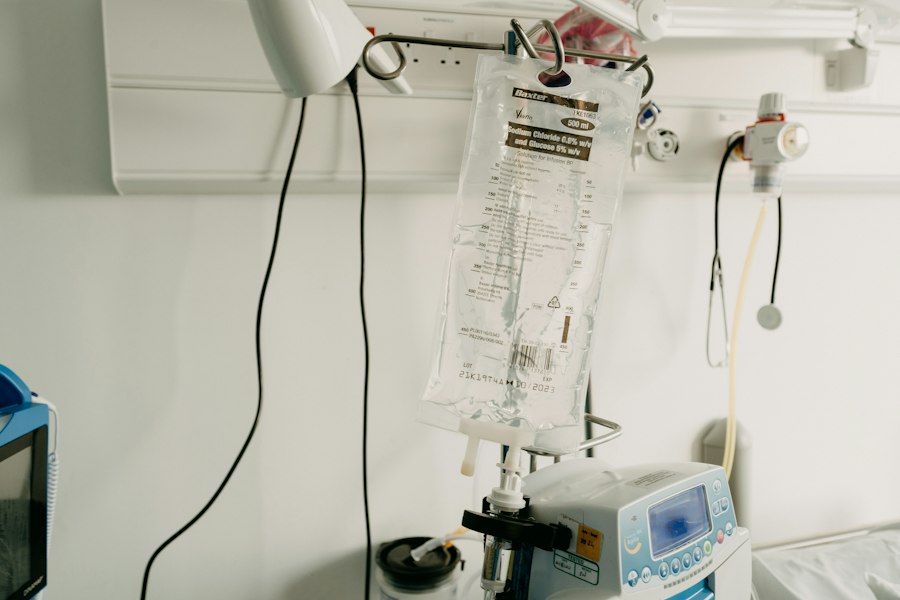
The pseudopatients, armed with their carefully constructed personas and their single, vague symptom, embarked on the next phase of Rosenhan’s audacious experiment: seeking admission to psychiatric hospitals. The intention was to test whether the diagnostic process could distinguish between genuine mental illness and feigned distress, particularly within the context of a real psychiatric facility. This phase was critical, as it involved direct interaction with the very systems the study sought to examine. The pseudopatients targeted a variety of institutions, ranging from private psychiatric hospitals to state-funded mental health facilities, across different geographical locations. This broad approach aimed to ensure the generalizability of the findings and to avoid the possibility that any observed biases were unique to a single institution.
The process of admission itself was revealing. Each pseudopatient contacted a psychiatric hospital and presented with their fabricated symptom. They reported hearing voices, specifically the single word “thud,” “empty,” or “clop.” The initial reactions from the admitting staff varied, but a common thread soon emerged: a predisposition towards diagnosing mental illness. Despite the simplicity of the symptom and the pseudopatients’ otherwise normal demeanor, they were almost universally admitted. The diagnoses were varied, but schizophrenia and manic-depressive psychosis were the most common. The ease with which they gained admission, often without extensive probing or independent verification of their reported symptoms, was the first major red flag. It suggested a low threshold for admitting individuals to psychiatric care, perhaps driven by a “better safe than sorry” approach, or a more concerning readiness to categorize ambiguous behavior as pathological.
Upon admission, the pseudopatients were stripped of their street clothes and given hospital gowns. Their personal belongings were confiscated, and they were assigned to wards alongside other patients. The process of integration was immediate and profound. They were no longer individuals seeking help; they were now patients, their identities subsumed by the institutional label. The pseudopatients were instructed to cease feigning symptoms immediately upon admission, to stop hearing the voices, and to behave as normally as possible. They were also told to cooperate with the medical staff, to engage in conversations, and to express their desire to be discharged. This was a critical turning point, as it shifted the focus from diagnosis to observation and intervention. The pseudopatients were now in a position to witness firsthand the realities of life within a mental institution, and their sanity was to be judged by their behavior in this controlled environment. The fact that they were admitted so readily, only to then have their “illness” essentially vanish without immediate recognition, was a stark indictment of the diagnostic system’s validity.
Life Inside: The Unveiling of Institutional Realities
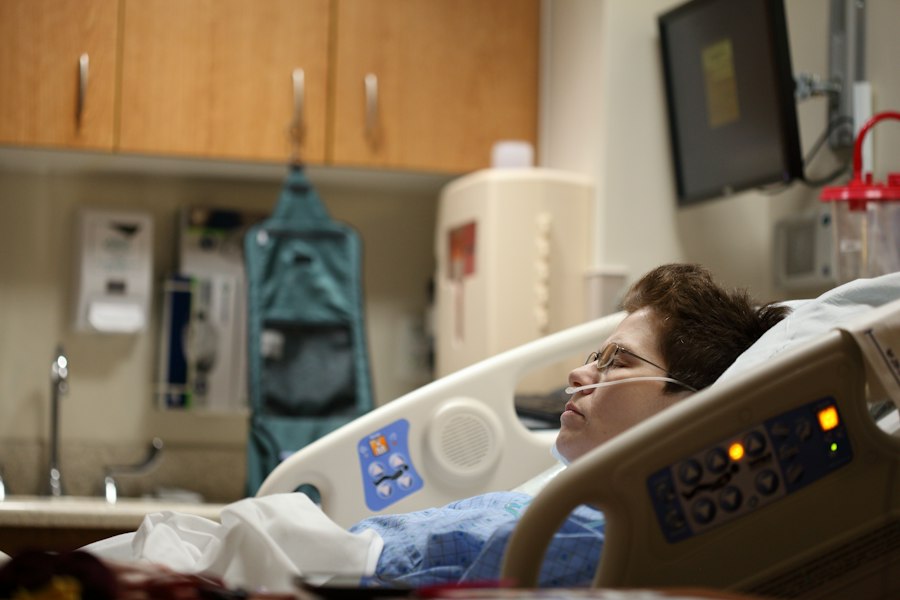
Once admitted, the pseudopatients found themselves immersed in an environment that was as illuminating as it was disconcerting. Their primary objective shifted from gaining entry to observing and documenting their experiences, the subtle and overt manifestations of life within the psychiatric institution. This phase of the study was crucial for understanding the systemic issues at play, the ingrained biases, and the profound impact of institutionalization on both the diagnosed and the mistakenly diagnosed. The pseudopatients, now labeled as mentally ill, were subjected to the daily routines and protocols of the mental hospital, and their observations provided a stark contrast to the initial diagnostic assumptions.
A striking observation was the discrepancy between the pseudopatients’ stated intention of no longer experiencing hallucinations and the continued labeling of them as mentally ill. Despite ceasing all feigned symptoms, the pseudopatients were consistently treated as if they were still suffering from their initial alleged ailments. Their claims of feeling better and their requests for release were often dismissed or reinterpreted as signs of their underlying illness. This phenomenon, later termed “diagnostic momentum,” highlighted how a diagnosis, once made, could become self-perpetuating, influencing how subsequent behavior was perceived and interpreted. The pseudopatients were no longer seen as individuals whose symptoms had resolved, but rather as patients who were perhaps “denying” their illness or experiencing remission as part of their illness progression. This demonstrated a remarkable rigidity in the diagnostic process, where the initial label seemed to override subsequent evidence.
The interactions with the medical staff were particularly telling. While some nurses and doctors were compassionate and attentive, others exhibited a detached and dehumanizing approach. The pseudopatients reported being treated with a lack of respect, their concerns often ignored, and their requests for information met with vague or evasive answers. The staff’s perception of the patients was heavily influenced by their diagnoses, leading to a paternalistic and condescending attitude. The pseudopatients observed that staff members often interpreted normal behaviors as pathological. For instance, when a pseudopatient took notes in a journal to record their experiences, it was seen as evidence of “writing” and thus a symptom of their illness. Similarly, moments of boredom or frustration were often misinterpreted as agitation or psychosis. This pervasive skepticism towards the pseudopatients’ claims of sanity underscored a fundamental flaw in the system: a failure to critically evaluate initial diagnoses and an over-reliance on pre-existing labels. The sheer number of days the pseudopatients spent in the hospitals, averaging 19 days, with the longest stay being 52 days, is a testament to this entrenched diagnostic inertia.
The Unraveling of Sanity: Depersonalization and Dehumanization
The prolonged stay within the psychiatric institution had a profound and unsettling effect on the pseudopatients, extending beyond their initial experimental goals. The very environment designed to heal and rehabilitate inadvertently fostered a sense of depersonalization and dehumanization, demonstrating how institutionalization itself could contribute to the perceived deterioration of an individual’s mental state. This aspect of the study revealed the potent influence of the social and environmental factors within mental hospitals on the psychological well-being of their inhabitants.
As the days turned into weeks, the pseudopatients, despite their inherent sanity, began to feel the weight of their institutionalized identities. The constant labeling, the lack of privacy, the limited autonomy, and the generalized perception of them as “sick” began to take a toll. Some pseudopatients reported experiencing feelings of powerlessness and a growing sense of resignation. The environment, with its rigid schedules and lack of stimulation, contributed to a feeling of being detached from their former lives and identities. The loss of personal possessions, the standardized hospital gowns, and the uniform treatment of all patients regardless of their specific conditions stripped away individual markers of identity, fostering a sense of anonymity and sameness. This erosion of self, even in healthy individuals, highlighted the dangers of long-term institutionalization and the potential for it to create the very conditions it purports to treat.
Furthermore, the pseudopatients witnessed the dehumanizing effects of the system on other patients. They observed individuals who, despite potentially having genuine mental health challenges, were treated with a profound lack of dignity. The constant medication, the often-limited therapeutic interventions, and the societal stigma attached to mental illness contributed to a pervasive sense of hopelessness and marginalization for many of the long-term residents. The pseudopatients, by simply being present and observing, became acutely aware of the systemic failures that perpetuated suffering rather than alleviating it. Their own experiences, while fabricated in origin, provided a visceral understanding of how easy it was for the system to lose sight of the individual, reducing them to a diagnosis and a set of symptoms. The sheer volume of medication prescribed – an average of 2,100 tablets per patient – further underscored the medical model’s dominance, often overshadowing psychological and social interventions. This phase of the study served as a powerful, albeit disturbing, exposé on the psychological toll of being confined within an institution where one’s sanity is constantly questioned and one’s individuality is systematically eroded.
The controversial study conducted by David Rosenhan, where he and several others feigned psychiatric symptoms to gain admission to mental hospitals, has sparked ongoing discussions about the validity of psychiatric diagnoses and the treatment of patients within these institutions. A related article that delves deeper into the implications of Rosenhan’s findings and their relevance in today’s mental health care can be found on Unplugged Psych. For those interested in exploring this topic further, you can read more about it here.
The Aftermath and Enduring Legacy: Reforming Psychiatric Care
| Metric | Value | Notes |
|---|---|---|
| Number of Pseudopatients | 8 | Individuals who feigned auditory hallucinations to gain admission |
| Average Length of Hospital Stay | 19 days | Range from 7 to 52 days |
| Diagnoses Given | Schizophrenia (7), Bipolar Disorder (1) | Based on initial symptoms reported |
| Number of Staff Who Detected Pseudopatients | 0 | No staff identified the pseudopatients as impostors during stay |
| Number of Other Patients Who Suspected Pseudopatients | 35% | Percentage of real patients who suspected pseudopatients |
| Behavior During Hospital Stay | Acted normally, no further hallucinations reported | Despite normal behavior, diagnosis was not revised |
The conclusion of the Rosenhan experiment marked not an end, but a seismic shift in the discourse surrounding mental health. The findings, published in the prestigious journal Science, sent shockwaves through the psychiatric community and ignited a public debate about the reliability of psychiatric diagnoses and the nature of mental institutions. The implications of the study were far-reaching, prompting a critical re-evaluation of diagnostic criteria, institutional practices, and the very philosophy of psychiatric care. The legacy of the pseudopatient study continues to inform and inspire efforts to improve mental healthcare.
Rosenhan’s findings presented a damning indictment of the psychiatric diagnostic system of the time. The ease with which sane individuals were diagnosed with mental illness, and the difficulty they faced in being recognized as sane, exposed significant flaws in the Diagnostic and Statistical Manual of Mental Disorders (DSM), the prevailing diagnostic bible. The study highlighted the subjectivity inherent in psychiatric diagnosis and the potential for diagnostic labels to become self-fulfilling prophecies. This led to a push for more objective diagnostic methods and a greater emphasis on empirical evidence in psychiatric decision-making. The subsequent revisions of the DSM, while still evolving, have incorporated a greater emphasis on specific diagnostic criteria and a reduced reliance on broad, subjective interpretations.
The study also spurred significant reforms within mental health institutions. The criticisms leveled against the hospitals for their depersonalizing environments and dehumanizing practices led to increased scrutiny and demands for change. There was a greater focus on patient rights, the need for more humane treatment, and the development of community-based mental health services as alternatives to long-term institutionalization. The emphasis began to shift from simply housing patients to providing comprehensive care that addressed their individual needs, promoting recovery, and fostering reintegration into society. The experiment underscored the importance of treating individuals with dignity and respect, regardless of their diagnosis, and highlighted the ethical imperative to ensure that mental health facilities are places of healing, not environments that exacerbate suffering. The core message of Rosenhan’s work – that the system itself could be flawed and that sanity could be misidentified – continues to resonate, serving as a perpetual reminder of the need for vigilance, critical inquiry, and a commitment to humane and effective mental healthcare.

What Did Rosenhan Leave Out of His Famous Study?
FAQs
What was the purpose of the Rosenhan pseudopatient experiment?
The purpose of the Rosenhan pseudopatient experiment was to investigate the validity of psychiatric diagnosis and the treatment of mental illness in psychiatric hospitals.
How many pseudopatients were involved in the Rosenhan study?
There were a total of eight pseudopatients involved in the Rosenhan study, who were sent to different psychiatric hospitals to simulate symptoms of mental illness.
What were the findings of the Rosenhan pseudopatient experiment?
The findings of the Rosenhan pseudopatient experiment revealed that psychiatric hospitals were unable to distinguish between mentally ill patients and pseudopatients, highlighting issues with psychiatric diagnosis and treatment.
How did the Rosenhan study impact the field of psychology?
The Rosenhan study had a significant impact on the field of psychology by raising awareness about the limitations of psychiatric diagnosis and the need for improvements in the treatment of mental illness.
What ethical considerations were raised by the Rosenhan pseudopatient experiment?
The Rosenhan pseudopatient experiment raised ethical considerations regarding the deception of psychiatric staff and the potential harm caused to both the pseudopatients and the actual patients in the hospitals.