
The Rosenhan experiment, a landmark study in psychiatric history, remains a critical touchstone for understanding the complexities of mental health diagnosis and the potential for subjective bias within the system. Conducted by psychologist David Rosenhan and published in Science in 1973, the experiment’s core design involved psychologically healthy individuals feigning auditory hallucinations to gain admission to psychiatric hospitals. The subsequent experiences of these “pseudopatients” and their eventual release, or lack thereof, illuminated profound questions about diagnostic validity, the power of labels, and the institutional environment of mental healthcare. The insights gleaned from Rosenhan’s work continue to resonate, prompting ongoing discussions and reforms in psychiatric practice, particularly concerning diagnostic consistency and the human experience of mental illness.
The Ingenious Design of Deception
The Rosenhan experiment was meticulously crafted to test the hypothesis that psychiatric diagnoses are not as reliable as practitioners might believe. The study aimed to determine if psychiatrists could distinguish the sane from the insane in their natural settings, a question that struck at the heart of diagnostic objectivity. Rosenhan recruited eight psychologically healthy individuals – three psychologists, a pediatrician, a painter, a housewife, and a graduate student – to participate. These volunteers, later referred to as pseudopatients, were instructed to present with a single, fabricated symptom: hearing voices that said “thump,” “empty,” and “cracked.” Beyond this singular hallucination, they were to behave normally, reporting their life histories accurately and expressing no other psychiatric symptoms. This careful selection of a vague and transient symptom was crucial; it was designed to be just enough to trigger a diagnostic evaluation without being overly dramatic or easily disproven.
The pseudopatients then contacted different psychiatric facilities across five states, presenting themselves as experiencing the fabricated auditory hallucinations. The goal was to be admitted to a psychiatric hospital, at which point they were to cease feigning symptoms and act as they normally would, taking any prescribed medication and observing the hospital’s routines. Their primary objective was to be released, which they would achieve by convincing the staff that they were no longer experiencing symptoms and were sane. This phase of the experiment, where the pseudopatients were ostensibly “under observation,” was designed to reveal how their behavior would be interpreted by mental health professionals and how long it would take for their sanity to be recognized. The experiment was designed with two distinct phases, each yielding critical, albeit different, insights. The first phase, the one most famously recalled, involved the pseudopatients gaining admission. The second phase, less publicized but equally impactful, involved a different group of pseudopatients attempting to gain admission, with the original pseudopatients already in the system, in an effort to see if real patients could be identified.
The Audiological Illusion
The choice of “thump, empty, cracked” as the fabricated auditory hallucination was a strategic decision by Rosenhan. These words were deliberately vague, non-specific, and could be interpreted in various contexts. They were not indicative of any particular severe mental illness, nor were they overtly dangerous. The rationale was that if the psychiatric system could be fooled by such a mild and ambiguous symptom, it would raise serious questions about the diagnostic process itself. The pseudopatients were instructed to report these voices only when asked about their symptoms during the initial interview. Once admitted, they were to stop faking and report that the voices had subsided. This subtle yet crucial instruction was meant to test whether their subsequent normal behavior would be sufficient to overturn an initial diagnosis. The expectation was that, upon ceasing the feigned symptom, the pseudopatients would be quickly recognized as healthy individuals and discharged.
The Art of Normalcy
Beyond the initial symptom, the pseudopatients were rigorously instructed to exhibit normal behavior. They were to be cooperative with staff, engage in conversations, and avoid any actions that might be construed as overtly pathological. They maintained their true life histories, including their professions and relationships, to avoid creating additional inconsistencies that might flag them as unreliable. This commitment to normalcy once admitted was paramount. It was a direct test of whether the established diagnosis, once made, could be unmade by consistent evidence of sanity. The hypothesis was that the power of the initial diagnostic label would overshadow the observable reality of their behavior, leading to prolonged hospitalization and misinterpretation of their actions. The contrast between the initial fabricated symptom and the subsequent reality of their comportment was the core of the experiment’s observational power.
The Rosenhan experiment, which highlighted the inconsistencies in psychiatric diagnoses, has sparked ongoing discussions about the reliability of mental health assessments. A related article that delves deeper into the implications of diagnostic consistency in psychology can be found at Unplugged Psych. This resource provides valuable insights into how the findings of the Rosenhan study continue to influence contemporary practices in mental health diagnosis and treatment.
The System’s Grip: Diagnostic Outcomes

The results of the first phase of the Rosenhan experiment were profoundly unsettling. All eight pseudopatients were admitted to psychiatric hospitals, with seven diagnosed with schizophrenia and one with manic-depressive psychosis. This immediate admission, despite the minimal and fabricated symptom, was an initial indicator that the diagnostic threshold might be lower than anticipated. However, the truly astonishing finding was the duration of their hospitalizations. The pseudopatients spent an average of 19 days in the hospitals, with the longest stay being 52 days. During this time, they experienced the realities of psychiatric inpatient care, which included being subjected to medications, routine interactions with staff, and the inherent limitations of a hospital environment designed for treatment rather than for differentiating sanity from illness.
The pseudopatients’ attempts to be discharged were met with considerable resistance from the system. Despite their consistent assertions that they were no longer experiencing hallucinations and were feeling well, their pleas were often interpreted as manifestations of their underlying mental illness. For instance, one pseudopatient noted that his frequent note-taking, an attempt to document his experiences and observations, was interpreted by hospital staff as a symptom of his illness. This highlights a critical flaw: the diagnostic framework appeared to be so powerful that it re-contextualized normal behavior as pathological. The inherent bias of the system, once a diagnosis was made, seemed to create a self-perpetuating cycle of assumption.
The Lengthy Ordeal of Release
The prolonged stays of the pseudopatients underscored a critical issue: the difficulty of reversing a psychiatric diagnosis. Once labeled, it was as if their every action was filtered through the lens of their supposed mental illness. Their attempts to communicate their sanity were often dismissed or misinterpreted. For example, when asked about their symptoms, they would report that they were no longer hearing voices, but this was often met with responses like, “It’s good you’re not hearing them now.” This seemingly positive reinforcement was, in fact, a confirmation bias, where the staff interpreted any statement as fitting within the existing diagnostic narrative. The pseudopatients reported feeling dehumanized and frustrated by the experience, a stark contrast to their normal psychological states. The experiment demonstrated that the diagnostic label, once applied, created a powerful institutional inertia that made it incredibly difficult for an individual to reclaim their sanity in the eyes of the system.
The Staff’s Perception of Pathology
A particularly telling observation from the experiment was how the hospital staff perceived the pseudopatients’ behavior. The study revealed a significant discrepancy between the pseudopatients’ self-perception and the staff’s interpretation. Even when the pseudopatients were calm, cooperative, and engaged in normal activities, their actions were frequently interpreted as pathological. For instance, the simple act of writing in a journal was seen as a sign of illness. This suggests that the staff, operating within a diagnostic framework, were primed to find evidence of illness, even in the absence of genuine pathology. The “diagnosis” of schizophrenia became a pervasive lens through which all behavior was viewed, leading to a consistent misinterpretation of normal actions as symptomatic. This finding raised serious questions about the subjective nature of psychiatric assessment and the potential for observer bias.
The Contagion of Labeling: Stigma and Self-Fulfilling Prophecies
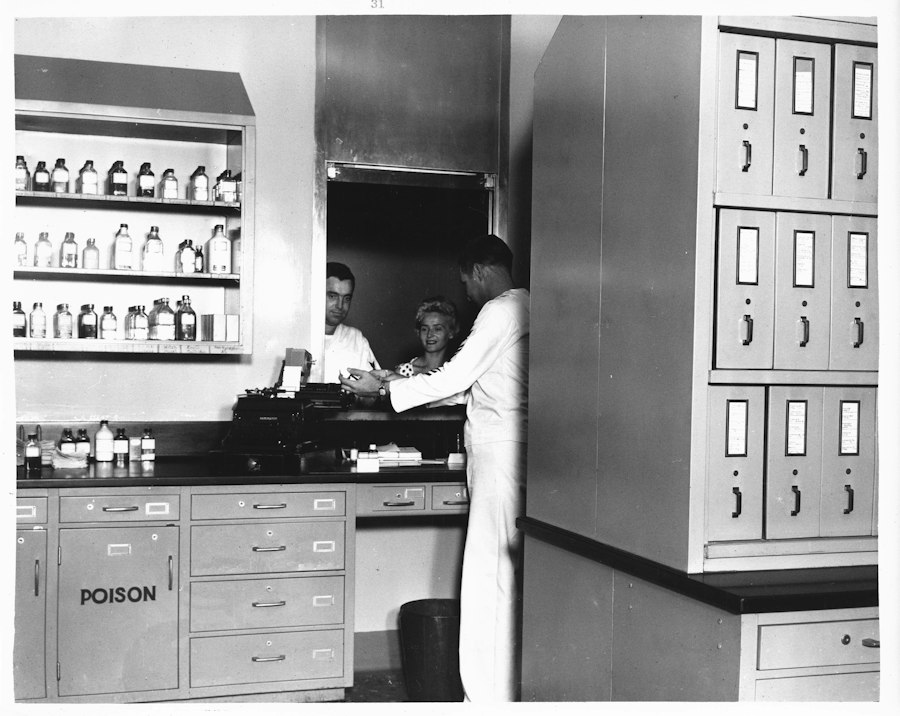
The Rosenhan experiment offered stark insights into the societal and personal impact of psychiatric labels. The pseudopatients, despite their genuine psychological health, were subjected to the stigma associated with being diagnosed with a mental illness. This stigma manifested in the way they were treated by hospital staff, who often interacted with them in a depersonalized and patronizing manner. The label, once attached, seemed to alter the fundamental perception of the individual, stripping away their personhood and replacing it with a diagnosis. This raised critical questions about the power of labels to shape not only how others perceive an individual but also how that individual might begin to perceive themselves.
Furthermore, the experiment provided a chilling demonstration of how labeling can become a self-fulfilling prophecy. The constant assumption of illness, even when not genuinely present, could lead to a situation where the individual’s behavior, in response to the environment, might inadvertently align with expectations of pathology. The depersonalized environment of the hospital, coupled with the assumption of illness, could foster a sense of learned helplessness or a resignation to the label. This was particularly evident in the pseudopatients’ accounts of their experiences, where they felt a growing sense of disillusionment with the system’s inability to see their sanity.
The Weight of the Diagnostic Label
The pseudopatients’ experiences clearly illustrated the immense weight that a psychiatric diagnosis carries. Once admitted and labeled as schizophrenic or suffering from manic-depressive psychosis, their behavior was consistently interpreted through this lens. Normal actions were re-framed as symptoms. For example, a pseudopatient’s desire to engage in conversation with staff was sometimes met with the observation that they were “overly friendly,” a trait that could be construed as part of their supposed illness. This highlights the pervasiveness of the diagnostic label, which seemed to permeate every interaction and every interpretation. The label effectively created a barrier between the individual and objective observation, solidifying the initial diagnosis regardless of subsequent evidence to the contrary. This phenomenon underscored the need for diagnostic processes that are sensitive to revision and open to re-evaluation.
The Specter of the Self-Fulfilling Prophecy
The Rosenhan experiment provided a compelling, albeit unintended, illustration of the self-fulfilling prophecy in the context of mental health. The pseudopatients, by being labeled as mentally ill, were placed in an environment that reinforced this assumption. The constant expectation of pathological behavior, even if the individual was feigning only a single symptom, could lead to a situation where the individual might begin to internalize aspects of the role. While the pseudopatients in the first phase were successful in eventually being discharged, their experiences hinted at the potential for the environment to foster or exacerbate symptoms in individuals who were genuinely struggling. The lack of a clear pathway to de-labeling, or even the potential for the system to inadvertently create pathology, was a significant concern raised by the study’s findings. The systematic re-framing of normal behavior as pathological was a powerful mechanism that could, in a more vulnerable individual, contribute to the development or worsening of mental health conditions.
The Second Act: Unmasking the Diagnostic Process
Following the publication of the initial findings, Rosenhan conducted a second, less publicized, but equally significant phase of his experiment. In this iteration, the staff at a psychiatric hospital were informed that during the next three months, one or more pseudopatients would attempt to be admitted. The actual pseudopatients, however, were not sent. The purpose of this second phase was to gauge whether the knowledge of the experiment would heighten the staff’s vigilance and improve their ability to distinguish between genuine patients and potential fakers. The intention was to see if the awareness of the diagnostic challenge would lead to more accurate assessments.
The results of this second phase were as surprising as the first, though in a different way. Of the 193 patients admitted, 41 were identified by at least one staff member as likely pseudopatients, and another 24 were suspected by clinicians to be pseudopatients. However, as no pseudopatients were actually sent, all of these identifications were false positives. This outcome revealed a critical paradox: when the staff were alerted to the possibility of deception, they became more likely to misidentify genuine patients as fakers. This suggested that the awareness of the experiment had not necessarily led to improved diagnostic accuracy but rather to a heightened sense of suspicion that could be misapplied.
The Heightened Suspicion Trap
The second phase of the Rosenhan experiment demonstrated a peculiar consequence of increased awareness regarding diagnostic fallibility. By informing the hospital staff that pseudopatients would be attempting admission, Rosenhan inadvertently created an environment of heightened suspicion. The staff, now actively looking for signs of deception, began to interpret the behavior of actual patients through a lens of doubt. This led to a significant number of false positives, where individuals with genuine mental health concerns were incorrectly flagged as potential fakers. This outcome was a critical counterpoint to the initial findings; while the first phase revealed the ease with which sane individuals could be diagnosed as insane, the second phase showed how suspicion, when misapplied, could lead to a different form of diagnostic error.
The Ambiguity of “Fake”
The second phase of the Rosenhan experiment threw into sharp relief the inherent ambiguity in identifying a “fake” patient. The staff’s conviction that they could identify pseudopatients proved to be a mirage. The fact that 41 patients were identified as potential fakers, when no such individuals were present, highlighted the subjective nature of such judgments. What one clinician might deem as suspicious behavior, another might interpret as a symptom of genuine illness. This underscores the difficulty of establishing objective criteria for distinguishing between feigned and genuine symptoms, especially in a complex and often nuanced field like psychiatry. The experiment suggested that the pressure to identify fakers could lead to a more judgmental and less empathetic approach to patient assessment, potentially harming those who genuinely needed help.
The Rosenhan experiment, which highlighted the challenges of diagnostic consistency in psychiatric evaluations, has sparked ongoing discussions in the field of psychology. A related article that delves deeper into the implications of this study can be found at Unplugged Psych. This resource explores how the findings of the experiment continue to influence contemporary mental health practices and the importance of accurate diagnoses in ensuring effective treatment.
Enduring Legacy and Evolving Diagnostics
| Aspect | Details | Metric / Data | Notes |
|---|---|---|---|
| Number of Pseudopatients | Individuals who feigned auditory hallucinations to gain admission | 8 | All admitted to various psychiatric hospitals |
| Hospitals Involved | Different psychiatric hospitals across the US | 12 | Varied in location, size, and funding |
| Initial Diagnosis | Diagnosis given upon admission | 7 Schizophrenia, 1 Bipolar Disorder | Despite identical symptoms (fake), diagnoses varied slightly |
| Length of Hospital Stay | Duration pseudopatients remained hospitalized | 7 to 52 days (average 19 days) | Discharge diagnosis was always “schizophrenia in remission” |
| Diagnostic Consistency | Consistency of diagnosis across hospitals | Low | Varied diagnoses despite identical symptoms |
| Staff Detection Rate | Percentage of hospital staff who suspected pseudopatients | 0% | No staff identified pseudopatients during stay |
| Patient Detection Rate | Percentage of actual patients who suspected pseudopatients | 35% | Some patients suspected pseudopatients |
| False Positive Rate (Staff) | Staff falsely identified genuine patients as impostors | 41% | Indicates diagnostic unreliability and bias |
The Rosenhan experiment, despite its age, continues to exert a profound influence on psychiatric theory and practice. Its primary contribution lies in its stark demonstration of the potential for diagnostic inconsistency and the impact of labeling. The study ignited widespread debate about the validity and reliability of psychiatric diagnoses, prompting significant introspection within the field. In response to the criticisms leveled by the experiment, the psychiatric community has made considerable strides in refining diagnostic criteria and improving training. The development and subsequent revisions of the Diagnostic and Statistical Manual of Mental Disorders (DSM) can be seen, in part, as a response to the challenges raised by Rosenhan’s work, aiming for greater specificity and objectivity.
However, the experiment also serves as a cautionary tale. It reminds clinicians of the importance of maintaining a critical perspective, of being aware of potential biases, and of recognizing the human element in diagnosis. The power of the label, the potential for institutional inertia, and the risk of misinterpreting normal behavior as pathological remain relevant concerns. The Rosenhan experiment has spurred ongoing research into diagnostic validity, the development of more objective assessment tools, and a greater emphasis on patient-centered care. Its legacy is not in providing definitive answers, but in posing critical questions that continue to shape the evolution of mental healthcare, pushing for a system that is more accurate, more humane, and more attuned to the complexities of the human mind.
Refinements in Diagnostic Frameworks
The impact of the Rosenhan experiment on diagnostic frameworks has been undeniable. Before the study, psychiatric diagnoses were often based on broader, less precisely defined criteria. The experiment highlighted the subjectivity inherent in these diagnoses and the ease with which they could be applied to individuals without genuine pathology. This led to a push for more rigorous and standardized diagnostic procedures. The development of the DSM, and its subsequent revisions, has been a significant response to this challenge. Each iteration of the DSM has aimed to provide clearer definitions, more specific criteria, and greater inter-rater reliability. While no diagnostic system is perfect, the ongoing efforts to refine these frameworks are a direct consequence of the critical questions posed by Rosenhan’s groundbreaking research, aiming to reduce the likelihood of misdiagnosis and ensure that interventions are targeted at genuine conditions.
The Humanistic Imperative in Care
Beyond the technical aspects of diagnosis, the Rosenhan experiment left an indelible mark on the ethical and humanistic considerations within psychiatry. It starkly illustrated the potential for the system to dehumanize individuals through the application of labels and the impersonal nature of institutional care. The pseudopatients’ accounts of feeling invisible, dismissed, and mistreated served as a powerful call for greater empathy and respect in psychiatric settings. This has contributed to a growing emphasis on patient-centered care, where the individual’s subjective experience is valued, and where therapeutic relationships are built on trust and understanding. The experiment reminds practitioners that behind every diagnosis is a person, and that the process of healing requires not just clinical intervention, but also compassion, dignity, and the recognition of individual humanity.

What Did Rosenhan Leave Out of His Famous Study?
FAQs
What was the Rosenhan experiment?
The Rosenhan experiment was a famous study conducted in the 1970s to investigate the reliability of psychiatric diagnoses in mental health institutions.
How was the Rosenhan experiment conducted?
Researchers, including psychologist David Rosenhan, had eight people feign auditory hallucinations to gain admission to psychiatric hospitals. Once admitted, they behaved normally and reported that the hallucinations had ceased.
What were the results of the Rosenhan experiment?
The results showed that all participants were diagnosed with psychiatric disorders, such as schizophrenia, despite showing no symptoms. This highlighted the lack of diagnostic consistency in mental health institutions.
What impact did the Rosenhan experiment have on the field of psychology?
The Rosenhan experiment raised concerns about the reliability and validity of psychiatric diagnoses, leading to changes in diagnostic practices and increased awareness of the importance of accurate assessments in mental health settings.
How did the Rosenhan experiment contribute to the understanding of mental health stigma?
The Rosenhan experiment shed light on the potential for stigma and labeling within mental health institutions, as individuals were labeled with psychiatric disorders based on subjective observations rather than objective criteria.