
The Genesis of Doubt: Rosenhan’s Audacious Experiment
In the annals of psychological research, few studies have ignited as much debate and introspection as the Rosenhan experiment. Conducted by psychologist David Rosenhan and published in the prestigious journal Science in 1973, the study, officially titled “On Being Sane in Insane Places,” dared to challenge the very foundations of psychiatric diagnosis. It was an audacious undertaking, a carefully orchestrated deception designed to expose the inherent limitations and potential biases within the mental healthcare system of the time. The study’s implications resonated far beyond academic circles, prompting critical re-evaluations of how mental illness was perceived, diagnosed, and treated, and inadvertently creating a defense context for questioning psychiatric pronouncements.
Rosenhan’s experiment was not born out of a vacuum. The mid-20th century saw a surge in psychiatric diagnoses, with a growing reliance on the Diagnostic and Statistical Manual of Mental Disorders (DSM). However, a persistent undercurrent of skepticism existed regarding the reliability and validity of these diagnoses. Concerns were raised about the subjective nature of psychiatric assessment, the potential for labeling and stigma, and the power wielded by mental health professionals. Rosenhan, a concerned observer of this landscape, sought to empirically test these concerns in a way that was both innovative and deeply unsettling. He wanted to answer a fundamental question: if sane people could be misdiagnosed as insane, what did that say about the accuracy and objectivity of the diagnostic process itself? The study’s design was elegantly simple in its premise but complex in its execution, involving a group of volunteers, dubbed “pseudopatients,” who simulated symptoms of mental illness to gain admission to psychiatric hospitals.
The Rosenhan study, which highlighted the challenges of psychiatric diagnosis and the potential for mislabeling individuals, has sparked ongoing discussions about the validity and reliability of psychiatric assessments. A related article that delves deeper into the implications of this study and explores the concept of contextual diagnosis is available at Unplugged Psych. This article examines how understanding the context of a patient’s life can lead to more accurate diagnoses and better treatment outcomes, providing valuable insights into the complexities of mental health evaluation.
The Structure of Deception: Methodology and Execution
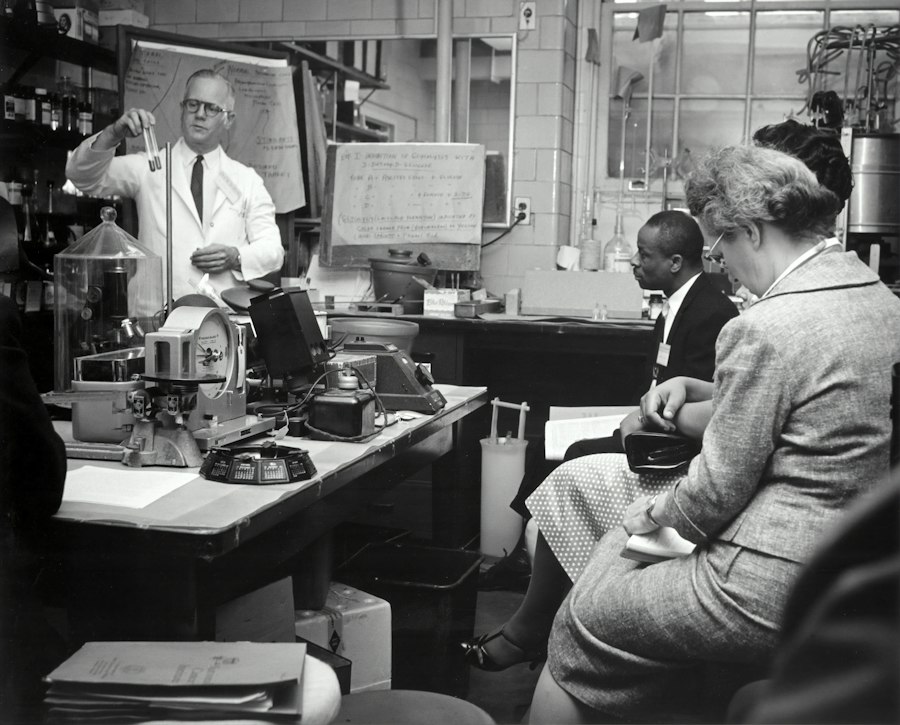
The Rosenhan study was meticulously planned and executed, employing a multi-stage approach that involved both the pseudopatients and the actual psychiatric institutions. The core of the experiment rested on the concept of ” ingreso provocada” or induced admission, where individuals intentionally presented themselves for psychiatric evaluation.
The Pseudopatients’ Strategy
Eight pseudopatients, comprising five men and three women, participated in the study. These individuals were not genuinely suffering from mental illness; they were all psychologically healthy, including psychologists, psychiatrists, and graduate students. To gain admission, each pseudopatient contacted a psychiatric hospital and complained of hearing voices. Specifically, they reported hearing a voice, sometimes described as “thud,” “empty,” and “hollow,” uttering the word “thud.” This fabricated symptom was chosen deliberately for its ambiguity. It was not a classic hallucination indicative of a specific disorder, making it more challenging to dismiss. Beyond this single symptom, the pseudopatients behaved normally during their admissions. They answered all questions truthfully about their life histories, relationships, and work, and did not feign any other symptoms. Once admitted, their goal was to be discharged as “sane.”
The Institutional Setting and Data Collection
The pseudopatients sought admission to twelve psychiatric hospitals across five states in the United States. These institutions varied in their type and reputation, ranging from well-funded private hospitals to understaffed public facilities. This diversity was crucial to ensuring the generalizability of the findings; it wasn’t just one flawed institution being studied, but a broader sample of the psychiatric landscape.
Upon admission, the pseudopatients were diagnosed with various mental disorders, predominantly schizophrenia. The diagnoses were made by the attending physicians, and the pseudopatients were given medication, often without their consent or knowledge of its purpose or dosage. They spent an average of 19 days in the hospital, with the longest stay being 52 days and the shortest 7 days. During their stay, they kept detailed notes of their experiences, observing the interactions between staff and patients, the general atmosphere of the hospital, and the treatment they received. These field notes were the primary source of qualitative data for the study.
The Unveiling of Reality: Discharge and Diagnosis
The ultimate goal of the pseudopatients was to be discharged, ideally with a diagnosis of “in remission” rather than “cured.” This distinction was important because a diagnosis of “cured” would imply that the initial diagnosis was correct and that the pseudopatient had truly been ill. Being discharged as “in remission” suggested that the illness was still present but no longer manifested, a subtler and perhaps more plausible outcome for someone who had seemingly recovered.
The study revealed a stark contrast between the pseudopatients’ outward normalcy and the labels assigned to them. The fact that their genuine sanity was not recognized by the medical professionals highlights a critical issue in diagnostic objectivity. The study’s results were deeply disturbing, demonstrating how easily subjective interpretations and pre-existing assumptions could override objective observation, especially within the enclosed and often insular world of a psychiatric institution.
The Stigma of the Label: How Sanity Was Overlooked

One of the most profound and disturbing findings of the Rosenhan study was the pervasive difficulty the pseudopatients encountered in convincing hospital staff of their sanity. Despite their normal behavior and sincere attempts to communicate their desire for release, they were consistently met with skepticism and their actions were reinterpreted through the lens of their presumed illness. This demonstrated the powerful influence of diagnostic labels and the phenomenon of “diagnostic overshadowing.”
The Power of the Label
Once a diagnosis was assigned, it seemed to color every aspect of the patient’s interaction with the medical staff. Behaviors that would ordinarily be considered normal in the outside world were reinterpreted as symptoms of mental illness. For instance, a pseudopatient who took notes of his experiences was seen as engaging in writing behaviors characteristic of schizophrenia. His attempts to engage in conversations with staff were often dismissed or interpreted as attempts to manipulate or deceive. The diagnostic label acted as a powerful filter, shaping the perception of reality for the mental health professionals. It created a self-fulfilling prophecy, where any deviation from the expected behavior of a diagnosed patient was interpreted as further evidence of their illness.
The Mistrust of the Pseudopatient
The pseudopatients found that their pleas for release were largely ignored. They were seen as patients attempting to “game” the system, and their requests were often met with patronizing reassurances that they were not yet ready to be discharged. The staff seemed to trust their initial diagnoses more than the direct assertions of the individuals themselves. This created a sense of helplessness and frustration among the pseudopatients, who were trapped within a system that was predisposed to believe in their illness, regardless of contradictory evidence.
The Absence of Genuine Interaction
The study also highlighted a lack of genuine human connection and empathy within the psychiatric setting. The pseudopatients reported feeling depersonalized and invisible. Staff members often avoided eye contact and engaged in minimal interaction. This detachment contributed to the difficulty in establishing trust and fostering an environment where a patient’s claims of sanity could be genuinely heard and considered. The sheer volume of patients and the demanding nature of the work likely played a role, but the overarching diagnostic framework seemed to further impede meaningful human interaction. The study revealed that the hospital environment, designed to heal, could also become a place of profound isolation and misjudgment, where the very act of seeking help could lead to a loss of one’s perceived identity.
The Mirror of the Institution: Critiquing Psychiatric Practice
Beyond the individual experiences of the pseudopatients, the Rosenhan study offered a scathing critique of the broader psychiatric system. It exposed systemic flaws in diagnostic practices, the dehumanizing nature of institutionalization, and the potential for professional bias. The study’s findings were not isolated incidents; they pointed to widespread issues that needed urgent attention.
Diagnostic Reliability and Validity
The study raised significant questions about the reliability and validity of psychiatric diagnoses at the time. The fact that eight sane individuals could be consistently misdiagnosed with serious mental illness suggested that the diagnostic criteria were either too broad, too subjective, or poorly applied. The diagnoses assigned to the pseudopatients varied among the hospitals, further underscoring the lack of consistent diagnostic practice. This lack of standardization made it difficult to ensure that patients were receiving appropriate care based on accurate assessments. The study inadvertently provided a potent defense context for individuals whose sanity was being questioned, as it demonstrated that psychiatric diagnoses were not infallible pronouncements.
The Nature of Institutionalization
The dehumanizing aspects of psychiatric hospitals were a recurring theme in the pseudopatients’ accounts. They described an environment where patients were stripped of their individuality, their privacy was violated, and their autonomy was severely limited. The power imbalance between staff and patients was stark, and the lack of patient involvement in treatment decisions was evident. The study painted a picture of institutions that, while intended to provide care, could also foster an atmosphere of powerlessness and depersonalization, where patients were treated as objects of study rather than as individuals with agency.
The Influence of Professional Bias
Rosenhan suggested that the staff’s pre-existing beliefs and expectations about mental illness played a significant role in their diagnostic and treatment decisions. The professionals were trained to identify pathology, and once a patient was labeled as mentally ill, their subsequent behavior was interpreted through that lens. This inherent bias, coupled with the pressure to maintain order and manage large patient populations, could lead to a perpetuation of misdiagnoses and a reluctance to challenge initial assumptions. The study implied that a form of “diagnostic momentum” could develop, where an initial diagnosis, even if erroneous, would be difficult to overturn.
The Rosenhan study, which highlighted the challenges of psychiatric diagnosis and the potential for mislabeling individuals, has sparked ongoing discussions about the validity of psychiatric assessments. A related article that delves deeper into the implications of contextual diagnosis and the defense of psychiatric practices can be found at Unplugged Psych. This resource provides valuable insights into how context plays a crucial role in understanding mental health diagnoses and emphasizes the importance of a nuanced approach in psychiatric evaluations.
Echoes in the Courtroom: The Defense Context
| Aspect | Details |
|---|---|
| Study Name | The Rosenhan Experiment (1973) |
| Objective | To investigate the validity of psychiatric diagnoses and the impact of context on diagnosis |
| Methodology | Eight “pseudopatients” feigned auditory hallucinations to gain admission to psychiatric hospitals |
| Key Finding: Diagnostic Context | Once admitted, normal behavior was interpreted as pathological due to the psychiatric context |
| Average Hospital Stay | 19 days |
| Diagnosis Given | All pseudopatients diagnosed with schizophrenia except one with bipolar disorder |
| Defense of Contextual Diagnosis | Highlights how diagnostic labels can be influenced by the environment and expectations rather than objective symptoms alone |
| Implications | Calls for more rigorous and context-aware diagnostic criteria in psychiatry |
The Rosenhan study’s impact extended far beyond academic discourse, significantly influencing the legal and defense contexts surrounding psychiatric evaluations. Its findings provided a crucial lens through which to question the pronouncements of mental health professionals in legal proceedings, particularly in criminal cases where sanity was a key issue.
Undermining the Aura of Authority
Prior to the Rosenhan study, psychiatric diagnoses often carried a significant weight of authority in legal settings. Judges, juries, and lawyers tended to view expert psychiatric testimony as highly credible, almost beyond reproach. The study, however, demonstrated that even seemingly authoritative diagnoses could be flawed and easily influenced by situational factors and biases. This eroded the unquestioned authority of psychiatric evaluations, empowering defense attorneys to challenge the validity of such assessments more effectively. The study’s very existence suggested that the pronouncements of psychiatrists were not immutable truths, but rather interpretations that could be fallible.
The Right to Question Expertise
The Rosenhan experiment provided a powerful, albeit indirect, justification for defense attorneys to rigorously examine the methodologies and conclusions of court-appointed or prosecution-appointed psychiatrists. If sane individuals could be diagnosed as insane, then the opposite could also be true: individuals with genuine mental health issues could be misdiagnosed, or their conditions could be exaggerated or minimized. This opened the door for defense teams to probe for potential biases, methodological flaws, or situational influences that might have affected the psychiatric evaluation. The study instilled a healthy skepticism, encouraging a more critical approach to psychiatric testimony and fostering a greater emphasis on the defense’s right to present its own expert opinions and challenge the prosecution’s.
The Insanity Defense Re-examined
The insanity defense, which relies heavily on psychiatric assessments of an individual’s mental state at the time of a crime, was particularly impacted. The study didn’t negate the concept of the insanity defense, but it highlighted the inherent difficulties in definitively determining an individual’s sanity. Defense attorneys could now argue that the subjectivity and potential for error in psychiatric diagnosis meant that such assessments should not be the sole determinant of legal responsibility. This led to a greater emphasis on other evidence, such as eyewitness testimony, forensic evidence, and the defendant’s behavior before and after the crime, to build a more comprehensive picture of their mental state. The Rosenhan study served as a potent reminder that psychiatric diagnoses, while valuable, were not infallible keys to unlocking the complex realities of human behavior, especially in the high-stakes arena of the courtroom. It provided a powerful psychological precedent for doubt, allowing for a more robust defense against what might otherwise be considered unassailable psychiatric conclusions.
Lasting Legacies and Modern Repercussions
The Rosenhan study, despite being conducted decades ago, continues to exert a profound influence on contemporary psychiatric practice, research, and legal discourse. Its findings served as a catalyst for significant reforms and have shaped ongoing debates about mental health.
Reforms in Diagnostic Systems
The study’s critique of diagnostic reliability led to significant revisions in subsequent editions of the DSM. Efforts were made to improve the clarity and objectivity of diagnostic criteria, reduce ambiguity, and incorporate more research-based evidence. The DSM-IV and DSM-5, for instance, introduced more detailed symptom checklists, severity ratings, and specified duration requirements for diagnoses, aiming to enhance diagnostic consistency. While the debate about the perfect diagnostic system continues, the Rosenhan study undeniably played a role in pushing for greater rigor and empirical grounding in psychiatric classification.
Heightened Awareness of Stigma and Labeling
The study brought the issue of stigma associated with mental illness to the forefront. The experience of the pseudopatients, who were treated as fundamentally different and untrustworthy once labeled, underscored the damaging effects of psychiatric labeling. This heightened awareness has led to ongoing efforts to reduce stigma through public education campaigns, mental health advocacy, and a greater emphasis on person-centered language in both professional and public discourse. The understanding that a label can profoundly alter how an individual is perceived and treated remains a critical takeaway from Rosenhan’s work.
The Ongoing Challenge of Subjectivity
Despite advancements, the inherent subjectivity in psychiatric diagnosis remains a persistent challenge. While diagnostic criteria have become more refined, clinical judgment, interpretation of behavior, and the influence of personal biases can still play a role. The Rosenhan study serves as a perpetual reminder that the field of mental health is not an exact science and that vigilance is required to ensure that diagnoses are as objective and fair as possible. It underscores the importance of ongoing research, inter-rater reliability studies, and continuous professional development for mental health professionals.
The Continuing Defense Context
In legal proceedings, the lessons of the Rosenhan study endure. Defense attorneys continue to utilize the study’s findings to question the certainty of psychiatric evaluations, particularly when those evaluations are crucial to determining guilt or innocence. The study encourages a thorough examination of the diagnostic process, the qualifications of the diagnostician, and the potential for external influences. It fosters an environment where the defense is empowered to advocate for a more nuanced and critical assessment of mental health in legal contexts, ensuring that the scales of justice are not tipped solely by potentially flawed psychiatric pronouncements. The study’s legacy is one of questioning, of demanding empirical evidence, and of advocating for the human dignity of those within the mental healthcare system and the legal system.

What Did Rosenhan Leave Out of His Famous Study?
FAQs
What was the Rosenhan study?
The Rosenhan study was a famous psychological experiment conducted in the 1970s to investigate the validity of psychiatric diagnosis and the reliability of psychiatric hospitals.
What is contextual diagnosis?
Contextual diagnosis refers to the consideration of a person’s environment, circumstances, and social context when making a diagnosis, rather than solely focusing on symptoms or behaviors.
What is the defense of contextual diagnosis in the Rosenhan study?
In the Rosenhan study, the defense of contextual diagnosis argues that misdiagnoses and labeling of patients as mentally ill can occur due to the environment of psychiatric hospitals and the subjective judgments of healthcare professionals, rather than the actual presence of a mental disorder.
How did the Rosenhan study impact the field of psychology?
The Rosenhan study had a significant impact on the field of psychology by raising awareness about the limitations of psychiatric diagnosis, the importance of considering context in mental health assessments, and the need for reform in mental healthcare systems.
What are some criticisms of the Rosenhan study’s findings?
Some criticisms of the Rosenhan study include concerns about its methodology, generalizability, and potential bias in interpreting the results. Critics argue that the study may have oversimplified complex issues in mental health diagnosis and treatment.