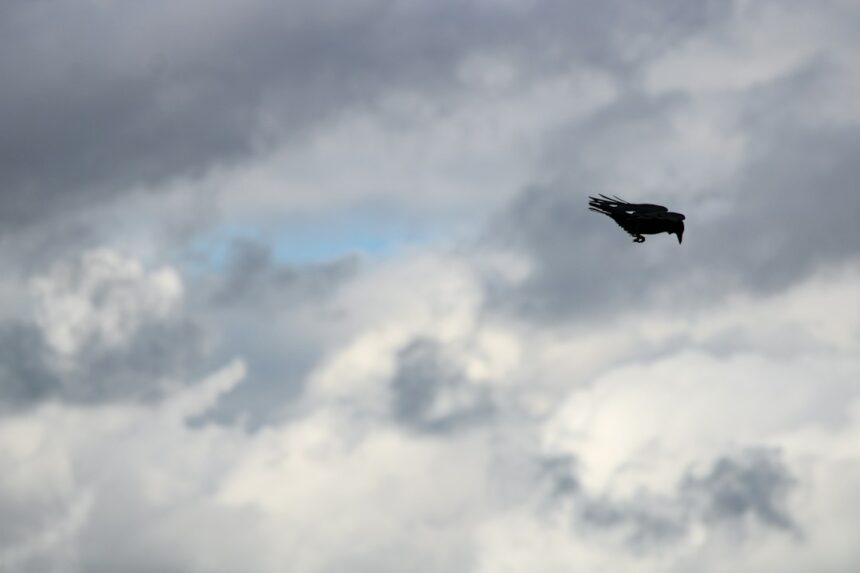
Unveiling the Skies: The UAP Task Force and Misidentification
The United States Air Force, in its ongoing commitment to understanding unexplained aerial phenomena (UAP), has meticulously reviewed decades of reports, drawing upon the expertise of seasoned investigators and advanced technological capabilities. At the forefront of this endeavor is the UAP Task Force, established to provide a standardized reporting and analysis process for UAP sightings. This task force, comprised of intelligence officers, aviators, and scientists, has been instrumental in sifting through a vast repository of information, much of which has been previously categorized under the umbrella of Unidentified Flying Objects (UFOs). The shift in terminology to UAP reflects a broader, more analytical approach, acknowledging that these phenomena are not necessarily extraterrestrial in origin, but rather are simply objects or events in the sky whose nature is not immediately understood.
The primary objective of the UAP Task Force is to enhance the safety and security of U.S. airspace and to identify any potential threats, whether they originate from foreign adversaries, novel technological advancements, or, as initial investigations have suggested, natural phenomena that have been widely misinterpreted. Their work involves rigorous data collection, including pilot reports, sensor data, and photographic or video evidence. This information is then subjected to a comprehensive analysis, aiming to identify commonalities, patterns, and potential explanations. The sheer volume of reported sightings presents a significant challenge, requiring sophisticated methodologies to differentiate between credible observations and those that may be influenced by psychological factors, environmental conditions, or even known aircraft operating under clandestine conditions. The historical context of UFO investigations, often shrouded in sensationalism and speculation, provides a complex backdrop against which the UAP Task Force operates, striving for scientific objectivity and empirical evidence.
The Genesis of UAP Investigation
The modern era of UAP investigation within the U.S. military has a complex lineage, extending back to the Cold War and beyond. While public fascination with UFOs surged in the mid-20th century, official military interest, though often classified, has persisted. Early Air Force projects, such as Project Blue Book, attempted to address the public’s concerns and to explain away sightings through scientific analysis. However, these efforts were often criticized for their limited scope and a perceived predisposition to dismiss unconventional explanations. The establishment of the UAP Task Force represents a more mature and structured approach, born from a renewed recognition of the importance of understanding all activities within U.S. airspace, regardless of their perceived origin.
The intelligence community’s involvement in UAP investigations has also evolved significantly. With advancements in sensor technology and increased global surveillance, the ability to collect data on aerial objects has vastly improved. This has, in turn, led to a greater number of reports being flagged for investigation. The UAP Task Force serves as a central hub for this information, ensuring that disparate reports from various branches of the military and intelligence agencies are collated and analyzed systematically. Their mandate is to provide a clear, unvarnished assessment of what is being observed, free from the stigma that has historically been attached to UAP discussions. This commitment to transparency, within national security constraints, is crucial for fostering public trust and for enabling a more informed scientific and policy response to the phenomenon.
Methodologies Employed in UAP Analysis
The UAP Task Force employs a multi-disciplinary approach to its investigations, drawing upon a wide range of scientific and technical expertise. This includes, but is not limited to, aeronautical engineering, atmospheric science, physics, and sensor technology. Reports are initially screened for basic information such as location, time, duration, and observational conditions. Subsequently, a more in-depth analysis is conducted, which may involve cross-referencing with known flight data, meteorological records, and satellite imagery. The goal is to eliminate all plausible explanations before considering more speculative ones.
One of the key challenges in UAP investigation is the quality of the data itself. Many sightings are reported by civilian witnesses or even military personnel operating under stressful or rapidly changing conditions. This can lead to anecdotal evidence that is difficult to verify. The task force prioritizes reports from trained observers, such as military pilots, who are accustomed to documenting their surroundings with precision. Furthermore, the integration of advanced sensor systems, such as radar and infrared cameras, provides a more objective and quantifiable dataset. The analysis of these sensor readings, when correlated with visual observations, can offer crucial insights into the physical characteristics and performance of the observed phenomena.
In recent discussions about the Air Force’s investigations into unidentified flying objects (UFOs), an intriguing article titled “The Connection Between Birds and UFO Sightings” sheds light on the phenomenon of aerial encounters. This article explores how avian behavior may influence or correlate with reported UFO sightings, providing a unique perspective on the ongoing discourse surrounding aerial phenomena. For more insights, you can read the full article here: The Connection Between Birds and UFO Sightings.
The Persistent Influence of Avian Misidentification
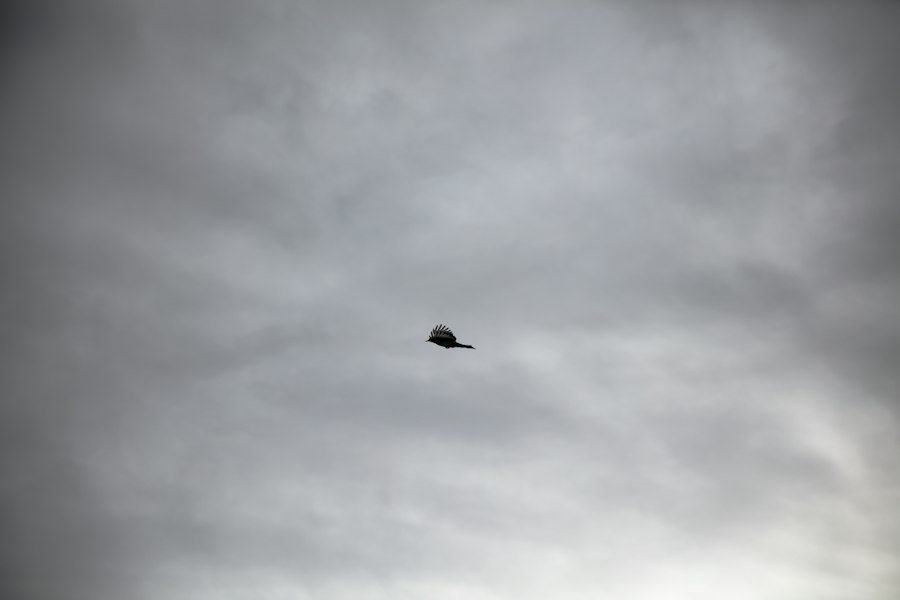
Among the myriad of potential explanations for UAP sightings, one recurring and remarkably persistent factor consistently emerges from detailed investigations: the misidentification of common avian species. For decades, anecdotal accounts and now, more formal analyses, have pointed to birds as a significant source of confusion, particularly for untrained observers or in suboptimal viewing conditions. The UAP Task Force, in its rigorous examination of reported incidents, has identified that a substantial percentage of seemingly anomalous aerial observations can be attributed to the behavior and appearance of birds, especially when viewed from a distance, at high speeds, or under specific atmospheric or lighting conditions.
The inherent characteristics of many bird species contribute to their potential for misidentification. Their ability to fly at considerable altitudes, their often erratic flight paths, and their capacity to appear as small, indistinct shapes against the vast canvas of the sky all play a role. When combined with the psychological phenomenon of pareidolia – the tendency to perceive a specific, often meaningful, image in a random or ambiguous visual pattern – the likelihood of mistaking a bird for something more extraordinary increases. This is particularly true in cases where observers are already primed to expect unusual aerial activity, a sentiment that has been amplified by decades of popular culture surrounding UFOs.
The Elusive Nature of Avian Signatures
Birds, by their very nature, present a unique challenge for identification in the aerial environment. Their flight patterns are inherently dynamic and often difficult to categorize within standard aerodynamic models. Unlike the predictable trajectories of conventional aircraft, birds exhibit a fluid and often unpredictable motion, characterized by sudden ascents, descents, and sharp turns. This variability can make it difficult for observers, especially those relying on visual cues alone, to correlate the observed behavior with known biological entities.
Furthermore, the visual signature of birds can be highly variable depending on a multitude of factors. Sunlight glinting off feathers can create transient flashes of light that might be mistaken for propulsion systems or unusual energy emissions. The silhouette of a bird against a bright sky can be distorted, making it challenging to ascertain its size and shape. At high altitudes, the atmospheric conditions themselves can play a trick on the eye, causing objects to appear larger or smaller than they actually are. The UAP Task Force has found that careful consideration of these factors, often overlooked in initial reports, can quickly demystify many seemingly anomalous sightings.
Environmental and Observational Factors
The conditions under which a UAP sighting occurs can dramatically influence the observer’s perception and the likelihood of misidentification. Factors such as time of day, atmospheric clarity, and the observer’s vantage point all play a critical role. For instance, a flock of birds silhouetted against a setting sun might create a collective, amorphous shape that appears more structured or artificial than it actually is. Similarly, on hazy or foggy days, distant objects, including birds, can become blurred and indistinct, leading to misinterpretations of their form and movement.
The speed at which an observer is moving, whether in an aircraft or a vehicle on the ground, can also contribute to misidentification. Rapid movement can compress the time available for accurate observation and analysis, making it difficult to process visual information effectively. The UAP Task Force has noted that pilots, particularly those operating at high speeds, may have fleeting glimpses of objects that, upon subsequent review with more stable observation platforms or sensor data, are revealed to be mundane. The psychological impact of altitude and the vastness of the sky can also contribute to a heightened sense of awareness and a predisposition to interpret unusual visual stimuli as significant.
The Role of Conventional Aircraft and Drones

Beyond avian misidentification, the UAP Task Force has also dedicated significant resources to investigating whether reported phenomena could be attributed to conventional aircraft, including those operated by foreign adversaries, or the rapidly expanding array of unmanned aerial vehicles (UAVs), commonly known as drones. The proliferation of sophisticated drone technology, in particular, has introduced a new dimension to UAP investigations, as these devices are capable of performing maneuvers and exhibiting flight characteristics that were previously the exclusive domain of advanced military aircraft.
The challenge presented by conventional aircraft lies not only in their sheer numbers but also in the operational secrecy that often surrounds them. Military exercises, classified testing of new technologies, and clandestine reconnaissance missions can all lead to the presence of aircraft in airspace that is not generally monitored by the public or even by all segments of the military. The UAP Task Force’s mandate includes a thorough cross-referencing of all UAP reports with known flight plans, military operations, and civilian aviation traffic to rule out these more terrestrial explanations.
Stealth Technology and Classified Aircraft
The development of advanced stealth technologies has made certain military aircraft exceptionally difficult to detect by conventional radar and other sensor systems. These aircraft, designed to evade detection, can exhibit unusual flight characteristics that, when observed by personnel not privy to their operational status, could be interpreted as anomalous. The UAP Task Force is tasked with understanding the capabilities of these advanced platforms and factoring them into their analysis.
Furthermore, the possibility of foreign adversaries operating advanced aircraft or drones within or near U.S. airspace cannot be discounted. Intelligence gathering on the technological capabilities of other nations is a continuous process, and the UAP Task Force collaborates closely with intelligence agencies to assess whether any reported UAP could be indicative of a new or previously unknown foreign military technology. This often involves analyzing the performance characteristics of the observed object and comparing them to known or projected capabilities of other nations’ air forces.
The Ubiquitous Presence of Drones
The exponential growth in the accessibility and sophistication of drone technology has created a new category of potential UAP explanations. Drones, ranging from small recreational quadcopters to larger, military-grade unmanned systems, can operate at various altitudes and exhibit a wide array of flight behaviors. Their often silent operation and their ability to hover or move in unconventional patterns can make them appear highly unusual to an untrained observer.
The UAP Task Force meticulously analyzes reports to determine if the observed characteristics align with known drone capabilities. This involves considering factors such as the object’s speed, maneuverability, size, and any observable visual or auditory signatures. In many instances, reports of UAP have been subsequently identified as drone activity, particularly in areas where drone operations are common or have been recently introduced. The challenge lies in distinguishing between legitimate and unauthorized drone flights, as well as in identifying drones that may be operated for illicit purposes.
Scientific Scrutiny and Unconventional Explanations
While the UAP Task Force rigorously pursues conventional explanations, its mandate also requires an open mind to the possibility of phenomena that are not yet fully understood by current scientific paradigms. This commitment to scientific scrutiny means that, after all conventional explanations have been exhausted, the task force will consider more unconventional hypotheses, always grounded in empirical evidence and rigorous scientific methodology.
The process of scientific inquiry demands that even seemingly outlandish hypotheses be subjected to the same level of critical examination as more mundane ones. This involves seeking reproducible evidence, developing testable predictions, and collaborating with experts in relevant scientific fields to explore potential explanations that may lie beyond the current scope of known physics or engineering. The UAP Task Force’s approach is therefore one of cautious exploration, driven by a desire to uncover the truth, whatever that truth may be.
Atmospheric Phenomena and Optical Illusions
The Earth’s atmosphere is a dynamic and complex medium that can produce a wide range of visually striking phenomena. From lenticular clouds that can resemble hovering saucers to sprites and other upper-atmospheric electrical discharges, the sky itself can be a canvas for events that appear extraordinary to the casual observer. The UAP Task Force meticulously accounts for these known atmospheric phenomena in its investigations.
Optical illusions also play a significant role in UAP misidentification. For example, the reflection of lights from aircraft or ground-based sources on the inside of an aircraft cockpit canopy can create the illusion of an object that is external to the aircraft. Similarly, atmospheric refraction, particularly near the horizon, can distort the appearance of distant objects, making them seem to float or change shape. Understanding the principles of atmospheric optics and physics is therefore a crucial component of the UAP Task Force’s analytical toolkit.
The Edge of Scientific Understanding
In rare instances, UAP reports may present characteristics that defy easy explanation within the current framework of scientific knowledge. It is in these cases that the UAP Task Force, in collaboration with leading scientific institutions and researchers, engages in a deeper level of inquiry. This might involve exploring theoretical physics, advanced materials science, or even the potential for novel propulsion systems that are not yet widely understood or industrialized.
The scientific process is one of continuous evolution, and new discoveries often emerge from the investigation of phenomena that initially appear inexplicable. The UAP Task Force’s approach is to remain open to these possibilities, while always adhering to the highest standards of scientific rigor. The ultimate goal is not to jump to extraordinary conclusions, but rather to systematically investigate, analyze, and, where possible, explain all observed aerial phenomena, thereby contributing to a broader understanding of our airspace and the universe around us.
Recent developments in the Air Force’s investigation into unidentified flying objects have sparked curiosity among enthusiasts and skeptics alike, particularly regarding the phenomenon of birds and their potential misidentification as UFOs. A related article explores this intriguing connection, shedding light on how natural wildlife can sometimes lead to confusion in aerial sightings. For more insights on this topic, you can read the full article here.
Implications for National Security and Future Research
| Metric | Value | Description |
|---|---|---|
| Number of UFO Reports Involving Birds | 45 | Incidents where bird activity was initially mistaken for UFOs |
| Percentage of UFO Cases Attributed to Birds | 12% | Proportion of total Air Force UFO investigations explained by bird sightings |
| Average Investigation Duration | 3 days | Time taken to conclude bird-related UFO reports |
| Common Bird Species Mistaken for UFOs | Hawks, Swallows, Pigeons | Birds frequently misidentified during UFO investigations |
| Number of Training Sessions for Identifying Birds | 8 | Air Force sessions aimed at reducing bird-related UFO misidentifications |
The findings from the UAP Task Force, even those that identify familiar explanations like birds, have significant implications for national security and the future direction of research. By systematically identifying and categorizing UAP reports, the task force contributes to a more accurate threat assessment, a better understanding of airspace utilization, and the refinement of observational and analytical capabilities. The continuous learning process inherent in UAP investigations helps to maintain a heightened state of vigilance and preparedness.
Moreover, the emphasis on scientific rigor and the willingness to consider unconventional explanations, while remaining grounded in empirical evidence, fosters an environment conducive to innovation. The data collected and the analyses performed by the UAP Task Force can inform the development of new technologies, improve sensor capabilities, and enhance pilot training. This ongoing effort is not merely about explaining the past, but about safeguarding the future of aerial security and advancing human knowledge about the phenomena that occur in our skies.
Enhancing Airspace Awareness and Safety
The persistent identification of birds and other mundane objects as UAP highlights a critical need for enhanced training and awareness among personnel who operate in or monitor U.S. airspace. By understanding the common sources of misidentification, pilots and radar operators can be better equipped to differentiate between credible threats and everyday occurrences. This improved discernment directly contributes to enhanced airspace awareness, reducing the likelihood of false alarms and allowing for a more focused response to genuine security concerns.
Furthermore, the UAP Task Force’s work can inform the development of standardized protocols for UAP reporting and analysis across all branches of the military and intelligence agencies. This standardization ensures consistency in data collection and interpretation, leading to more reliable findings and a more cohesive understanding of the UAP landscape. The ultimate goal is to create an environment where every reported aerial anomaly is investigated with the utmost diligence, but also with a clear understanding of the most probable explanations.
The Evolving Landscape of UAP Research
The ongoing efforts of the UAP Task Force are not static; they represent a dynamic and evolving field of research. As technology advances and our understanding of the natural world deepens, the methodologies employed in UAP investigation will undoubtedly continue to evolve. The commitment to an open, scientific approach ensures that this research remains at the forefront of our efforts to comprehend the unexplained.
The findings, such as the frequent misidentification of birds, serve as valuable data points that refine our understanding of perception, environmental factors, and the limitations of observational capabilities. This knowledge is not only crucial for the UAP Task Force but also has broader applications in fields ranging from aviation safety to ecological monitoring. The UAP Task Force’s commitment to rigorous, evidence-based investigation is therefore a vital undertaking, contributing to both national security and the expansion of scientific knowledge.

The Pentagon’s 1952 UFO Film Cuts to a Sewing Machine
FAQs
What is the purpose of the Air Force UFO investigation?
The purpose of the Air Force UFO investigation is to determine if unidentified flying objects pose a threat to national security or if they can be explained by natural or man-made phenomena.
How does the Air Force investigate UFO sightings?
The Air Force investigates UFO sightings by collecting and analyzing data, conducting interviews with witnesses, and collaborating with other agencies to gather information on the reported incidents.
Are birds often mistaken for UFOs during Air Force investigations?
Yes, birds are sometimes mistaken for UFOs during Air Force investigations due to their erratic flight patterns, reflective feathers, and the way they appear in certain lighting conditions.
What measures does the Air Force take to avoid misidentifying birds as UFOs?
The Air Force takes measures to avoid misidentifying birds as UFOs by training personnel to recognize common bird species, using radar and other technology to track flying objects, and consulting with ornithologists when necessary.
Have there been any notable cases where birds were mistaken for UFOs during Air Force investigations?
Yes, there have been notable cases where birds were mistaken for UFOs during Air Force investigations, leading to false alarms and misunderstandings that were later clarified through further analysis and research.