You stand there, a single individual amidst a swirling vortex of chaos. A fire rages, a floodwaters rise, a medical crisis unfolds – the scenarios are as varied as they are terrifying. In these moments, the sheer scale of the disaster can feel overwhelming, leading you to question the impact of your solitary presence. Can you, one person, truly make a difference when the world seems to be falling apart? The resounding answer is an emphatic, unshakeable, absolutely. Your individual actions, however small they may seem, possess a remarkable power to ripple outwards, to mitigate harm, and to even save lives.
The Spark of Initiative: Your Immediate Response
The very first moments of an emergency are often the most critical. This is where your personal agency, your willingness to act, becomes paramount. While larger organizations and official responders are on their way, there’s a window of time where your proactiveness can dramatically alter the course of events. It’s not about having a perfect plan or specialized training; it’s about recognizing a need and stepping into the void.
Recognizing and Assessing the Situation
Your initial instinct might be panic, a natural human response to danger. However, cultivating a capacity for calm observation is your first superpower. Before rushing in blindly, take a crucial moment to assess. What is happening? Who is in immediate danger? What are the most pressing threats? This doesn’t require a forensic analysis, but a quick, clear-eyed understanding of the immediate environment. Is there smoke? Is there a visible injury? Is there a clear escape route? This assessment, however brief, informs your subsequent actions and prevents you from becoming another casualty or inadvertently worsening the situation.
The Power of the First Call
In many emergencies, the timely and accurate communication of vital information is as crucial as any physical intervention. Your ability to make that first call – to emergency services, to a neighbor, to a loved one – can be the catalyst for a much larger, coordinated response. Think about it: without that initial alert, how would help even know where to go? Don’t underestimate the power of a clear, concise report of what you are seeing and experiencing. Specify your location, the nature of the emergency, and any immediate dangers you observe. This information is the lifeline that connects you and those around you to the resources that can provide aid.
Simple Acts of Immediate Assistance
You don’t need to be a paramedic to offer comfort or prevent further harm. In the immediate aftermath of an event, your basic human instincts can be incredibly effective. This could be as simple as helping someone who has fallen to get to a safe place, providing a blanket to someone who is cold and in shock, or directing confused individuals away from danger. These are not heroic feats; they are acts of basic humanity. By offering a steadying hand, a reassuring word, or a practical gesture, you can provide immediate relief and prevent minor incidents from escalating into more severe problems. Consider the scenario of a car accident: your ability to ensure the scene is safe for yourself and others, to check on the occupants, and to offer basic first aid if you have any training, can make a profound difference in the minutes before professional help arrives.
In exploring the concept of whether one person can make a difference in an emergency, it’s insightful to consider the article on the psychological impact of individual actions during crises. This article delves into how personal interventions can significantly influence outcomes and inspire others to act. For more information, you can read the full article here: Unplugged Psychology.
Mobilizing Your Resources: What You Can Do
Once the initial shock begins to subside, you have a multitude of resources at your disposal, even if you don’t perceive them as such. Your knowledge, your physical capabilities, and even your possessions can be leveraged to assist yourself and others. This is where your resourcefulness comes into play, turning everyday items and innate skills into tools for emergency response.
Utilizing Your Existing Skills and Knowledge
You might not have a medical degree or be a seasoned firefighter, but you possess a unique set of skills and knowledge acquired throughout your life. Think about your profession, your hobbies, even your daily routines. Are you a good organizer? Can you calm anxious people? Do you have experience with first aid or CPR? Even seemingly mundane skills can become invaluable in an emergency. If you’re a carpenter, you might know how to brace a damaged structure. If you’re a teacher, you might have excellent crowd management skills. If you’re a good cook, you might be able to organize food distribution for those displaced. Identifying and applying these existing abilities is a powerful way to contribute.
Leveraging Your Personal Network
You are not an island. Your network of friends, family, and neighbors is a formidable force multiplier. In an emergency, a coordinated effort among trusted individuals can achieve far more than a single person acting alone. Think about how you can communicate with your immediate community. Can you check on elderly neighbors? Can you help someone evacuate their home? Can you share resources like water or food? The power of collective action, even on a small scale, is immense. Consider a neighborhood watch that spontaneously organizes after a localized event, sharing information, coordinating efforts, and ensuring everyone’s safety.
The Practicality of Everyday Items
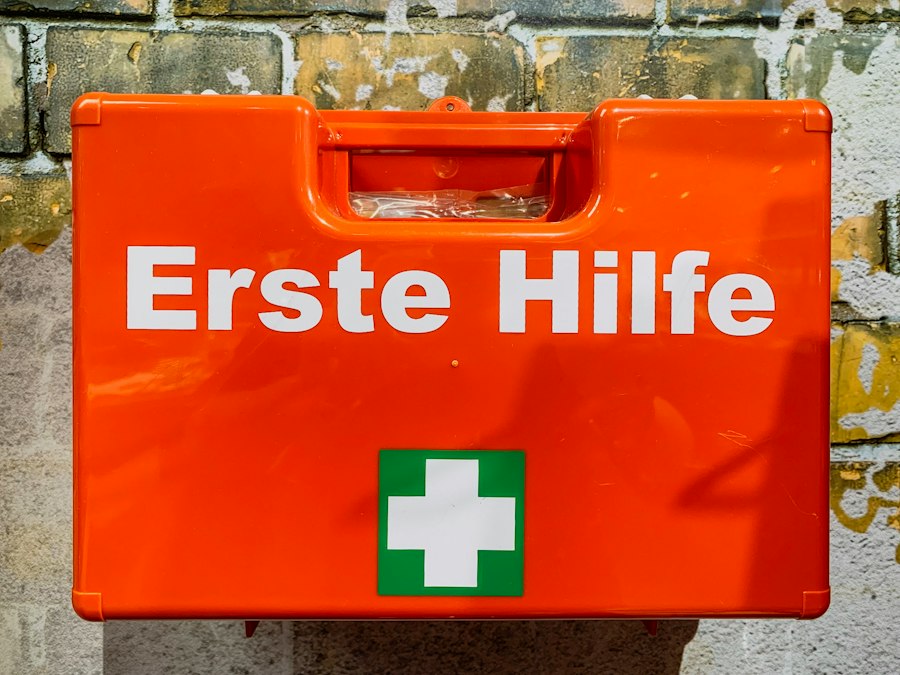
You might be surprised by how many everyday objects can become vital tools in an emergency. A sturdy blanket can provide warmth and comfort. A flashlight can illuminate dark areas and signal for help. A simple piece of rope can be used for various purposes, from securing an object to assisting someone. Even a basic first-aid kit, readily available in many homes, can be a lifesaver. Encourage yourself to think creatively about how ordinary items can be repurposed to meet extraordinary needs. A clean t-shirt can become a bandage, a plastic bag can be used to collect water, and a kitchen knife can be a makeshift tool for various tasks.
The Ripple Effect: Inspiring and Organizing Others
Your actions, even if they are solitary at first, have a potent ability to inspire and motivate those around you. Seeing one person step up and take action can be the catalyst that breaks through collective paralysis and encourages others to join in. This is where your leadership, however informal, comes to the forefront.
Leading by Example: The Power of Action
When a crisis hits, it’s easy for people to freeze, overwhelmed by fear and uncertainty. Your decision to act, to move from observer to participant, can be the spark that ignites a broader response. By demonstrating courage and initiative, you provide a visible model for others to follow. This isn’t about being fearless; it’s about acting in spite of fear. Your willingness to get involved, to offer help, to take responsibility, can break through the inertia and encourage others to contribute their own efforts. Imagine seeing someone calmly directing traffic away from a hazardous area; it prompts others to do the same, creating a sense of order from chaos.
Facilitating Communication and Coordination
As more people begin to respond, the need for clear communication and organization becomes crucial. You might find yourself naturally falling into a role of facilitator, helping to gather information, disseminate instructions, and coordinate efforts. This could involve establishing a central point for information sharing, designating specific tasks to individuals, or simply ensuring that everyone understands what needs to be done. Your ability to listen, to communicate clearly, and to delegate effectively can transform a group of well-meaning individuals into an efficient, albeit informal, emergency response team. Think about how you can help connect people who have specific skills with those who need them, or how you can relay important updates from official sources to your community.
Building Resilience Through Collective Effort
Emergencies are often isolating experiences. However, the act of working together towards a common goal can foster a sense of community and build resilience. By participating in collective efforts, you contribute to a shared sense of purpose and mutual support. This strengthens the bonds within a community, making it better equipped to face future challenges. The shared experience of overcoming adversity can be incredibly powerful, fostering trust and camaraderie that extends far beyond the immediate crisis. Consider the aftermath of a natural disaster where neighbors band together to clear debris, share supplies, and provide emotional support; this shared effort not only addresses immediate needs but also rebuilds the social fabric of the community.
Beyond the Immediate: Long-Term Impact and Preparedness
Your involvement in an emergency doesn’t necessarily end when the immediate danger has passed. The lessons learned, the connections made, and the skills honed can have a lasting impact, contributing to greater preparedness and resilience in the future. Your individual journey can inspire ongoing efforts.
Advocating for Better Preparedness
The experience of an emergency, whether you were directly involved or witnessed its effects, can be a powerful motivator for change. You can use your insights and experiences to advocate for better emergency preparedness within your community, workplace, or even at a broader societal level. This could involve encouraging local governments to invest in emergency services, promoting public awareness campaigns about disaster preparedness, or supporting organizations that work to improve response capabilities. Your voice, informed by lived experience, can be a powerful tool for driving positive change. Think about how you might share your story with local officials or community groups to highlight the importance of having adequate resources and training readily available.
Fostering a Culture of Helpfulness
Your willingness to act in an emergency can inspire others to adopt a similar mindset. By sharing your experiences and encouraging others to be prepared and willing to help, you contribute to a broader culture of preparedness and community support. This shift in mindset, where individuals feel empowered and responsible to contribute during times of crisis, is invaluable. It’s about creating a society where people don’t just wait for help to arrive, but are active participants in ensuring everyone’s safety and well-being. This could involve mentoring younger individuals about emergency response, organizing community training sessions, or simply leading by example in everyday life.
The Personal Transformation of Being a Contributor
Perhaps the most profound impact is on you, the individual. Stepping up in an emergency can be a deeply transformative experience. It can reveal strengths you never knew you possessed, build confidence, and foster a profound sense of purpose. The knowledge that you made a tangible difference, that you contributed to the well-being of others, is an incredibly rewarding experience. This personal growth, fueled by your willingness to engage with adversity, makes you not only a more capable individual but also a more valuable member of any community. You discover your own capacity for resilience, compassion, and impact, leaving you forever changed by the experience.
In times of crisis, the impact of a single individual can be profound, as highlighted in a related article that explores the power of personal action during emergencies. This piece delves into various scenarios where one person’s quick thinking and decisive actions have saved lives and inspired others to step up. For more insights on this topic, you can read the article here: the power of personal action. It serves as a reminder that even in the most challenging situations, individual efforts can lead to significant change.
The Unstoppable Force of One: Your Legacy in Action
| Metric | Value | Description |
|---|---|---|
| Percentage of emergencies where bystander intervention helped | 40% | Estimated percentage of emergencies where a single person’s action positively impacted the outcome |
| Average response time of a bystander | 2 minutes | Typical time it takes for a person on the scene to react and provide assistance |
| Survival rate increase due to immediate CPR | 2-3 times | How much survival chances improve when a bystander performs CPR immediately |
| Percentage of people trained in basic first aid | 30% | Proportion of the population with skills to make a difference in emergencies |
| Number of lives saved annually by individual actions | Thousands | Estimated lives saved worldwide each year due to individual intervention in emergencies |
In the grand tapestry of human events, the actions of a single individual might seem like a tiny thread. Yet, in the critical moments of an emergency, that single thread can be the one that holds everything together, that prevents a tear from becoming a gaping hole, or that guides others towards safety and recovery. You are not insignificant. You are a potent force for good, capable of initiating change, inspiring hope, and making a tangible, life-altering difference. Never underestimate the power that resides within you, the power of one person to be the spark, the hand, the voice that guides us through the darkest of times. Your capacity to act, to connect, and to persevere is the very essence of human resilience, and it is precisely what makes an individual so vital in any emergency. The world needs your courage, your resourcefulness, and your unwavering spirit.

The Kitty Genovese Story That Changed Psychology—But Was It True?
FAQs
1. Can one person make a difference in an emergency?
Yes, one person can make a significant difference in an emergency situation by taking quick and decisive action. Every individual’s contribution, no matter how small, can have a positive impact on the outcome of an emergency.
2. What are some ways one person can help in an emergency?
One person can help in an emergency by calling emergency services, providing first aid to those in need, assisting in evacuations, comforting and reassuring others, and following instructions from authorities.
3. Is it important for individuals to be prepared for emergencies?
Yes, it is crucial for individuals to be prepared for emergencies by having a basic understanding of first aid, knowing emergency contact numbers, creating a communication plan with family and friends, and having essential supplies like food, water, and medications on hand.
4. How can one person stay safe while helping in an emergency?
One person can stay safe while helping in an emergency by assessing the situation for potential risks, following safety protocols and guidelines, wearing appropriate protective gear if available, and not putting themselves in unnecessary danger.
5. Can one person’s actions inspire others to help in an emergency?
Yes, one person’s actions in an emergency can inspire others to help and create a ripple effect of assistance. By demonstrating courage, compassion, and leadership, individuals can motivate others to come together and make a difference in challenging situations.