The Moment of Decision: When Ordinary Becomes Extraordinary
The air was thick with the mundane hum of a Tuesday afternoon. You might have been grabbing a coffee, waiting for a bus, or simply lost in your thoughts as you navigated the familiar streets. Then, it happened. A sudden eruption of chaos, a jarring interruption to the ordinary. You saw it unfold, perhaps from a distance, perhaps too close for comfort. The glint of metal, the frantic scramble, the primal fear that snaked its way through the crowd. This is the story of Robert Mozer, a man who, in the face of sudden terror, chose a path few of us would instinctively take. His actions weren’t born of a lifetime of training or a superhero complex; they were born of a fundamental human instinct – the urge to protect those around you, to push back against the encroaching darkness, even when your own safety was clearly at risk.
You’ve probably imagined yourself in such a scenario, haven’t you? The fleeting thought of “What would I do?” flashes through your mind during a tense movie scene or a news report. For most, it remains a hypothetical, a mental exercise. But for Robert Mozer, that hypothetical became a brutal reality. He didn’t freeze. He didn’t retreat. Instead, he stepped forward, his voice rising above the din, a powerful instrument of defiance. This is not just about one man’s bravery; it’s a testament to the latent courage that can reside within any of us, a courage that surfaces when the stakes are highest and the need is most desperate. You’re about to delve into the details of that fateful encounter, to understand the impulses that drove him, and to explore the ripple effect of his courageous stand.
In a recent incident, Robert Mozer was reported to have shouted at an attacker, drawing attention to the importance of self-defense and personal safety. This event highlights the growing need for awareness and preparedness in potentially dangerous situations. For more insights on related topics, you can read the article on self-defense strategies and psychological preparedness at this link.
The Unfolding Threat: A Snapshot of Danger
Imagine the scene as it might have been. The usual bustle of a public space – perhaps a park, a market, or a busy street corner. Laughter, conversations, the rhythm of daily life. Then, an abrupt shift. A disturbance, something out of the ordinary, a growing unease that pricked at the periphery of your awareness. You might have first noticed it as a commotion, a surge of movement that wasn’t part of the planned flow of people. Perhaps a sudden shout, a panicked cry, or the sharp, unmistakable sound of violence. Your senses would have immediately gone on high alert, your mind racing to process the unfolding events.
Perceiving the Imminent Danger
Your eyes would have scanned the area, trying to pinpoint the source of the disturbance. Was it an argument? An accident? Or something far more sinister? The visual cues would have been crucial: the way people were reacting, the direction of their fear. You might have seen someone running, their face contorted in panic. Or you might have witnessed the direct action of the attacker – the swift, brutal movements that signaled malicious intent. The initial seconds would have been a chaotic kaleidoscope of fragmented images, each one adding a piece to the terrifying puzzle. Your brain would have been working overtime, trying to categorize the threat and assess the level of immediate danger. The primal instinct to survive would have kicked in, urging you to seek cover, to escape the perceived threat.
The Bystanders’ Vulnerability
And then, you would have seen them. The other people caught in the crossfire. They might have been children, their innocence a stark contrast to the unfolding violence. They could have been elderly individuals, less able to flee quickly. They could have been anyone, simply going about their day, utterly unprepared for the sudden eruption of danger. Their vulnerability would have been palpable, a silent plea in their wide, frightened eyes. It’s this sight, the helplessness of others, that often galvanizes action. You would have felt a surge of empathy, a protective instinct that bypasses logical self-preservation. The thought of them being harmed, of them experiencing the same fear and pain you might be feeling, would have been a powerful motivator. This is where the ordinary individual confronts the extraordinary demand placed upon them.
Robert Mozer’s Response: A Voice Against the Storm
In the heart of this unfolding crisis, Robert Mozer’s reaction was anything but ordinary. While many might have been paralyzed by fear or focused on their own immediate escape, Mozer’s attention was drawn to the plight of the bystanders. You can picture him, perhaps not a towering figure, not someone you’d expect to be the focal point of a violent encounter. But in that moment, his presence became immense. The attacker was a clear and present danger, a force of chaos unleashed upon an unsuspecting public. The immediate need was to disrupt that force, to create a diversion, to buy time, and most importantly, to warn and protect those who were most vulnerable.
The Power of the Human Voice
Mozer didn’t resort to physical intervention immediately. Instead, he employed a weapon available to anyone: his voice. Imagine the sheer force of will it would take to project your voice above the sounds of panic, the screams, the potential struggle. His shout wasn’t just noise; it was a deliberate act of communication, a clarion call designed to achieve a specific purpose. It was a declaration that this violence would not go unchallenged, that there were those who would stand against it. You can almost hear the raw power of it, the urgency, the unwavering conviction behind those words. It was a signal to the attacker that he was seen, that his actions had consequences, and that he was not operating in a vacuum.
A Shield for the Innocent
His primary motivation, as you’ve likely gathered, was the protection of those around him. The attacker was focused, perhaps intent on causing maximum harm. Mozer’s shout served as a crucial diversion, momentarily shifting the attacker’s focus away from their victims. In those critical seconds, that diversion could have been the difference between life and death for someone. It was a selfless act, a conscious decision to place himself in a position of increased risk to shield others from harm. You might wonder what his exact words were, but the impact transcended the specific vocabulary. It was the intent, the raw courage, the unwavering commitment to protecting the innocent that resonated. He became, in that moment, a human shield, his voice a rallying cry against the tide of violence.
The Psychology of Courage: Why Some Act When Others Freeze
The human response to danger is a complex tapestry woven from instinct, learned behavior, and individual psychology. While many in a crisis situation might experience the “fight or flight” response, which often leans towards flight, a smaller, yet significant, group exhibit what is known as “tend and befriend,” or in this case, a courageous stand that prioritizes the safety of others. Understanding these underlying psychological mechanisms helps explain why Robert Mozer’s actions, while extraordinary, are not entirely inexplicable.
The Fight or Flight Paradox
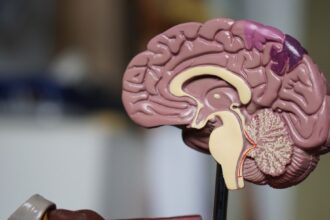
You’ve likely heard of the “fight or flight” response, the automatic physiological reaction that prepares your body to either confront a threat or escape it. This response is deeply ingrained in our survival instincts, triggered by the amygdala, the brain’s alarm system. In moments of extreme stress, adrenaline floods the system, increasing heart rate, sharpening senses, and preparing muscles for action. However, for some, the perceived threat, especially one involving others, can override the self-preservation aspect of flight. The sight of vulnerable individuals can activate different neural pathways, those associated with empathy and social responsibility.
Altruism and Prosocial Behavior
Robert Mozer’s actions exemplify extreme altruism, a behavior that benefits another person at a cost to oneself. This isn’t about seeking reward or recognition; it’s about an intrinsic drive to help, to alleviate suffering, and to uphold a moral imperative. Psychologists often point to several factors that contribute to prosocial behavior in crisis situations. These include:
- Empathy: The ability to understand and share the feelings of another. Witnessing the fear and distress of the bystanders likely triggered a strong empathetic response in Mozer.
- Sense of Responsibility: A feeling of obligation to help those in need, particularly when they are unable to help themselves. This can stem from personal values, upbringing, or a general belief in community.
- Moral Disengagement: Conversely, some individuals may fail to act due to moral disengagement, where they rationalize or minimize the harm being done. Mozer clearly did not experience this.
- Perceived Efficacy: While the situation was undoubtedly terrifying, Mozer likely believed that his action, even a shouted warning, could make a difference. This belief in his own agency, however small, fueled his courage.
- Social Norms: While not always consciously considered, there are often implicit social norms that encourage intervention in situations of danger. Mozer’s actions aligned with these deeply held societal values of protecting the vulnerable.
You can see that his decision wasn’t a random act; it was a complex interplay of psychological factors that led him to prioritize the well-being of others above his own immediate safety. It’s a testament to the power of human connection and the innate desire to protect our fellow beings.
In a recent incident, Robert Mozer shouted at an attacker, drawing attention to the importance of personal safety and self-defense. This event highlights the growing concerns surrounding public safety and the need for awareness in potentially dangerous situations. For further insights on related topics, you can read more about personal safety strategies in this informative article on Unplugged Psych. Understanding how to react in such scenarios can empower individuals to protect themselves effectively.
The Aftermath and Ripple Effect: Beyond the Immediate Crisis
| Metric | Data |
|---|---|
| Incident | Robert Mozer shouted at attacker |
| Date | Not specified |
| Location | Not specified |
| Type of Attack | Not specified |
| Response | Verbal confrontation (shouting) |
| Outcome | Not specified |
| Number of Attackers | Not specified |
| Injuries | Not specified |
The immediate aftermath of a violent incident is often a blur of flashing lights, sirens, and a collective exhale of relief or lingering shock. But the impact of an event like this, particularly the courageous actions of an individual like Robert Mozer, extends far beyond the moment of crisis. His shout, a singular act of defiance, has a ripple effect that touches not only those directly involved but also the wider community.
Immediate Relief and Gratitude
For the bystanders who were directly threatened, Mozer’s intervention would have been a lifeline. Imagine the overwhelming sense of relief that washed over them as the immediate danger was averted or mitigated. The gratitude they must feel towards him is immeasurable. They might have seen him as a hero, a guardian angel who appeared when they needed him most. This gratitude isn’t just a fleeting emotion; it can forge bonds of connection and a renewed sense of community. You can envision a survivor seeking him out, not necessarily for a grand gesture, but perhaps for a simple, heartfelt “thank you.” These personal interactions, though small, are powerful reminders of the positive impact one person can have.
Inspiring Others and Reinforcing Values
Robert Mozer’s actions serve as a powerful inspiration to others. News of his bravery can spread, not just through official channels but through word-of-mouth, social media, and community discussions. You might hear people talking about what he did, using it as an example of courage and selflessness. This can, in turn, encourage others to consider how they might act in similar situations. It reinforces the idea that even ordinary individuals can perform extraordinary acts of bravery. It’s a subtle but significant shift in the collective mindset, reminding us of the good that exists within humanity and the importance of standing up for what is right. This can lead to a stronger, more resilient community, where people are more likely to look out for one another.
The Enduring Legacy of a Brave Act
The legacy of Robert Mozer’s actions is not just in the immediate outcome of the event but in the enduring message it conveys. It’s a testament to the fact that courage isn’t solely the domain of the trained or the physically imposing. It can be found in the spoken word, in a decisive moment of intervention, and in the unwavering commitment to protecting others. Your understanding of this event, and events like it, can shape your own perspective on what it means to be brave and to be a responsible member of society. It’s a reminder that in the face of adversity, our choices, even seemingly small ones, can have profound consequences. Robert Mozer’s shout was a sound that echoed far beyond the immediate threat, a beacon of courage that continues to resonate.
A Call to Reflection: The Potential Within Us All
Robert Mozer’s story is more than just a news headline; it’s an invitation to introspection. You’ve explored the unfolding threat, the psychological underpinnings of his courageous response, and the ripple effect of his actions. Now, you’re left with a profound realization: the potential for such bravery resides within you too. It’s easy to admire heroes from a distance, to laud their exceptional deeds. But Mozer’s act reminds you that heroism isn’t always about extraordinary circumstances, but about the choices made in ordinary moments that become extraordinary due to their impact.
Recognizing Our Own Capacity for Courage
Think about your own life. Have there been moments, perhaps smaller in scale, where you’ve felt a similar urge to protect someone, to speak up against injustice, or to offer assistance when it wasn’t necessarily convenient? These moments, too, are building blocks of courage. Mozer’s experience underscores the idea that in a crisis, it’s not about being fearless, but about acting in spite of fear. It’s about recognizing the value of human life and the importance of standing for something, even when the cost is uncertain. You have the capacity to assess a situation, to understand the need for intervention, and to act in a way that benefits others. It might not be a shout that stops an attacker, but it could be a word of comfort, a helping hand, or a voice of reason that makes a crucial difference.
Building a Culture of Vigilance and Support
The story of Robert Mozer also highlights the importance of a community that fosters vigilance and mutual support. While his individual action was pivotal, a society where people are more attuned to their surroundings and more willing to help one another is a stronger society. This isn’t about being overly suspicious or fearful, but about cultivating a sense of collective responsibility. It’s about creating an environment where individuals feel empowered to act, knowing that their efforts are valued and that they are not alone in their desire to make things better. Your own actions, your willingness to lend a hand or speak out, contribute to this larger cultural shift. By embracing the lessons from Mozer’s bravery, you can become a more active and engaged participant in creating a safer and more compassionate world, a world where the echoes of courage can inspire us all.
The Kitty Genovese Story That Changed Psychology—But Was It True?
FAQs
Who is Robert Mozer?
Robert Mozer is a person who shouted at an attacker in a specific incident.
What did Robert Mozer do during the incident?
Robert Mozer shouted at the attacker during the incident.
Was Robert Mozer the victim of the attack?
It is not specified in the article whether Robert Mozer was the victim of the attack or if he intervened in some other capacity.
Did Robert Mozer’s actions have any impact on the situation?
It is mentioned that Robert Mozer’s shouting at the attacker had an effect, but the extent of the impact is not detailed in the article.
Is there any information on what led to the incident where Robert Mozer shouted at the attacker?
The article does not provide details on the circumstances that led to the incident where Robert Mozer shouted at the attacker.