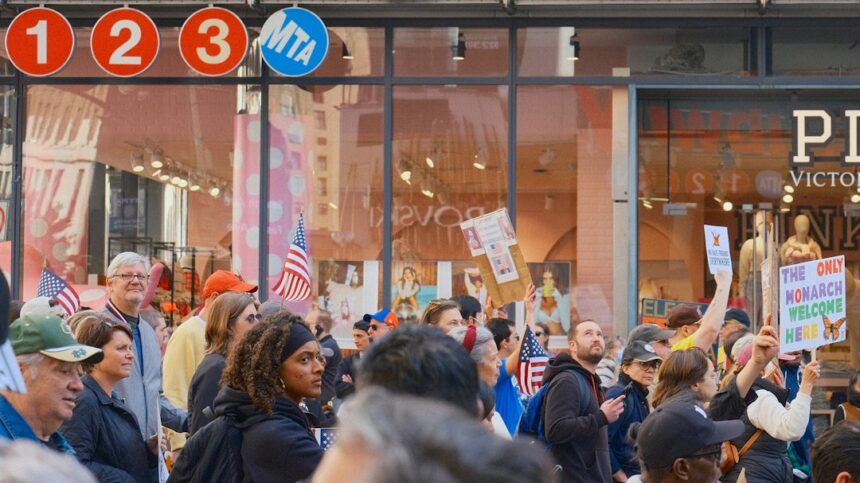
The buzz around the recently released “219 Public Conflicts Study” has been palpable, and for good reason. This comprehensive investigation into the dynamics of social disputes offers a treasure trove of insights that can help you, and indeed all of us, navigate the often-turbulent waters of public disagreement. You might be wondering, “What makes this study so significant?” and “How can I apply its findings to my own understanding of the world?” This article aims to break down the core discoveries of the 219 Public Conflicts Study, equipping you with the knowledge to better comprehend, and perhaps even influence, the way conflicts unfold in our increasingly interconnected society.
Decoding the Anatomy of Disagreement
At its heart, the 219 Public Conflicts Study meticulously dissects the very building blocks of public disputes. It doesn’t just look at the shouting matches and the picket lines; it delves into the underlying currents that propel these conflicts from private grievances to public spectacles. You’ll find that understanding this anatomy is the first crucial step in gaining a more nuanced perspective. The study moves beyond simplistic narratives of good versus evil, exploring the complex interplay of factors that give rise to and sustain public disagreements. It acknowledges that most conflicts are not born out of pure malice, but rather from a confluence of evolving societal values, competing interests, and the inherent challenges of communication in a diverse population.
The Foundation of Friction: Identifying Root Causes
The study emphasizes that every public conflict, no matter how seemingly spontaneous, has roots. These roots are not always obvious and often lie dormant for extended periods before being unearthed by specific catalysts. You may have observed this in your own life, where a seemingly minor incident ignites a firestorm that has been simmering for years. The 219 Public Conflicts Study categorizes these root causes into several key areas, providing a framework for you to analyze current and past disputes. These include economic disparities, ideological divides, historical grievances, and the impact of technological advancements on information dissemination and social interaction. For instance, the study highlights how shifts in economic power, whether perceived or real, can create fertile ground for resentment, which can then be channeled into public disputes over resource allocation or policy changes. Similarly, entrenched ideological differences, often fueled by differing interpretations of fundamental societal principles, can lead to irreconcilable viewpoints that manifest as public confrontations. The researchers meticulously analyzed case studies to identify recurring patterns, revealing how these foundational issues interact and amplify each other. You’ll find that recognizing these underlying causes allows you to move past superficial arguments and engage with the core issues at play, fostering a more productive dialogue.
The Spark and the Spread: Triggers and Escalation Pathways
Once the foundational elements are in place, a “spark” is often needed to ignite a public conflict. The 219 Public Conflicts Study dedicates significant attention to identifying these triggers and understanding the pathways through which a dispute escalates. You might have seen how a single provocative statement, an inflammatory news report, or a dramatic event can quickly draw widespread attention and mobilize public opinion. The study identifies several common triggers, such as perceived injustices, symbolic actions, or the emergence of charismatic leaders who can articulate grievances effectively. Crucially, it then maps out the mechanisms of escalation. This includes the role of media (both traditional and social) in amplifying messages, the formation of distinct factions, the development of emotional rhetoric, and the impact of groupthink. You will discover that understanding these escalation pathways is vital for intervention and de-escalation. The study provides clear examples of how specific types of triggers, when met with certain communication strategies or organizational responses, can lead to vastly different outcomes. For instance, a conflict sparked by a local zoning dispute might escalate into a broader debate about gentrification and community displacement if not addressed with careful communication and stakeholder engagement. Conversely, a similar dispute, if handled with transparency and a genuine effort to address community concerns, might be resolved at a much lower level.
A related article that delves into the complexities of public conflicts can be found on Unplugged Psych, which explores the psychological underpinnings of societal disputes and their resolution. This insightful piece complements the findings of the 219 public conflicts study by examining how individual and collective behaviors influence conflict dynamics. For more information, you can read the article here: Unplugged Psych.
The Powerful Influence of Information Networks
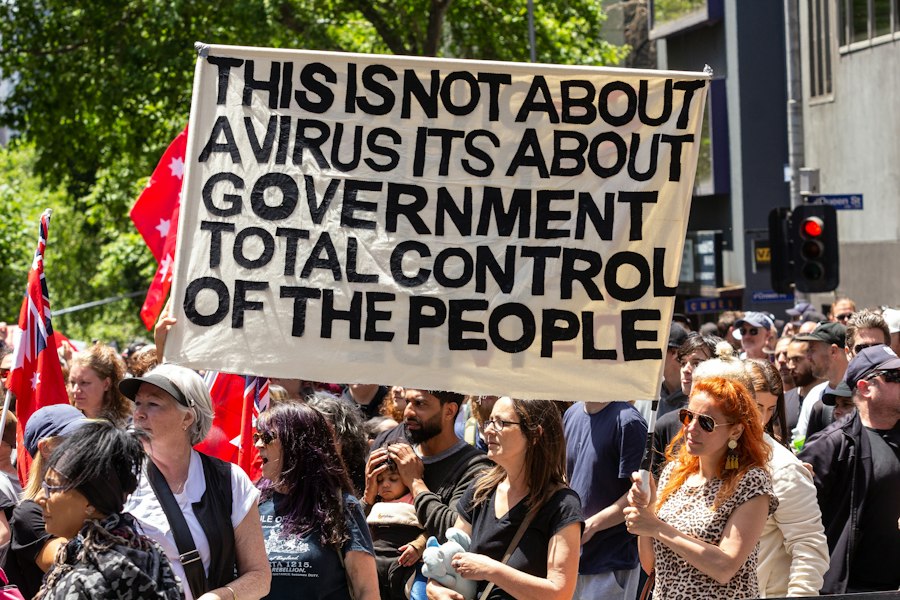
Perhaps one of the most striking revelations from the 219 Public Conflicts Study is the profound influence of information networks on the nature and trajectory of public disputes. You’ve likely experienced the echo chambers of social media and the fragmented nature of news consumption, and this study quantifies their impact. It goes beyond simply acknowledging the existence of these networks to dissecting how they actively shape perceptions, mobilize action, and create distinct informational ecosystems within which conflicts unfold.
Echo Chambers and Filter Bubbles: Shaping Perceptions
The study provides empirical evidence for the long-suspected effects of echo chambers and filter bubbles. You might find yourself immersed in online communities that reinforce your existing beliefs, making it challenging to engage with opposing viewpoints. The 219 Public Conflicts Study demonstrates how these self-reinforcing information environments can solidify partisan identities, demonize opposing groups, and create a distorted perception of reality for individuals within them. This can lead to a situation where genuine dialogue becomes almost impossible, as each side operates with a fundamentally different set of “facts” and interpretations. The researchers used sophisticated network analysis techniques to map the flow of information within various public conflicts, revealing how algorithms and user behavior conspire to create these insulated information spaces. You will see how the study meticulously documents how misinformation and disinformation can flourish within these bubbles, further polarizing the discourse and making constructive engagement increasingly difficult. The consequences for public discourse are significant, as it becomes harder to find common ground when individuals are not even exposed to the same information, let alone willing to consider its validity.
The Role of Social Media in Mobilization and Amplification
Social media platforms are not merely passive conduits for information; they are active agents in shaping public conflicts. The 219 Public Conflicts Study highlights their dual role: facilitating grassroots mobilization and amplifying existing tensions. You might have witnessed how a hashtag can go viral, bringing an obscure issue to national attention overnight, or how online organizing can translate into real-world protests. The study breaks down the mechanisms of this. It discusses how the speed and reach of social media allow for rapid dissemination of messages, both factual and misleading. It also examines how the gamified nature of social media, with its emphasis on likes, shares, and reactions, can incentivize inflammatory content and extreme viewpoints. You’ll find that the study offers a sobering look at how algorithms, designed for engagement, can inadvertently fuel conflict by prioritizing content that elicits strong emotional responses. The researchers provide detailed case studies illustrating how social media campaigns have been instrumental in both initiating and escalating major public disputes, from political movements to social justice campaigns. Understanding this dynamic is crucial for you to critically evaluate the information you encounter and to be aware of how you are being influenced by these platforms.
The Human Element: Emotions, Identity, and Psychology
Beyond the structural and informational aspects, the 219 Public Conflicts Study places a significant emphasis on the human element – the psychological and emotional drivers that fuel public disputes. You can’t understand conflict without understanding the people involved, their motivations, and their emotional responses. This section delves into the often-overlooked psychological underpinnings of disagreement and offers you a more compassionate, yet realistic, lens through which to view these interactions.
Emotional Contagion and Collective Behavior
One of the most compelling findings relates to emotional contagion. You’ve likely felt the energy of a crowd, whether it’s excitement or anger, and the study confirms that emotions are indeed contagious in public spaces. The 219 Public Conflicts Study examines how fear, outrage, and even hope can spread rapidly through social networks and during public gatherings, influencing collective behavior. This emotional contagion can amplify initial grievances, leading to more intense and sometimes irrational actions. You might have observed how a single expression of anger can quickly morph into widespread indignation, or how a shared sense of injustice can galvanize a community into action. The researchers provide fascinating insights into the psychological mechanisms behind this phenomenon, including the role of mirror neurons and social proof. They also highlight how skilled communicators can intentionally leverage emotional contagion to mobilize support or to sow discord. Understanding this is vital for you to recognize when your own emotions are being amplified by group dynamics and to cultivate a more measured response.
The Power of Identity and Group Affiliation
Your sense of self is deeply intertwined with your group affiliations, and the 219 Public Conflicts Study underscores the critical role of identity in shaping how you engage with public disputes. You likely feel a stronger connection to people who share your background, beliefs, or political leanings. The study demonstrates how these group identities can become central to public conflicts, leading to an “us versus them” mentality. When a conflict is perceived as a threat to one’s group identity, individuals are more likely to defend their group vehemently, even if it means overlooking facts or engaging in hostile behavior. You’ll find that the study meticulously analyzes how leaders and media often play on these group identities to rally support and demonize opponents. This can create a powerful tribalism that makes compromise and understanding extremely difficult. The research provides compelling examples of how appeals to national pride, religious affiliation, or political ideology can be potent forces in escalating public disputes. Recognizing the influence of your own group affiliations is a crucial step towards fostering a more open and inclusive approach to engaging with those who hold different perspectives.
Strategies for Resolution and Prevention
The 219 Public Conflicts Study doesn’t just diagnose problems; it also offers actionable strategies for resolution and prevention. You’re not doomed to perpetual conflict. The study provides valuable insights into what works, and what doesn’t, when it comes to navigating and ultimately resolving public disputes. This section focuses on equipping you with practical tools and a more hopeful outlook.
The Art of Constructive Dialogue and Mediation
At the forefront of the study’s recommendations are approaches that emphasize constructive dialogue and mediation. You’ve likely encountered situations where heated arguments lead nowhere. The 219 Public Conflicts Study argues for a more structured and empathetic approach. It highlights the importance of active listening, where you truly seek to understand the other person’s perspective, rather than just waiting for your turn to speak. It also emphasizes the power of framing issues in ways that allow for common ground to be found. Mediation, as explored in the study, involves neutral third parties who facilitate communication and help disputing parties identify shared interests and potential solutions. You will learn that successful mediation often hinges on creating a safe space for open and honest communication, free from threats or judgment. The study provides case examples of how skilled mediators have been able to de-escalate highly charged disputes and guide parties towards mutually acceptable outcomes. This underscores the idea that even deeply entrenched conflicts can be resolved through a commitment to dialogue and a willingness to engage with empathy.
Building Resilience: Fostering Social Cohesion
Beyond immediate conflict resolution, the 219 Public Conflicts Study also addresses the crucial aspect of building societal resilience to prevent future disputes from escalating uncontrollably. You might wonder how a community can become less prone to divisive conflicts. The study suggests that fostering social cohesion is key. This involves investing in initiatives that build trust and understanding between different groups within society. You’ll find that the research points to the importance of shared experiences, intergroup contact, and educational programs that promote critical thinking and empathy. The study also highlights the role of strong civic institutions and inclusive governance structures in providing avenues for addressing grievances before they erupt into public conflict. By strengthening the social fabric and creating channels for constructive engagement, societies can become more resilient to the forces that drive division. You’ll discover that the study offers a roadmap for creating communities where disagreements are seen not as inevitable threats, but as opportunities for growth and deeper understanding. This forward-thinking approach, by focusing on prevention and long-term social health, offers a beacon of hope for a more harmonious future.
In exploring the dynamics of public conflicts, the study of 219 public conflicts offers valuable insights into the underlying causes and resolutions of these disputes. A related article that delves deeper into the psychological aspects of conflict resolution can be found at Unplugged Psychology, where various strategies are discussed that can help individuals and communities navigate through challenging situations. Understanding these elements can significantly enhance our approach to managing public conflicts effectively.
The Future of Public Discourse: Implications and Next Steps
| Metric | Value | Description |
|---|---|---|
| Total Conflicts Analyzed | 219 | Number of public conflicts included in the study |
| Average Duration | 18 months | Mean length of each conflict |
| Conflict Types | Political, Social, Economic | Categories of conflicts studied |
| Resolution Rate | 65% | Percentage of conflicts resolved during the study period |
| Geographical Spread | 35 countries | Number of countries where conflicts occurred |
| Average Number of Parties Involved | 4 | Mean number of stakeholders in each conflict |
| Data Collection Period | 2010-2020 | Years during which data was collected |
The findings of the 219 Public Conflicts Study are not merely academic curiosities; they have profound implications for how you, and society at large, will navigate the future of public discourse. You are living in an era of unprecedented connectivity and rapid social change, and understanding these dynamics is no longer optional. This study provides a critical lens through which to view the challenges ahead and to begin shaping a more constructive and informed public sphere.
Adapting to Evolving Conflict Landscapes
The study makes it abundantly clear that the nature of public conflicts is constantly evolving. You might have noticed how the speed and reach of information, coupled with increasingly complex societal issues, create a dynamic and often unpredictable landscape. The 219 Public Conflicts Study urges you to be adaptable. It suggests that traditional approaches to conflict management may no longer be sufficient. You will need to develop new strategies for information literacy, critical thinking, and empathetic engagement in order to effectively navigate these evolving landscapes. The researchers emphasize the importance of continuous learning and a willingness to question your own assumptions. They also highlight the need for institutions, from educational bodies to governments, to proactively adapt their communication and engagement strategies to keep pace with the changing dynamics of public discourse. You’ll find that the study serves as a wake-up call, prompting you to consider how you can personally contribute to a more resilient and responsive approach to public disagreement.
Your Role in Shaping a More Constructive Dialogue
Ultimately, the 219 Public Conflicts Study places a significant degree of agency in your hands. While external forces and systemic issues are undeniable, you have a crucial role to play in shaping the future of public discourse. You might feel like a single voice in a vast ocean of opinion, but the study demonstrates how individual actions can collectively influence the tone and direction of public conversation. The researchers encourage you to be a mindful consumer of information, to actively seek out diverse perspectives, and to engage in respectful dialogue, even when faced with disagreement. You’ll learn that practicing empathy, challenging misinformation when you encounter it, and supporting initiatives that promote understanding and social cohesion are all powerful actions. The study concludes with a call to action, urging each of you to become a more informed, more engaged, and ultimately, more constructive participant in the ongoing conversation of society. By internalizing the insights of the 219 Public Conflicts Study, you are better equipped to not only understand the conflicts around you but also to actively contribute to their resolution and to the creation of a more harmonious future.

The Kitty Genovese Story That Changed Psychology—But Was It True?
FAQs
What is the purpose of the 219 public conflicts study?
The purpose of the 219 public conflicts study is to analyze and understand the various types of conflicts that occur in public settings, such as workplaces, schools, and communities.
How many conflicts were included in the study?
The study included a total of 219 public conflicts that were carefully analyzed and documented to identify common themes and patterns.
What were some of the key findings of the study?
Some key findings of the study included the prevalence of communication breakdowns, power struggles, and misunderstandings as primary factors contributing to public conflicts.
Were there any recommendations provided based on the study’s findings?
Yes, the study provided recommendations for conflict resolution strategies, effective communication techniques, and conflict prevention methods to help mitigate and manage public conflicts more effectively.
How can the findings of the study be applied in real-world scenarios?
The findings of the study can be applied in real-world scenarios by raising awareness about common conflict triggers, promoting open dialogue, and implementing conflict resolution training programs in various public settings.