
You’re standing on the precipice of chaos. Sirens wail in the distance, the air crackles with a palpable tension, and the familiar world you knew just moments ago has fractured into a thousand pieces. This is a crisis, and in these moments, your mind is your most powerful, and potentially most vulnerable, tool. Understanding Emergency Response Psychology isn’t about becoming a therapist; it’s about equipping yourself with the knowledge to navigate the extreme emotional and cognitive landscape that unfolds during emergencies, ensuring you can function effectively, support others, and ultimately, contribute to a positive outcome.
The Physiological Storm Within: Your Body’s Instantaneous Response
When faced with an emergency, your body doesn’t ask for permission to react. It unleashes a torrent of physiological responses designed for survival, a primal “fight or flight” cascade orchestrated by your autonomic nervous system. Understanding this biological imperative is the first step in managing its impact.
The Surge of Adrenaline and Cortisol
Imagine a switch being flipped deep within your brain. That’s essentially what happens. Your amygdala, the brain’s alarm system, detects a threat and sends signals to your hypothalamus. This triggers the release of adrenaline (epinephrine) and cortisol, the body’s primary stress hormones. Adrenaline floods your bloodstream, increasing your heart rate, blood pressure, and respiration. Your muscles tense, ready for action. Your pupils dilate, allowing more light to enter your eyes, enhancing your vision. You might experience a surge of energy, a heightened sense of alertness, and a feeling of being “on edge.” This is your body preparing you to confront or escape danger.
Cortisol, while slower to act, also plays a crucial role. It mobilizes energy reserves by telling your body to release glucose into your bloodstream, providing readily available fuel. It also suppresses non-essential functions, like digestion and immune responses, temporarily diverting resources to immediate survival needs. While these responses are life-saving in acute situations, prolonged or excessive activation can be detrimental.
The Cognitive Fog: When Your Brain Hits Overdrive
The physiological storm has a direct impact on your cognitive abilities. While you might feel more alert, your thinking can become surprisingly compromised. This is often referred to as “tunnel vision” or “cognitive tunneling.” Your focus narrows intensely on the immediate threat, making it difficult to process peripheral information or consider alternative solutions. This can lead to a rigid adherence to pre-learned responses, even if they are no longer appropriate.
Memory recall can also be affected. You might struggle to access information you would normally recall with ease. Short-term memory can become fragmented, and the ability to form new memories during the crisis can be impaired. This isn’t a sign of weakness; it’s a consequence of your brain prioritizing immediate survival functions over complex cognitive processing. Your ability to make nuanced decisions or engage in abstract reasoning can be temporarily diminished. You might feel overwhelmed, find it hard to concentrate, or experience a sense of mental fogginess. Recognizing these cognitive shifts is vital to avoid making critical errors due to impaired judgment.
The Emotional Rollercoaster: From Fear to Numbness
Emergencies are inherently emotionally charged. You might experience a powerful surge of fear, anxiety, or panic. These emotions are natural and expected. However, the intensity can be overwhelming, leading to a loss of control or incapacitating you. On the flip side, some individuals may experience emotional numbing or detachment. This can be a protective mechanism, allowing them to function by temporarily shutting down their emotional responses.
You might also witness a range of other emotions in yourself and others: anger, frustration, confusion, sadness, or even guilt. Understanding that these emotional responses are part of the human experience in crisis situations can help you to normalize them and prevent them from spiraling out of control. The key is not to eliminate these emotions, but to learn to acknowledge them, manage their intensity, and prevent them from dictating your actions.
Emergency response psychology plays a crucial role in understanding how individuals and communities react to crises and disasters. For a deeper exploration of this topic, you can refer to a related article that discusses the psychological impact of emergencies and the strategies for effective response. This article can be found at Unplugged Psychology, which provides valuable insights into the mental health aspects of emergency situations and the importance of psychological preparedness.
Strategic Scaffolding: Building Resilience Before the Storm
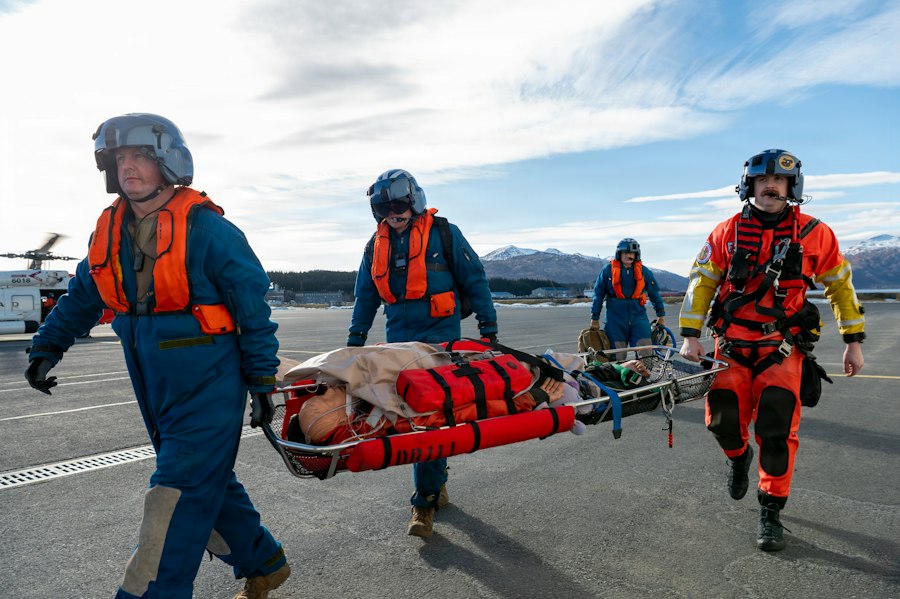
While you can’t entirely prevent the physiological and emotional impact of a crisis, you can build a robust framework of resilience and preparedness beforehand. This proactive approach is the bedrock of effective emergency response psychology, transforming you from a passive recipient of stress into an active agent of calm and control.
Sharpening Your Mental Toolkit: Skills and Training
The most effective way to manage stress in a crisis is to be trained and prepared. This involves actively acquiring and practicing specific skills that will serve you when the pressure is on. Think of it like a surgeon practicing a complex procedure before operating; the repetition builds muscle memory and confidence, allowing them to perform under immense duress.
This training extends beyond technical skills related to your specific role. It also encompasses mental preparedness. This can involve simulated emergency drills, stress inoculation training, and learning techniques like visualization and mindfulness. Familiarity with protocols, clear understanding of your role and responsibilities, and practiced decision-making under pressure are all crucial components of your mental toolkit. The more you have rehearsed how you will act, the more likely you are to do so effectively when the real event occurs. This isn’t about predicting the future, but about building a robust and adaptable response system.
Cultivating a Calm Mindset: Mindfulness and Grounding Techniques
When chaos erupts, your mind can easily become a runaway train. Cultivating a calm mindset through mindfulness and grounding techniques is like laying down sturdy tracks to guide that train. Mindfulness, in essence, is about paying attention to the present moment without judgment. In an emergency, this means consciously bringing your focus back to what is happening now, rather than getting lost in anxious “what ifs” or replaying past events.
Grounding techniques are practical strategies to anchor yourself in the present. These can include focusing on your breath, consciously feeling your feet on the ground, or engaging your senses by noticing five things you can see, four things you can touch, three things you can hear, two things you can smell, and one thing you can taste. These simple yet powerful exercises can interrupt the cycle of anxious thoughts and bring you back to a state of greater clarity and control, even amidst overwhelming circumstances. Regularly practicing these techniques in your daily life will make them more accessible and effective when you need them most.
Building a Support Network: The Power of Connection
In the face of adversity, you are not an island. Your psychological well-being and your effectiveness in an emergency are significantly enhanced by a strong support network. This network can comprise colleagues, friends, family, and mental health professionals. Knowing that you have people you can rely on, both during and after a crisis, can significantly buffer the impact of stress.
This support network isn’t just for emotional comfort. It also plays a vital role in practical assistance. During an emergency, colleagues can provide backup, share responsibilities, and offer different perspectives. Post-crisis, your network can offer a space for debriefing, processing experiences, and receiving encouragement for recovery. Actively nurturing these relationships and fostering a culture of mutual support within your response team is a critical component of psychological preparedness.
Navigating the Moment: Real-Time Stress Management Strategies
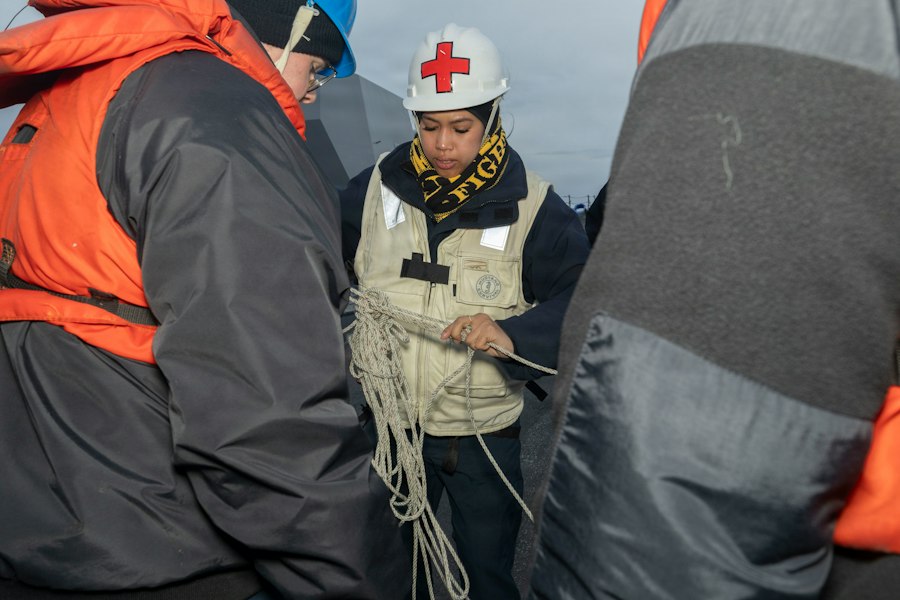
The crisis is unfolding, and the physiological and emotional storm is upon you. Now is not the time for theoretical knowledge; it’s the time for practical, in-the-moment strategies that will help you maintain functionality and composure. These techniques are designed to be deployed as the need arises, helping you to regain control when you feel overwhelmed.
Anchoring Your Breath: The Foundation of Calm
Of all the physiological responses to stress, your breathing is often the first to betray you, becoming shallow and rapid. Yet, it is also one of the most powerful tools you have for regaining control. Consciously regulating your breath is a direct pathway to calming your nervous system. Deep, slow, diaphragmatic breathing signals to your body that the immediate threat has passed, or at least that you are capable of managing it.
When you feel the onset of panic or overwhelming stress, immediately focus on your breath. Inhale slowly and deeply through your nose, allowing your belly to expand. Hold for a moment, and then exhale slowly through your mouth, as if you were blowing out a candle. Repeat this several times. This simple act of focused breathing can significantly reduce your heart rate, lower blood pressure, and help to interrupt the fight-or-flight response, bringing you back to a more rational state. Make it a habit to check in with your breath regularly, even when things seem calm, so it becomes an automatic response.
Focused Task Engagement: The Power of Doing
When your mind is racing with anxieties, the most effective antidote can be to focus on a specific, manageable task. This is about channeling your energy and attention into something concrete and actionable. In an emergency, this might involve following a specific protocol, assisting an individual with a particular need, or performing a defined role. The key is to break down the overwhelming situation into smaller, achievable steps.
By immersing yourself in a task, you reduce the mental space available for anxious thoughts and overwhelming emotions. The act of doing, of actively contributing, can also foster a sense of agency and control, which is crucial for maintaining psychological well-being. Don’t underestimate the power of small victories; each completed task, no matter how minor it may seem, builds momentum and confidence. This focused engagement is a form of active mindfulness, keeping you grounded in the present reality of the situation.
Strategic Communication: Clarity Amidst Confusion
Effective communication is the lifeblood of any emergency response. In the midst of chaos, clear, concise, and calm communication can be a powerful stress-reducer for both yourself and those around you. When you are feeling stressed, your natural inclination might be to speak rapidly, jump between topics, or become overly emotional. Resisting this urge and prioritizing clarity is paramount.
When communicating, focus on providing essential information, using simple language, and avoiding speculation or unnecessary jargon. Listen actively to others, ensuring you understand their needs and concerns. If you are in a leadership role, your calm and clear communication can set the tone for the entire team, fostering a sense of order and reassurance. Practice active listening by summarizing what you’ve heard and asking clarifying questions. This not only ensures accurate information exchange but also validates the speaker’s feelings, which can be incredibly comforting in a crisis.
Post-Crisis Recovery: Healing the Invisible Wounds
The immediate crisis may be over, but the psychological impact can linger. Your mind and body have been through a significant ordeal, and a period of intentional recovery is essential for healing and preventing long-term consequences. This phase is not an optional add-on; it’s a critical component of the emergency response process.
The Importance of Debriefing and Critical Incident Stress Management (CISM)
One of the most vital post-crisis interventions is debriefing. This structured process allows individuals and teams to discuss their experiences in a safe and supportive environment. Debriefing is not about assigning blame; it’s about processing what happened, identifying challenges, sharing coping strategies, and acknowledging the emotional toll. Critical Incident Stress Management (CISM) is a comprehensive program that encompasses a range of interventions, including debriefing, to help individuals and groups manage the stress associated with traumatic events.
During a debriefing, participants are encouraged to share their thoughts, feelings, and observations. This can help to normalize their experiences, reduce feelings of isolation, and provide an opportunity for mutual support. A well-conducted debriefing can help to mitigate the risk of developing more serious psychological conditions, such as Post-Traumatic Stress Disorder (PTSD), by providing an early outlet for processing traumatic experiences.
Recognizing and Managing Signs of Stress: Long-Term Implications
While you might feel a sense of relief when the immediate danger has passed, the lingering effects of stress can manifest in various ways. It’s crucial to be aware of these signs in yourself and others. These can include sleep disturbances (insomnia or excessive sleeping), changes in appetite, irritability, difficulty concentrating, increased anxiety or jumpiness, avoidance of reminders of the event, or even physical symptoms like headaches or digestive issues.
It’s important to remember that experiencing these symptoms is a normal reaction to an abnormal event. The key is to recognize them and seek appropriate support. Ignoring these signs can lead to chronic stress, burnout, and more serious mental health challenges. Be patient with yourself and others during this recovery period. Healing takes time, and self-compassion is essential.
Rebuilding and Reintegrating: Returning to Normalcy
The process of returning to everyday life after a crisis can be as challenging as the crisis itself. You may find that your perspective has shifted, your priorities have changed, and the familiar routines of life feel different. Reintegrating involves not just returning to your physical surroundings, but also rebuilding your sense of normalcy and purpose.
This might involve reconnecting with loved ones, resuming daily activities at your own pace, and engaging in activities that bring you joy and relaxation. It’s also important to be mindful of your ongoing psychological well-being. If you continue to struggle, don’t hesitate to seek professional help. Therapists specializing in trauma and stress can provide invaluable support and guidance as you navigate this reintegration process and continue to heal. Remember that seeking help is a sign of strength, not weakness.
Emergency response psychology plays a crucial role in understanding how individuals react in high-stress situations, and it can significantly impact the effectiveness of crisis management strategies. For those interested in exploring this field further, a related article can be found at Unplugged Psychology, which delves into the psychological aspects of emergency response and offers insights into improving mental health support during crises. This resource provides valuable information for professionals and volunteers alike, highlighting the importance of psychological preparedness in emergency situations.
Empowering Your Response: A Continuous Journey of Growth
| Metric | Description | Typical Range/Value | Relevance in Emergency Response Psychology |
|---|---|---|---|
| Response Time | Time taken for emergency responders to arrive at the scene | 5-15 minutes | Critical for reducing trauma and psychological impact on victims |
| Stress Level (Cortisol) | Biological marker indicating stress in responders and victims | Normal: 6-23 mcg/dL; Elevated during emergencies | Helps assess acute stress and need for psychological intervention |
| PTSD Prevalence | Percentage of individuals developing post-traumatic stress disorder after an emergency | 10-30% depending on event severity | Guides long-term mental health support and counseling |
| Resilience Score | Measure of an individual’s ability to cope with stress and trauma | Scale 1-10; Average around 6-7 | Used to tailor psychological support and training for responders |
| Psychological First Aid (PFA) Utilization | Percentage of emergency responders trained in PFA techniques | Varies widely; 40-70% in developed systems | Improves immediate emotional support and reduces long-term trauma |
| Incident Severity Rating | Scale rating the psychological impact of an emergency event | Scale 1-5; 5 being most severe | Helps prioritize psychological resources and interventions |
Emergency response psychology is not a static set of rules; it’s a dynamic and evolving field that requires continuous learning and adaptation. Your commitment to understanding and applying these principles is a testament to your dedication to effective and compassionate response. By embracing the ongoing journey of growth, you not only enhance your own resilience but also contribute to a safer and more supportive environment for everyone.
The Evolving Landscape of Emergency Psychology
The field of emergency response psychology is constantly advancing, informed by new research, lived experiences, and innovative therapeutic approaches. Staying abreast of these developments is crucial for maintaining your effectiveness. This includes understanding emerging psychological impacts of different types of crises, refining intervention strategies, and incorporating lessons learned from past events into current practices.
Continuous professional development, through workshops, conferences, and advanced training, is vital. This allows you to update your knowledge base, learn new techniques, and engage with a community of professionals who are dedicated to the same goals. The psychological demands of emergency response are complex and multifaceted, and ongoing learning ensures you are equipped with the most current and effective tools to meet these challenges.
Leading with Empathy and Psychological Acumen
Effective leadership in emergency situations requires more than just technical expertise; it demands a profound understanding of human psychology. Leaders who prioritize empathy and possess strong psychological acumen are better equipped to inspire confidence, manage team dynamics, and support the emotional well-being of their responders. This involves recognizing and validating the stress experienced by your team members, fostering an environment of psychological safety, and promoting open communication.
Leading with empathy means understanding that each individual responds to stress differently. It involves being attuned to the emotional cues of your team, offering individualized support when needed, and modeling healthy coping mechanisms. By demonstrating genuine care and concern for the psychological well-being of your team, you build trust and strengthen their resilience, ultimately leading to a more cohesive and effective response.
Fostering a Culture of Psychological Preparedness
Ultimately, the most impactful way to manage stress in crisis situations is to embed psychological preparedness into the very fabric of emergency response. This means moving beyond individual coping strategies and fostering a systemic approach that prioritizes mental health and resilience at every level. This culture shift requires commitment from individuals, organizations, and broader societal structures.
It involves promoting open conversations about mental health, destigmatizing the seeking of support, and ensuring that psychological resources are readily available and accessible. It means integrating psychological considerations into training, planning, and post-incident reviews. By creating a culture where psychological well-being is recognized as an integral component of operational readiness, you build a more robust, compassionate, and ultimately, more effective emergency response system for the future. Your role in this cultural shift is invaluable, shaping the way we respond to crises for years to come.

The Kitty Genovese Story That Changed Psychology—But Was It True?
FAQs
What is emergency response psychology?
Emergency response psychology is a specialized field that focuses on providing mental health support to individuals who have experienced traumatic events or disasters. Psychologists in this field work with first responders, survivors, and communities to help them cope with the psychological impact of emergencies.
What are the key roles of emergency response psychologists?
Emergency response psychologists play a crucial role in providing crisis intervention, psychological first aid, debriefing sessions, and long-term therapy to individuals affected by emergencies. They also work on developing resilience, coping strategies, and mental health awareness within communities.
How do emergency response psychologists help first responders?
Emergency response psychologists provide support to first responders by offering stress management techniques, coping strategies, and mental health resources. They help first responders process their experiences, manage burnout, and address any psychological challenges they may face in the line of duty.
What are some common psychological reactions to emergencies?
Common psychological reactions to emergencies include anxiety, depression, post-traumatic stress disorder (PTSD), survivor’s guilt, and acute stress reactions. Emergency response psychologists are trained to identify and address these reactions to promote healing and recovery.
How can communities benefit from emergency response psychology services?
Communities can benefit from emergency response psychology services by receiving mental health support, education on coping strategies, and resources for building resilience. These services help communities recover from traumatic events, reduce stigma around mental health, and promote overall well-being.