The Unseen Gaze: You Witness a Moment of Pure Humanity
You’ve probably walked past countless CCTV cameras without a second thought. They’re a ubiquitous part of our urban landscape, often associated with security, surveillance, and the sometimes-unsettling feeling of being watched. But what if you knew that within that unblinking electronic eye, a moment of profound human connection could be unfolding? What if you could, through the lens of a security camera, witness an act of kindness so pure, so unprompted, it would restore your faith in humanity? This isn’t a fictional scenario; it’s the reality captured in a recent CCTV footage that has since resonated with thousands, showcasing how often the most impactful acts happen when we least expect them, and when there’s no audience but the indifferent hum of technology.
Imagine yourself navigating a busy street, perhaps on your daily commute, or running errands. The scene is ordinary: pedestrians hurrying along, cars passing by, the usual urban symphony. Then, a disruption. Something out of the ordinary. And then, a response. A response that, when you see it replayed, makes you pause. It makes you reflect. It makes you feel a warmth spread through you, a quiet affirmation that even in a world that can often feel cold and impersonal, there are still people willing to extend a hand, to offer comfort, to simply be there for a stranger in need. This is the power of the footage, and it’s a power that lies not just in the recording itself, but in the universal human impulse it so beautifully illustrates.
In recent discussions about the role of technology in enhancing community safety, the article on observing helping behaviors captured on CCTV provides valuable insights. This piece explores how surveillance footage can reveal acts of kindness and support among individuals, challenging the often negative perceptions associated with CCTV usage. To read more about this fascinating topic, you can visit the article here: Observing Helping on CCTV.
The Incident Unfolds: A Flicker in the Mundane
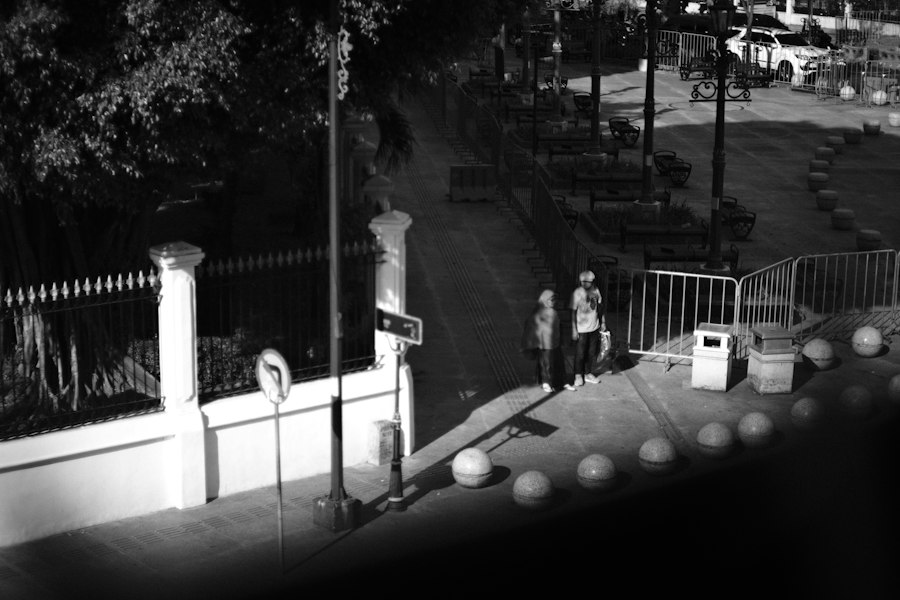
The camera, perched high on a building facade, surveys a bustling intersection. The time is late afternoon, the light beginning to soften, casting long shadows. People move in and out of frame, their faces a blur of everyday concerns. Then, a single figure becomes the focal point. You see them falter. Perhaps it’s a stumble, a sudden loss of balance, or a visible expression of distress. It’s subtle at first, easily missed amidst the general flow of activity. But the camera, with its unyielding gaze, doesn’t miss it. You observe the individual, now clearly struggling. They might be clutching their chest, or their knees might buckle slightly. There’s a vulnerability laid bare, a moment where the facade of the hurried, independent urban dweller cracks.
A Moment of Hesitation, Then Action
The immediate aftermath of this visible distress is a fascinating study in human reaction. For a brief, almost imperceptible moment, the flow of people continues around the struggling individual. This isn’t a judgment; it’s simply the reality of a busy public space. People are often focused on their own destinations, their own thoughts. However, the footage then captures a pivotal shift. You see it happen: someone from the stream of passersby stops. It’s not a dramatic halt, but a conscious decision to break their stride. Their head turns, their gaze fixes on the distressed person. There’s a subtle but discernible change in their posture, a shift from self-absorption to an outward awareness. This is the critical juncture, the point where the potential for indifference gives way to the instinct for compassion.
The First Approach: A Tentative Offer of Help
As the individual continues to struggle, the person who has paused begins to move towards them. The footage shows a measured approach, not an intrusive one. They don’t rush, but rather approach with a quiet urgency. You can almost feel the unspoken question: “Are you alright?” The interaction begins. You see the two figures coming together. The details are indistinct, the faces small and far away, but the body language is clear. The helper is offering assistance, a steadying hand, perhaps a few spoken words of concern. The distressed individual, whether through physical inability or the shock of their situation, appears to accept this unsolicited aid. This is where the anonymity of the city is momentarily dissolved, replaced by a direct, human-to-human interaction.
The Kindness Unfolds: A Silent Symphony of Support
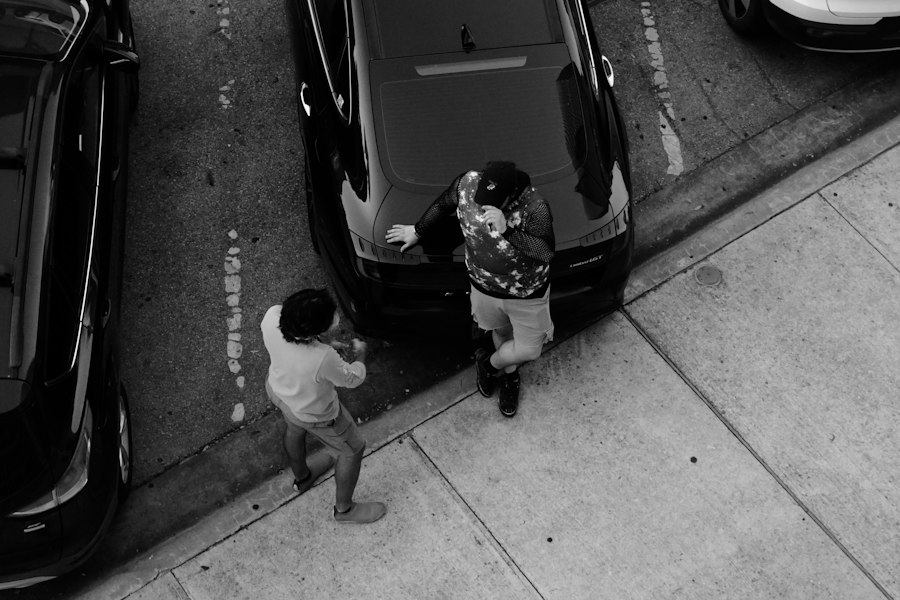
The initial moments of concern quickly blossom into a more tangible act of kindness. The CCTV footage, though grainy and at a distance, captures the essence of the interaction. The helper isn’t just offering a brief word; they are actively providing support. You see them helping the distressed individual to sit down, perhaps on a nearby bench or curb. There’s a gentle guiding motion, a reassurance conveyed through touch and presence. The helper might be fanning the individual, or offering them a sip of water if they have any. It’s the small, considerate gestures that speak volumes. They are not trying to solve a major crisis, but to alleviate immediate discomfort and provide a moment of respite.
Beyond the Immediate Aid: Ensuring Continued Safety
The act of kindness doesn’t end with the initial stabilization. You observe the helper remaining with the individual, ensuring they are not left alone in their vulnerable state. This is where the true depth of their compassion is revealed. They are not just offering a quick fix; they are demonstrating a commitment to the well-being of a complete stranger. The footage might show the helper making a phone call, presumably to emergency services or a contact for the distressed person. Or, they might be patiently waiting, their presence a silent vigil, until the individual feels strong enough to continue, or until further help arrives. This sustained concern is a powerful testament to the innate goodness that can surface in unexpected circumstances.
The Resolution: A Safe Departure, A Lasting Impression
As the situation resolves, you see the helper ensuring the individual is either able to stand and proceed on their way, or that they are in the care of others. There might be a final exchange, a handshake, a nod of gratitude, or simply a shared understanding. The helper then melts back into the crowd, their extraordinary act having been a brief but significant interruption of the ordinary. The distressed individual, now visibly more composed, continues their journey, undoubtedly carrying with them the memory of the stranger’s unexpected kindness. The camera, having faithfully recorded this selfless act, continues its silent watch, a silent witness to a moment that transcends the everyday.
The Power of the Unseen Witness: Why This Footage Matters
It’s easy to dismiss CCTV footage as merely a tool for law enforcement or as evidence in a dispute. But this particular recording does something far more profound. It transforms the mundane into the magnificent, the anonymous into the intimately human. The fact that this act was captured by a security camera, an object often associated with intrusion, ironically highlights the very opposite: the inherent human drive to connect and to help, even when unobserved. You are not just watching a recording; you are witnessing a testament to the inherent goodness that resides within people.
Challenging Perceptions of Urban Life
In a society that often paints urban environments as isolating and impersonal, this footage offers a powerful counter-narrative. It reminds you that amidst the hustle and bustle, amidst the millions of individuals moving through their lives, there are moments of genuine care and connection. It suggests that the veneer of anonymity can be pierced by empathy, and that even in the most crowded of spaces, individuals are capable of extending profound kindness to those they’ve never met. This footage challenges the often-held belief that people in cities are disconnected and indifferent, proving that the human spirit can shine through even the most challenging settings.
Inspiring Future Acts of Compassion
The true impact of this footage lies not just in its documentation of a past event, but in its potential to inspire future ones. When you see this act of kindness, it plants a seed of possibility within you. It makes you think, “What would I do in that situation?” It encourages you to be more observant, more attuned to the needs of those around you. The digital ripples of this video spread, reaching individuals far and wide, each one touched by the simple yet profound act of one person choosing to help another. It becomes a reminder that you too have the power to make a difference, to be a catalyst for good in the lives of strangers.
Recent advancements in technology have made it easier to observe acts of helping behavior through CCTV footage, shedding light on the dynamics of altruism in everyday situations. For a deeper understanding of how these observations can influence our perceptions of kindness, you can explore a related article on the topic. This insightful piece discusses various studies and findings that highlight the significance of witnessing helping behavior in public spaces. To read more about this fascinating subject, visit this article.
The Unsung Heroes: Reflections on the Helper’s Motivation
| Metric | Description | Example Data | Unit |
|---|---|---|---|
| Number of Helping Incidents | Total count of observed helping behaviors on CCTV footage | 45 | Incidents |
| Average Duration of Helping | Mean time spent assisting others per incident | 2.5 | Minutes |
| Type of Help Provided | Categories of assistance observed (e.g., physical aid, verbal support) | Physical: 60%, Verbal: 40% | Percentage |
| Time of Day | Distribution of helping incidents by time period | Morning: 30%, Afternoon: 50%, Evening: 20% | Percentage |
| Number of Helpers Involved | Average number of people assisting in each incident | 1.8 | Persons |
| Location of Incident | Common locations where helping was observed | Entrance: 40%, Hallway: 35%, Parking Lot: 25% | Percentage |
| Response Time | Average time taken for help to begin after incident starts | 15 | Seconds |
The individual who stepped forward to help is an unsung hero. They asked for nothing in return, sought no recognition, and their actions were driven by something far more noble than personal gain. The CCTV footage allows you to speculate, to wonder about their inner motivations, and in doing so, to reflect on your own values. What drives someone to intervene when others might walk by?
The Empathy Factor: A Natural Human Response
At its core, the helper’s action is likely rooted in empathy. It’s the ability to put yourself in someone else’s shoes, to feel a resonance with their distress. When you see someone struggling, a part of you instinctively understands their discomfort, their fear, or their pain. This empathetic response can be a powerful motivator, prompting a desire to alleviate that suffering. The footage captures the moment this empathy translates into tangible action, a bridge between understanding and doing. You see the recognition of a fellow human in need, and the immediate impulse to offer support.
The Moral Compass: A Sense of Duty and Responsibility
Beyond empathy, there’s often a strong moral compass at play. Many individuals possess an innate sense of right and wrong, a feeling of responsibility to act when they witness injustice or suffering. This person likely felt a moral obligation to offer assistance, to not stand idly by while someone was in distress. It’s a recognition that we are all interconnected, and that the well-being of others, to some extent, is our collective concern. The camera captures the outward manifestation of this inner moral imperative, a testament to the fact that many people are guided by a deep-seated sense of what is right.
The Digital Echo: Sharing and Amplifying the Good
Once captured, the CCTV footage transcends its original purpose. It becomes a story, a narrative that resonates far beyond the physical location of its origin. You witness the digital echo of this act of kindness, as it’s shared, discussed, and reinterpreted across various platforms. The power of social media and online news outlets ensures that this moment of human connection reaches an audience that might otherwise never have known it happened.
The Viral Spread: From Local to Global Impact
The journey of this footage from a security camera to your screen is often a rapid one. It starts with a local news report, a social media post, or a shared video link. As people witness the act, they are moved to share it with their own networks. The story gains traction, accumulating views, likes, and comments. What began as a localized incident quickly transforms into a global phenomenon, with people from different cultures and backgrounds finding common ground in their appreciation of this selfless act. The digital echo amplifies the message of kindness, ensuring it reaches a vast and diverse audience.
The Call to Action: Inspiring a Wave of Positivity
The ultimate impact of this footage lies in its ability to inspire. When you see such a clear demonstration of unadulterated kindness, it’s a powerful call to action. It reminds you that the world isn’t always as bleak as it sometimes seems, and that individuals have the power to create positive change. The digital echo serves as a constant reminder of this potential, encouraging viewers to look for opportunities to help those around them. It fosters a sense of optimism and a belief in the inherent goodness of humanity, encouraging a ripple effect of compassion that extends far beyond the initial act itself. You become part of that echo, by reflecting on what you’ve seen and considering how you can contribute to the ongoing narrative of kindness in your own life.

The Kitty Genovese Story That Changed Psychology—But Was It True?
FAQs
What is CCTV?
CCTV stands for Closed Circuit Television. It is a system in which video cameras transmit signals to a specific set of monitors for surveillance and security purposes.
How does CCTV help in observing helping behaviors?
CCTV allows for real-time monitoring of public spaces, enabling observers to witness and record instances of helping behaviors as they occur. This can provide valuable insights into human behavior and social interactions.
What are some examples of helping behaviors that can be observed on CCTV?
Examples of helping behaviors that can be observed on CCTV include assisting someone in need, offering directions, helping with a task, or providing support during an emergency situation.
What are the benefits of using CCTV to study helping behaviors?
Using CCTV to study helping behaviors provides researchers with objective and unbiased data, allows for the observation of natural behavior in real-world settings, and can help identify patterns and factors that influence helping behavior.
Are there any ethical considerations when using CCTV to observe helping behaviors?
Yes, there are ethical considerations when using CCTV for research, including issues related to privacy, consent, and the potential for unintended consequences. Researchers must ensure that their use of CCTV is conducted ethically and in accordance with relevant guidelines and regulations.