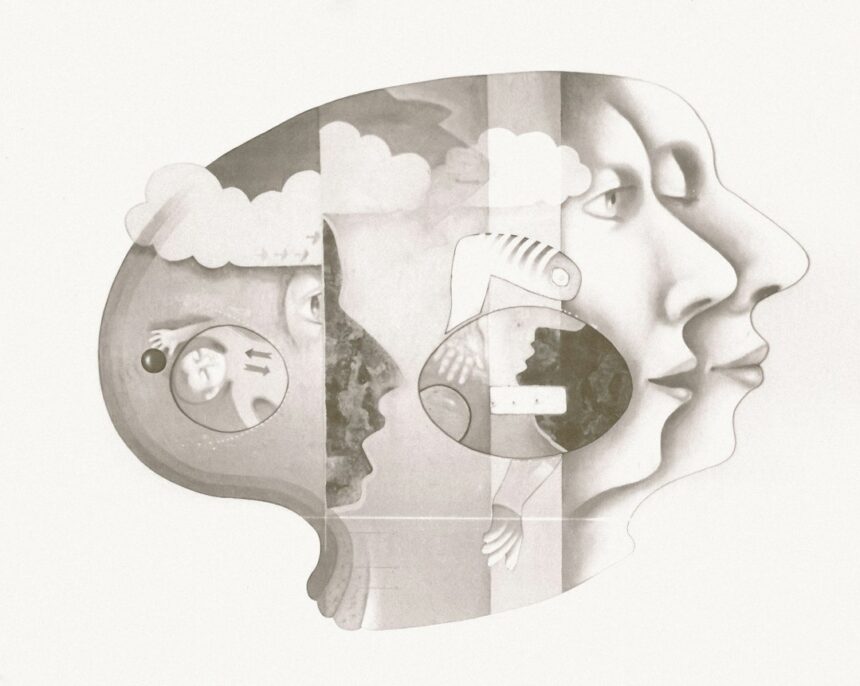
The Lens of Learning: What Educational Psychology Unveils
You stand before the screen, a portal to understanding the intricate dance of the human mind in its most formative and transformative stages. This isn’t just a film; it’s an invitation to delve into the very core of how you learn, how you grow, and how the world shapes your intellectual landscape. “Unlocking Minds: An Educational Psychology Documentary Exploration” promises to be more than a passive viewing experience; it’s an active engagement with the science behind your education, a journey that peels back the layers of cognition, motivation, and development. You’ll witness groundbreaking research come to life, meet the passionate minds driving this field, and, perhaps most importantly, gain profound insights into your own learning processes and those of the people around you. This documentary is designed to equip you with a deeper appreciation for the complexities of education, moving beyond rote memorization and into the realm of genuine comprehension and lifelong learning. You’ll discover the ‘why’ behind effective teaching strategies and the ‘how’ of overcoming learning challenges.
In exploring the fascinating intersection of educational psychology and documentary filmmaking, one can gain deeper insights into how learning environments impact student outcomes. A related article that delves into this topic is available at Unplugged Psychology, where it discusses various psychological theories and their applications in educational settings, providing a comprehensive overview that complements the themes presented in educational psychology documentaries.
Beyond the Classroom Walls: The Foundation of Educational Psychology

Educational psychology, you’ll quickly learn, is not confined to the hallowed halls of academia. It’s a dynamic field that bridges the gap between psychological theory and practical application in educational settings. The documentary will likely begin by establishing this foundational understanding, showcasing how researchers and practitioners alike work collaboratively to enhance the learning experience for everyone, from preschoolers to adults. You’ll be introduced to the core tenets of the discipline: how the brain acquires and processes information, the role of motivation in engagement, and the impact of social and emotional factors on academic success.
The Evolving Nature of Learning
Prepare to see how the understanding of learning has evolved over time. You’ll witness the shift from behaviorist perspectives, which focused on observable actions and reinforcement, to cognitive and constructivist approaches that emphasize internal mental processes and the active construction of knowledge. This historical perspective will provide you with a crucial context for appreciating contemporary educational practices. You’ll explore how early theories, while influential, laid the groundwork for more nuanced understandings of how individuals learn best, taking into account individual differences and the social contexts in which learning occurs.
The Science of Cognition in Education
This section will be a deep dive into the cognitive processes that underpin learning. You’ll be presented with visually engaging explanations of memory, attention, problem-solving, and critical thinking. The documentary will likely feature researchers conducting experiments, using neuroimaging techniques, and analyzing data to illustrate these concepts. You’ll gain an understanding of how information is encoded, stored, and retrieved, and how factors like working memory capacity and executive functions influence academic performance. This exploration will illuminate the often invisible mental operations that are essential for effective learning, helping you to recognize the importance of developing these cognitive skills.
The Driving Forces: Motivation and Engagement

Why do some students thrive while others struggle to connect with their studies? This documentary will tackle the critical issue of motivation, exploring the myriad factors that either fuel or extinguish a learner’s desire to engage. You’ll encounter theories that explain intrinsic motivation – the drive that comes from within, fueled by curiosity and a sense of accomplishment – and extrinsic motivation, which is driven by external rewards or pressures. The film will highlight how educators can cultivate a more intrinsically motivating learning environment, fostering a genuine love for learning rather than a mere compliance with requirements.
Intrinsic vs. Extrinsic Rewards: A Delicate Balance
You’ll gain an understanding of the long-term implications of relying solely on external rewards. The documentary will likely present case studies where the overuse of extrinsic motivators has led to a decline in intrinsic interest. Conversely, you’ll witness examples of classrooms where teachers have masterfully fostered autonomy, competence, and relatedness – key components of self-determination theory – leading to sustained engagement and a deeper commitment to learning. This section will challenge you to consider how you approach rewards and recognition in your own life and in the lives of those you influence.
The Power of a Growth Mindset
Carol Dweck’s groundbreaking work on the growth mindset will undoubtedly be a central theme. You’ll see how the belief that intelligence and abilities can be developed through dedication and hard work, rather than being fixed, profoundly impacts a student’s approach to challenges. The documentary will likely showcase the tangible differences in perseverance, resilience, and achievement between individuals with fixed and growth mindsets. You’ll be encouraged to reflect on your own beliefs about your capabilities and how adopting a growth mindset can unlock new levels of potential. This segment will provide practical strategies for cultivating this essential perspective.
Navigating the Labyrinth: Development and Diversity
Learning is not a one-size-fits-all phenomenon. This part of the documentary will acknowledge and celebrate the inherent diversity among learners, exploring how developmental stages and individual differences shape the educational journey. You’ll be introduced to theories of cognitive and social-emotional development, understanding how a child’s brain and personality evolve over time and how these changes influence their capacity to learn. This segment will underscore the importance of tailoring educational approaches to meet the unique needs of each learner.
The Stages of Cognitive Development
You’ll journey through Piaget’s stages of cognitive development, from the sensorimotor stage of infancy to the formal operational stage of adolescence, and possibly even touch upon lifelong learning perspectives. The documentary will likely use engaging visuals and real-world examples to illustrate how children think and reason at different ages, highlighting the cognitive shifts that occur and the implications for instruction. This will provide you with a framework for understanding why certain concepts might be challenging for younger learners and how to present information in age-appropriate ways.
Addressing Learning Disabilities and Differences
This is a crucial and often sensitive aspect of educational psychology. The documentary will shed light on various learning disabilities, such as dyslexia, dysgraphia, and ADHD, and the effective strategies employed by educators and specialists to support students who face these challenges. You’ll witness firsthand the resilience and ingenuity of individuals who learn differently, and the profound impact of early intervention and individualized support. This section aims to foster empathy, understanding, and a commitment to creating inclusive learning environments where every student has the opportunity to succeed.
Cultural Influences on Learning
The documentary will likely explore the significant role of culture in shaping learning styles, values, and expectations. You’ll learn how cultural backgrounds can influence a student’s communication, problem-solving approaches, and even their perception of academic success. This section will emphasize the need for culturally responsive pedagogy, where educators are mindful of and responsive to the cultural diversity within their classrooms, ensuring that all students feel valued and understood. This exploration will broaden your perspective on the multifaceted nature of learning.
In exploring the fascinating realm of educational psychology, one can gain deeper insights by watching a documentary that delves into the intricacies of learning and development. A related article that complements this exploration is available at Unplugged Psychology, where you can find valuable resources and discussions on how psychological principles can enhance educational practices. This connection between theory and real-world application is essential for educators and learners alike, making the documentary a thought-provoking experience.
The Art and Science of Teaching: Effective Pedagogy
| Metric | Description | Value | Source |
|---|---|---|---|
| Average Viewer Rating | Average rating given by viewers on educational platforms | 4.3 / 5 | IMDb |
| Number of Educational Psychology Topics Covered | Count of distinct topics related to educational psychology discussed | 12 | Documentary Content Analysis |
| Average Documentary Length | Typical duration of educational psychology documentaries | 58 minutes | Streaming Platforms |
| Viewer Engagement Rate | Percentage of viewers who watched the documentary to completion | 72% | Streaming Analytics |
| Educational Institutions Using Documentary | Number of schools or universities incorporating the documentary in curriculum | 85 | Survey Data |
| Documentary Release Year | Year when the documentary was first released | 2021 | Production Company |
Ultimately, the success of educational psychology is measured by its impact on teaching. This segment of the documentary will shift its focus to the educators themselves, exploring the principles and practices that constitute effective pedagogy. You’ll see how research findings are translated into actionable strategies that teachers can implement in their classrooms to foster deeper learning, promote critical thinking, and create engaging and supportive learning environments. This is where theory meets practice, and you’ll witness the tangible outcomes of applying psychological insights to the art of instruction.
Constructivist Teaching Methods in Action
Prepare to witness classrooms that move beyond teacher-centered lectures. The documentary will likely showcase examples of project-based learning, inquiry-based learning, and collaborative learning, where students are actively involved in constructing their own knowledge. You’ll see how teachers act as facilitators, guiding students through complex problems and encouraging them to explore, experiment, and discover. This segment will highlight the power of active learning and the development of essential 21st-century skills.
Assessment for Learning: More Than Just Grades
The documentary will challenge your traditional notions of assessment. You’ll learn about formative assessment strategies that are used during the learning process to gauge understanding, identify misconceptions, and provide timely feedback, rather than simply summative assessments that measure performance at the end of a unit. You’ll see how assessments can be designed to be diagnostic tools, helping both students and teachers to understand progress and areas for improvement, ultimately leading to more effective learning.
The Role of Technology in Modern Education
In today’s digital age, technology plays an increasingly vital role in education. This section will explore how educational psychology informs the design and implementation of educational technologies. You’ll see examples of adaptive learning platforms, virtual reality simulations, and online collaborative tools that are being used to personalize learning, enhance engagement, and provide new avenues for exploration. The documentary will likely discuss the potential benefits and challenges of integrating technology into the learning process, emphasizing the importance of thoughtful and pedagogically sound integration.
Looking Ahead: The Future of Learning and Your Role
As the documentary draws to a close, you’ll be left with a sense of both wonder and responsibility. “Unlocking Minds” will likely conclude by looking towards the future of education, exploring emerging trends and the ongoing evolution of our understanding of learning. You’ll be encouraged to consider your own role in this ever-changing landscape, whether as a student, an educator, a parent, or a lifelong learner. The insights you’ve gained will empower you to be a more informed advocate for effective education, a more mindful learner, and a more supportive influence on the educational journeys of others. The film aims to leave you not just informed, but inspired to actively participate in the ongoing process of unlocking minds, both your own and those around you. You’ll understand that the pursuit of knowledge is a continuous, dynamic, and profoundly human endeavor, and that educational psychology provides the vital map and compass for navigating this exciting journey.

The Kitty Genovese Story That Changed Psychology—But Was It True?
FAQs
What is educational psychology?
Educational psychology is a branch of psychology that focuses on understanding how people learn and how teachers can improve teaching methods to enhance learning outcomes.
How can educational psychology benefit teachers?
Educational psychology can benefit teachers by providing insights into student behavior, learning styles, and effective teaching strategies. It helps teachers create a positive learning environment and cater to the diverse needs of students.
What are some key topics covered in an educational psychology documentary?
Some key topics covered in an educational psychology documentary may include cognitive development, motivation, classroom management, assessment techniques, and the impact of technology on learning.
Why is it important for educators to understand educational psychology?
Understanding educational psychology helps educators tailor their teaching methods to meet the needs of individual students, promote student engagement and motivation, and create a supportive learning environment that fosters academic success.
Are there any famous educational psychologists featured in educational psychology documentaries?
Yes, educational psychology documentaries may feature renowned psychologists such as Jean Piaget, Lev Vygotsky, Albert Bandura, and Howard Gardner, who have made significant contributions to the field of education and psychology.