
The Paradoxical Symphony of an Occupied Mind
You often hear it, don’t you? “I’m so busy.” It’s a common refrain, a social currency exchanged in fleeting greetings, a polite acknowledgment of the perceived demands of modern life. But what happens when those words, or the sentiment behind them, manifest not in a bustling office or a chaotic household, but within the quiet confines of your own company? You say you’re busy, and you mean it, even when you’re alone. This isn’t a contradiction; it’s a testament to the intricate inner world you inhabit, a vibrant landscape teeming with activity that’s often invisible to the outside observer. You are, in essence, engaged in the busy life of solitude.
It’s a peculiar kind of busyness, isn’t it? It doesn’t involve meeting deadlines for others, navigating interpersonal conflicts, or physically attending to tasks that require external validation. Instead, your busyness is a self-generated, self-directed symphony of thought, introspection, and creative exploration. It’s a conscious choice to fill your solitary hours with meaningful engagement, with the pursuit of understanding, and with the nurturing of your inner self. And in this rich tapestry of internal occupation, you find not emptiness, but a profound sense of purpose and fulfillment.
This article is an exploration of that paradoxical state: the busy life of solitude. It’s about understanding why you feel and declare yourself busy when you are, by all external measures, alone. We’ll delve into the multifaceted nature of this inner activity, the reasons behind its perceived busyness, and the unique benefits it offers. You’ll discover that your solitude isn’t a void to be filled, but a fertile ground for growth, discovery, and a uniquely personal kind of productivity.
In today’s fast-paced world, many individuals find themselves claiming to be busy even when they are alone, often as a way to justify their need for solitude or to avoid social interactions. This phenomenon is explored in depth in an insightful article on the Unplugged Psych website, which discusses the psychological implications of busyness and how it can serve as a coping mechanism for anxiety and stress. For more information on this topic, you can read the article here: Unplugged Psych.
The Internal Architects of Your Time
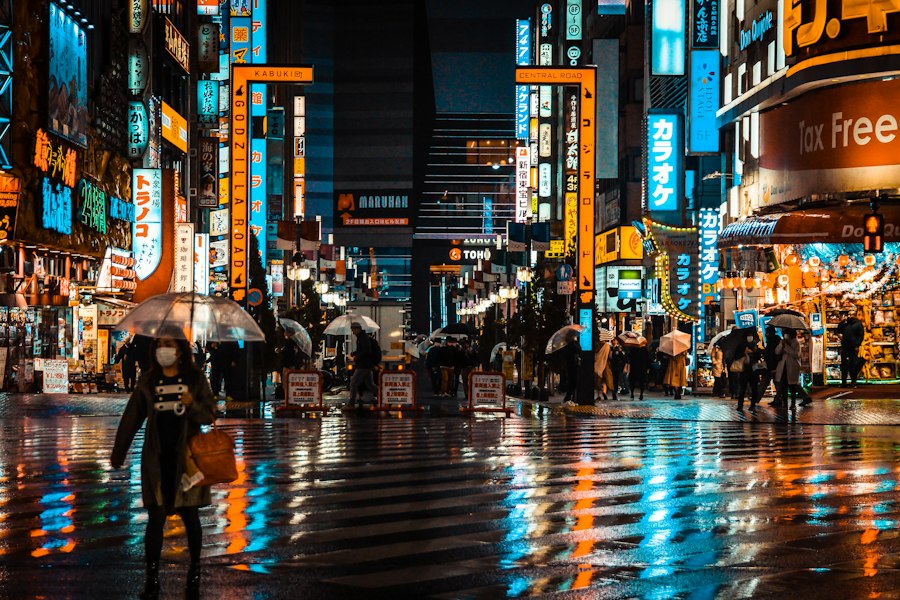
When you’re alone, you are not idle. You are, in fact, the chief architect of your own time, meticulously designing and constructing a mental and emotional environment that requires constant attention and engagement. This internal world, though unseen, is a complex ecosystem where thoughts are cultivated, emotions are processed, and ideas are brought to life. It’s a realm that demands your full presence and your undivided focus, making your solitary hours far from empty.
The Constant Hum of Cognitive Processes
Your mind, even at rest, is a powerhouse of activity. You’re not simply existing; you’re thinking, analyzing, synthesizing, and problem-solving. This constant hum of cognitive processes is the foundation of your perceived busyness. It’s the internal dialogue that dissects the day’s events, replays conversations, and anticipates future scenarios. It’s the deep dive into a complex topic you’re researching, the wrestling with a philosophical question that’s been nagging at you, or the simple act of piecing together the fragments of a dream. These are not passive mental exercises; they are active engagements that consume mental energy and require a significant level of cognitive load. You are, in essence, running a sophisticated internal operating system that is perpetually processing information and generating insights.
The Landscape of Emotional Processing
Solitude offers a unique sanctuary for emotional processing. When the external world’s demands recede, you are left with yourself and your inner emotional landscape. This isn’t always a serene vista; it can be a churning sea of feelings, both pleasant and challenging. You might find yourself revisiting past hurts, working through anxieties about the future, or savoring moments of profound joy. Each emotion requires acknowledgment, understanding, and often, a period of deliberate integration. This emotional work, while intangible, is incredibly demanding. It’s about confronting your vulnerabilities, celebrating your triumphs, and ultimately, achieving a greater sense of emotional equilibrium. You are, in these moments, acting as your own therapist, your own confidant, and your own healer.
The Architects of Creative Endeavor
For many, solitude is the fertile ground where creativity blossoms. It’s in these quiet moments that you allow your imagination to roam free, to connect disparate ideas, and to bring forth new concepts, stories, or artistic expressions. Whether you’re writing a poem, composing a piece of music, sketching an idea, or simply brainstorming solutions to a personal project, your creative process is inherently demanding. It requires sustained focus, experimentation, and a willingness to explore the unknown. You are not just a recipient of inspiration; you are an active participant in its generation and refinement. This creative incubation, this nurturing of nascent ideas, is a deeply engaging and time-consuming endeavor that contributes significantly to your sense of busyness.
The Strategic Retreat for Self-Nurturing

Your declaration of busyness in solitude is not a sign of an inability to relax; rather, it’s a reflection of your understanding that true replenishment often requires active engagement with yourself. You are not avoiding external interaction out of social deficiency, but strategically retreating to invest in your most important relationship: the one with yourself. This self-nurturing is a vital form of productivity, ensuring your well-being and your capacity to engage effectively with the world when you choose to.
The Deep Dive into Self-Reflection
Solitude provides the unparalleled opportunity for deep self-reflection. Without the constant distractions and opinions of others, you can turn your gaze inward and truly examine your motivations, values, and beliefs. This is not a superficial glance; it’s a rigorous interrogation of your inner landscape. You might be analyzing past decisions, assessing your current trajectory, or contemplating your aspirations for the future. This process of understanding yourself on a deeper level is crucial for personal growth and for making conscious choices that align with your authentic self. It requires mental discipline and a willingness to confront uncomfortable truths, making it a profoundly engaging and busy pursuit. You are, in this context, conducting an ongoing audit of your own existence, striving for clarity and integrity.
The Cultivation of Inner Peace
While it might seem counterintuitive, the pursuit of inner peace can be an active and demanding endeavor. It’s not about passively waiting for tranquility to descend; it’s about actively cultivating the conditions for it. This can involve practices like meditation, mindfulness, or engaging in activities that bring you a sense of calm and centeredness. These practices require focus, discipline, and a commitment to training your mind to be present and less reactive. The process of quieting the mental chatter, of letting go of external anxieties, and of connecting with a deeper sense of serenity is a form of internal labor that can be just as exhausting, if not more so, than many external tasks. You are, in essence, engaged in a rigorous training regimen for your own mental and emotional well-being.
The Recharging of Your Inner Batteries
Think of your solitary time as a crucial period of recharging. You are not simply resting; you are actively replenishing your physical, mental, and emotional reserves. This might involve engaging in activities that bring you joy and restore your energy, such as reading, listening to music, spending time in nature, or pursuing a hobby. These are not passive pursuits; they are active engagements that nourish your soul and restore your capacity to engage with the world. When you are alone, you are making a conscious decision to invest in your own well-being, recognizing that a depleted self cannot effectively contribute to anything or anyone else. This act of self-care, this deliberate recharging, is a vital and often time-consuming aspect of your busy life.
The Productivity of Unseen Labor
Your busyness in solitude is a testament to the fact that not all productivity is measured by external output or visible achievements. There is a vast and significant realm of unseen labor that contributes immeasurably to your personal development, your emotional resilience, and your overall capacity to navigate the complexities of life. This is the work you do when no one is watching, the intricate processes that shape who you are and how you interact with the world.
The Problem-Solving Engine at Work
Even when you’re alone, your mind is constantly engaged in problem-solving. These problems aren’t always monumental crises; they can be small, everyday challenges that require your attention. You might be mentally troubleshooting a household issue, strategizing the most efficient way to manage your finances, or planning the logistics of a future endeavor. This mental wrestling with challenges, this analytical approach to finding solutions, is an active and demanding cognitive process. You are not passively waiting for answers; you are actively generating them through a process of critical thinking and creative ideation. This continuous problem-solving, even in its micro-forms, contributes significantly to your perceived busyness. You are, in essence, running a sophisticated internal advisory board, constantly seeking optimal outcomes.
The Knowledge Acquisition Engine
Solitude often provides the perfect environment for focused learning and knowledge acquisition. Whether you’re delving into a new subject through books, documentaries, or online courses, you are actively engaged in expanding your understanding of the world. This process of absorbing new information, of connecting it to existing knowledge, and of synthesizing it into a cohesive understanding requires sustained concentration and mental effort. It’s not a passive reception of data; it’s an active process of inquiry and assimilation. This dedicated pursuit of knowledge, this continuous expansion of your intellectual horizons, is a significant and time-consuming undertaking that makes you busy, even when you’re alone. You are, in essence, a self-directed scholar, constantly seeking to deepen your expertise.
The Skill Refinement Workshop
Many of your solitary hours are dedicated to the refinement of skills, both tangible and intangible. This could involve practicing a musical instrument, honing your writing abilities, developing a new coding language, or even improving your interpersonal communication skills through mental rehearsal. These are not skills that develop overnight; they require dedicated practice, deliberate effort, and a commitment to continuous improvement. The process of identifying areas for growth, of actively working to overcome challenges, and of striving for mastery is an inherently busy and demanding endeavor. You are, in these moments, your own coach, your own mentor, and your own most demanding critic, all dedicated to the pursuit of excellence.
Many people often find themselves saying they are busy even when they are alone, a phenomenon that can be explored further in the article on the psychology of solitude. This tendency may stem from a desire to fill the silence with distractions or a reluctance to confront one’s own thoughts. The article provides insights into how our minds work during solitary moments and why we might prefer to stay occupied rather than embrace stillness. For more information on this intriguing topic, you can read the full article here.
The Strategic Value of Intentional Solitude
| Reason | Description | Impact | Example |
|---|---|---|---|
| Social Expectation | Feeling the need to appear productive or occupied to others. | May lead to unnecessary stress and reduced authenticity. | Saying “I’m busy” to avoid social pressure or questions. |
| Privacy | Using “busy” as a polite way to avoid interaction or interruptions. | Helps maintain personal space but can cause misunderstandings. | Responding “I’m busy” instead of explaining the desire to be alone. |
| Self-Perception | Believing that being busy equates to being valuable or important. | Can create a cycle of overcommitment and burnout. | Claiming busyness to feel a sense of accomplishment. |
| Avoidance | Using busyness as an excuse to avoid uncomfortable situations or emotions. | May delay addressing personal issues or relationships. | Saying “I’m busy” to avoid discussing feelings or conflicts. |
| Habitual Response | Automatically saying “I’m busy” out of habit without reflecting on actual availability. | Can hinder genuine communication and connection. | Defaulting to “busy” when asked about availability, even when free. |
Your busyness in solitude is not a sign of social inadequacy, but a strategic choice to engage with the world on your own terms, fueled by the rich inner life you cultivate. This intentional engagement with yourself allows you to approach external interactions with greater clarity, purpose, and authenticity. It’s in these moments of focused self-occupation that you build the inner resources that enable you to be more present, more effective, and more fulfilled when you choose to connect with others.
The Foundation for Meaningful Connections
Paradoxically, your busy life of solitude often lays the groundwork for more meaningful connections when you do engage with others. By taking the time to understand yourself, to process your emotions, and to nurture your own well-being, you are better equipped to be truly present and engaged in your interactions. You are not seeking external validation to fill an inner void; you are sharing from a place of abundance and self-awareness. This depth of self-understanding allows for more authentic and resonant connections, as you are able to offer your true self to the world, rather than a curated or incomplete version. Your solitary busyness, therefore, is an investment in the quality of your future relationships.
The Catalyst for Personal Growth
The intentional embrace of solitary busyness is a powerful catalyst for personal growth. By dedicating time to introspection, learning, and skill development, you are actively shaping your own evolution. You are not a passive observer of your life; you are an active participant in its creation. The challenges you face and overcome in solitude, the insights you gain, and the skills you hone all contribute to a more resilient, capable, and self-aware individual. This continuous process of self-discovery and self-improvement is an inherently busy and rewarding journey that transforms you from the inside out. You are, in essence, undertaking a lifelong project of self-actualization.
The Source of Renewed Energy and Creativity
The busy life of solitude is also a profound source of renewed energy and creativity. By stepping away from the demands of the external world, you create the space for your inner reserves to be replenished. This dedicated time for self-nurturing, for engaging in activities that bring you joy and fulfillment, allows you to return to the world with a renewed sense of vigor and a fresh perspective. The insights gained and the creative seeds planted in solitude often blossom when you re-engage with others, leading to more innovative solutions and a more vibrant approach to life. Your solitary busyness, therefore, is not an escape from life, but a vital process of preparation and rejuvenation that enhances your capacity to live it fully.

Why “Any Plans This Weekend?” Feels So Hard to Answer
FAQs
What is the article “Why I say I am busy when I am alone” about?
The article explores the phenomenon of individuals claiming to be busy even when they are alone, delving into the reasons behind this behavior.
Why do people often say they are busy when they are alone?
People may say they are busy when they are alone to avoid feeling unproductive, to maintain a sense of importance, or to create a boundary between themselves and others.
Is it common for individuals to feel the need to appear busy even when they are alone?
Yes, it is a common behavior for individuals to feel the need to appear busy even when they are alone, as it can be linked to societal pressures and personal insecurities.
What are some potential consequences of constantly claiming to be busy when alone?
Constantly claiming to be busy when alone can lead to increased stress, burnout, and a lack of genuine relaxation, as well as potential strain on personal relationships.
How can individuals address the tendency to say they are busy when they are alone?
Individuals can address this tendency by reflecting on their motivations for claiming to be busy, practicing self-awareness, setting boundaries, and prioritizing genuine self-care and relaxation.