
You find yourself reaching for your phone, a familiar phantom itch in your pocket. Before you even consciously decide to, your thumb is already swiping, your eyes are already scanning, and you’re lost. Lost in the endless scroll, the curated lives, the fleeting dopamine hits. You know you shouldn’t. You tell yourself you shouldn’t. Yet, here you are, again. This isn’t a judgment; it’s a shared reality for so many of us. The siren song of social media has a powerful hold, and breaking free feels like an insurmountable task. But it doesn’t have to be. This is your guide to understanding why you’re stuck and, more importantly, how to reclaim your time, your focus, and your peace.
The Allure of the Infinite Scroll
You’re not alone in your struggle. Social media platforms are meticulously designed to capture and retain your attention. It’s a business model built on engagement, and they’ve become incredibly adept at it. Understanding the psychological hooks is the first step towards disarming them.
The Dopamine Drip Feed
Think about it: every notification, every like, every comment is a tiny reward. These small bursts of pleasure trigger the release of dopamine in your brain, a neurotransmitter associated with reward and motivation. This creates a feedback loop. You check your phone, you get a small reward, and your brain starts to crave that reward again. Over time, this can lead to a dependence, where you feel a physical or psychological urge to check your phone, even when there’s no actual notification. It’s like a Pavlovian response, and the bell is your phone buzzing or lighting up. This constant, unpredictable stream of rewards makes it incredibly difficult to resist the urge to check, as you never know when the next “treat” might appear. It’s this very unpredictability that makes the habit so sticky. You’re not just looking for a specific piece of information; you’re chasing the possibility of a positive interaction, a moment of validation, or simply something new and interesting to break the monotony.
The Fear of Missing Out (FOMO)
This is a potent driver of social media addiction. You see your friends at a party you weren’t invited to, a new trend you’re not participating in, or a piece of news that’s spreading like wildfire. The constant barrage of what others are doing can create a gnawing anxiety that you’re somehow falling behind, missing out on crucial social interactions, experiences, or even important information. This fear is amplified by the visual nature of social media, where experiences are often presented in their most polished and exciting forms. You’re not seeing the mundane realities, just the highlights reel. This can warp your perception of what a “normal” or fulfilling life looks like, making your own experiences seem less exciting by comparison. The relentless stream of updates fuels this fear, as there’s always something new to potentially miss.
The Illusion of Connection
Social media promises connection, and in some ways, it delivers. You can stay in touch with friends and family across distances, find communities of like-minded individuals, and even build professional networks. However, this digital connection can sometimes feel superficial, lacking the depth and nuance of real-world interaction. You might have hundreds or thousands of “friends” or “followers,” but how many of those connections are truly meaningful? The ease of passive consumption – liking a post or scrolling through someone’s feed – can create an illusion of engagement without requiring genuine effort or vulnerability. This can leave you feeling paradoxically more isolated despite being constantly “connected.”
If you’re struggling to stop checking your social media constantly, you might find helpful strategies in the article “How to Break Free from Social Media Addiction” on Unplugged Psych. This resource offers practical tips and insights on managing your online habits and fostering a healthier relationship with technology. To read more, visit Unplugged Psych.
Identifying Your Triggers and Patterns
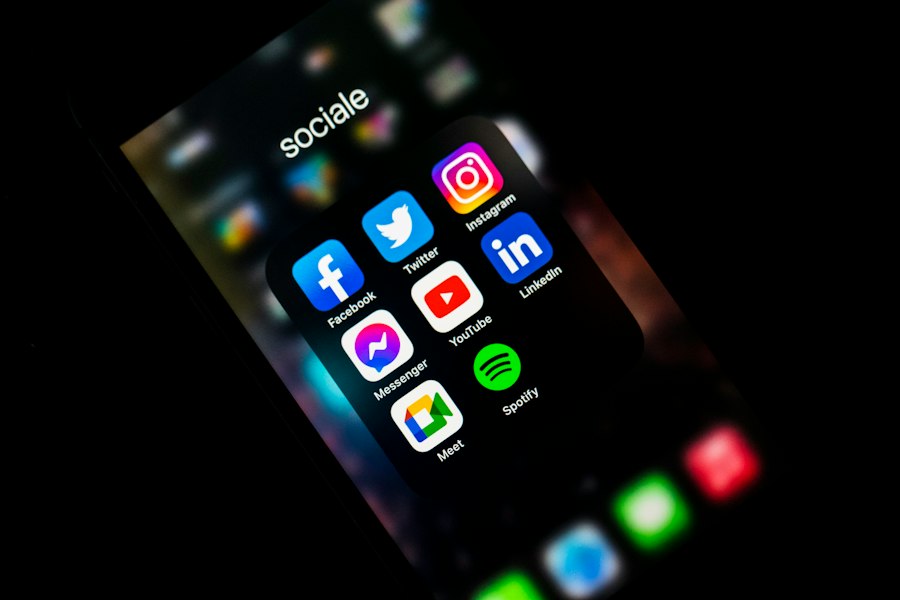
Before you can break a habit, you need to understand what’s driving it. For many, social media checking has become an automatic response, so deeply ingrained that you might not even realize when or why you’re doing it.
The Context of Your Checks
When do you reach for your phone? Is it during moments of boredom? When you’re waiting in line? After a stressful conversation? When you wake up in the morning or before you go to sleep? Pinpointing these moments, these “triggers,” is crucial. Start by simply observing yourself without judgment. Keep a mental note, or even a physical one, of each time you find yourself opening a social media app. What were you doing immediately before? What were you feeling? This simple act of awareness can reveal surprising patterns. You might discover that your social media use spikes during commutes, or perhaps when you’re feeling lonely or anxious. Understanding the context allows you to anticipate and prepare for these moments.
The Emotional Landscape
Beyond the external triggers, consider the internal emotional landscape that leads you to social media. Are you seeking validation? Escaping from difficult emotions? Trying to feel more in control? Social media can be a readily available coping mechanism for a variety of feelings. If you’re feeling insecure, you might scroll through profiles of people who appear to have more “successful” lives. If you’re feeling bored, you might seek the fleeting stimulation of new content. Recognizing these emotional drivers is key to finding healthier ways to address those feelings. For instance, if you’re using social media to combat loneliness, consider reaching out to a friend for a real-life conversation instead. If you’re seeking validation, focus on building your self-esteem through activities and accomplishments rather than relying on external likes and comments.
The Time Drain Audit
You might be surprised by how much time you’re actually dedicating to social media. Most smartphones have built-in tools that can track your app usage. Take a look. Don’t shy away from the numbers, no matter how daunting they might seem. This data can be a powerful motivator. Imagine what you could achieve or experience with those hours back in your life. This isn’t about shaming yourself; it’s about gaining an objective understanding of where your time is going. Once you have a clear picture of the time commitment, you can begin to set realistic goals for reducing it. You might find that you spend an hour a day on Instagram, or two hours on TikTok. This concrete data provides a tangible target for improvement.
Strategies for Digital Detox and Reclaim

Once you understand the “why,” you can begin to implement practical strategies to break the habit and reclaim your digital life. This is an ongoing process, not a one-time fix.
Setting Clear Boundaries and Limits
The most effective way to combat excessive social media use is to set deliberate boundaries. This involves both time limits and physical boundaries.
Intentional Usage Blocks
Instead of allowing yourself to drift in and out of social media all day, designate specific times for checking. This might be 15 minutes in the morning and 15 minutes in the evening. During these blocks, be intentional. What do you want to achieve? See updates from specific people? Check for important messages? Once your time is up, log off. It sounds simple, but the discipline required is significant. This approach shifts social media from a constant background hum to a scheduled activity.
Notification Management
Turn off non-essential notifications. Each ping and buzz is a siren call, pulling you back into the digital vortex. Keep only the most crucial alerts, perhaps from direct messages or important work-related apps. For other apps, you might choose to receive only push notifications, or even no notifications at all, requiring you to actively open the app to see if anything new has appeared. This puts you back in control, rather than allowing the apps to dictate your attention.
Device-Free Zones and Times
Designate certain areas of your home as phone-free zones. Your bedroom is a prime candidate, especially if you find yourself scrolling before sleep or first thing in the morning. Likewise, establish device-free times, such as during meals, family time, or during your commute. These boundaries create pockets of uninterrupted presence in your life, allowing you to engage fully with your immediate surroundings and the people in them.
Cultivating Mindful Alternatives
Replacing the habit is often more effective than simply trying to eliminate it. Find activities that provide similar benefits – connection, stimulation, relaxation – but in a healthier, more fulfilling way.
Engaging in Real-World Activities
What did you enjoy doing before social media consumed so much of your time? Pick up a book, go for a walk in nature, learn a new skill, or spend quality time with loved ones. Reconnecting with offline hobbies and interests can provide a profound sense of satisfaction that social media often fails to deliver. The tactile experience of turning pages, the fresh air on your skin, or the shared laughter with a friend offers a richness that pixels can’t replicate.
Practicing Mindfulness and Presence
Mindfulness techniques, such as meditation or deep breathing exercises, can help you become more aware of your thoughts and feelings without immediately acting on them. This can be incredibly useful when you feel the urge to check your phone. Instead of grabbing your device, take a few deep breaths, observe what’s happening in your mind, and then choose a different course of action. This practice helps you to create space between the impulse and the action, giving you the power of choice.
Prioritizing In-Person Connections
Make a conscious effort to strengthen your real-world relationships. Schedule regular meetups with friends, call your family members, or join local groups and clubs that align with your interests. These authentic connections offer a depth of emotional support and shared experience that virtual interactions often lack. The vulnerability and reciprocity inherent in face-to-face communication build stronger bonds.
Technological Aids and Strategies
Sometimes, technology itself can be part of the solution. There are tools and settings designed to help you manage your digital consumption.
App-Blocking and Time-Tracking Tools
Numerous apps and browser extensions are available that can block access to specific websites or applications for set periods. These can be invaluable for enforcing your boundaries, especially in the initial stages of breaking the habit. Some tools also provide detailed reports on your usage, helping you to stay accountable and identify areas for improvement. Explore options like Freedom, Cold Turkey, or Forest, which offer varying levels of restriction and motivation.
Deleting or Archiving Apps
For particularly addictive platforms, consider deleting the app from your phone altogether. If you need to access it for specific reasons, you can do so via a web browser, which is often a less seamless and thus less habit-forming experience. Alternatively, you might archive apps, removing them from your home screen and requiring a deliberate search to access them, thus adding a layer of friction to impulsive checking.
Scheduled “Digital Fasting”
In addition to daily limits, consider implementing longer periods of digital fasting. This could be a full day on the weekend, a few days during a vacation, or even a week. During these periods, disconnect from all non-essential digital devices. This allows your brain to reset, reduces reliance on constant stimulation, and can help you appreciate the benefits of being present in the offline world.
Navigating the Social Media Landscape Mindfully
Breaking the habit doesn’t necessarily mean abandoning social media entirely. For many, it’s about finding a healthier, more balanced relationship with these platforms, one that serves you rather than consumes you.
Curating Your Feed for Positivity
Take control of what you see. Unfollow accounts that make you feel inadequate, envious, or anxious. Actively seek out content that inspires, educates, or brings you joy. The algorithms are designed to show you more of what you engage with, so by making conscious choices about who you follow and what you interact with, you can gradually shape your feed into a more positive and enriching space. This might involve unfollowing large influencers and focusing on smaller creators, friends, or accounts related to your hobbies.
Engaging with Intent and Purpose
When you do choose to engage with social media, do so with intention. Instead of passively scrolling, have a purpose for your visit. Are you looking for inspiration for a project? Connecting with a specific friend? Learning about a particular topic? By approaching social media with a clear objective, you can prevent yourself from getting lost in the endless stream of content. This also applies to your own posting habits. Share things that are meaningful to you, rather than chasing likes or validation.
Recognizing the Constructed Nature of Online Life
It’s vital to remember that what you see on social media is often a carefully constructed highlight reel. People present their best selves, their most exciting moments, and their most flattering angles. It’s rarely a true reflection of the everyday realities of their lives, which often include challenges, mundane tasks, and moments of doubt, just like yours. By keeping this in mind, you can reduce the tendency to compare yourself unfavorably to others and foster a greater sense of self-acceptance.
If you find yourself constantly checking your social media, you might want to explore some effective strategies to break this habit. One helpful resource is an article that discusses various techniques to reduce your social media usage. By implementing these strategies, you can regain control over your time and focus on more meaningful activities. For more insights, check out this informative piece on how to stop checking your social media regularly at this link.
The Long-Term Rewards of a Digital Reset
| Strategy | Description | Effectiveness (%) | Average Reduction in Checking Frequency |
|---|---|---|---|
| Set Specific Time Limits | Use app timers or alarms to limit social media use to certain times of day. | 75 | 50% fewer checks per day |
| Turn Off Notifications | Disable push notifications to reduce prompts to check social media. | 68 | 40% fewer checks per day |
| Replace with Alternative Activities | Engage in hobbies or exercise instead of scrolling social media. | 70 | 45% fewer checks per day |
| Use Website Blockers | Install apps or browser extensions that block social media sites during set periods. | 80 | 60% fewer checks per day |
| Practice Mindfulness | Be aware of urges to check and consciously decide to delay or avoid it. | 65 | 35% fewer checks per day |
| Delete Social Media Apps | Remove apps from phone to increase friction in accessing social media. | 85 | 70% fewer checks per day |
The journey of breaking free from the social media habit is not always easy, but the rewards are immense and far-reaching. Reclaiming your time and focus can lead to a more fulfilling and engaged life.
Increased Productivity and Focus
With fewer distractions, you’ll find yourself more capable of concentrating on tasks, both personal and professional. This can lead to increased efficiency, better quality of work, and a greater sense of accomplishment. Imagine tackling your to-do list without the constant pull of your phone, or diving deep into a creative project with sustained focus. This enhanced ability to concentrate can unlock new levels of productivity and personal growth.
Improved Mental Well-being
Reducing your exposure to the comparison culture and the constant need for external validation can significantly improve your mental health. You may experience less anxiety, reduced feelings of inadequacy, and a greater sense of contentment with your own life. The pressure to maintain a perfect online persona can be exhausting; letting go of that pressure can be incredibly liberating. This can lead to a more balanced emotional state and a stronger sense of self-worth.
Deeper and More Meaningful Connections
By investing more time and energy into real-world interactions, you’ll foster deeper, more authentic relationships. These connections provide genuine support, shared experiences, and a sense of belonging that is often superficial in the digital realm. You’ll find yourself present in conversations, truly listening and engaging, rather than being half-present while mentally checking your notifications. This authenticity enriches your social life immeasurably.
Reclaiming Your Time and Experiencing Life Fully
Ultimately, breaking the social media habit is about reclaiming your most precious resource: time. With more time available, you can pursue your passions, explore new interests, and simply be present in the moments of your life. This allows you to experience the world around you more fully, rather than through the filtered lens of a screen. You can savor a sunset, enjoy a meal, or have a genuine conversation without the nagging urge to document it or share it online. It’s about living your life, not just broadcasting it. The freedom gained from this reclaim can be profoundly transformative, allowing you to pursue a life that is truly yours.

You Stopped Reaching Out. Why Does Their Silence Hurt So Much?
FAQs
1. Why is it important to stop checking someone’s social media?
It is important to stop checking someone’s social media for mental health reasons, as constantly monitoring someone’s online activity can lead to feelings of jealousy, insecurity, and obsession.
2. How can one break the habit of checking someone’s social media?
One can break the habit of checking someone’s social media by setting boundaries, limiting screen time, finding alternative activities to occupy their time, and seeking support from friends or a therapist.
3. What are the potential consequences of constantly checking someone’s social media?
The potential consequences of constantly checking someone’s social media include increased anxiety, decreased self-esteem, strained relationships, and a negative impact on one’s mental well-being.
4. How can one focus on their own well-being instead of obsessing over someone else’s social media?
One can focus on their own well-being instead of obsessing over someone else’s social media by practicing self-care, engaging in hobbies and activities that bring joy, setting personal goals, and cultivating healthy relationships with others.
5. What are some healthy alternatives to checking someone’s social media?
Some healthy alternatives to checking someone’s social media include practicing mindfulness and meditation, exercising, spending time outdoors, reading a book, volunteering, or pursuing a new hobby or interest.