The sterile, brightly lit laboratory hummed with a low, almost imperceptible thrum of anticipation. In this carefully controlled environment, Dr. Eleanor Vance and her team were about to embark on a study that promised to peel back layers of human behavior, to expose a fundamental, often unconscious force that shapes our social landscapes: the power of human tribalism. This wasn’t a study of overt conflict, of war drums and nationalistic fervor. Instead, it aimed to illuminate the subtle, yet potent, psychological mechanisms that bind individuals to groups and create the us-versus-them mentality that underpins so much of human interaction. The experiment, dubbed “The Echo Chamber,” was designed to be a microcosm, a distilled representation of the forces at play in the wider world, and its implications were far-reaching.
At its core, human tribalism is rooted in an ancient evolutionary imperative. For millennia, survival was inextricably linked to belonging. An individual alone was vulnerable, an easy target for predators and a pariah in the face of scarcity. The tribe offered protection, shared resources, and a collective defense against the myriad threats of a harsh environment. This deep-seated need for affiliation, for a sense of belonging, is not merely a relic of our prehistoric past; it is a powerful, ongoing driver of human psychology, shaping our perceptions, our motivations, and our interactions with the world around us.
Evolutionary Roots: Survival in the Savage Wild
The very architecture of the human brain, shaped by millions of years of evolution, is predisposed to social grouping. Our ancestors who could form cohesive units were more likely to survive, to reproduce, and to pass on their genes. This instinctual drive for collective action and mutual support, though once crucial for physical survival, has been recontextualized by the modern world. The “tribe” is no longer solely defined by proximity and shared lineage. It can be formed around shared interests, political ideologies, online communities, or even a fleeting consensus on social media.
The Psychological Underpinnings: Identity and Security
Beyond mere survival, group affiliation provides a critical psychological scaffolding. Our sense of self, our identity, is heavily influenced by the groups to which we belong. We internalize the norms, values, and beliefs of our tribes, and these become integral to how we see ourselves and how we believe others see us. This process of social identity formation offers a sense of stability and predictability in a complex world. Knowing who you are often means knowing who you are part of. This shared identity acts as a powerful psychological anchor, reducing existential anxiety and providing a framework for understanding one’s place in the social order.
The Social Brain: Neurological Evidence for Group Preference
Neuroscience has begun to illuminate the biological basis of tribalism. Studies using fMRI scans have shown distinct neural activation patterns when individuals are presented with stimuli related to their in-group versus their out-group. Areas of the brain associated with reward and empathy are often more engaged when processing information about one’s own group, while regions associated with threat detection and suspicion can become more active when confronted with the unfamiliar or the “other.” This suggests a biological predisposition to favor those who are perceived as similar and to approach those who are perceived as different with a degree of caution, if not outright apprehension.
Recent studies in human tribalism have shed light on the psychological mechanisms that drive group behavior and identity formation. For a deeper understanding of these concepts, you can explore an insightful article that discusses various experiments related to human tribalism and its implications on social dynamics. To read more, visit this article, which delves into the fascinating intersection of psychology and group behavior.
The Echo Chamber Experiment: Designing the Modern Tribe
The Echo Chamber experiment was meticulously designed to isolate and observe the psychological effects of group formation and intergroup dynamics in a controlled setting. Participants, unaware of the true nature of the study, were recruited for what they believed was a series of unrelated cognitive tasks and social interactions. The researchers, acting as subtle orchestrators, would then introduce elements designed to foster the development of distinct, yet arbitrary, in-groups. The aim was to create a miniature tribal society, observing how quickly social bonds would form, how opinions would coalesce, and how divisions would emerge.
The Art of Arbitrary Division: Creating Instantaneous Groups
The initial phase of the experiment involved dividing participants into two groups. This division was deliberately arbitrary, based on trivial criteria such as a preference for a particular abstract art piece or the outcome of a coin toss. There was no shared history, no pre-existing commonality, and certainly no inherent reason for one group to be inherently better or worse than the other. This was crucial for the study’s integrity, ensuring that any observed in-group favoritism or out-group bias could not be attributed to pre-existing social hierarchies or genuine differences.
Information Curation: The Seeds of Bias
Once the groups were established, a key manipulation involved the selective presentation of information. Each group was given access to a curated stream of data, ostensibly related to their assigned “group focus.” This information was subtly biased, highlighting achievements and positive attributes of their own group while downplaying or ignoring similar information about the other group. Conversely, negative information or perceived failings of the out-group were amplified. This controlled dissemination of information was designed to mimic the way information flows within real-world echo chambers, where individuals are often exposed to a limited and biased perspective.
Social Reinforcement: The Power of Peer Approval
Within each group, subtle social reinforcement mechanisms were introduced. Participants who expressed opinions or displayed behaviors aligned with the group’s narrative were met with positive social cues – nods of agreement, verbal affirmations, and increased social interaction. Those who expressed dissenting views or challenged the group’s consensus often faced subtle social disapproval – dismissive gestures, awkward silences, or a reduction in friendly engagement. This created an environment where conformity was rewarded and deviation was discouraged, reinforcing the emergent group identity.
The Emergence of In-Group Favoritism: “Us” Versus “Them”
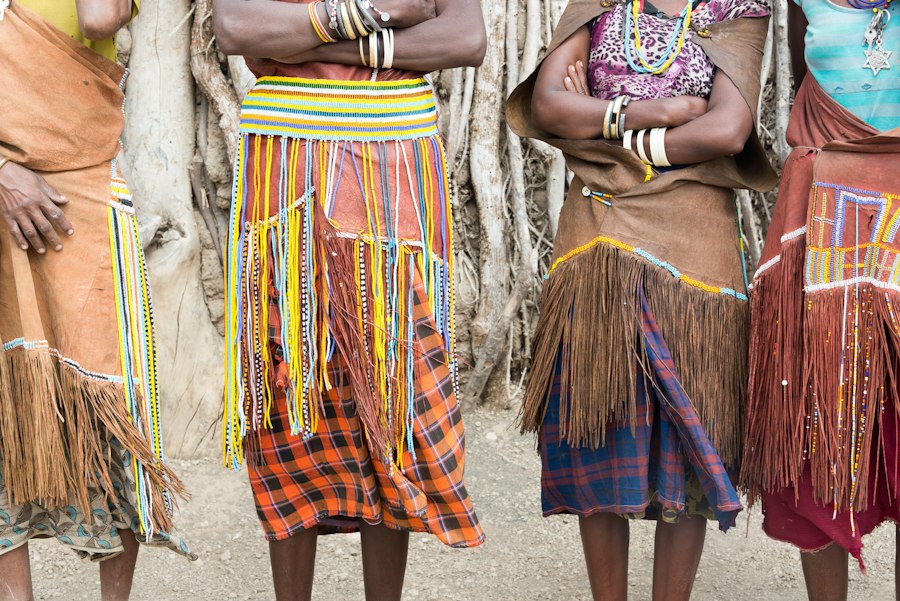
As the experiment progressed, the predictable patterns of human tribalism began to manifest. Despite the arbitrary nature of their affiliations, participants quickly developed a strong sense of camaraderie within their respective groups. This sense of belonging, fueled by shared experiences and the curated information, translated into a discernible bias towards their own in-group and a growing suspicion or devaluation of the out-group.
The Tajfel Paradigm Revisited: More Than Just Resource Competition
The experiment drew inspiration from classic studies like Henri Tajfel’s minimal group paradigm, which demonstrated that even arbitrary group assignments could lead to in-group favoritism in resource allocation. However, The Echo Chamber went further, exploring the psychological mechanisms beyond mere resource competition. It aimed to understand how identity, perception, and social influence contributed to the formation of these biases. The researchers observed that participants weren’t just giving their group members more points or resources; they were actively developing positive emotional attachments and a sense of shared destiny.
The Psychology of Similarity: Finding Comfort in the Familiar
The tendency to favor those who are similar to oneself is a powerful psychological force. In the Echo Chamber, participants found comfort and validation in the shared beliefs and opinions that emerged within their groups. This similarity acted as a powerful lubricant, facilitating social interaction and fostering a sense of trust and understanding. The out-group, by definition, represented difference, and in the absence of genuine interaction and open information, this difference could easily be interpreted as a source of potential threat or inferiority.
Cognitive Dissonance Reduction: Justifying Group Loyalty
When confronted with information that contradicted their positive perception of their own group or their negative perception of the out-group, participants often engaged in cognitive dissonance reduction. This involved reinterpreting the information, dismissing its credibility, or selectively focusing on aspects that supported their existing biases. This internal process of justification helped maintain a consistent and positive view of their chosen tribe, even when faced with evidence to the contrary.
The Reinforcement of Out-Group Derogation: Devaluing the “Other”
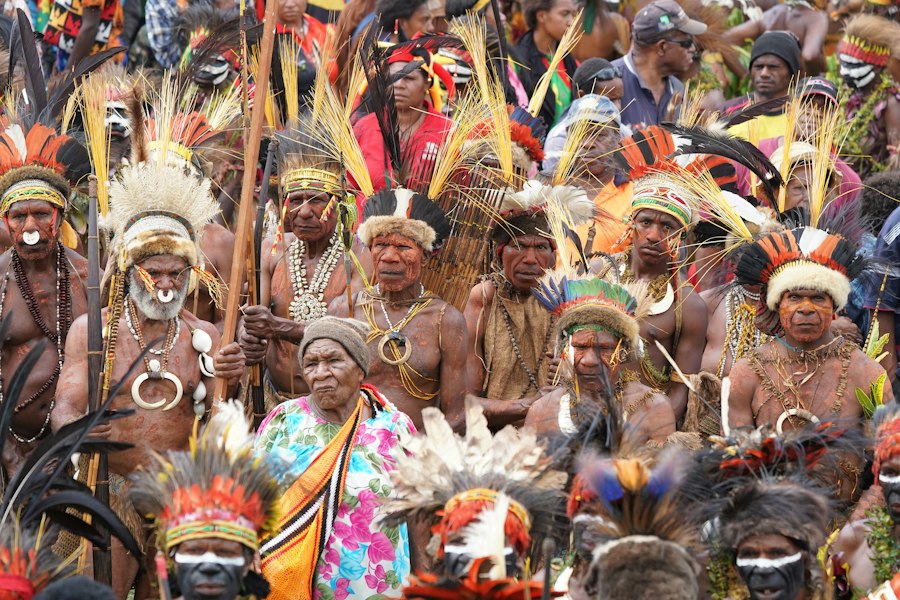
The flip side of in-group favoritism is out-group derogation – the tendency to view members of the out-group as less capable, less trustworthy, or even inherently problematic. This was a crucial and often unsettling observation in The Echo Chamber. The carefully crafted information streams and the subtle social pressures worked in tandem to cultivate a negative perception of the opposing group.
The Illusory Correlation: Seeing Patterns Where None Exist
Participants began to exhibit illusory correlations, perceiving a stronger association between negative behaviors and members of the out-group than was objectively present. For example, if a single member of the out-group made a minor error, it was quickly generalized to all members of that group, reinforcing a negative stereotype. This cognitive shortcut allowed for the quick categorization and judgment of individuals, a behavior that, while efficient, could be deeply unfair and damaging.
Stereotyping and Prejudice: The Building Blocks of Discrimination
The seeds of stereotyping were clearly evident. Participants began to attribute generalized characteristics to all members of the out-group, often based on limited or even fabricated evidence. These stereotypes, once formed, could easily morph into prejudice – pre-judgments and negative attitudes that predisposed individuals to treat out-group members unfairly, even in the absence of direct provocation. The experiment highlighted how easily these negative perceptions could be instilled and perpetuated.
The Role of Emotion: Fear and Disdain as Tribal Glue
Emotional responses played a significant role in reinforcing out-group derogation. The curated information often tapped into underlying fears and anxieties, portraying the out-group as a potential threat to the in-group’s well-being or values. This emotional contagion, combined with the satisfaction derived from in-group solidarity, created a potent cocktail that solidified the us-versus-them mentality. Disdain for the out-group became a badge of honor, a tangible sign of loyalty to one’s own tribe.
Recent studies in human tribalism have shed light on the psychological mechanisms that drive group behavior and identity formation. One fascinating experiment explored how individuals align their beliefs and actions with those of their social groups, often leading to an “us versus them” mentality. For a deeper understanding of these dynamics, you can read more about related findings in this insightful article on psychology at Unplugged Psychology. This research not only highlights the importance of social identity but also raises questions about the implications for societal cohesion and conflict.
Mitigating the Darker Sides of Tribalism: Fostering Intergroup Understanding
| Experiment Name | Year | Sample Size | Key Finding | Psychological Metric Measured | Conclusion |
|---|---|---|---|---|---|
| Minimal Group Paradigm | 1971 | 48 | Participants favored their own group even when groups were arbitrarily assigned | In-group favoritism | Humans show tribalistic behavior even with minimal group distinctions |
| Robbers Cave Experiment | 1954 | 22 boys | Intergroup conflict arises from competition over resources | Intergroup hostility and cooperation | Group identity strongly influences behavior and conflict |
| Social Identity Theory Study | 1979 | 60 | Group membership enhances self-esteem and biases perception | Self-esteem and group bias | Group identity is central to self-concept and tribalism |
| Implicit Association Test (IAT) on Group Bias | 1998 | 100+ | Unconscious biases favor in-group over out-group | Implicit bias measurement | Tribalism operates at unconscious cognitive levels |
While The Echo Chamber vividly demonstrated the powerful and sometimes destructive nature of human tribalism, Dr. Vance and her team were not solely focused on exposing the problem. A crucial component of their research was to explore potential remedies, to identify strategies that could mitigate the negative consequences of group division and foster greater understanding and cooperation between different groups.
Intergroup Contact Hypothesis: The Power of Positive Interaction
Drawing on the work of Gordon Allport, the experiment incorporated elements designed to test the intergroup contact hypothesis. Carefully facilitated opportunities for positive, egalitarian interaction between members of opposing groups were introduced. These interactions were structured to encourage cooperation towards common goals, thereby breaking down stereotypes and fostering empathy. The researchers observed that when these conditions were met, participants were more likely to revise their negative perceptions of the out-group and develop a more nuanced understanding.
Superordinate Goals: Uniting Against a Common Adversity
Another intervention involved the introduction of “superordinate goals” – challenges that were too large for either group to overcome individually and required them to cooperate. These common enemies, whether a simulated logistical problem or a fictitious external threat, provided a powerful incentive for the groups to set aside their differences and work together. The shared struggle and the subsequent success fostered a sense of shared accomplishment, blurring the lines between the former in-groups and out-groups.
Promoting Critical Thinking and Media Literacy: Deconstructing the Echo Chamber
A fundamental takeaway from The Echo Chamber was the critical importance of critical thinking and media literacy. The experiment demonstrated how easily individuals could be swayed by biased information when their tribal loyalties were engaged. Therefore, fostering the ability to question sources, to identify bias, and to seek out diverse perspectives was identified as a crucial defense against the manipulative power of echo chambers. Educational initiatives aimed at developing these skills were seen as vital for building a more informed and resilient society.
The Echo Chamber experiment, though confined within the controlled walls of a laboratory, offered a profound glimpse into the fundamental forces that shape human society. It revealed that tribalism, with its inherent drive for belonging and its propensity for division, is not an abstract concept but a deeply ingrained psychological reality. The study underscored that understanding these mechanisms is not merely an academic pursuit but a crucial step towards building a more inclusive, empathetic, and cooperative world. By recognizing the power of our tribal instincts and actively working to counter their darker manifestations, humanity can strive to create a future where bridges are built, not walls, and where difference is celebrated, not feared.

How 22 Boys Were Turned Into Enemies
FAQs
What is human tribalism?
Human tribalism refers to the innate tendency of humans to form social groups based on shared characteristics such as beliefs, values, or interests.
What is a psychology experiment related to human tribalism?
One example of a psychology experiment related to human tribalism is the “Minimal Group Paradigm” experiment, where participants are divided into groups based on arbitrary criteria and show favoritism towards their own group.
How does human tribalism impact society?
Human tribalism can lead to ingroup favoritism, outgroup discrimination, and conflict between different groups. It can also influence decision-making, social interactions, and perceptions of others.
Can human tribalism be overcome?
While human tribalism is a natural tendency, it can be mitigated through increased awareness, empathy, and exposure to diverse perspectives. Education, intergroup contact, and promoting inclusivity can help reduce the negative effects of tribalism.
What are some real-world examples of human tribalism?
Real-world examples of human tribalism include political polarization, religious conflicts, sports rivalries, and social cliques. These instances demonstrate how individuals can form strong group identities and exhibit biased behaviors towards those outside their group.