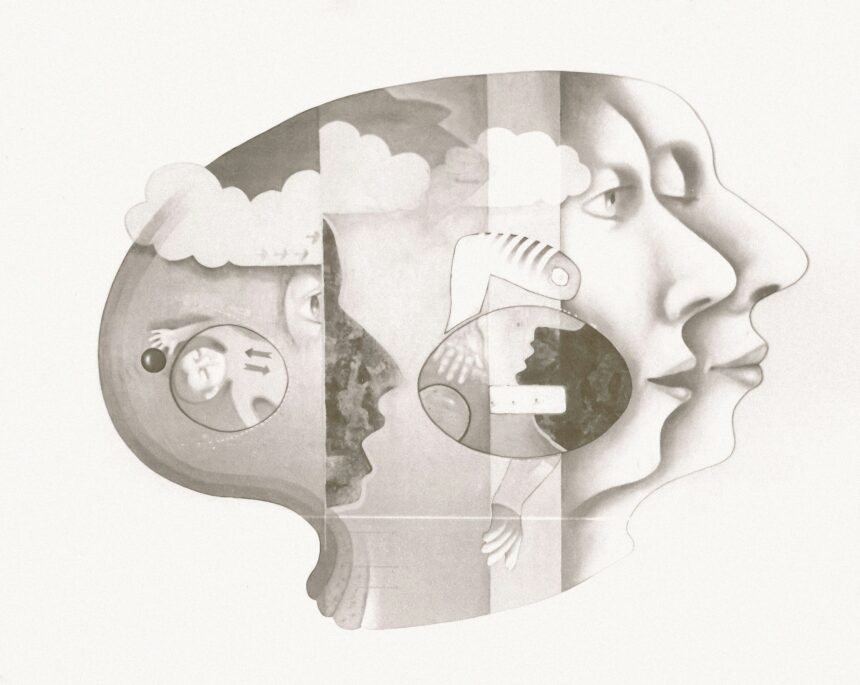
The Psychology of Realistic Conflict Theory delves into the intricate dynamics that govern intergroup relations, particularly when groups compete for scarce resources. This influential psychological framework, developed by Muzafer Sherif and his colleagues, provides a compelling explanation for the origins and persistence of prejudice, discrimination, and hostility between groups. At its core, Realistic Conflict Theory posits that conflict arises not from inherent animosity or psychological predispositions, but from tangible competition for resources such as land, jobs, political power, or social status. When groups perceive their goals as mutually exclusive, and the attainment of one group’s goals necessarily implies the deprivation of another’s, the seeds of conflict are sown. This theory offers a powerful lens through which to understand historical and contemporary conflicts, from the struggles over land and resources in various nations to the tensions that can arise in diverse workplaces or educational institutions.
The foundational insights of Realistic Conflict Theory were forged in a series of now-classic studies conducted by Muzafer Sherif and his associates. These researchers sought to empirically investigate the conditions under which intergroup hostility emerges and, crucially, how it might be mitigated. The most renowned of these investigations is the Robbers Cave Experiment, conducted in the 1950s.
The Robbers Cave Experiment: A Microcosm of Conflict
The Robbers Cave Experiment involved two groups of 11-year-old boys at a summer camp in Oklahoma. The boys were carefully selected to be similar in background and temperament, and they were unaware of the experimental nature of their stay. The experiment unfolded in three distinct phases.
Phase 1: Group Formation and Identity
In the initial phase, the boys were divided into two deliberately separated groups, dubbed the “Eagles” and the “Rattlers.” The groups engaged in various activities designed to foster strong in-group cohesion and a sense of shared identity. They developed their own names, symbols, and internal norms. This period was crucial for establishing a robust “us” versus “them” mentality, a prerequisite for the subsequent development of conflict. The boys became intensely loyal to their own groups, viewing members of the opposing group with indifference or mild curiosity.
Phase 2: Intergroup Competition and Conflict Emergence
The second phase introduced competition between the two groups. The researchers orchestrated a series of games and contests with valuable prizes at stake for the winning group. This competitive environment quickly transformed the initial indifference into outright hostility. The boys engaged in name-calling, physical altercations, and the destruction of each other’s property. The shared goals of their own group now became directly opposed to the goals of the other group, and the pursuit of victory led to an escalation of negative intergroup attitudes and behaviors. This phase provided stark evidence for the theory’s central tenet: competition for scarce rewards directly fuels intergroup conflict.
Phase 3: Conflict Resolution Through Superordinate Goals
The third and most critical phase focused on conflict resolution. Sherif and his team introduced challenges that neither group could overcome on their own. These “superordinate goals” required the cooperation and collaboration of both the Eagles and the Rattlers. Examples included fixing a water supply that had been disrupted, pooling resources to rent a movie, or collectively pulling a broken-down camp truck. Faced with these shared, urgent problems, the boys were compelled to work together. Gradually, the animosity began to dissipate, replaced by a sense of shared purpose and mutual dependence. The experiment demonstrated that the reduction of conflict is possible when groups are united by common objectives that transcend their individual group identities.
Implications of the Robbers Cave Experiment
The Robbers Cave Experiment, despite its ethical considerations and methodological criticisms, offered profound insights into intergroup dynamics. It suggested that prejudice and hostility are not inherent human traits but are often learned and situational, arising from the specific social and economic conditions of intergroup interaction. The experiment’s findings provided strong empirical support for the idea that competition for resources is a primary driver of conflict.
Realistic conflict theory in psychology explores how competition for limited resources can lead to intergroup conflict and prejudice. A related article that delves deeper into this concept is available on Unplugged Psychology, which discusses various case studies and applications of realistic conflict theory in contemporary society. For more insights, you can read the article here: Unplugged Psychology.
The Core Tenets of Realistic Conflict Theory
Realistic Conflict Theory is built upon a set of interconnected propositions that explain the psychological mechanisms underlying intergroup conflict. These tenets highlight the role of perceived threat, the importance of group identity, and the impact of resource scarcity.
Perceived Threat and Deprivation
A central concept within Realistic Conflict Theory is the notion of perceived threat. When groups perceive that their access to essential resources is being threatened by another group, a sense of alarm and defensiveness arises. This threat can be perceived not only in terms of tangible resources but also in terms of social status, cultural integrity, or even physical safety.
Tangible Resource Competition
The most straightforward application of the theory involves the competition for concrete, material resources. When two groups vie for the same limited pool of jobs, housing, agricultural land, or mineral wealth, the potential for conflict is significantly amplified. Each group sees the other as an obstacle to its own material well-being.
Intangible Resource Competition
Beyond material possessions, groups may also compete for intangible resources. This can include political power, social influence, recognition, or the preservation of cultural identity. For instance, a minority group striving for greater political representation might be perceived as a threat by a majority group that fears losing its dominance. Similarly, the spread of a dominant culture can be perceived as a threat by groups seeking to maintain their distinct traditions.
Mutual Exclusivity of Goals
A critical condition for the emergence of conflict, according to the theory, is the perception that the goals of the groups are mutually exclusive. This means that if one group achieves its goals, the other group will inevitably suffer a loss or be unable to achieve its own objectives. This zero-sum mentality is a powerful catalyst for animosity.
Zero-Sum Perceptions
When groups operate under a zero-sum framework, any gain for one group is viewed as a loss for the other. This perception fuels a competitive spirit and can lead to strategies aimed at undermining the rival group rather than seeking mutually beneficial solutions. This is particularly evident in situations where economic conditions are perceived to be stagnant, leading groups to fight harder for a larger share of a shrinking pie.
Interdependence and Win-Win Scenarios
Conversely, when groups perceive their goals as interdependent or capable of leading to win-win outcomes, conflict is less likely to emerge. If groups can see how cooperation might lead to shared benefits, the impetus for competition diminishes. This highlights the importance of fostering environments where shared successes are possible.
The Role of Group Identity and In-Group Favoritism
Realistic Conflict Theory acknowledges the powerful influence of group identity in shaping intergroup perceptions and behaviors. While the theory emphasizes external factors like resource competition, it also recognizes that these external pressures are processed through the lens of group affiliation.
In-Group Bias and Out-Group Derogation
The formation of strong in-groups, as seen in the Robbers Cave Experiment, often leads to in-group favoritism and out-group derogation. Members of a group are more likely to perceive their own group members positively and the members of the out-group negatively. This bias can be exacerbated by the competitive context, where viewing the out-group as inferior or threatening can serve to justify aggressive actions and reinforce in-group solidarity.
Social Identity Theory as a Complement
While Realistic Conflict Theory focuses on material competition, it can be effectively complemented by Social Identity Theory, which posits that individuals derive part of their self-esteem from the groups to which they belong. When a group’s status or resources are threatened, this can impact the self-esteem of its members, leading to increased in-group loyalty and hostility towards the perceived source of the threat.
Manifestations of Realistic Conflict in Society

The principles of Realistic Conflict Theory can be observed in a wide array of societal phenomena, from international relations to local community disputes. The theory provides a framework for understanding why certain groups clash and what factors contribute to the escalation and persistence of such conflicts.
International Relations and Geopolitical Conflicts
The study of international relations provides fertile ground for applying Realistic Conflict Theory. Nations often find themselves in competition for strategic resources, trade routes, or geopolitical influence.
Resource Wars and Territorial Disputes
Historical and contemporary conflicts are frequently rooted in disputes over valuable resources like oil, water, or fertile land. Nations may engage in proxy wars or direct military action to secure or maintain access to these vital assets. Territorial disputes, often intertwined with resource control, are another classic manifestation of intergroup conflict driven by realistic concerns.
Economic Competition and Trade Wars
The globalized economy can also be a source of intergroup conflict. Nations compete for market share, investment, and economic dominance. Trade disputes, tariffs, and protectionist policies can be seen as manifestations of this economic competition, where countries perceive each other as hindering their own economic prosperity.
Intra-Societal Conflicts and Discrimination
Realistic Conflict Theory is not limited to the international arena; it also offers valuable insights into conflicts within societies, including ethnic tensions, class struggles, and discrimination.
Inter-Ethnic and Inter-Racial Tensions
When different ethnic or racial groups compete for limited housing, jobs, or political power, tensions can escalate. Perceptions of unfair distribution of resources or opportunities can fuel resentment and prejudice, leading to discrimination and social unrest. For example, periods of economic downturn often see a rise in scapegoating and hostility towards minority groups, who are perceived as taking jobs or resources from the dominant group.
Labor Disputes and Class Conflict
The historical struggle between labor and capital can be understood through the lens of Realistic Conflict Theory. Workers, seeking better wages and working conditions, and employers, aiming to maximize profits, are often in direct competition for economic resources. This perceived conflict of interest can lead to strikes, lockouts, and ongoing tensions between different socioeconomic classes.
Competition in Educational and Employment Settings
Even in seemingly benign environments like schools and workplaces, realistic conflict can emerge. Competition for limited university places, scholarships, promotions, or desirable projects can create friction between individuals and groups. When these competitions are perceived as zero-sum, they can lead to feelings of unfairness, resentment, and even the formation of cliques or rivalries.
Mechanisms of Conflict Escalation and De-escalation

Realistic Conflict Theory not only explains the origins of conflict but also sheds light on how these conflicts can escalate and, importantly, how they can be de-escalated. The dynamics of escalation often involve a feedback loop of negative perceptions and actions, while de-escalation typically requires a shift in the perceived nature of the intergroup relationship.
Escalation Pathways
When groups perceive a threat to their resources, a range of psychological and behavioral responses can contribute to the escalation of conflict.
Increased In-Group Solidarity and Out-Group Hostility
As intergroup competition intensifies, groups tend to become more cohesive internally. This heightened in-group solidarity can be accompanied by increased suspicion, stereotyping, and outright hostility towards the out-group. The out-group is often dehumanized or portrayed as a monolithic enemy, making it easier to justify aggressive actions.
Propaganda and Dehumanization
During periods of heightened conflict, propaganda often plays a significant role in demonizing the out-group. By portraying the opposing group as inherently evil, dangerous, or less than human, it becomes easier to rally in-group members to a common cause and to legitimize aggressive tactics. This process of dehumanization is a crucial step in normalizing violence and reducing empathy for the suffering of the other group.
Arms Races and Escalatory Spirals
In geopolitical contexts, competition for resources can lead to an “arms race,” where each side increases its military capabilities in response to the perceived threat from the other. This escalatory spiral creates a climate of fear and mistrust, making peaceful resolution increasingly difficult. Each defensive measure is interpreted as an offensive threat by the other side.
De-escalation Strategies: The Power of Superordinate Goals
The Robbers Cave Experiment powerfully demonstrated that conflict can be de-escalated by shifting the intergroup dynamic from competition to cooperation. The introduction of superordinate goals is a key strategy in this regard.
The Role of Superordinate Goals
Superordinate goals are common objectives that require the collaboration of multiple groups to achieve. When groups work together towards a shared, mutually beneficial goal, their focus shifts from intergroup antagonism to problem-solving. This shared endeavor can foster positive interactions, break down stereotypes, and build a sense of common purpose.
Graded Approach to Cooperation
The introduction of superordinate goals is often most effective when implemented gradually. Starting with less demanding cooperative tasks and progressing to more complex ones can help build trust and rapport between groups. This “graded approach” allows groups to experience success in collaboration, reinforcing the benefits of working together.
Intergroup Contact and Communication
While not a direct tenet of Realistic Conflict Theory, improved intergroup contact and communication, especially under conditions of equal status and shared goals, can be instrumental in de-escalating conflict. Open dialogue, understanding each other’s perspectives, and building personal relationships can help to humanize the out-group and reduce the perceived threat.
Realistic conflict theory in psychology explores how competition for limited resources can lead to intergroup conflict and prejudice. A related article that delves deeper into this topic can be found at Unplugged Psych, where various aspects of group dynamics and conflict resolution are discussed. Understanding these principles can provide valuable insights into social behavior and the roots of hostility between groups.
Criticisms and Limitations of Realistic Conflict Theory
| Metric | Description | Example/Value |
|---|---|---|
| Intergroup Competition | Degree to which groups compete for limited resources | High competition increases conflict |
| Resource Scarcity | Availability of resources that groups desire | Low availability leads to increased tension |
| Group Identification | Strength of individuals’ identification with their group | Strong identification intensifies in-group favoritism |
| Prejudice Level | Degree of negative attitudes toward out-groups | Measured by social distance scales or implicit bias tests |
| Conflict Resolution Success Rate | Percentage of conflicts resolved through cooperation | Varies; cooperative tasks can increase success |
| Cooperation Tasks | Tasks designed to reduce conflict by promoting shared goals | Example: Robbers Cave experiment’s superordinate goals |
Despite its significant contributions, Realistic Conflict Theory is not without its criticisms and limitations. Like any theoretical framework, it has areas where its explanatory power may be insufficient or where alternative perspectives offer valuable insights.
Overemphasis on Material Resources
One of the primary criticisms is that the theory may place too much emphasis on tangible, material resources as the sole or primary driver of conflict. Critics argue that ideological differences, historical grievances, cultural clashes, and psychological factors like prejudice and fear can also be independent drivers of conflict, even in the absence of direct resource competition.
Ideological and Religious Conflicts
Many conflicts are fueled by deeply held ideological or religious beliefs that may not be directly tied to the scarcity of material resources. For example, wars fought over differing political systems or religious doctrines are not solely explained by competition for land or jobs.
Psychological and Emotional Factors
While Realistic Conflict Theory acknowledges the role of perception, it can sometimes downplay the independent power of psychological factors like ingrained prejudice, learned hatred, or the desire for revenge. These emotional drivers can perpetuate conflict even when the original resource scarcity has diminished or been resolved.
The Role of Power and Inequality
The theory can also be critiqued for not fully addressing the role of power imbalances and systemic inequalities in perpetuating conflict. Conflicts may arise not just from competition for resources but also from the historical exploitation and oppression of one group by another, where power dynamics are central to the dispute.
Structural Violence
Some scholars argue that conflict can be a manifestation of “structural violence” – harm caused by social structures and institutions that prevent individuals from reaching their full potential. This form of violence, often rooted in deep-seated inequalities, can lead to conflict even if direct competition for resources is not the most immediate cause.
The Complexity of Human Motivation
Human motivation is multifaceted, and attributing conflict solely to realistic competition may oversimplify the complex interplay of factors that drive human behavior. Individual agency, personal experiences, and a variety of psychological needs can all contribute to intergroup dynamics.
Contemporary Relevance and Applications
Despite its limitations, Realistic Conflict Theory remains a highly relevant and valuable framework for understanding a wide range of contemporary social issues. Its core principles continue to offer practical insights for addressing conflict and promoting intergroup harmony.
Policy Implications and Conflict Resolution
The insights from Realistic Conflict Theory have direct implications for policymakers and those involved in conflict resolution. Understanding the roots of conflict in resource competition can inform strategies aimed at resource management, equitable distribution, and fostering cooperation.
Resource Management and Equitable Distribution
Policies that promote fair access to resources, sustainable development, and equitable distribution can help to mitigate the conditions that give rise to realistic conflict. This includes addressing issues of land reform, job creation, and access to essential services.
International Development and Aid
In international development, understanding the potential for resource-based conflict is crucial. Aid programs and development initiatives can be designed to foster collaboration and shared prosperity, rather than inadvertently exacerbating existing tensions.
Promoting Intergroup Harmony and Social Cohesion
The theory’s emphasis on superordinate goals and cooperation offers a clear pathway for promoting intergroup harmony within diverse societies.
Educational Interventions
Educational programs can be designed to teach cooperation, empathy, and critical thinking skills, helping individuals to recognize and challenge prejudiced attitudes. Creating opportunities for students from different backgrounds to work together on shared projects can foster positive intergroup relations.
Community Building Initiatives
Community-based initiatives that bring diverse groups together to address common challenges, such as improving local parks, organizing community events, or tackling local environmental issues, can build bridges and strengthen social cohesion. These shared endeavors can create a sense of collective identity and purpose that transcends group differences.
In conclusion, the Psychology of Realistic Conflict Theory provides a robust and enduring explanation for why groups clash. By focusing on the tangible competition for scarce resources as a primary driver, it offers a scientifically grounded perspective on the origins of prejudice, discrimination, and hostility. While acknowledging its limitations and the influence of other factors, the theory’s core tenets continue to offer invaluable insights for understanding and addressing conflicts in our increasingly interconnected and resource-constrained world. The enduring legacy of Sherif’s work lies in its powerful demonstration that conflict is often a product of circumstances, and that by altering those circumstances, through the fostering of cooperation and the pursuit of shared goals, it is possible to build more harmonious and peaceful intergroup relations.

How 22 Boys Were Turned Into Enemies
FAQs
What is realistic conflict theory in psychology?
Realistic conflict theory is a social psychological theory that explains intergroup conflict as a result of competition over limited resources, such as power, money, or territory.
What are the key components of realistic conflict theory?
The key components of realistic conflict theory include intergroup competition, perceived threat, negative stereotypes, and ingroup bias. These factors contribute to increased hostility and conflict between groups.
How does realistic conflict theory explain prejudice and discrimination?
Realistic conflict theory suggests that prejudice and discrimination arise when groups perceive each other as competitors for scarce resources. This perception leads to negative attitudes, stereotypes, and discriminatory behaviors towards the outgroup.
What are some real-world examples of realistic conflict theory in action?
Examples of realistic conflict theory in action include intergroup conflicts over land, political power, economic opportunities, and social status. These conflicts often result in prejudice, discrimination, and violence between groups.
How can realistic conflict theory be applied to reduce intergroup conflict?
To reduce intergroup conflict based on realistic conflict theory, interventions can focus on promoting cooperation, increasing contact between groups, challenging stereotypes, and fostering a sense of common identity. By addressing the underlying factors that contribute to conflict, it is possible to promote peace and harmony between groups.