
The Robbers Cave Experiment stands as a monumental and ethically complex undertaking in the annals of social psychology, offering profound insights into the dynamics of intergroup conflict. Conducted in the early 1950s by Muzafer Sherif and his colleagues, this field experiment sought to unravel the underlying causes of hostility and prejudice that so often erupt between groups, and to explore potential methods for mitigating such conflict. The experiment, named for the location of its setting – the Robbers Cave State Park in Oklahoma – meticulously charted the rise and fall of animosity between two distinct groups of boys over several weeks, providing a stark and often uncomfortable demonstration of how easily division can be fostered and, crucially, how it might be overcome.
The Robbers Cave Experiment was not a laboratory simulation; it was a carefully orchestrated real-world scenario designed to mimic the natural formation and interaction of groups. The participants were 22 eleven-year-old boys, all from similar middle-class backgrounds and with no prior knowledge of each other. They were brought to the Robbers Cave State Park under the guise of a summer camping experience, with the researchers posing as counselors. The boys were intentionally divided into two distinct groups, unaware of the existence of the other group for the initial phase of the experiment. This deliberate segregation was the first crucial step in setting the stage for intergroup dynamics.
The Unfolding of Group Identity: Fostering Cohesion Within
The initial phase of the experiment focused on the development of internal group cohesion. The two groups, christened the “Rattlers” and the “Eagles” by the boys themselves, were kept entirely separate. Within their respective cabins, the boys were encouraged to engage in activities that fostered a sense of shared purpose and identity. They collaboratively named their groups, created flags and mottos, and participated in communal tasks such as building shelters and preparing meals. This period was characterized by a burgeoning sense of camaraderie and mutual reliance. Within each group, leadership roles began to emerge organically, social norms were established, and a strong sense of “us” began to form. The researchers observed the boys developing a shared history, inside jokes, and a collective pride in their group. This phase was vital because it established a robust in-group identity, a prerequisite for the later development of intergroup prejudice. The boys genuinely bonded, forming friendships and a sense of belonging that would later be amplified when confronted by an “out-group.”
The Introduction of Competition: The Spark of Animosity
The second phase marked the critical turning point of the experiment: the introduction of competition between the Rattlers and the Eagles. The researchers deliberately orchestrated situations where the two groups would directly compete for scarce resources and desirable outcomes. These competitions were framed as tournaments, with prizes such as medals, pocketknives, and a baseball trophy at stake. The initial interactions were characterized by a spirit of friendly rivalry. However, as the stakes of the competitions increased, so too did the intensity of the rivalry. The boys began to develop negative stereotypes about the opposing group, viewing them as enemies rather than peers. Taunts and insults became commonplace, and the initial friendly rivalry quickly escalated into outright hostility. This phase provided compelling evidence for Sherif’s realistic conflict theory, which posits that intergroup conflict arises from competition for limited resources or perceived threats to the in-group’s status or well-being. The boys’ behavior demonstrated how readily competition can transform a benign situation into one of antagonism.
The Robbers Cave tournament experiment, conducted by Muzafer Sherif in the 1950s, is a seminal study in social psychology that explored intergroup conflict and cooperation. For those interested in delving deeper into the implications of this experiment and its relevance to modern social dynamics, a related article can be found at Unplugged Psychology, which discusses various psychological theories and experiments that shape our understanding of group behavior and conflict resolution.
The Escalation of Conflict: From Name-Calling to Physical Confrontations
The competitive phase of the Robbers Cave Experiment was characterized by a rapid and alarming escalation of hostility. What began as taunts and insults soon devolved into more serious forms of aggression. The boys engaged in name-calling, property damage, and even physical altercations. The researchers, while observing, allowed the conflict to unfold naturally to a certain extent, meticulously documenting the increasing animosity. The sense of group identity, so carefully fostered in the initial phase, was now being weaponized against the out-group. The “us versus them” mentality became deeply entrenched, justifying aggressive behavior and fostering a distorted perception of the opposing group.
The Emergence of Prejudice and Discrimination: Dehumanizing the “Other”
As the conflict intensified, so did the emergence of prejudice and discriminatory behavior. The Rattlers and the Eagles began to view members of the other group not just as rivals, but as inherently inferior or even malevolent. This dehumanization of the “other” made it easier for the boys to justify their aggressive actions. They attributed negative characteristics to the entire out-group, overlooking any positive attributes or individual differences. Discrimination manifested in various ways, from refusing to share resources to actively sabotaging the other group’s efforts. The experiment vividly illustrated how group affiliation can override individual judgments and lead to the formation of rigid and often unfounded stereotypes. The boys’ language became infused with derogatory terms, and they actively sought to belittle and demean the opposing group. This highlights the powerful role of social categorization in shaping attitudes and behaviors.
The Intensification of In-Group Loyalty: “Us Against the World”
Paradoxically, the external conflict also served to further strengthen the bonds within each group. The shared animosity towards the “other” fostered an even greater sense of in-group loyalty and solidarity. The boys became fiercely protective of their own group members, and any perceived threat from the out-group was met with a unified response. This “us against the world” mentality reinforced their shared identity and made them even more resistant to any attempts at reconciliation. The experiment demonstrated that while conflict can be divisive, it can also, under certain circumstances, act as a unifying force for the groups involved, albeit a negative one. This reinforces the idea that shared threats can forge strong group bonds. The boys found solace and support within their own ranks, further solidifying their group identity in the face of perceived external aggression.
The Path to Reconciliation: Introducing Superordinate Goals
After weeks of escalating hostility, the Robbers Cave Experiment entered its third and final phase: the attempt at reconciliation. Sherif and his colleagues recognized that simply bringing the groups together would likely exacerbate the existing animosity. Instead, they designed a series of carefully structured situations that required the cooperation of both groups to achieve a common, desirable outcome. These were known as “superordinate goals” – goals that were too large or complex for either group to achieve independently. The introduction of these shared objectives was the critical pivot in moving from conflict to cooperation.
The “Water Shortage” Scenario: A Shared Problem Demanding Collective Action
One of the most effective superordinate goals introduced was a fabricated “water shortage” at the camp. The boys were informed that the water supply had been disrupted, and that to restore it, both groups would need to work together to fix a clogged pipe. This task required significant effort and coordination, and neither group could accomplish it alone. The necessity of collaboration to address a pressing common problem forced the boys to interact in a non-competitive context. They had to communicate, share tools, and rely on each other’s strengths. The success in overcoming this shared challenge began to erode the negative stereotypes and foster a sense of mutual reliance. This scenario demonstrated the power of shared adversity in fostering cooperation.
The “Movie Fund” Initiative: Pooling Resources for a Common Reward
Another successful superordinate goal involved raising money to rent a movie for the entire camp. The boys were told that if both groups contributed to a communal fund, they could collectively afford to watch a popular film. This again required pooling resources and working towards a shared reward that benefited everyone. The act of contributing to a common fund, and the subsequent enjoyment of the movie together, helped to break down the barriers of prejudice and foster a more positive intergroup atmosphere. The shared experience of enjoying the movie, earned through their collective effort, created a positive shared memory and a sense of shared accomplishment. This subtly shifted the perception of the other group from adversary to fellow campers.
The “Stuck Truck” Dilemma: Collaborative Problem-Solving
The researchers also presented a scenario where a supply truck, carrying food for both groups, became stuck in the mud. The boys were told that to free the truck, they would need to combine their efforts, pushing and pulling together. This physically demanding task required a level of teamwork and coordination that transcended the previous animosities. The shared struggle and the eventual success in freeing the truck created a powerful sense of camaraderie and shared accomplishment. The immediate and tangible benefit of the freed truck, which would provide sustenance for both groups, underscored the value of their cooperation. This demonstrated that overcoming obstacles together could forge stronger bonds than competition ever could.
The Legacy of Robbers Cave: Enduring Lessons on Group Dynamics
The Robbers Cave Experiment, despite its controversial methods, provided invaluable insights into the complex nature of intergroup conflict. The experiment’s findings have had a lasting impact on our understanding of prejudice, discrimination, and the potential for conflict resolution. The staged nature of the experiment, while ethically debatable by today’s standards, allowed for a controlled observation of a phenomenon that is often difficult to study in its natural setting. Sherif’s work continues to inform theories of social identity, intergroup relations, and conflict management.
Realistic Conflict Theory: Competition as a Root Cause
The experiment provided strong empirical support for Muzafer Sherif’s realistic conflict theory. This theory posits that intergroup conflict arises when groups perceive themselves as competing for scarce resources, whether material, social, or psychological. The Rattlers and the Eagles’ animosity directly stemmed from their competition for prizes and status. The experiment demonstrated that conflict is not necessarily an inherent human trait but can be a consequence of situational factors, particularly those that create competition and zero-sum outcomes. The zero-sum nature of the tournaments, where one group’s victory meant another’s defeat, directly fueled the animosity.
Social Identity Theory: The Power of In-Group Favoritism
While Sherif’s work predates the formal articulation of Social Identity Theory by Henri Tajfel and John Turner, the Robbers Cave Experiment clearly illustrates its core principles. The experiment showed how readily individuals derive a sense of self-esteem and identity from their group membership. The positive reinforcement derived from in-group success and the negative feelings associated with out-group success fueled the cycle of prejudice. The boys’ strong identification with their respective groups led to in-group favoritism and out-group derogation, even when the competition was artificially induced. The formation of strong in-group bonds and the subsequent devaluation of the out-group are central tenets of Social Identity Theory.
The Importance of Superordinate Goals in Conflict Resolution
Perhaps the most enduring legacy of the Robbers Cave Experiment is its demonstration of the effectiveness of superordinate goals in mitigating intergroup conflict. Sherif’s research offered a powerful antidote to conflict: shared goals that require cooperation. By creating situations where the Rattlers and the Eagles had to work together towards common objectives, the researchers were able to reduce prejudice, foster mutual understanding, and even build positive intergroup relationships. This principle of using shared challenges to bridge divides remains a cornerstone of modern conflict resolution strategies. The success of these superordinate goals in shifting attitudes and behaviors underscores the idea that when groups are forced to cooperate for mutual benefit, they are more likely to see each other as individuals with shared aspirations rather than as monolithic enemies.
The Robbers Cave tournament experiment is a fascinating study that highlights the dynamics of group conflict and cooperation. For those interested in exploring similar themes in social psychology, a related article can be found at Unplugged Psychology, which delves into various experiments that illustrate how group identity influences behavior. This connection between group dynamics and individual actions provides valuable insights into understanding human interactions in competitive settings.
Ethical Considerations and Methodological Critiques
| Metric | Value | Description |
|---|---|---|
| Number of Participants | 22 | Boys aged 11-12 years old |
| Number of Groups | 2 | Two separate groups formed independently |
| Duration of Experiment | 3 weeks | Time spent at Robbers Cave State Park |
| Phase 1: Group Formation | 1 week | Groups formed and bonded separately |
| Phase 2: Intergroup Competition | 1 week | Competitive activities between groups |
| Phase 3: Conflict Resolution | 1 week | Cooperative tasks to reduce intergroup hostility |
| Outcome: Intergroup Hostility | High | Observed during competition phase |
| Outcome: Cooperation | Increased | After introduction of superordinate goals |
| Key Finding | Superordinate Goals Reduce Conflict | Shared goals promote intergroup cooperation |
It is crucial to acknowledge the ethical considerations and methodological critiques that surround the Robbers Cave Experiment. While groundbreaking in its time, the experiment’s methodology would likely not pass ethical review by today’s standards. The deception involved in bringing the boys to the camp under false pretenses, the deliberate instigation of conflict, and the potential psychological distress experienced by the participants are all points of concern for modern researchers.
Deception and Lack of Informed Consent
The participants, all children, were not fully informed about the true nature of the experiment. The researchers posed as counselors, and the entire scenario was fabricated. This raises significant questions about informed consent, particularly when dealing with minors. The boys were unaware that their behavior was being studied or that the conflict was being orchestrated. This lack of transparency is a major ethical hurdle when evaluating the experiment today.
Potential for Psychological Harm
The deliberate creation of intense intergroup conflict, including name-calling, property damage, and physical altercations, could have had a lasting psychological impact on the young participants. While the researchers aimed to observe natural reactions, the intensity of the staged conflict may have pushed the boundaries of acceptable experimentation, potentially causing distress and trauma. The researchers were tasked with minimizing harm, but the inherent nature of the experiment created a high-risk environment.
Generalizability of Findings
Critics have also questioned the generalizability of the findings. The experiment involved a specific demographic of boys in a controlled, artificial environment. While the principles observed may hold true in broader contexts, it is important to acknowledge the limitations of generalizing from such a specific sample and setting. The artificiality of the scenario, while allowing for control, might also have influenced the boys’ behavior in ways that wouldn’t occur in a truly natural setting.
Despite these ethical and methodological critiques, the Robbers Cave Experiment remains a pivotal study in social psychology. Its insights into the formation of group identity, the mechanisms of intergroup conflict, and the power of superordinate goals continue to inform our understanding of human behavior and our efforts to promote peace and cooperation in a diverse world. The experiment serves as a stark reminder of how easily divisions can arise and a hopeful testament to the potential for unity when common ground is actively sought and cultivated.
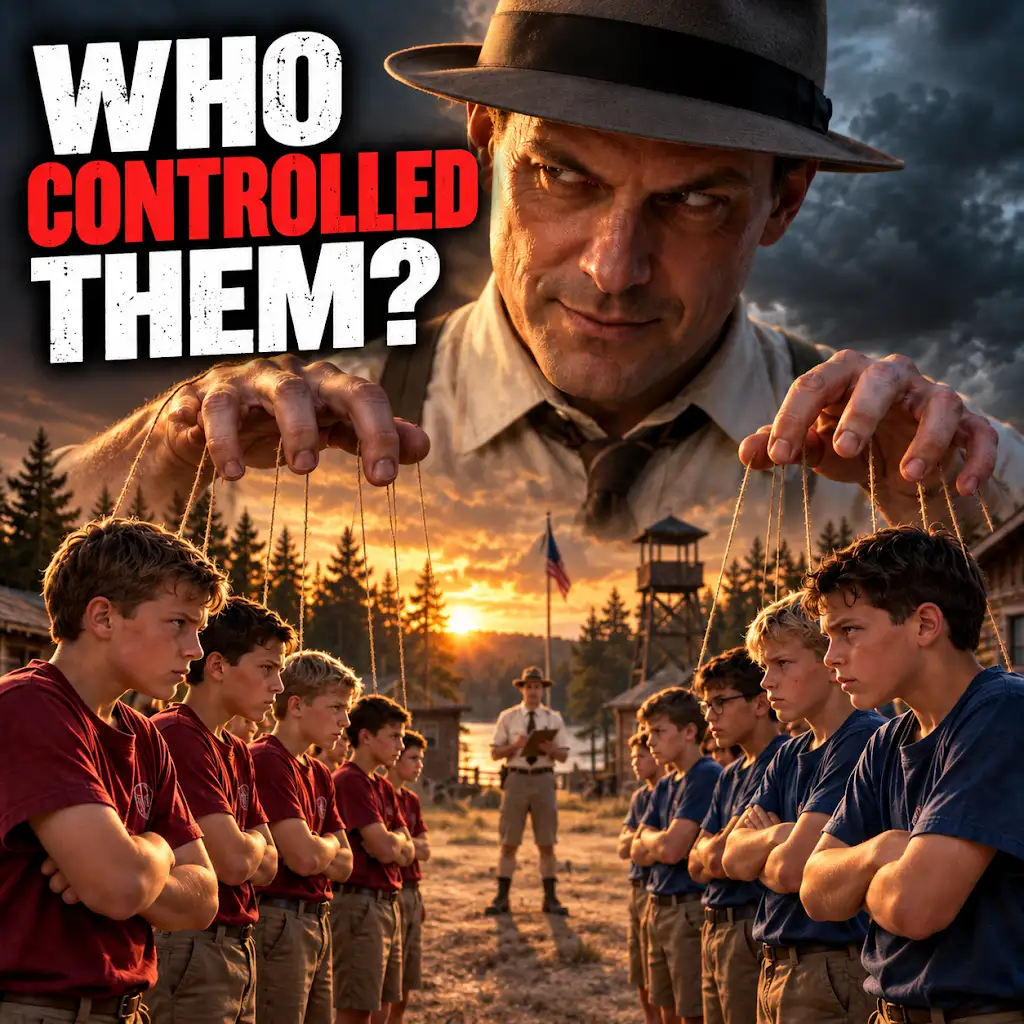
How 22 Boys Were Turned Into Enemies
FAQs
What is the Robbers Cave tournament experiment?
The Robbers Cave experiment was a classic social psychology study conducted in 1954 by Muzafer Sherif and his colleagues. It aimed to investigate intergroup conflict and cooperation by observing how two groups of boys at a summer camp reacted to competition and cooperation tasks.
How was the Robbers Cave experiment conducted?
The experiment involved dividing 22 boys into two groups, the Eagles and the Rattlers, who were unaware of each other’s existence. The boys were then brought together to compete in various activities, leading to hostility and conflict between the groups. Later, the researchers introduced cooperative tasks to reduce tension and promote harmony.
What were the key findings of the Robbers Cave experiment?
The study demonstrated how intergroup conflict can arise from competition over limited resources and how cooperation can help reduce hostility between groups. It also highlighted the importance of superordinate goals, which are shared objectives that require cooperation between conflicting groups.
What are the implications of the Robbers Cave experiment?
The experiment shed light on the dynamics of group behavior, intergroup conflict, and the role of cooperation in resolving conflicts. It has been used to understand real-world conflicts, such as those between different social, ethnic, or national groups, and to develop strategies for promoting peace and reconciliation.
What criticisms have been raised about the Robbers Cave experiment?
Critics have pointed out ethical concerns regarding the psychological manipulation of the participants, the lack of informed consent, and the potential long-term effects of creating intergroup hostility. Some have also questioned the generalizability of the findings to real-world conflicts.