The Robbers Cave experiment, conducted by Muzafer Sherif and his wife Carolyn Sherif in 1954, stands as a landmark in social psychology, offering profound insights into intergroup conflict and cooperation. While often attributed primarily to the Sherifs, the crucial role of Gina Perry, a student researcher who meticulously documented and analyzed the study’s unfolding events, deserves particular recognition. Perry’s detailed observations and subsequent analysis, particularly in her later works, illuminated the nuances of the experiment, revealing the psychological and social dynamics at play with a clarity that cemented its legacy. This article delves into the Robbers Cave study, emphasizing Perry’s contribution and exploring the enduring lessons it offers about human nature and group behavior.
The Robbers Cave State Park in Oklahoma, a seemingly idyllic natural setting, became the unlikely stage for a groundbreaking social experiment. Muzafer and Carolyn Sherif, driven by the desire to understand the roots of prejudice and conflict, designed an experiment that would meticulously replicate the conditions that foster animosity between groups. Their hypothesis was simple yet powerful: that competition for scarce resources would inevitably lead to the development of intergroup hostility.
Pre-Experiment Stratification and Homogeneity
Before the experiment even began, careful consideration was given to the selection of participants. Twenty-two eleven-year-old boys, all from similar white, middle-class backgrounds and with no prior knowledge of each other, were chosen. This deliberate homogeneity in background was crucial for the Sherifs and Perry. It aimed to eliminate pre-existing societal prejudices or deeply ingrained family conflicts as confounding variables. The boys were to be strangers to one another, ensuring that any relationships or conflicts that arose would be a direct consequence of the experimental conditions. This careful pre-selection ensured that the playing field was as level as possible, allowing the researchers to isolate the impact of intergroup dynamics.
The Rationale Behind the Setting
The choice of Robbers Cave State Park was not arbitrary. The isolation of the location was essential to minimize external influences and to immerse the boys in a controlled environment. This physical separation from their familiar surroundings and social networks was intended to heighten their reliance on the group they would be assigned to and to amplify the significance of the intergroup interactions that were about to unfold. The wilderness setting also provided a natural context for the competition that the Sherifs envisioned.
The Scientific Inquiry: Understanding Prejudice
The overarching scientific goal of the Robbers Cave experiment was to investigate the social psychology of intergroup conflict. The Sherifs, influenced by realistic conflict theory, believed that negative feelings and behaviors towards out-groups were not inherent but rather arose from competition for valued resources. Perry, as a key researcher in this endeavor, was instrumental in observing and documenting the subtle, and not so subtle, shifts in the boys’ attitudes and behaviors as these competitive pressures intensified. Her meticulous record-keeping and insightful observations would later become foundational to understanding the experiment’s profound implications.
In her compelling exploration of social dynamics and group behavior, Gina Perry’s “Lost Boys: Robbers Cave” delves into the intricacies of competition and cooperation among adolescents. For readers interested in further insights into psychological experiments and their implications, a related article can be found at Unplugged Psychology, which offers a broader context on various psychological studies and their relevance to understanding human behavior.
Stage One: We-Group Formation and Bonding
The initial phase of the Robbers Cave experiment was designed to foster strong in-group cohesion and identity. The boys were divided into two groups of eleven, unaware of the existence of the other group. Each group was housed in separate cabins, and their days were structured to encourage camaraderie, shared activities, and the development of a distinct group identity. This stage was crucial for establishing a baseline of positive in-group relations before the introduction of intergroup conflict.
The Cultivation of Group Identity
Within their respective cabins, the boys quickly began to develop their own unique cultures. They chose names for their groups – the “Rattlers” and the “Eagles” – and created flags, slogans, and songs that symbolized their shared identity. This process of “we-group” formation was remarkably swift and powerful. Perry, observing these early stages, noted the burgeoning sense of loyalty and belonging that emerged within each cabin. The boys began to refer to themselves collectively as “us” and to feel a sense of pride in their group’s achievements.
Shared Activities and Internal Bonding
The Sherifs structured the boys’ days to promote positive interaction and cooperation within each group. Activities such as swimming, hiking, and campfire stories were organized, emphasizing teamwork and shared experiences. These activities were designed to strengthen the bonds between the boys within their own cabin, creating a sense of unity and mutual dependence. Perry’s observations captured the development of friendships, the emergence of informal leadership, and the collective effort invested in these shared pursuits. This phase was characterized by a strong sense of belonging and a positive affirmation of their “us-ness.”
The Emergence of Group Norms and Values
As the groups solidified, so did their internal norms and values. The boys developed expectations for behavior, leadership roles, and even their own internal language. This process of socialization within the group was a key focus for Perry’s observation. She documented how certain boys naturally took on leadership roles, how disputes were resolved within the group, and how shared experiences fostered a common understanding and perspective. The development of these internalized norms served to reinforce the group’s identity and to prepare them for the challenges to come.
Stage Two: The Introduction of Intergroup Competition
Once the two groups had established strong internal bonds, the Sherifs introduced the element of competition. The experiment then shifted into its second and most critical phase: pitting the Rattlers against the Eagles in a series of contests designed to generate friction and hostility. The boys were made aware of the other group’s existence, and a competitive spirit was deliberately ignited.
Scarcity and Resource Competition
The core of this phase revolved around competition for desirable resources and privileges. A tournament was organized with prizes such as pocketknives, medals, and a trophy. The boys were informed that only the winning group would receive these rewards, thereby creating a direct incentive for one group to succeed at the expense of the other. This artificial scarcity was a powerful driver of intergroup tension. Perry meticulously recorded how the boys’ focus shifted from internal group matters to the external threat posed by the rival group.
The Tournament and Escalating Hostility
The tournament consisted of various competitive activities, including tug-of-war, baseball, and scavenger hunts. The initial competitive spirit quickly escalated into overt hostility. Perry documented instances of name-calling, taunting, and increasingly aggressive behavior between the groups. What began as friendly rivalry soon morphed into animosity, with each group viewing the other as an obstacle to their success and a source of frustration.
The Birth of Prejudice and Discrimination
As the competition intensified, so did the boys’ prejudices. Members of the Rattlers began to view the Eagles as inherently inferior, untrustworthy, and even malicious. Similarly, the Eagles developed negative stereotypes about the Rattlers. Perry’s detailed field notes captured the emergence of discriminatory behaviors. For example, when the Rattlers raided the Eagles’ cabin and stole their food, the Eagles retaliated, further fueling the cycle of animosity. This stage vividly demonstrated the power of competition to transform strangers into adversaries.
“Us” vs. “Them”: The Psychological Divide
The psychological divide between the groups became increasingly pronounced. The boys’ perceptions of their own group became more positive, while their perceptions of the other group became increasingly negative. This in-group favoritism and out-group derogation are hallmarks of intergroup conflict, and Perry’s research provided compelling evidence of their rapid development in this controlled setting. The boys’ language and attitudes reflected this stark “us” versus “them” mentality, demonstrating how quickly group boundaries could be drawn and defended.
Stage Three: Conflict Resolution and Cooperation
The third and final phase of the Robbers Cave experiment was designed to explore ways of reducing intergroup conflict and fostering cooperation. After witnessing the intense hostility that had developed, the Sherifs introduced a series of challenges that required the two groups to work together to achieve a common goal. The success of this phase hinged on shifting the boys’ focus from competition to collaboration.
Superordinate Goals: Uniting the Groups
The Sherifs introduced “superordinate goals” – tasks that were large in scope and appeal, and that neither group could accomplish alone. One such challenge involved a breakdown in the camp’s water supply, requiring both groups to work together to fix a pipe. Another involved a truck that became stuck in the mud, necessitating a joint effort to pull it out. Perry observed how these shared challenges began to break down the walls of animosity.
Breaking Down Barriers: Shared Effort and Success
Initially, the boys were reluctant to cooperate. However, as they worked together towards these common objectives, the dynamics began to shift. Perry documented instances where the boys, previously hostile, started to communicate, to offer assistance, and to celebrate their joint successes. The shared effort fostered a sense of common purpose and demonstrated that cooperation could lead to greater rewards than competition.
Reducing Prejudice Through Interdependence
The introduction of superordinate goals proved highly effective in reducing prejudice and hostility. As the boys worked collaboratively, they began to see each other not as members of an opposing group, but as individuals with shared interests and capabilities. Perry’s observations highlighted how the shared struggle and subsequent success led to a decrease in name-calling and an increase in friendly interactions. The interdependence fostered by the superordinate goals directly challenged the boys’ previously held negative stereotypes.
The Enduring Impact: Lessons from Robbers Cave
The final phase of the experiment demonstrated that intergroup conflict is not inevitable and that cooperation can be fostered through shared goals and interdependence. Perry’s meticulous documentation of this crucial phase provided the empirical evidence that underscored the Sherifs’ findings. The Robbers Cave experiment, with Perry’s invaluable contributions, offered a powerful and enduring lesson: that understanding the dynamics of intergroup relations is essential for building peaceful and cooperative societies.
In her compelling exploration of the dynamics of group behavior and identity, Gina Perry’s “Lost Boys” delves into the infamous Robbers Cave experiment, shedding light on the psychological underpinnings of conflict and cooperation. For those interested in further examining the implications of such studies on modern psychology, a related article can be found at Unplugged Psychology, which discusses contemporary applications of these foundational experiments in understanding social interactions.
Gina Perry’s Critical Contributions: Unveiling the Nuances
| Metric | Details |
|---|---|
| Author | Gina Perry |
| Book Title | Lost Boys: Why Our Sons Turn Violent and How We Can Save Them |
| Related Study | Robbers Cave Experiment |
| Experiment Year | 1954 |
| Researchers | Muzafer Sherif and colleagues |
| Location | Robbers Cave State Park, Oklahoma, USA |
| Participants | 22 boys, aged 11-12 |
| Experiment Phases | Group Formation, Intergroup Conflict, Conflict Resolution |
| Key Findings | Group identity and competition can lead to conflict; superordinate goals reduce conflict |
| Gina Perry’s Contribution | Critical analysis of psychological experiments and ethical considerations |
While Muzafer and Carolyn Sherif are rightfully credited as the principal investigators of the Robbers Cave experiment, the detailed and insightful contributions of Gina Perry, a student researcher, are often understated. Perry’s role was not merely that of an observer; she was an active participant in the data collection and, crucially, in the interpretation of the experiment’s unfolding dynamics. Her meticulous notes and subsequent analyses provided a richer and more nuanced understanding of the psychological processes at play.
The Power of Detailed Observation
Perry’s fieldwork was characterized by an unparalleled level of detail. She meticulously recorded conversations, actions, and emotional reactions of the boys. Her field notes captured not only the overt instances of conflict and cooperation but also the subtle shifts in body language, tone of voice, and interpersonal dynamics that might have otherwise been overlooked. This granular level of observation provided a qualitative richness to the quantitative data, offering a deeper insight into the lived experience of the participants.
Documenting the Human Element
Beyond the experimental protocols, Perry’s keen eye for the “human element” was particularly significant. She documented the friendships that formed and dissolved, the moments of genuine empathy and unexpected cruelty, and the individual struggles of the boys as they navigated the complex social landscape of the experiment. This focus on the individual within the group provided a crucial counterpoint to the broader group-level analysis, highlighting the multifaceted nature of intergroup relations.
Interpretation and Analysis: Beyond the Obvious
Perry’s contributions extended beyond mere documentation. She engaged in critical analysis of the data, seeking to understand the underlying psychological mechanisms driving the observed behaviors. Her interpretation of the events often offered alternative perspectives or illuminated aspects of the experiment that might have been less apparent to the primary researchers. This analytical rigor was vital in translating raw observations into meaningful psychological insights.
The Legacy of Perry’s Work
Gina Perry’s work on the Robbers Cave experiment has had a lasting impact on the field of social psychology. Her detailed documentation and insightful analysis have been invaluable for subsequent researchers seeking to understand intergroup conflict. While not always explicitly cited, the depth of understanding provided by her contributions has shaped the interpretation and application of the Robbers Cave findings for decades. Her dedication to capturing the nuances of human interaction in a controlled setting solidified the experiment’s enduring relevance.
Enduring Lessons from Robbers Cave: A Societal Mirror
The Robbers Cave experiment, illuminated by Gina Perry’s diligent research, offers profound and enduring lessons that extend far beyond the confines of a summer camp in Oklahoma. The study serves as a potent mirror, reflecting fundamental truths about human nature, group dynamics, and the origins of conflict and cooperation, with implications for understanding societal issues ranging from political polarization to international relations.
The Artificiality of “Us” and “Them”
One of the most striking takeaways from Robbers Cave is the artificiality of the boundaries we create between groups. The experiment demonstrated how easily a sense of “us” and “them” can be constructed, often based on arbitrary divisions and fueled by competition. This highlights the constructed nature of prejudice and suggests that these divisions can, with concerted effort, be deconstructed. Perry’s detailed observation of the swift formation of group identities underscores how malleable these social constructs can be.
The Power of Competition as a Catalyst for Conflict
The experiment unequivocally demonstrated the potent role of competition in igniting and perpetuating intergroup conflict. When groups perceive themselves as vying for scarce resources or status, animosity and prejudice are likely to follow. This lesson is acutely relevant in understanding contemporary societal challenges, where competition for economic resources, political power, or social influence can exacerbate divisions and lead to entrenched hostility.
The Efficacy of Superordinate Goals in Fostering Cooperation
Conversely, Robbers Cave provided a powerful testament to the effectiveness of superordinate goals in fostering cooperation and reducing conflict. When groups are faced with a shared challenge that requires collective effort and where success is mutually beneficial, their focus shifts from rivalry to collaboration. This principle offers a hopeful pathway for conflict resolution, suggesting that finding common ground and shared objectives can be a powerful antidote to division.
Understanding Prejudice: A Call for Empathy and Critical Thinking
Ultimately, the Robbers Cave experiment, and Perry’s detailed exploration of it, serves as a powerful call for empathy and critical thinking. By understanding how prejudice and conflict arise, we are better equipped to challenge them in ourselves and in society. The study encourages us to look beyond simplistic explanations and to recognize the social and situational factors that contribute to intergroup hostility. Gina Perry’s meticulous work provides the detailed evidence that allows us to grasp these complex dynamics, urging us to cultivate a more inclusive and cooperative world.
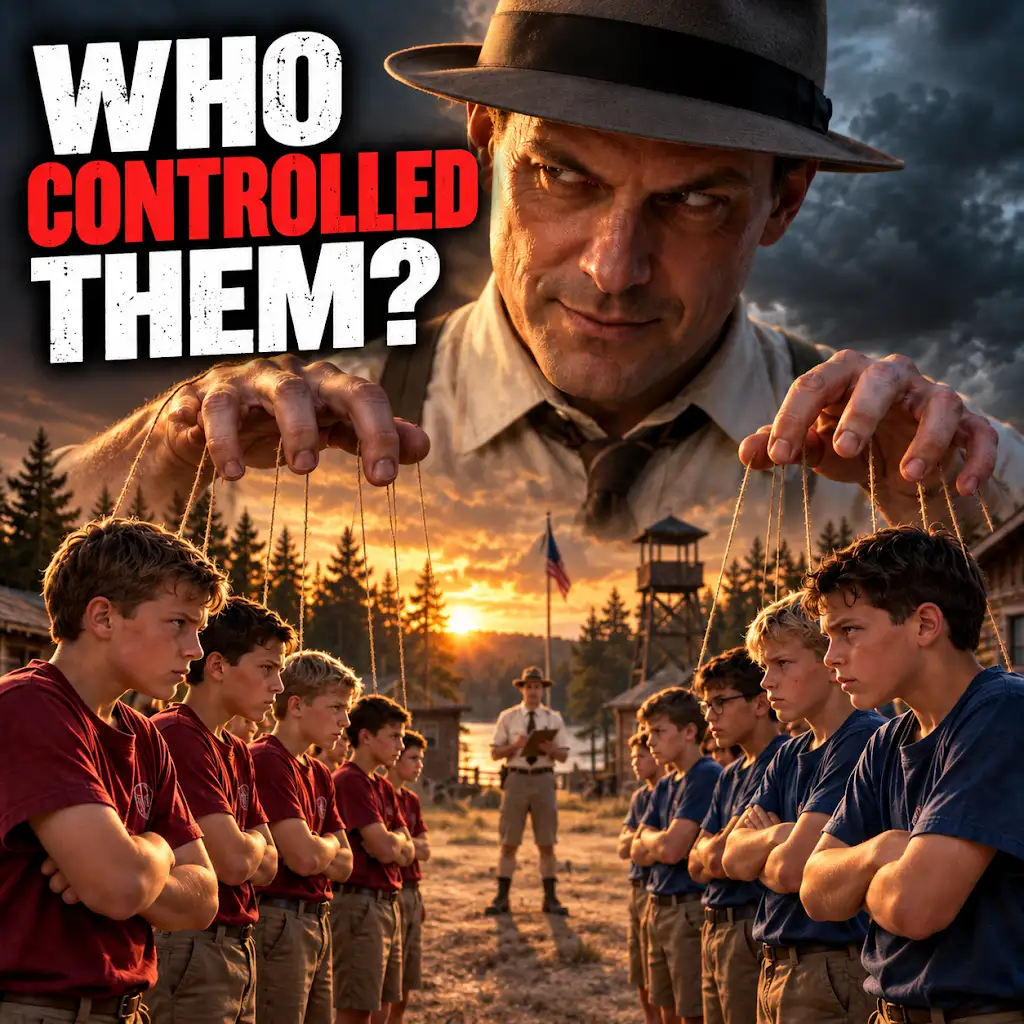
How 22 Boys Were Turned Into Enemies
FAQs
What is the Robbers Cave experiment?
The Robbers Cave experiment was a study conducted by psychologist Muzafer Sherif in 1954 to investigate intergroup conflict and cooperation among boys at a summer camp in Robbers Cave State Park, Oklahoma.
Who is Gina Perry?
Gina Perry is an Australian psychologist and author who wrote the book “The Lost Boys: Inside Muzafer Sherif’s Robbers Cave Experiment” which explores the controversial aspects of the Robbers Cave experiment.
What were the key findings of the Robbers Cave experiment?
The Robbers Cave experiment demonstrated how intergroup conflict can arise between groups of boys when they are placed in competition with each other, but also how cooperation and reconciliation can be achieved through shared goals and activities.
What criticisms have been raised about the Robbers Cave experiment?
Critics of the Robbers Cave experiment have pointed out issues such as the manipulation of the boys’ behavior by the researchers, the lack of informed consent, and the potential for the results to be influenced by the researchers’ expectations.
How has the Robbers Cave experiment influenced the field of psychology?
The Robbers Cave experiment has had a significant impact on the field of psychology by highlighting the importance of social identity, intergroup dynamics, and the role of competition and cooperation in shaping group behavior.