
You might think it’s a sudden storm, a violent eruption from seemingly nowhere. But you’d be wrong. The seeds of authoritarianism are sown gradually, stealthily, often disguised as something else entirely. You see them sprout not in a fiery revolution, but in the quiet whispers, the subtle shifts in rhetoric, the erosion of norms you once took for granted. Understanding how these movements begin is not an academic exercise; it’s a vital act of self-preservation, a way to recognize the early warning signs before the weeds choke out the garden of your democracy.
Before any seed can sprout, it needs the right conditions. Authoritarian movements don’t arise in a vacuum. They thrive in environments where certain vulnerabilities exist, where the soil is prepared for their insidious growth. You might find yourself living in such a place, perhaps without even realizing it.
Economic Discontent: The Cracks in the Foundation
When people feel economically insecure, when their livelihoods are threatened, and when they perceive a widening gap between the haves and the have-nots, they become more receptive to radical ideas. You might be experiencing this yourself, the gnawing anxiety about your future, the feeling that the system is rigged against you.
The Illusion of Scapegoats
In times of economic hardship, it’s easy for frustrated populations to look for someone to blame. Authoritarian leaders are masters at identifying these convenient scapegoats – immigrants, minorities, the intellectual elite, or even foreign powers. You might hear these narratives, the simplistic explanations for complex problems, and find yourself drawn to their clarity, even if it’s a false clarity.
The Promise of Stability and Order
When people feel that economic chaos is encroaching, they often crave stability and order above all else. Authoritarianism offers this, or at least the promise of it. You might be tempted by the allure of strong leadership that claims to have all the answers, to restore prosperity and security. This promise, however, often comes at the cost of your freedoms.
Social Fragmentation and Identity Politics
When societies become deeply divided along ethnic, religious, or ideological lines, the bonds of shared identity weaken. This fragmentation can create fertile ground for movements that seek to reforge identity around a narrow, exclusive definition of belonging. You might witness this increasing polarization, the inability of different groups to find common ground, and feel a growing sense of unease.
The Weaponization of Grievances
Authoritarian movements excel at identifying and amplifying existing grievances. They don’t create these grievances out of thin air, but rather exploit and distort them to serve their agenda. You might hear echoes of your own frustrations, your own sense of injustice, being amplified and twisted into a call for radical change.
The Appeal of the “Us vs. Them” Mentality
When you feel alienated or marginalized, the simple binary of “us” versus “them” can be incredibly appealing. It offers a sense of belonging, of purpose, and of righteous anger. You might find yourself caught in this dynamic, seeing the world in stark black and white, with your group clearly on the side of good.
Erosion of Trust in Institutions
A healthy democracy relies on a degree of trust in its institutions: the government, the judiciary, the media, and even the electoral process. When this trust erodes, the foundations of democratic society begin to crumble. You might be experiencing this yourself, the cynicism that creeps in when you see politicians acting in bad faith, when news reports seem biased, or when the integrity of elections is called into question.
The Amplification of Conspiracy Theories
The breakdown of trust often goes hand-in-hand with the rise of conspiracy theories. These narratives offer alternative explanations for events, explanations that often point to shadowy elites or secret plots. You might find yourself drawn to these theories, especially if they align with your pre-existing distrust.
The Normalization of Lies and Deception
When trust is low, the normalization of lies and deception becomes easier. Authoritarian leaders often test the waters by making false claims, observing the public reaction, and gradually escalating their dishonesty. You might witness this gradual normalization, this slow acceptance of untruths, and feel a creeping sense of unease.
Authoritarian movements often begin in times of social unrest and economic instability, where individuals seek strong leadership to restore order and provide solutions to their grievances. A related article that delves deeper into the psychological underpinnings of such movements can be found at this link: Understanding Authoritarianism: The Psychological Roots. This piece explores how fear, identity, and group dynamics contribute to the rise of authoritarian ideologies and the appeal they hold for certain populations.
The Gardener’s Tools: The Tactics of Seed Sowing
Once the ground is prepared, the gardener begins to sow the seeds. These aren’t literal seeds, but carefully crafted strategies designed to influence public opinion and pave the way for authoritarian rule. You will observe these tactics in action, often subtly, but their impact can be profound.
The Power of Propaganda and Disinformation
Propaganda isn’t new, but in the digital age, its reach and sophistication have exploded. Authoritarian movements employ a variety of tactics to spread their message, often through social media, state-controlled media, and online influencers. You are constantly bombarded with information, and it’s crucial to develop the critical thinking skills to discern truth from falsehood.
Echo Chambers and Filter Bubbles
Algorithms on social media platforms often create echo chambers and filter bubbles, reinforcing your existing beliefs and limiting your exposure to dissenting viewpoints. You might find yourself primarily interacting with people who agree with you, making it harder to understand or empathize with those who hold different opinions.
The Art of Emotional Appeals
Authoritarian propaganda often bypasses rational thought by appealing directly to people’s emotions: fear, anger, pride, and resentment. You might find yourself reacting viscerally to certain messages, without fully analyzing their logical underpinnings.
The Cultivation of a Narrative of Crisis
A constant narrative of crisis, whether real or manufactured, is a common tool. It creates a sense of urgency and justifies extraordinary measures. You might be told that the nation is on the brink of collapse, that only decisive, strong leadership can save it.
Authoritarian movements often emerge in response to societal unrest and perceived threats to stability, as explored in a related article on the psychological underpinnings of such movements. Understanding the factors that contribute to the rise of authoritarianism can provide valuable insights into current global trends. For a deeper analysis of these dynamics, you can read more in this insightful piece on psychological influences that shape authoritarian behavior and ideology.
Exploiting Democratic Institutions for Undermining Them
Authoritarian movements often operate within democratic systems, using the very tools of democracy to dismantle it from the inside. This is a particularly insidious tactic, as it can make the threat harder to recognize.
The Rise of Populist Rhetoric
Populism, with its appeal to “the people” against a corrupt “elite,” can be a gateway to authoritarianism. Leaders who present themselves as the sole voice of the true people often seek to bypass traditional checks and balances. You might hear this language, the charismatic pronouncements that claim to represent your authentic will.
Undermining the Rule of Law
Authoritarian leaders often seek to undermine the independence of the judiciary and the sanctity of the law. They may accuse judges of bias, dismiss legal rulings they dislike, and enact policies that circumvent due process. You might witness these challenges to legal norms and feel a growing sense of unease about the impartiality of justice.
Manipulating Electoral Processes
From voter suppression tactics to challenging the legitimacy of election results, authoritarian-minded actors often seek to control or delegitimize the electoral process. You might hear claims of widespread fraud, even in the absence of evidence, or witness efforts to make voting more difficult for certain populations.
The Cult of Personality and Strongman Politics
Authoritarianism often revolves around a charismatic leader who is presented as the indispensable savior. This cult of personality can overshadow policy and critical thinking. You might be drawn to the perceived strength and decisiveness of a particular leader, overlooking potential dangers.
The Charisma of the “Outsider”
Often, the leader emerges as an “outsider” who promises to disrupt the established order. This outsider status can be appealing to those disillusioned with traditional politics. You might feel a sense of hope in their promise to shake things up.
The Demonization of Dissent
Dissent is not tolerated in authoritarian regimes. Any opposition is framed as disloyalty or treason. You might witness this silencing of critics, this chilling effect on free speech, and fear expressing your own reservations.
The Watering and Nurturing: How Seeds Grow into Movements
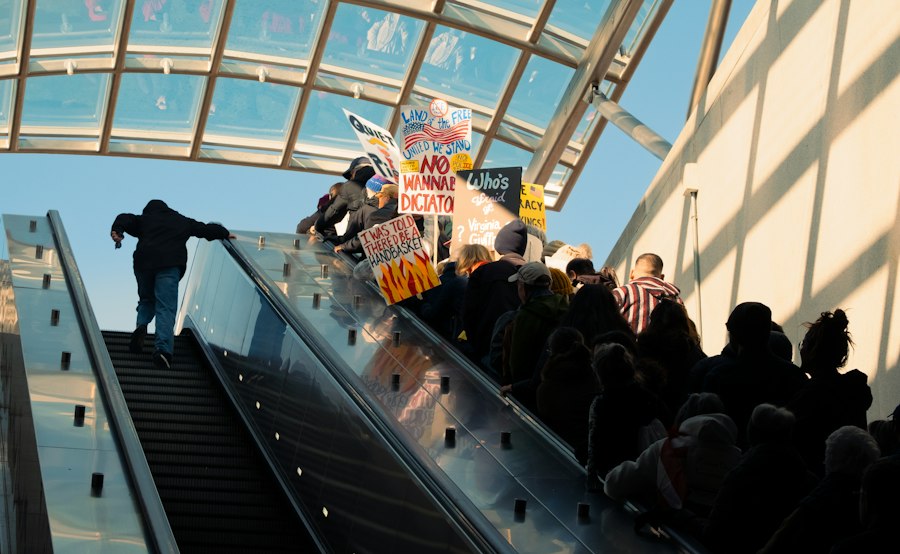
Once the seeds are sown and the ground is prepared, the process of nurturing the authoritarian movement begins. This involves a sustained effort to cultivate loyalty, consolidate power, and expand influence.
Building a Base of Loyal Followers
Authoritarian movements don’t typically gain power through broad consensus. Instead, they cultivate a fervent base of loyal followers who are deeply committed to the cause and the leader. You might see this intense devotion, this unwavering support, even in the face of contradictory evidence.
The Role of Grassroots Mobilization
While leaders may be charismatic, the actual work of building a movement often falls to dedicated activists who mobilize at the grassroots level. You might encounter these individuals in your community, spreading the message and organizing events.
The Power of Shared Identity and Belonging
For many, joining an authoritarian movement offers a strong sense of shared identity and belonging. It provides a community, a purpose, and a feeling of being part of something larger than oneself. You might witness the camaraderie among these groups, the strong bonds forged in shared ideology.
Isolating and Discrediting Opposition
A key strategy for any nascent authoritarian movement is to systematically isolate and discredit its opponents. This can involve a variety of tactics, from smear campaigns to outright intimidation.
Labeling Opponents as “Enemies of the People”
A common tactic is to label any opposition as “enemies of the people” or “traitors.” This framing delegitimizes their views and justifies their persecution. You might hear these labels being thrown around, creating an atmosphere of fear and division.
Undermining Independent Media
Independent media outlets are often a target of authoritarian movements, as they can hold power accountable. Efforts to discredit, censor, or even shut down such outlets are common. You might observe the decline of reliable news sources and the rise of state-sponsored narratives.
Intimidation and Harassment
In more extreme cases, authoritarian movements may resort to intimidation and harassment of their opponents. This can range from online abuse to physical threats, creating a climate of fear that discourages dissent.
Gradual Escalation and Normalization of Authoritarian Tendencies
Authoritarianism rarely arrives fully formed. Instead, it often emerges through a process of gradual escalation and normalization. Small erosions of democratic norms are introduced, then accepted, then built upon.
Testing the Waters with Minor Infringements
Leaders will often test the boundaries with seemingly minor infringements on freedoms or democratic processes. If these are met with little resistance, they will feel emboldened to push further. You might dismiss these early infringements as insignificant, failing to see the larger pattern.
The “Slippery Slope” Argument Reimagined
While the “slippery slope” is often a fallacy used to oppose reasonable changes, in the context of authoritarianism, it becomes a chillingly accurate description of how power is consolidated. Each step, individually, may seem manageable, but the cumulative effect can be devastating. You might find yourself justifying small compromises, only to realize later how far you’ve moved from your initial principles.
The Harvest: When Seeds Become a Regime

When the seeds have been sufficiently sown, nurtured, and allowed to grow unchecked, the harvest is the establishment of an authoritarian regime. This is the point where the subtle shifts have solidified into systemic oppression, and the whispers have become the pronouncements of absolute power.
The Concentration of Power in the Executive
In an authoritarian system, power is overwhelmingly concentrated in the hands of the executive branch, often the leader themselves. Checks and balances are dismantled, and other branches of government become subservient. You will observe the executive making unilateral decisions, often bypassing legislative or judicial review.
Weakening or Eliminating Legislative Oversight
Legislatures, meant to represent the will of the people and provide oversight, are often sidelined. Their powers may be diminished, their members intimidated, or their sessions controlled. You might see your elected representatives unable to effectively challenge the executive.
Subjugating the Judiciary
The judiciary, the guardian of the law, is systematically undermined. Judges may be appointed based on loyalty rather than merit, and their rulings may be ignored or overturned. You will witness the erosion of judicial independence, making legal recourse for citizens increasingly difficult.
Suppression of Dissent and Control of Information
Once in power, authoritarian regimes prioritize the suppression of any dissenting voices and the absolute control of information. This is essential for maintaining their grip on power and preventing any challenge to their authority.
Censorship and Control of Media Outlets
All media outlets are brought under state control, either through direct ownership, censorship, or intimidation. Independent journalism is systematically dismantled. You will find yourself consuming a highly curated and biased version of reality.
The Use of Surveillance and Secret Police
To enforce compliance and intimidate the population, authoritarian regimes employ extensive surveillance networks and often have a feared secret police force. This creates a climate of paranoia where citizens are afraid to speak freely, even in their own homes. You might feel the constant pressure of being watched and judged.
The Erosion of Civil Liberties and Human Rights
The most devastating consequence of authoritarianism is the systematic erosion of civil liberties and human rights. Freedoms of speech, assembly, and association are curtailed, and the state’s power becomes paramount over individual rights. You will experience a loss of freedoms you once took for granted, a chilling reminder of what has been lost.
Restrictions on Freedom of Expression
Any form of expression that challenges the regime is swiftly silenced. Artists, writers, and even ordinary citizens are punished for their words and ideas. You might find yourself self-censoring, fearing the consequences of speaking your mind.
The Disappearance of Free Assembly
The right to gather and protest is abolished. Public demonstrations are met with brutal force, and any organized assembly is viewed as a threat. You will see a public space that is no longer open for genuine civic engagement.
Understanding how the seeds of authoritarianism are sown and nurtured is not about predicting the future, but about recognizing the present. It’s about being vigilant, questioning the narratives you encounter, and defending the democratic principles that protect your freedoms. For the garden of democracy to flourish, you must be the watchful gardener, ready to uproot the weeds before they choke out the life.

They Started With Rules. Then Students Began Policing Each Other
FAQs
What are authoritarian movements?
Authoritarian movements are political movements that seek to concentrate power in the hands of a single leader or a small group, often at the expense of democratic institutions and individual freedoms.
How do authoritarian movements begin?
Authoritarian movements often begin by exploiting social, economic, or political grievances within a society. They may use fear, propaganda, and manipulation to gain support and undermine existing democratic norms and institutions.
What are some common tactics used by authoritarian movements?
Authoritarian movements often use tactics such as censorship, propaganda, scapegoating, and the suppression of dissent to consolidate power and control. They may also seek to undermine the rule of law and manipulate elections to maintain their grip on power.
What are the dangers of authoritarian movements?
Authoritarian movements pose a threat to democracy, individual freedoms, and human rights. They can lead to the erosion of democratic institutions, the stifling of dissent, and the concentration of power in the hands of a few, often resulting in widespread corruption and abuse of power.
How can authoritarian movements be resisted?
Authoritarian movements can be resisted through a combination of civic engagement, activism, and support for democratic institutions. It is important for individuals to stay informed, speak out against authoritarianism, and work together to defend democracy and protect human rights.