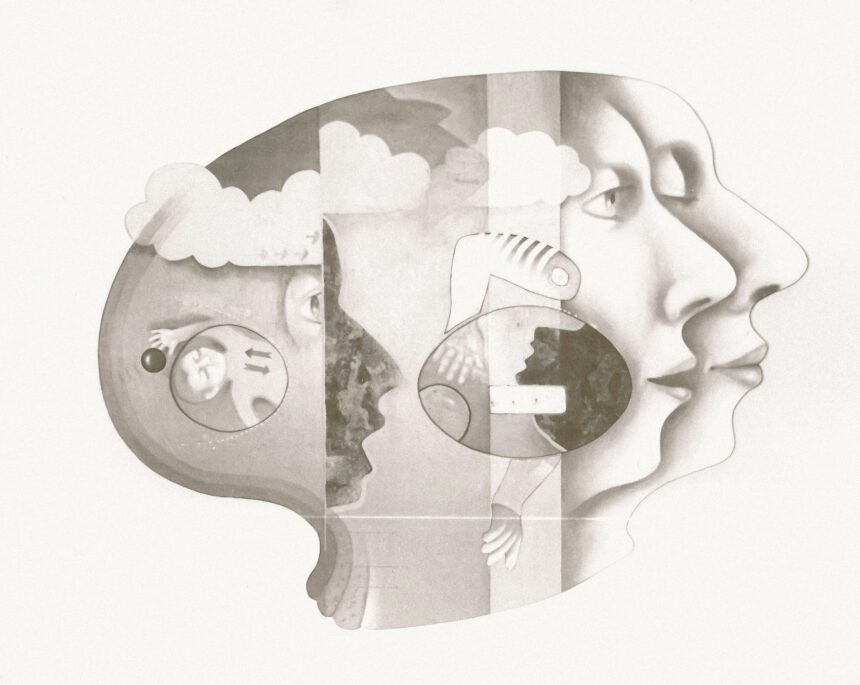
The Impact of Criticism on Self-Perception
Criticism, a ubiquitous element of human interaction, wields a profound and multifaceted influence on how individuals perceive themselves. From the gentle nudge of constructive feedback to the harsh sting of unsolicited denigration, these judgments, whether external or internal, shape the contours of one’s self-image, affecting confidence, motivation, and ultimately, the very essence of who a person believes themselves to be. Understanding this intricate relationship is crucial for fostering healthy self-esteem and navigating the complexities of personal growth.
Criticism, in its most basic form, is an evaluation, often negative, of someone’s actions, character, or work. However, its impact extends far beyond a simple judgment. It taps into deep-seated emotional responses, triggering feelings that can range from mild disappointment to profound hurt and shame. The emotional resonance of criticism is significantly amplified by its source, its delivery, and the recipient’s existing vulnerability.
The Spectrum of Criticism
Criticism is not a monolithic entity. It exists on a broad spectrum, each point carrying a different weight and potential impact.
Constructive Criticism: A Tool for Growth
At one end of the spectrum lies constructive criticism. This form of feedback is characterized by its intention to help the recipient improve. It is typically delivered with tact, specificity, and a focus on observable behaviors or outcomes, rather than personal attacks. Constructive criticism often highlights areas for development, offering suggestions for how to enhance performance or understanding. When received well, it can be a powerful catalyst for learning and self-improvement, fostering a sense of competence and agency.
Destructive Criticism: An Assault on Self-Worth
At the opposite end is destructive criticism. This type of feedback is often vague, personal, and delivered with an intent to wound or demean. It may involve insults, generalizations, and an unwillingness to offer solutions or guidance. Destructive criticism can erode self-confidence, foster resentment, and create a deep-seated sense of inadequacy. Its impact can be particularly damaging, leaving lasting scars on an individual’s self-perception.
Unsolicited vs. Solicited Criticism
The context in which criticism is received also plays a significant role.
Solicited Feedback: A Welcome Opportunity
When criticism is solicited – meaning the individual has actively sought feedback or advice – it is often perceived as more valuable and less threatening. The individual has implicitly signaled their openness to evaluation and improvement, creating a receptive environment for the feedback. This can lead to a more collaborative and less defensive response, enhancing the potential for positive impact.
Unsolicited Judgments: An Intrusion
Conversely, unsolicited criticism can feel like an intrusion, a judgment imposed without invitation. This can trigger defensiveness and resistance, making it harder for the recipient to absorb the message, even if it holds some merit. The feeling of being judged without consent can lead to feelings of annoyance and a diminished sense of autonomy.
The Role of Emotion in Processing Criticism
The emotional state of the recipient at the time of criticism is a critical factor in its impact.
Vulnerability and Defensiveness
When an individual is feeling vulnerable, perhaps due to stress, insecurity, or a previous negative experience, criticism can be amplified. This heightened vulnerability can trigger defensive mechanisms, where the individual becomes more inclined to reject the feedback, rationalize their actions, or even lash out. This defensiveness, while a protective instinct, can prevent the individual from objectively assessing the criticism and its potential for personal growth.
Emotional Scars and Past Experiences
Previous negative experiences with criticism can create lasting emotional scars. An individual who has been subjected to consistent harsh or unfair criticism in the past may develop a heightened sensitivity to any form of negative feedback, anticipating hurt and rejection. This can lead to a self-fulfilling prophecy, where they perceive even well-intentioned criticism as an attack, further reinforcing their negative self-perception.
Criticism can significantly alter an individual’s self-perception, often leading to a reevaluation of one’s abilities and worth. For a deeper understanding of this phenomenon, you can explore the article titled “The Impact of Criticism on Self-Perception” available at Unplugged Psych. This article delves into how external feedback shapes our internal narratives and influences our confidence levels, providing valuable insights into the psychological mechanisms at play.
The Internalization of External Judgments
Perhaps the most potent impact of criticism on self-perception lies in its internalization. When external judgments are repeatedly heard, they can begin to resonate with an individual’s inner monologue, slowly but surely shaping their belief system about themselves. This process is particularly insidious when the criticism is consistent and comes from significant figures in an individual’s life.
The Voice of Authority: Parental and Guardian Influence
Early childhood is a critical period for the formation of self-perception, and the voices of parents and guardians hold immense power.
Early Childhood Conditioning
The feedback provided by parents during formative years lays the groundwork for a child’s understanding of their capabilities and worth. Consistent praise and encouragement can foster a sense of confidence and competence, while frequent criticism, especially if it is harsh or unreasoned, can instill feelings of inadequacy and self-doubt. Children, lacking fully developed critical thinking skills, often internalize parental judgments as absolute truths.
The Legacy of Childhood Criticism
The criticism received in childhood can have a long-lasting legacy, influencing an individual’s self-perception throughout their adult life. An adult who was frequently told they were “not good enough” or “too sensitive” may continue to believe these pronouncements, even in the face of evidence to the contrary. This internalized criticism can manifest as a persistent feeling of not measuring up, regardless of their actual achievements.
The Peer Group Dynamic: Social Validation and Rejection
As individuals move into adolescence and adulthood, peer groups become increasingly influential in shaping self-perception. The desire for social acceptance and validation can make individuals highly susceptible to the opinions of their peers.
The Pressure to Conform
In social settings, criticism can take the form of exclusion, mockery, or judgment from peers. This can create immense pressure to conform to group norms, as deviating from them may lead to social rejection. The fear of such rejection can lead individuals to suppress their true selves and adopt behaviors that align with the perceived expectations of the group, thereby altering their self-perception to fit in.
The Impact of Social Media Criticism
The advent of social media has introduced a new dimension to criticism and its impact on self-perception. The constant exposure to curated images and the possibility of anonymous, often harsh, feedback can be particularly damaging.
The Illusion of Perfection
Social media platforms often present an idealized version of reality, leading individuals to compare their own lives and appearances to these seemingly perfect portrayals. When their own reality falls short of these manufactured ideals, criticism, whether implied or explicit, can emerge, fueling feelings of inadequacy.
Cyberbullying and Online Scrutiny
Online platforms can become breeding grounds for cyberbullying and relentless scrutiny. The ease with which individuals can voice negative opinions without immediate face-to-face consequences can lead to a torrent of criticism that can deeply wound and alter an individual’s self-perception. The digital footprint of such criticism can be persistent and widely accessible, exacerbating its impact.
The Internal Critic: The Echo of External Judgments

Over time, external criticism can be internalized to the point where an individual develops a persistent “internal critic.” This is an inner voice that mirrors the negative judgments they have received throughout their lives, constantly evaluating and devaluing their thoughts, actions, and worth.
The Genesis of the Inner Critic
The internal critic is not born in a vacuum; it is a learned behavior, a consequence of prolonged exposure to negative feedback.
The Repetition Principle
When an individual is repeatedly exposed to the same criticism, especially from authoritative figures, their brain begins to internalize these messages. The repetition of these negative evaluations leads to the formation of ingrained beliefs about oneself. This is akin to learning a new skill; the more one practices, the more automatic it becomes. In this case, the “skill” being learned is self-criticism.
The Fear of Making Mistakes
A significant driver of the internal critic is the fear of making mistakes. If past mistakes have been met with harsh criticism and significant negative consequences, an individual may develop an intense aversion to error. The internal critic then serves as a preemptive strike, constantly pointing out potential flaws and errors before they even occur, thereby paralyzing action and reinforcing a sense of incompetence.
Manifestations of the Internal Critic
The internal critic can manifest in various ways, often subtly undermining an individual’s confidence and self-esteem.
Self-Doubt and Hesitation
One of the most common manifestations is pervasive self-doubt. Individuals with a strong internal critic may constantly question their abilities, their decisions, and their worth. This can lead to hesitation in taking on new challenges, expressing their opinions, or pursuing their goals, as the internal critic whispers doubts and fears of failure.
Perfectionism as a Defense Mechanism
Paradoxically, a strong internal critic can also fuel perfectionism. The desire to avoid criticism, both internal and external, can lead to an obsessive pursuit of flawlessness. However, since perfection is often unattainable, this can lead to a cycle of disappointment and further self-criticism, creating a self-defeating pattern.
Negative Self-Talk and Rumination
Individuals with an internalized critic are prone to negative self-talk and rumination. They may replay past mistakes or perceived failures in their minds, often exaggerating their significance and assigning blame to themselves. This constant stream of negative thoughts can significantly impact mood, motivation, and overall well-being.
The Impact on Self-Esteem and Confidence

The cumulative effect of criticism, both external and internalized, is a profound impact on an individual’s self-esteem and confidence. Self-esteem, the overall sense of personal worth, and confidence, the belief in one’s own abilities, are deeply intertwined with how one perceives themselves in relation to the judgments they have encountered.
Erosion of Self-Worth
Consistent exposure to criticism, especially when it is unfair or personal, can systematically erode an individual’s sense of self-worth. They may begin to believe that they are fundamentally flawed or inadequate, leading to a diminished sense of their own value. This can manifest as a lack of assertiveness, a reluctance to set boundaries, and a tendency to prioritize the needs of others over their own.
The Crippling Effect of Low Confidence
Low confidence, often a direct consequence of negative criticism, can be crippling. It can prevent individuals from stepping outside their comfort zones, pursuing opportunities, and fully realizing their potential. The fear of failure, amplified by the internal critic, can lead to a sense of learned helplessness, where individuals believe they are incapable of succeeding, regardless of their efforts.
Hesitation in Pursuing Goals
When confidence is low, individuals are less likely to set ambitious goals or to pursue them with vigor. They may opt for safer, less challenging paths, fearing that their efforts will be met with failure and further criticism. This can lead to a life of unrealized potential and a lingering sense of regret.
Difficulty in Forming Healthy Relationships
Self-perception heavily influences interpersonal dynamics. Individuals with low self-esteem and confidence may struggle to form and maintain healthy relationships. They may be overly dependent on external validation, or conversely, they may push people away due to a fear of rejection. The constant feeling of “not being good enough” can make it difficult to believe that others genuinely care about them.
Criticism can significantly alter an individual’s self-perception, often leading to a reevaluation of one’s abilities and worth. In exploring this dynamic, an insightful article on the impact of external feedback can be found on Unplugged Psych, which delves into how our responses to criticism shape our self-image and emotional well-being. Understanding these mechanisms can empower individuals to navigate criticism more effectively. For more information, you can read the article here.
Strategies for Navigating and Mitigating the Impact of Criticism
| Aspect of Self-Perception | Effect of Criticism | Metric/Indicator | Typical Change |
|---|---|---|---|
| Self-Esteem | Negative criticism often lowers self-esteem | Self-esteem scale scores (e.g., Rosenberg Self-Esteem Scale) | Decrease by 10-20% after harsh criticism |
| Self-Confidence | Constructive criticism can improve self-confidence | Confidence rating before and after feedback | Increase by 15% with supportive feedback |
| Self-Awareness | Criticism enhances awareness of personal flaws | Number of identified personal weaknesses | Increase by 25% after reflective criticism |
| Self-Concept Clarity | Frequent criticism may reduce clarity of self-concept | Self-Concept Clarity Scale scores | Decrease by 10% with repeated negative feedback |
| Emotional Response | Criticism can trigger feelings of shame or motivation | Reported emotional intensity (scale 1-10) | Average emotional intensity: 6-8 depending on criticism type |
While criticism is an inevitable part of life, its impact on self-perception is not set in stone. Individuals can develop strategies to navigate its complexities and mitigate its potentially damaging effects. The key lies in fostering resilience, developing critical self-awareness, and cultivating a more compassionate inner dialogue.
Developing Emotional Resilience
Resilience is the ability to bounce back from adversity, and it is a crucial asset in dealing with criticism.
Practicing Mindfulness and Self-Compassion
Mindfulness, the practice of paying attention to the present moment without judgment, can help individuals observe criticism without immediately reacting defensively. Coupled with self-compassion – treating oneself with the same kindness and understanding one would offer a friend – it can create a buffer against harsh self-judgment.
Building a Strong Support System
Having a supportive network of friends, family, or mentors can provide a vital buffer against the negative impact of criticism. These individuals can offer validation, perspective, and encouragement, reminding us of our strengths and inherent worth, even when facing external judgment.
Fostering Critical Self-Awareness
Understanding the nature of criticism and its origins is the first step towards disarming its power.
Distinguishing Between Feedback and Attack
It is essential to develop the ability to distinguish between constructive feedback aimed at improvement and personal attacks intended to demean. This requires careful consideration of the source, the intent, and the content of the criticism.
Challenging the Internal Critic
Actively challenging the negative pronouncements of the internal critic is a crucial process. This involves questioning the validity of these thoughts, seeking evidence to the contrary, and consciously replacing negative self-talk with more balanced and affirming affirmations.
Cultivating a Healthy Self-Perception
Ultimately, the goal is to build a self-perception that is grounded in reality and fosters a sense of self-acceptance.
Focusing on Strengths and Achievements
While acknowledging areas for improvement, it is vital to actively recognize and celebrate one’s strengths and achievements. This can help rebalance the scales, preventing negative criticism from overshadowing positive self-assessments.
Embracing Imperfection as a Human Trait
Recognizing that imperfection is an inherent part of the human experience can be liberating. Instead of striving for an unattainable ideal, embracing imperfection allows for greater self-acceptance and a more realistic approach to personal growth. By understanding the profound impact of criticism on self-perception, individuals can equip themselves with the tools to navigate its challenges, fostering a more robust and positive sense of self, capable of growth and resilience in the face of life’s inevitable judgments.

They Told Healthy Children Something Was Wrong With Their Speech
FAQs
What is the relationship between criticism and self-perception?
Criticism can significantly impact an individual’s self-perception by influencing their thoughts, feelings, and beliefs about themselves.
How does receiving criticism affect self-esteem?
Receiving criticism can lower self-esteem if the individual internalizes the negative feedback and believes they are not good enough or capable.
Can criticism lead to positive changes in self-perception?
Yes, constructive criticism can help individuals identify areas for improvement and motivate them to make positive changes, leading to a more accurate and balanced self-perception.
How can one cope with negative criticism to maintain a healthy self-perception?
Coping strategies for dealing with negative criticism include focusing on one’s strengths, seeking support from others, and reframing the feedback as an opportunity for growth.
Is self-perception solely influenced by external criticism?
Self-perception is a complex interplay of internal beliefs, past experiences, and external feedback, with criticism being just one factor that can influence how individuals see themselves.