
The flickering screen cast a pale luminescence across the dimly lit room, an intimate setting for the unfolding narrative. The documentary, “Uncovering Dark Psychology: A Chilling Documentary on Shocking Experiments,” promised a deep dive into the shadowy corners of the human psyche, and it delivered with an unflinching, often disturbing, clarity. This was not a journey for the faint of heart; it was an exploration of the forces that drive us to extremes, the ethical boundaries that crumble under the weight of curiosity, and the profound questions that linger long after the credits roll.
The documentary masterfully began by establishing the inherent human fascination with the darker aspects of our nature. It posited that a significant part of the appeal lies in the forbidden, the taboo. These are concepts that society often attempts to suppress, and thus, their exploration carries an inherent thrill, a sense of stepping into uncharted, perhaps dangerous, territory.
The “What If” Factor: Exploring Hypothetical Scenarios
“Uncovering Dark Psychology” didn’t shy away from the hypothetical, presenting viewers with thought experiments that pushed the boundaries of conventional morality. These scenarios, often framed as “what if” questions, served as a gateway to understanding the underlying principles of dark psychology. By imagining extreme situations, viewers were encouraged to contemplate how they might react, thereby revealing unconscious biases and inherent tendencies.
The Milgram Experiment: Obedience to Authority Reimagined
The segment dedicated to the Milgram experiment was a particularly harrowing account. The documentary meticulously recreated the setup, using archival footage and insightful reenactments. It emphasized how ordinary individuals, when placed under the guise of legitimate authority, could be persuaded to inflict pain on others. The chilling revelation was not that such cruelty existed, but how readily it could be normalized and executed by seemingly decent people. The film questioned the very definition of “ordinary” when faced with the power of authority.
The Unseen Pressures: Deconstructing the Situational Factors
Beyond the authority figure, the documentary delved into the subtle, and often insidious, situational factors that contributed to the participants’ compliance. The sterile environment of the laboratory, the perceived scientific legitimacy of the experiment, and the gradual escalation of the “shocks” all played a crucial role. The film argued that these elements created an environment where personal responsibility began to erode, replaced by a sense of obligation to the experimenter.
The Stanford Prison Experiment: The Power of Roles and Deindividuation
The Stanford Prison Experiment, another cornerstone of dark psychology research, was presented with equal gravity. The documentary highlighted the rapid and disturbing transformation of participants into either abusive guards or submissive prisoners. It underscored the profound impact of social roles and the process of deindividuation, where individual identity becomes submerged within a group or role, leading to a loss of personal accountability.
The Erosion of Empathy: When Roles Become Reality
A significant focus within this section was the erosion of empathy. As the guards adopted their roles, they seemed to lose touch with the humanity of the prisoners. Conversely, the prisoners, stripped of their individuality, became increasingly despondent and helpless. The film argued that this experiment demonstrated how quickly situational power dynamics could override fundamental human compassion.
The Allure of Control: Manipulative Tactics and Their Effectiveness
The documentary then pivoted to the practical applications of dark psychology, specifically focusing on the art of manipulation. It explored the techniques that individuals, whether consciously or unconsciously, employ to influence and control others for their own gain. This section was particularly unsettling as it revealed how common and often effective these tactics could be in everyday life.
Persuasion vs. Coercion: Drawing the Fine Line
A critical distinction was made between genuine persuasion and outright coercion. The film illustrated how dark psychology often blurred this line, using subtle techniques that bypassed rational thought and appealed directly to primal emotions and vulnerabilities. The viewers were challenged to recognize these tactics in their own interactions.
The Subtle Art of Gaslighting: Undermining Reality
The documentary dedicated a substantial portion to the insidious tactic of gaslighting. Through compelling case studies and expert commentary, it explained how this form of psychological manipulation could systematically make individuals doubt their own sanity, memory, and perception of reality. The film emphasized the devastating long-term consequences for victims, often leading to severe anxiety, depression, and isolation.
The Language of Doubt: Phrases and Strategies Employed
Specific examples of gaslighting language were presented, such as phrases like “You’re overreacting,” “That never happened,” or “You’re being too sensitive.” The documentary highlighted how these seemingly innocuous statements, when repeated consistently, could chip away at a person’s self-belief, making them more susceptible to the manipulator’s control.
The Appeal of Charisma: When Charm Masks Malice
The documentary also explored how charismatic individuals could leverage their charm to mask manipulative intentions. It suggested that true charisma, while often positive, could be weaponized, making others more receptive to influence and less likely to question their motives. The film presented examples of how cult leaders and con artists often possessed this type of deceptive charisma.
Identifying the Red Flags: Beyond Superficial Charm
The “Uncovering Dark Psychology” documentary provided viewers with crucial red flags to watch out for, moving beyond superficial charm. These included inconsistencies in their stories, a tendency to blame others, an excessive need for admiration, and a pattern of exploiting others for personal gain. The film encouraged a critical and analytical approach to charismatic personalities.
For those intrigued by the unsettling aspects of human behavior, the documentary on dark psychology experiments offers a chilling exploration of the mind’s darker corners. To delve deeper into this subject, you may find the related article on Unplugged Psychology particularly insightful. It discusses various psychological theories and experiments that shed light on the motivations behind manipulative behaviors. You can read more about it here: Unplugged Psychology.
The Echoes of the Past: Historical Experiments and Their Legacy
The documentary then broadened its scope to examine historical experiments that, while ethically questionable by today’s standards, laid the groundwork for our understanding of human behavior. It argued that these studies, despite their flaws, provided invaluable insights that continue to inform psychological research.
The Dark Side of Scientific Inquiry: Unethical Methods and Their Justifications
The film did not shy away from the undeniably unethical methods employed in many of these historical experiments. It presented them not to condone them, but to critically analyze the context in which they occurred and the flawed justifications used by the researchers at the time. The documentary aimed to foster a nuanced understanding of scientific progress, acknowledging that it can sometimes come at a high human cost.
The Little Albert Experiment: Early Conditioning and Its Implications
The segment on the Little Albert experiment, for instance, explored the early days of behaviorism and the study of classical conditioning. While the concept of conditioning was a significant breakthrough, the documentary highlighted the ethical concerns surrounding the deliberate induction of fear in an infant. It discussed the long-term implications of such early trauma.
The Unintended Consequences: Lasting Psychological Scars
The film speculated on the potential long-term psychological scars inflicted upon Little Albert, a poignant reminder of the responsibilities researchers bear when experimenting on vulnerable subjects. It questioned whether the knowledge gained justified the suffering caused.
Nazi Experiments: The Ultimate Betrayal of Science
The most disturbing and ethically reprehensible experiments explored were those conducted by the Nazis. The documentary presented these atrocities not as psychological studies in the traditional sense, but as acts of barbarism masked by a twisted perversion of scientific inquiry. It emphasized that these experiments were driven by ideology and hatred, not by a genuine pursuit of knowledge.
The Dehumanization of Victims: Science as a Tool of Oppression
A key takeaway from this section was the profound dehumanization of the victims. The film illustrated how the perpetrators, by stripping individuals of their humanity, were able to commit unimaginable acts of cruelty. It served as a stark warning about the dangers of allowing ideology to corrupt scientific pursuits.
The Ethical Reckoning: Evolving Standards and Future Considerations
The documentary concluded by reflecting on the evolution of ethical standards in psychological research. It showcased how the outcry and introspection following these shocking experiments led to the establishment of strict guidelines and oversight committees.
The Birth of Institutional Review Boards (IRBs): Safeguarding Participants
The rise of Institutional Review Boards (IRBs) was presented as a direct consequence of past transgressions. The film explained how IRBs play a crucial role in reviewing research proposals, ensuring the safety and well-being of participants, and upholding ethical principles.
The Balancing Act: Scientific Advancement and Human Dignity
The documentary underscored the ongoing balancing act between the pursuit of scientific knowledge and the paramount importance of human dignity. It argued that true scientific progress must always be tempered by ethical considerations and a deep respect for the individuals involved.
The Mirror of Society: Dark Psychology in Everyday Life

Perhaps the most impactful aspect of “Uncovering Dark Psychology” was its relentless focus on how these dark psychological principles manifest in everyday life, often in ways that are subtle and easily overlooked. The film acted as a mirror, reflecting the often uncomfortable truths about human interaction.
The Influence of Media and Advertising: Shaping Desires and Beliefs
The documentary examined how media and advertising industries often exploit principles of dark psychology to influence consumer behavior. It highlighted how persuasive techniques, emotional appeals, and the creation of perceived needs are employed to shape desires and beliefs.
The Illusion of Choice: Marketing Tactics That Bypass Logic
A significant portion was dedicated to the “illusion of choice” in advertising. The film demonstrated how marketing strategies often present a limited range of options, subtly guiding consumers towards predetermined outcomes, all while making them feel as though they are making independent decisions.
The Power of Scarcity and Urgency: Creating Artificial Demand
The documentary delved into the effectiveness of creating artificial scarcity and urgency. Phrases like “limited time offer” or “while supplies last” were analyzed for their psychological impact, triggering a fear of missing out (FOMO) and encouraging impulsive purchases.
Social Dynamics and Group Behavior: The Psychology of Crowds
The film also explored how dark psychological principles influence social dynamics and group behavior. It examined how individuals can be swayed by the opinions and actions of the crowd, even when those actions are irrational or harmful.
The Bystander Effect: Diffusion of Responsibility in Action
The bystander effect was presented as a clear example of dark psychology at play in group settings. The documentary explained how the presence of multiple onlookers can lead to a diffusion of responsibility, where individuals feel less personally compelled to intervene in a crisis.
The Erosion of Individual Agency: When the Group Takes Over
The film emphasized how, in certain group dynamics, individual agency can be eroded. The desire for conformity, fear of ostracism, and the amplification of emotions within a group can lead individuals to behave in ways they would never consider on their own.
Interpersonal Relationships: The Subtle Manipulation Within Families and Friendships
Perhaps the most chilling revelations came from the examination of dark psychology within interpersonal relationships, including families and friendships. The documentary illustrated how manipulative tactics could be employed in intimate settings, often with devastating consequences.
The Silent Treatment and Emotional Blackmail: Weapons of Control
The film dissected common manipulative tactics used in close relationships, such as the silent treatment and emotional blackmail. It explained how these strategies are designed to inflict guilt, induce fear, and ultimately gain control over the other person’s actions and emotions.
The Long-Term Impact: Damaged Trust and Psychological Scars
The documentary stressed the long-term impact of such manipulation, which often leads to damaged trust, deep-seated insecurity, and lasting psychological scars for the victim. It argued that recognizing these patterns is crucial for fostering healthy and respectful relationships.
The Unseen Architects: The Minds Behind the Experiments
“Uncovering Dark Psychology” dedicated a section to the individuals who conceived and executed these often-infamous experiments. It delved into their motivations, their intellectual curiosity, and the intellectual climate of their times, without seeking to excuse their actions.
Intellectual Curiosity vs. Moral Responsibility: A Complex Interplay
The documentary grappled with the complex interplay between intellectual curiosity and moral responsibility. It explored how brilliant minds could become so engrossed in the pursuit of knowledge that they overlooked or downplayed the ethical implications of their work.
The Desire for Discovery: Pushing the Boundaries of Human Understanding
The film acknowledged the inherent human desire for discovery and the drive to push the boundaries of understanding. However, it consistently returned to the question of whether this drive justified the potential for harm.
The Slippery Slope: Where Does Legitimate Inquiry End?
The documentary posed the challenging question of where legitimate inquiry ends and unethical exploitation begins. It suggested that the line is not always clear and requires constant vigilance and ethical reflection.
The Influence of Societal Norms: Context Matters, But Doesn’t Excuse
The film also considered the influence of societal norms on the researchers. It argued that while the prevailing attitudes of the time might have made certain experiments more “acceptable,” it did not absolve the individuals from their ethical obligations.
The Evolution of Ethical Consciousness: Learning from Past Mistakes
The documentary emphasized how our collective ethical consciousness has evolved, largely due to the painful lessons learned from these historical experiments. It presented this evolution as a testament to our capacity for growth and self-correction.
The Ethical Compass: Navigating the Future of Research
The film concluded this section by looking towards the future, stressing the importance of a strong ethical compass for all researchers. It advocated for a proactive approach to ethical considerations, rather than a reactive one.
If you’re intrigued by the unsettling aspects of human behavior, you might find the documentary on dark psychology experiments particularly captivating. It delves into the manipulation and control tactics that can be employed in various contexts. For a deeper understanding of these themes, you can explore a related article that discusses the psychological principles behind such experiments. This insightful piece can be found at Unplugged Psychology, where you can learn more about the darker facets of the human psyche.
The Path Forward: Applying Knowledge for Protection and Understanding
| Experiment Name | Year | Researcher(s) | Objective | Key Findings | Ethical Concerns |
|---|---|---|---|---|---|
| Stanford Prison Experiment | 1971 | Philip Zimbardo | Study effects of perceived power in a simulated prison environment | Participants quickly adopted abusive behaviors when assigned power roles | Psychological harm, lack of informed consent, early termination |
| Milgram Obedience Study | 1961 | Stanley Milgram | Measure obedience to authority figures instructing harmful actions | Majority obeyed authority despite moral conflict, administering shocks | Emotional distress, deception, lack of full consent |
| Asch Conformity Experiment | 1951 | Solomon Asch | Investigate conformity to group pressure | Individuals often conformed to incorrect majority opinions | Minimal ethical concerns, but deception was used |
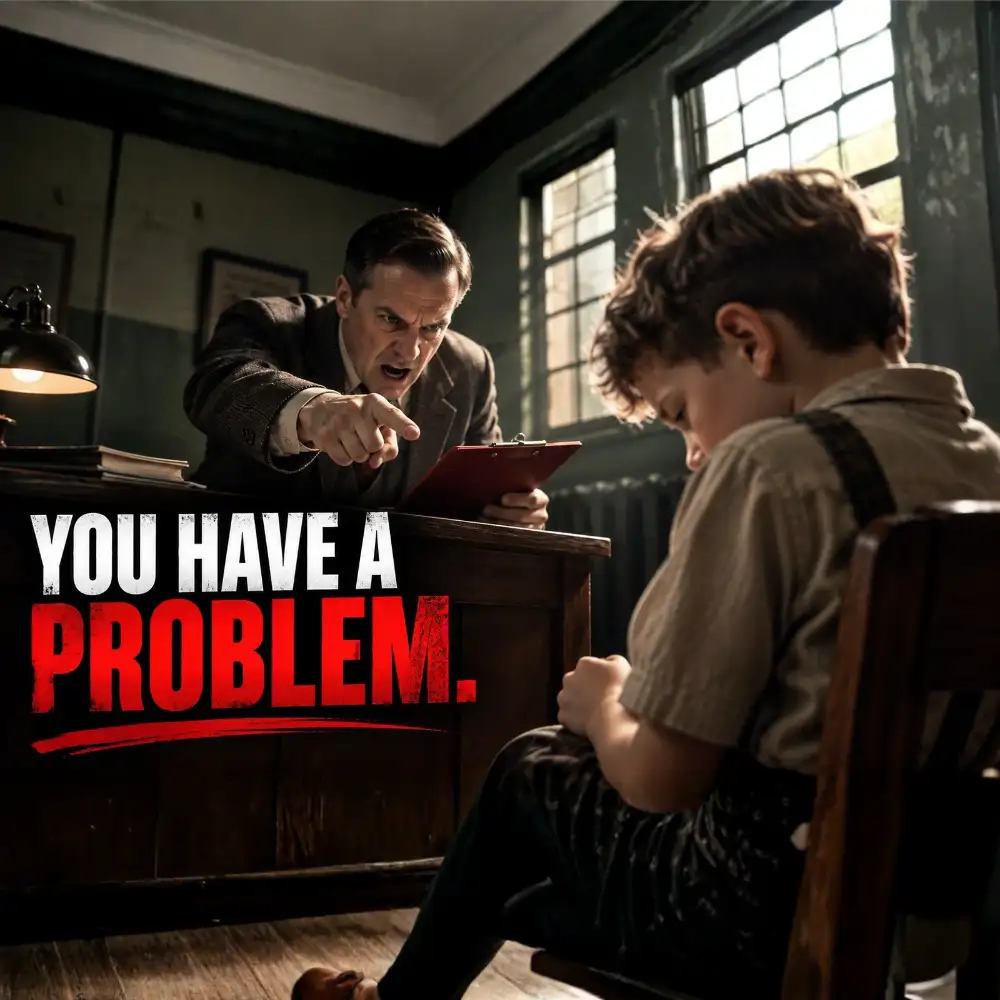
| Monster Study | 1939 | Wendell Johnson | Examine effects of positive vs. negative speech therapy on children | Negative labeling caused lasting speech issues in some children | Severe psychological harm, unethical treatment of children |
| Little Albert Experiment | 1920 | John B. Watson & Rosalie Rayner | Condition fear response in an infant | Successfully conditioned fear of white rat and similar objects | Lack of consent, psychological harm, no follow-up care |
The documentary concluded not with a sense of despair, but with a call to action. It argued that understanding dark psychology is not about embracing it, but about recognizing its mechanisms to protect ourselves and others, and to foster a more empathetic and ethical society.
Empowering the Individual: Recognizing and Resisting Manipulation
The film’s ultimate goal was to empower the individual. By shedding light on manipulative tactics, it aimed to equip viewers with the knowledge and critical thinking skills necessary to recognize and resist attempts at undue influence.
Developing Critical Thinking Skills: Questioning the Unquestionable
A core message was the importance of developing robust critical thinking skills. The documentary encouraged viewers to question assumptions, analyze information, and be wary of simplistic narratives, especially those designed to evoke strong emotional responses.
The Power of Awareness: The First Step Towards Resilience
The documentary powerfully argued that awareness is the first and most crucial step towards resilience against psychological manipulation. By understanding the tactics employed, individuals can develop an inner shield, becoming less susceptible to their effects.
Fostering Empathy and Ethical Behavior: Building a Better Society
Beyond personal protection, “Uncovering Dark Psychology” advocated for the application of this knowledge to foster a more empathetic and ethical society. It suggested that understanding the darker aspects of human nature can lead to greater compassion for those who have been victimized.
The Importance of Education: Teaching Future Generations
The film underscored the importance of educating future generations about the principles of dark psychology. It argued that such education is crucial for building a society that is less vulnerable to exploitation and more committed to ethical conduct.
The Ongoing Dialogue: Continuing the Conversation
The documentary concluded by emphasizing that the conversation about dark psychology is ongoing. It encouraged viewers to continue questioning, learning, and engaging in discussions that promote a deeper understanding of human behavior and a commitment to ethical progress. The chilling experiments, though a product of the past, served as a vital, albeit disturbing, lesson for the present and the future. The knowledge gained, the film implied, was a weapon not of harm, but of protection and progress.
They Told Healthy Children Something Was Wrong With Their Speech
FAQs
What is dark psychology?
Dark psychology refers to the study of the human mind and behavior with a focus on understanding and manipulating people for negative purposes, such as control, manipulation, and deception.
What are dark psychology experiments?
Dark psychology experiments are studies conducted to explore the darker aspects of human behavior, such as manipulation, coercion, and deception. These experiments often involve unethical practices and can have harmful effects on participants.
What is a documentary on dark psychology experiments?
A documentary on dark psychology experiments is a film or video that explores and presents information about various experiments conducted in the field of dark psychology. These documentaries often shed light on the unethical practices and consequences of such experiments.
Are dark psychology experiments legal?
Many dark psychology experiments are considered unethical and illegal due to the harm they can cause to participants. In many cases, these experiments violate ethical guidelines and human rights, leading to legal consequences for those involved.
What can we learn from dark psychology experiments documentaries?
Dark psychology experiments documentaries can provide valuable insights into the darker aspects of human behavior and the potential consequences of unethical research practices. By watching these documentaries, viewers can become more aware of the dangers of manipulation and coercion in psychological research.