The documentary “The Monster Study: A True Documentary” delves into a dark and ethically questionable experiment conducted in the 1930s, known as the Monster Study. This film meticulously reconstructs the events, exploring the motivations of the researchers, the impact on the young participants, and the long-lasting repercussions of this ill-conceived endeavor. Through archival footage, interviews with survivors and their families, and expert analysis, the documentary paints a vivid and often disturbing picture of a study that aimed to prove a hypothesis at the severe emotional cost of vulnerable children.
The Cold War and the Rise of Behavioral Science
The early to mid-20th century witnessed a burgeoning interest in understanding human behavior, fueled in part by the anxieties of a world on the brink of, and then recovering from, global conflict. The nascent field of behavioral science sought to apply scientific principles to human actions, believing that by understanding the mechanics of behavior, it could be manipulated and even controlled. This era saw the rise of figures like B.F. Skinner and his theories of operant conditioning, which suggested that behavior could be shaped through reinforcement and punishment. Within this intellectual climate, a particular focus emerged on the study of stuttering, a speech impediment that affected a significant portion of the population and was poorly understood.
Dr. Wendell Johnson and His Obsession with Stuttering
At the forefront of this research was Dr. Wendell Johnson, a prominent speech pathologist at the University of Iowa. Johnson himself was a stutterer, a deeply personal experience that fueled his lifelong quest to understand and cure the condition. He believed that stuttering was not an inherent physiological defect but rather a learned behavior, a response to negative social conditioning. This hypothesis, while not entirely without merit, would lead him down a path of increasingly unethical experimentation. His initial research focused on identifying the perceived causes of stuttering in children, often involving extensive interviews with parents and observing children in various social settings. However, Johnson’s desire for definitive proof, and perhaps a more efficient method of intervention, would ultimately lead to the development of the Monster Study.
The Hypothesis: Stuttering as a Learned Behavior
Johnson’s central hypothesis was that stuttering was not caused by any physical defect but was rather a learned behavior, a result of a child’s negative reactions to their own disfluencies. He theorized that if a child was labeled as a stutterer, even if they exhibited no actual stuttering, they could be conditioned to believe they had a problem and subsequently develop the speech impediment. This idea, while controversial, was rooted in the prevailing behaviorist theories of the time. If stuttering could be learned, Johnson reasoned, it could also be unlearned, or perhaps, in a more sinister turn, it could be induced. The Monster Study was conceived as a direct test of this audacious, and ultimately destructive, proposition.
The Monster Study documentary sheds light on the controversial stuttering experiment conducted on orphans in the 1930s, raising ethical questions about psychological research. For a deeper understanding of the implications of such studies and their impact on mental health, you can read a related article on the Unplugged Psych website. This article explores the ethical considerations in psychological experiments and how they shape current practices. To learn more, visit Unplugged Psych.
The Experiment: Innocence Under Threat
Selecting the Participants: Vulnerable Children in a Time of Need
The experiment, which took place in 1939, involved approximately 22 orphaned children from the Iowa Soldiers’ Orphans’ Home. The choice of orphans was a starkly pragmatic one for the researchers. These children were readily available, lacked strong parental advocacy, and were perceived as being less likely to have a stable home environment that could interfere with the study’s progress. The documentary highlights the inherent power imbalance and the ethical void in selecting such a vulnerable population for an experiment with such profound potential for harm. These were children already facing the challenges of abandonment and uncertainty, and they were about to be subjected to psychological manipulation.
The “Normal” and “Stuttering” Groups
The children were divided into two groups. The first group, the “normal” group, consisted of children who exhibited no signs of stuttering. The second group comprised children who were already experiencing some degree of disfluency, though the severity varied. The researchers, led by Johnson and his graduate student Mary Tudor, then embarked on their devastating intervention. The methodology involved applying the principles of negative conditioning to the children, aiming to instill the belief that they were indeed stutterers.
The Cruel Conditioning: Constant Criticism and Labeling
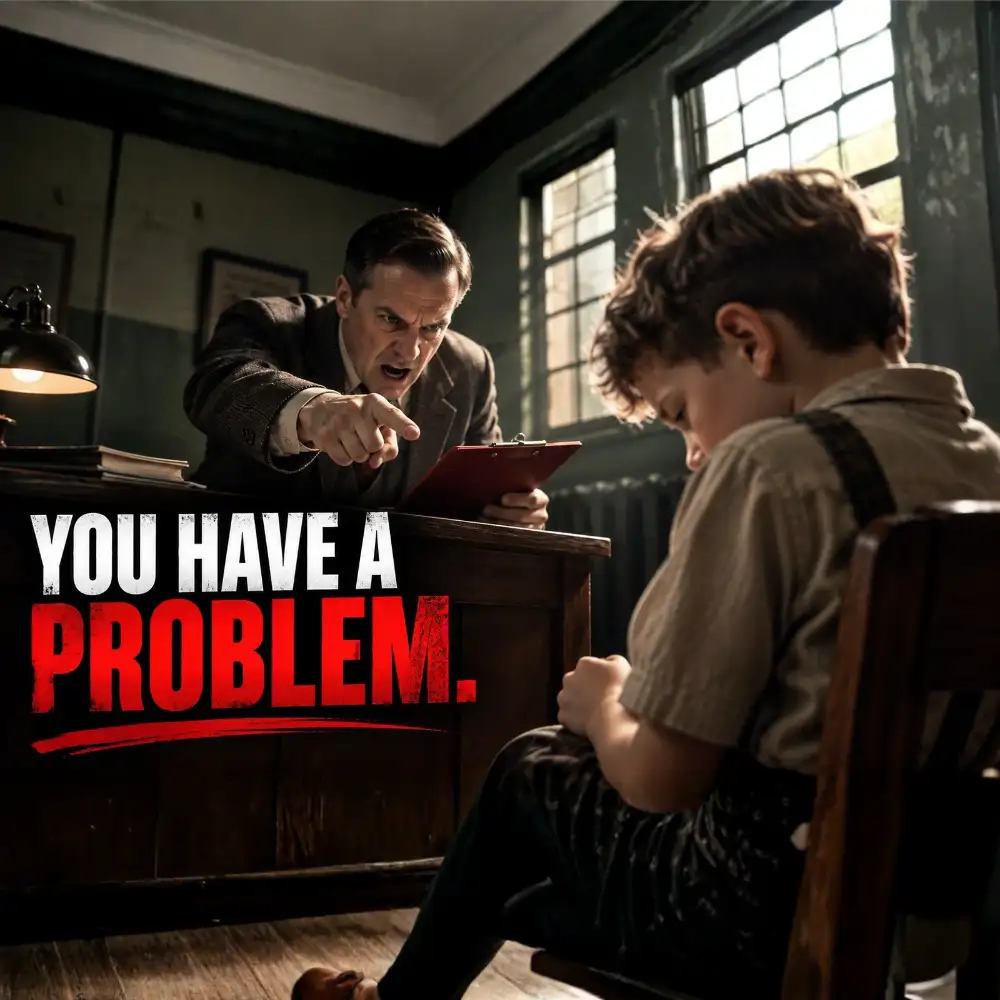
The core of the experiment involved the researchers interacting with the children in highly negative ways. The “normal” children, those with fluent speech, were told that they were exhibiting signs of stuttering and were often ridiculed and criticized for their speech. They were told they were developing a severe stutter and that their speech was problematic. This constant barrage of negative reinforcement and labeling was designed to create self-consciousness and anxiety around their natural speech patterns. The documentary features harrowing accounts from survivors who recall the persistent criticism and the feeling of being inadequate.
The children in the stuttering group, while already struggling, were subjected to similar negative feedback, further reinforcing their anxieties and potentially exacerbating their existing speech difficulties. The documentary underscores the deliberate nature of this psychological torment. The researchers were not attempting to help; they were attempting to prove a theory, regardless of the emotional damage inflicted. The archival notes and personal testimonies reveal a chilling detachment from the human cost of their scientific inquiry.
The Devastating Aftermath: Scarred for Life
The Indelible Scars of the Monster Study
The long-term consequences of the Monster Study were devastating and, in many cases, irreversible. The children who were told they were stutterers, even those with previously fluent speech, began to develop genuine speech impediments. The constant fear, anxiety, and self-consciousness instilled by the researchers created a self-fulfilling prophecy. They became so aware of their speech, so afraid of making a mistake, that their fluency faltered. The documentary presents poignant interviews with elderly survivors who, decades later, still struggle with stuttering and the profound emotional pain associated with the experiment.
Loss of Confidence and Social Isolation
Beyond the speech impediments, the Monster Study inflicted deep psychological wounds. The children’s confidence was shattered. The constant criticism and labeling led to feelings of shame, inadequacy, and worthlessness. Many of the survivors recounted social isolation, finding it difficult to communicate with others and withdrawing from social interactions. The joy of childhood was replaced by fear and a pervasive sense of being fundamentally flawed. The documentary effectively conveys the stolen innocence and the profound sense of betrayal felt by these children, who were meant to be nurtured and protected.
Unfulfilled Potential and Lingering Trauma
The negative impact of the Monster Study extended to the children’s potential for future success. The speech difficulties and the associated psychological trauma created significant barriers to education, employment, and personal relationships. Many survivors spoke of dreams unfulfilled and opportunities lost due to the lingering effects of the experiment. The documentary highlights the tragic irony that a study aimed at understanding and potentially curing a speech impediment ultimately created more severe and lasting problems for its participants. The trauma was not just about stuttering; it was about the violation of trust and the deliberate infliction of psychological harm.
Ethical Breaches and Scientific Reckoning

The Absence of Informed Consent and Ethical Oversight
One of the most egregious aspects of the Monster Study, as highlighted by the documentary, is the complete lack of informed consent from the participants, or any guardian on their behalf. In an era where ethical guidelines for research were far less developed, the researchers proceeded with their experiment without any regard for the autonomy or well-being of the children. The documentary questions how such an experiment could have been allowed to proceed, underscoring the critical need for robust ethical review boards and a deep commitment to the principles of human subject protection. The children were voiceless and powerless, making their exploitation all the more chilling.
The Delayed Recognition and Apology
The full extent of the Monster Study’s cruelty was not widely recognized until decades later, when the survivors began to speak out and their stories gained traction. The documentary details the slow and arduous process of acknowledgment and accountability. For a long time, the experiment was a hushed-up secret, a dark chapter in the history of speech pathology. The film celebrates the courage of the survivors in coming forward and demanding recognition for the harm they endured. The documentary also explores the eventual apologies offered by institutions and individuals, though it questions whether an apology can ever truly compensate for the lifelong suffering caused.
Lessons Learned: The Evolution of Ethical Research
The Monster Study serves as a stark and enduring cautionary tale in the history of scientific research. The documentary uses this case to illustrate the critical importance of ethical considerations in all research, particularly when involving vulnerable populations. It emphasizes the need for rigorous oversight, a commitment to participant welfare, and a constant re-evaluation of research methodologies to ensure they align with contemporary ethical standards. The film advocates for a culture of transparency and accountability within the scientific community, where the pursuit of knowledge never supersedes the fundamental rights and dignity of individuals.
The Monster Study documentary sheds light on the controversial stuttering experiment conducted on orphaned children in the 1930s, raising important ethical questions about psychological research. For those interested in exploring the broader implications of such studies, a related article discusses the impact of unethical practices in psychology and the lessons learned from past mistakes. You can read more about it in this insightful piece on the subject, which can be found here.
The Legacy of the Monster Study
| Metric | Details |
|---|---|
| Title | Monster Study |
| Type | Documentary / True Story |
| Subject | Psychological Experiment on Stuttering |
| Year of Experiment | 1939 |
| Location | University of Iowa |
| Lead Researcher | Dr. Wendell Johnson |
| Number of Child Participants | 22 Orphaned Children |
| Experiment Duration | Several Weeks |
| Purpose | To study the effects of positive and negative speech therapy on stuttering |
| Outcome | Negative therapy caused some children to develop stuttering |
| Ethical Controversy | Experiment considered unethical due to psychological harm |
| Documentary Release Year | Varies (multiple documentaries exist) |
A Permanent Mark on the Lives of Survivors
The Monster Study has left an indelible mark on the lives of the children who were subjected to its cruel
They Told Healthy Children Something Was Wrong With Their Speech
FAQs
What is the Monster Study documentary about?
The Monster Study documentary is about a controversial speech therapy experiment conducted on children in 1939 to study the effects of negative speech therapy on their speech development.
Is the Monster Study documentary based on a true story?
Yes, the Monster Study documentary is based on a true story. The experiment was conducted by Wendell Johnson and Mary Tudor at the University of Iowa.
What were the findings of the Monster Study experiment?
The Monster Study experiment found that children who were subjected to negative speech therapy, being told they had speech problems when they did not, experienced negative psychological effects and developed speech issues.
What was the impact of the Monster Study experiment on the children involved?
The children involved in the Monster Study experiment experienced lasting psychological trauma, including feelings of self-doubt and speech difficulties that persisted into adulthood.
Is the Monster Study experiment considered unethical?
Yes, the Monster Study experiment is widely considered unethical due to the psychological harm inflicted on the children involved and the breach of ethical standards in research.