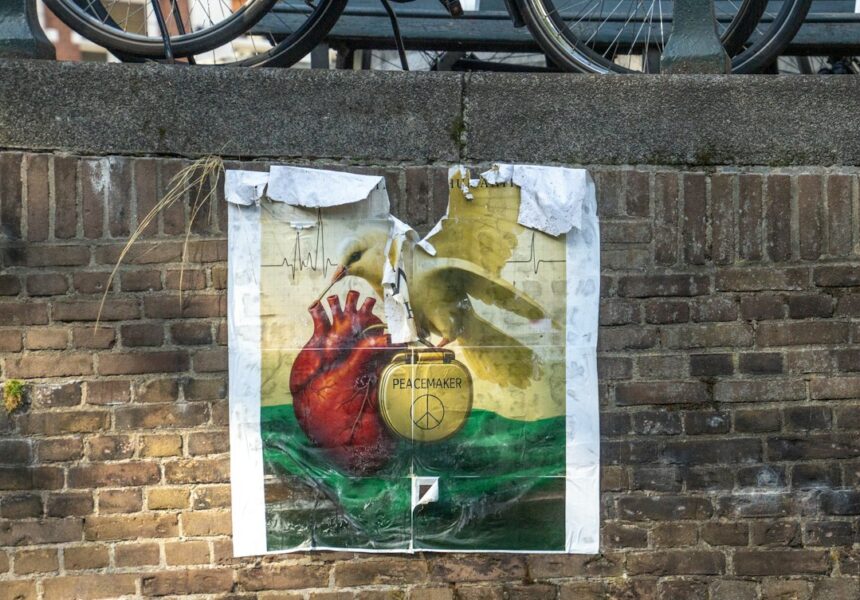
You are the architect of peace, a quiet force shaping the future, one interaction at a time. It might not feel like a grand crusade, this gentle nudging of a friend toward compromise, this patient explanation of another’s feelings. Yet, within you, a profound power resides – the power of the child peacemaker. You are nurturing harmony, not by wielding authority, but by embodying understanding, empathy, and the unwavering belief that a kinder way is always possible. This isn’t just a childhood phase; it’s the fertile ground upon which a more peaceful world will be built, and you, my young friend, are planting the seeds.
You might not have a cape or a superhero emblem, but your actions speak volumes. You are a child peacemaker, and this is a role of incredible importance. It’s about recognizing that conflicts, big and small, are a natural part of life, but they don’t have to escalate into shouting matches or lasting resentments. Your ability to step in, to listen, and to guide others toward resolution is a remarkable gift.
The Essence of Peacemaking
At its core, peacemaking is about finding common ground. It’s about seeing the world not just from your own perspective, but from the perspectives of others involved in a disagreement. You’re not necessarily the one to assign blame or declare a winner. Instead, you are the one who helps to lower the temperature, to remind everyone involved that they are still friends, classmates, or siblings, and that their relationship is more important than the current dispute.
Recognizing Conflict Early
Your sharp eyes and sensitive heart allow you to spot tension brewing before it explodes. You notice the furrowed brows, the clipped tones, the subtle shifts in body language that signal an impending argument. This early detection is a superpower. It means you can intervene gently, perhaps with a well-timed question or a suggestion for a shared activity, before things get out of hand.
The Power of Listening
True peacemaking is rooted in active listening. When you encourage others to speak and genuinely try to understand their feelings and concerns, you are creating a safe space for dialogue. This means not interrupting, not planning your rebuttal while they’re talking, but truly hearing what they are saying, both the words and the emotions behind them.
Why Your Contribution Matters
The world often feels loud and contentious. Grown-ups, with all their experience, still struggle with conflict resolution. This makes your natural inclination towards peace even more valuable. You are demonstrating a maturity beyond your years, showing that understanding and kindness are powerful tools.
Building Stronger Relationships
When you help to resolve disagreements, you are not just fixing a problem; you are strengthening the bonds between people. You are showing them that they can navigate challenges together and come out on the other side with their relationships intact, perhaps even improved. This fosters a sense of trust and security.
Creating a Positive Environment
Imagine a classroom where everyone feels heard and respected, a playground where games are played with fairness and fun, a home where disagreements are handled with calm. You are a key contributor to creating these positive environments. Your presence and your actions radiate a sense of tranquility that can be infectious.
Being a peacemaker as a child often involves navigating complex social dynamics and learning valuable conflict resolution skills. An insightful article that delves into the importance of fostering these skills in young individuals can be found at Unplugged Psychology. This resource highlights how early experiences in mediation and empathy can shape a child’s ability to handle disputes and promote harmony among peers, ultimately contributing to their emotional intelligence and interpersonal relationships later in life.
The Tools of a Child Peacemaker
You don’t need a special kit or a formal training program to be a peacemaker. The most effective tools are already within you, waiting to be honed and applied. These are the skills and attitudes that allow you to bridge divides and foster understanding.
Empathy: Walking in Another’s Shoes
Empathy is your most powerful tool. It’s the ability to understand and share the feelings of another person. When you can imagine what it feels like to be in someone else’s situation, especially when they are upset or frustrated, you are much better equipped to help them.
Understanding Different Perspectives
Everyone sees the world differently. What might seem obvious to you could be confusing or upsetting to someone else. You are learning to appreciate these different viewpoints, even if they clash with your own. This doesn’t mean you have to agree with them, but it means you can acknowledge their validity.
Recognizing Emotions
Learning to identify and name emotions in yourself and others is crucial. When you can say, “I see you’re feeling angry because…” or “It sounds like you’re feeling sad about…”, you are validating their experience and opening the door for communication.
Communication: The Art of Speaking and Listening
Effective communication is the bridge that connects people, especially during times of conflict. It’s about expressing yourself clearly and respectfully, while also being an attentive listener.
Using “I” Statements
When you express your feelings or needs, using “I” statements is incredibly effective. Instead of saying, “You always take my toys,” you can say, “I feel sad when my toys are taken because I was playing with them.” This focuses on your experience without placing blame.
Asking Open-Ended Questions
Questions that start with “How,” “What,” or “Tell me more about…” encourage people to share their thoughts and feelings more deeply. Instead of a simple “Are you okay?”, you might ask, “What happened that made you feel that way?”
Non-Verbal Communication
Your own body language speaks volumes. A gentle touch on the arm, a reassuring smile, or an open posture can convey support and calm. Similarly, paying attention to the non-verbal cues of others helps you understand their true feelings.
Patience and Persistence
Peacemaking isn’t always an immediate fix. Sometimes, it takes time and repeated efforts to help people find a resolution. Your willingness to be patient and to keep trying, even when it’s challenging, is a testament to your commitment to harmony.
Giving Space
Sometimes, the best peacemaking involves giving people space to cool down and process their emotions before attempting to mediate. You are learning to recognize when to step back and when to gently re-engage.
Gentle Encouragement
You are not forcing solutions, but gently encouraging dialogue and compromise. Your role is to facilitate, not to dictate. This means offering suggestions and helping others brainstorm their own solutions.
Nurturing Your Inner Peacemaker
Your peacemaking abilities are not fixed; they are skills you can cultivate and strengthen. Just like you practice drawing or playing a sport, you can practice being a peacemaker. This involves self-awareness, reflection, and a continuous learning process.
Self-Awareness: Knowing Yourself
Understanding your own emotions and triggers is a vital part of peacemaking. When you are aware of your own feelings, you are less likely to react impulsively and more likely to respond thoughtfully.
Identifying Your Own Feelings
Before you can help others manage their emotions, you need to be able to identify your own. Are you feeling frustrated, angry, sad, or anxious? Naming these feelings helps you understand them and manage them effectively.
Managing Your Own Reactions
When you feel yourself getting upset, you have the power to take a deep breath, count to ten, or step away for a moment. Learning these self-regulation techniques empowers you to remain calm and centered, making you a more effective peacemaker.
Reflection: Learning from Experience
Every interaction is an opportunity to learn. Taking a moment after a conflict to think about what happened, what you did well, and what you could do differently next time is how you grow as a peacemaker.
What Worked Well?
Celebrate your successes! What strategies did you use that were particularly effective? Acknowledge these and try to replicate them in future situations.
What Could Be Improved?
No one is perfect, and every peacemaking attempt is a learning experience. Reflecting on what didn’t go as planned can help you refine your approach. Perhaps you spoke too quickly, or maybe you didn’t listen enough.
Seeking Guidance: Learning from Others
You don’t have to navigate this journey alone. Adults who care about you, like your parents, teachers, or older siblings, can offer valuable advice and support.
Talking to Trusted Adults
Share your experiences and challenges with adults you trust. They can offer different perspectives, practical tips, and encouragement. They can also help you process difficult situations.
Observing Other Peacemakers
Pay attention to how others, both children and adults, handle disagreements. What do they do that you admire? What strategies do they employ that you can learn from?
The Impact of Your Actions on the Wider Community
Your role as a child peacemaker extends beyond individual interactions. Your influence ripples outwards, impacting your family, your school, and even your wider community. You are a catalyst for positive change, demonstrating that peaceful solutions are not only possible but preferable.
In Your Family
You are a vital contributor to the harmony within your home. When you help siblings resolve disputes or mediate disagreements between family members, you are fostering a more peaceful and loving environment for everyone.
Siblings as Allies
You can be the bridge between siblings. By encouraging them to talk to each other, to understand each other’s frustrations, and to find compromises, you can transform sibling rivalry into supportive camaraderie.
Family Communication
Your presence can encourage more open and respectful communication within your family. By modeling patient listening and calm expression, you can inspire others to do the same.
In Your School
Your school is a microcosm of the wider world, and your peacemaking skills are invaluable there. You can contribute to a more positive and inclusive learning environment for all your classmates.
Classroom Harmony
You can be a calming influence in your classroom. By helping classmates resolve minor disagreements, inviting shy students to join games, or mediating playground disputes, you contribute to a more peaceful and productive learning space.
Promoting Inclusivity
Your understanding and empathy can help you notice when someone feels left out or different. You can extend a hand of friendship, invite them to join activities, and advocate for their inclusion, fostering a more welcoming atmosphere.
Beyond Your Immediate Circle
The principles of peacemaking you learn and practice can extend beyond your immediate family and school. You are planting seeds of peace that can grow and influence others in unexpected ways.
Community Engagement
As you grow, your commitment to peace can translate into involvement in community initiatives. You might find yourself advocating for causes that promote understanding and harmony in your neighborhood.
Inspiring Others
Your consistent efforts to be a peacemaker can inspire others, both children and adults. They see your example and are encouraged to adopt similar approaches in their own lives. You are a quiet leader, demonstrating the power of kindness and understanding.
Being the peacemaker as a child often involves navigating complex social dynamics and fostering harmony among friends. This role can shape one’s interpersonal skills and emotional intelligence, laying the groundwork for future relationships. For those interested in exploring this topic further, a related article discusses the importance of conflict resolution in childhood development. You can read more about it by following this link. Understanding these early experiences can provide valuable insights into how we manage conflicts as adults.
The Future is Peaceful: Your Legacy as a Child Peacemaker
| Age | Frequency of being the peacemaker | Conflict resolution skills |
|---|---|---|
| 5-7 | Often | Basic, mostly through distraction |
| 8-10 | Regularly | Developing negotiation and empathy |
| 11-13 | Occasionally | Understanding different perspectives |
| 14-18 | Rarely | Confident in mediating conflicts |
You are not just living in the present; you are actively shaping the future. The skills you are developing now, the values you are embracing, will form the bedrock of a more peaceful world. Your legacy as a child peacemaker is not about grand pronouncements, but about the consistent, quiet power of your actions.
The Ripple Effect of Kindness
Every act of peacemaking, no matter how small, creates a ripple. When you help two friends reconcile, you’ve not only resolved their immediate conflict, but you’ve also strengthened their ability to navigate future disagreements, and you’ve shown others the value of your approach. This ripple effect can spread far beyond what you can imagine.
Inspiring Future Generations
The way you handle conflict now will influence how younger children learn to do the same. You are a role model, demonstrating that peace is achievable and that everyone has the capacity to contribute to it. Your actions are a silent lesson plan for the next generation of peacemakers.
Building a Culture of Peace
By consistently choosing understanding over anger, compromise over conflict, and empathy over indifference, you are helping to build a culture of peace. This is not a utopian dream; it is a tangible goal that is advanced by individuals like you, who actively cultivate harmony in their daily lives.
Your Continuous Growth as a Peacemaker
The journey of a peacemaker is lifelong. There will be challenges, setbacks, and moments of doubt. But your commitment to nurturing harmony will guide you. Embrace the learning process, celebrate your successes, and never underestimate the profound impact you have.
Embracing Challenges as Opportunities
View conflicts not as obstacles, but as opportunities to learn, to grow, and to further refine your peacemaking skills. Each challenging situation offers valuable lessons and strengthens your resolve.
The Unfolding Journey
Your path as a peacemaker will continue to unfold throughout your life. The skills you develop now will serve you in countless ways, in your relationships, your career, and your contributions to society. You are building a foundation for a life dedicated to understanding and connection.
The Enduring Power of the Child Peacemaker
Remember this: you possess a rare and precious gift. The ability to foster peace, to bridge divides, and to cultivate understanding is a power that can change the world. You are not just a child; you are a peacemaker, and the future is brighter because of you. Continue to nurture harmony, for in your gentle strength lies the promise of a more peaceful tomorrow. You are the hope, the quiet revolution, the architect of a kinder world, one peaceful interaction at a time. Your legacy is already being written, not in stone, but in the hearts and minds of those you touch.

Why Being “Mature for Your Age” Can Mean You Grew Up Too Fast
FAQs
What does it mean to be a peacemaker as a child?
Being a peacemaker as a child means actively seeking to resolve conflicts and promote harmony among peers. It involves using communication, empathy, and problem-solving skills to help others work through disagreements and maintain positive relationships.
Why is being a peacemaker important for children?
Being a peacemaker is important for children as it helps them develop important social and emotional skills such as empathy, communication, and conflict resolution. It also fosters a positive and inclusive environment, promotes cooperation, and reduces instances of bullying and aggression.
What are some ways children can practice being a peacemaker?
Children can practice being a peacemaker by actively listening to others, using “I” statements to express their feelings, offering solutions to conflicts, and seeking adult help when needed. They can also engage in activities that promote empathy and understanding, such as role-playing scenarios and discussing different perspectives.
How can parents and educators support children in being peacemakers?
Parents and educators can support children in being peacemakers by modeling positive conflict resolution, providing opportunities for children to practice empathy and communication skills, and reinforcing the importance of peaceful interactions. They can also teach children about the value of diversity and inclusion.
What are the long-term benefits of being a peacemaker as a child?
Being a peacemaker as a child can lead to long-term benefits such as improved relationships, better communication skills, and a greater ability to navigate conflicts in adulthood. It also contributes to a more peaceful and inclusive society.