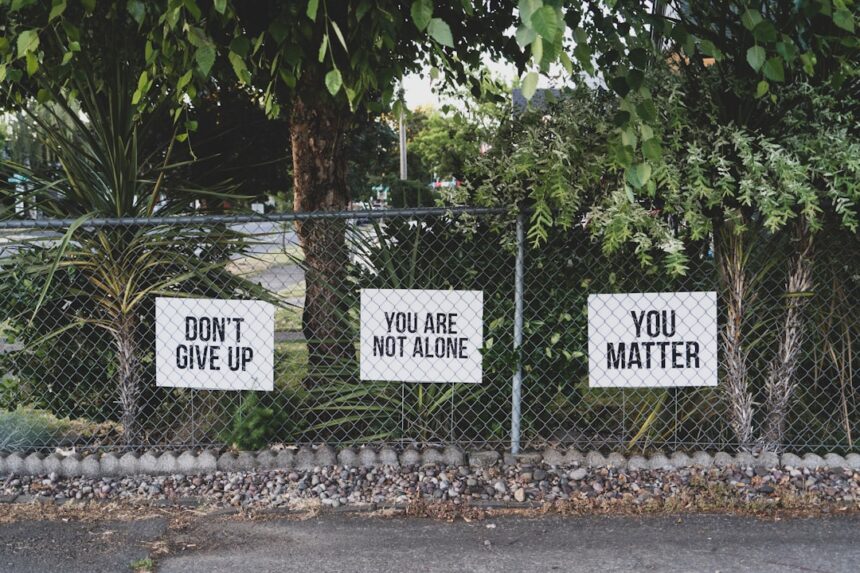
You stand at the edge, a precipice of your own making. Around you, a vibrant, intricate garden flourishes, bursting with life and color. This is your inner landscape, the sanctuary where your thoughts, feelings, and needs reside. But lately, you’ve noticed something unsettling. The fences, once sturdy and clearly defined, have begun to sag, their posts eroded, their gates left ajar. You’ve been letting people wander in, not just to admire the blossoms, but to trample through the flowerbeds, to help themselves to your ripening fruit, and often, to leave behind a trail of discarded expectations. You’ve been abandoning your boundaries.
This isn’t a passive act. It’s a silent surrender, a slow erosion of self-respect. You might recognize the pattern: the feeling of being overwhelmed, the gnawing resentment, the exhaustion that settles deep into your bones. You’re likely thinking, “How did I get here? How did I let myself become so porous?” The good news is, this isn’t a permanent state. You possess the inherent ability to rebuild, to reinforce, and to reclaim the power that comes with knowing and honoring your own limits. This is about reclaiming your power, about stopping the quiet sabotage of abandoning your boundaries.
Your boundaries aren’t arbitrary rules you impose on others; they are declarations of your own value and integrity. They are the invisible lines that define what is acceptable and unacceptable behavior towards you. When you abandon them, you’re not just being “nice” or “flexible”; you’re sending a subconscious message that your own needs and comfort are secondary. It’s time to tune into the subtle, and sometimes not-so-subtle, signals that your boundaries are being crossed and that you’re starting to feel the strain.
The Erosion of Self-Worth Through Constant Giving
You’ve likely been conditioned, perhaps from childhood, to believe that your worth is directly tied to your ability to please others, to be agreeable, to never say no. This conditioning creates a fertile ground for boundary abandonment. Every time you prioritize someone else’s comfort over your own, every time you agree to something you genuinely don’t have the time or energy for, you chip away at your own sense of self-worth. You begin to believe that your true value lies in your usefulness to others, rather than in your inherent being.
The “People-Pleaser” Syndrome: A Deep-Rooted Habit
You might find yourself nodding vigorously when you hear the term “people-pleaser.” This isn’t just a personality quirk; it’s a coping mechanism, often developed in response to early experiences where your emotional needs were met only when you were compliant or helpful. You learned to anticipate the needs of others, to stifle your own desires, and to seek validation through external approval. This makes saying “no” feel like a personal failure, an act of rebellion that could lead to rejection or disapproval.
The Fear of Conflict and Discomfort
Let’s be honest: setting boundaries can be uncomfortable. It can involve awkward conversations, the potential for disappointment in others, and even outright conflict. For many, the avoidance of this discomfort becomes a powerful motivator for abandoning boundaries. You might rationalize your compliance by thinking, “It’s just easier this way,” or “It’s not worth the hassle.” However, this short-term relief comes at the long-term cost of your own well-being.
Recognizing the Signs of Boundary Overreach
The feeling of being overwhelmed is a classic red flag. It’s the internal alarm system telling you that you’ve allowed too much in, that your capacity is overflowing. This can manifest in various ways, from feeling drained and resentful to experiencing physical symptoms like headaches or fatigue. It’s your body and mind’s way of screaming, “Enough!”
The Constant Feeling of Exhaustion and Resentment
Do you find yourself perpetually tired, even after a good night’s sleep? Is there a simmering resentment beneath the surface when you interact with certain people or find yourself in specific situations? These are potent indicators that your boundaries have been breached. You’re giving more than you’re receiving, and the imbalance is creating an unsustainable drain on your energy and emotional reserves.
The Erosion of Joy and Enthusiasm
When you’re constantly catering to others’ needs and desires, your own passions and interests often get sidelined. You might notice a dulling of your enthusiasm for activities you once loved, a general lack of spark in your daily life. This happens because your energy is being diverted elsewhere, leaving little for your own personal fulfillment. Your inner garden, once vibrant, begins to look parched and neglected.
The Feeling of Being Taken Advantage Of
This is a particularly painful sign. When you consistently allow your boundaries to be crossed, you inadvertently teach people that it’s okay to take from you. You might feel like a doormat, someone who is consistently expected to give without receiving. This sense of being exploited can lead to deep feelings of hurt, anger, and disillusionment.
If you’re struggling with maintaining your boundaries and often find yourself abandoning them, you might find it helpful to explore related strategies in the article available at Unplugged Psych. This resource offers valuable insights on how to assert your needs effectively and cultivate healthier relationships, making it easier to stand firm in your personal limits.
Rebuilding Your Inner Walls: The Art of Defining Your Limits
The first step in reclaiming your power is to actively and intentionally define what your boundaries are. This isn’t about creating a rigid fortress, but rather about establishing clear guidelines that protect your well-being and ensure that your interactions are healthy and respectful. It’s about understanding your own needs and values and communicating them effectively.
Identifying Your Core Values and Needs
Before you can set boundaries, you need to know what you’re protecting. What is truly important to you? What are your non-negotiables when it comes to how you are treated? This introspection is crucial for establishing boundaries that are authentic and sustainable.
What Matters Most: Uncovering Your Non-Negotiables
Take some time to reflect on your core values. Are you someone who values honesty, respect, kindness, creativity, or peace? Once you’ve identified these, consider how those values translate into your daily life and interactions. For example, if respect is a core value, then being spoken to disrespectfully is a clear boundary violation.
Understanding Your Emotional and Energetic Capacity
Be honest about your limits. How much time and energy do you realistically have to give? What kind of interactions drain you, and which ones energize you? Understanding your capacity is not about being selfish; it’s about being realistic and responsible with your resources. You can’t pour from an empty cup.
Crafting Clear and Specific Boundary Statements
Vague boundaries are easily ignored. The more specific you can be, the easier it will be for yourself and others to understand and respect them. Think of them as clear directives rather than vague suggestions.
The Power of “I” Statements: Owning Your Experience
When you express a boundary, use “I” statements. This focuses on your feelings and needs rather than blaming the other person. For example, instead of saying, “You always interrupt me,” you can say, “I feel unheard when I’m interrupted.” This is less confrontational and more effective in communicating your experience.
Setting Time and Energy Boundaries: Protecting Your Resources
This is a critical area for many. You might need to set boundaries around how much time you’re willing to spend on certain tasks or with certain people. This could mean saying “no” to extra projects at work, limiting the duration of social gatherings, or establishing “do not disturb” times for yourself.
Emotional and Psychological Boundaries: Safeguarding Your Inner World
These boundaries are about protecting your emotional and mental space. This could involve not engaging in gossip, refusing to tolerate abusive language, or setting limits on how much emotional labor you’re willing to do for others. It’s about recognizing that your emotional well-being is paramount.
The Art of Saying “No”: A Skill Worth Mastering

The word “no” is a powerful tool, yet it’s often the one we are most afraid to wield. Learning to say “no” gracefully and assertively is fundamental to boundary setting. It’s not about being difficult; it’s about making conscious choices that align with your well-being.
Embracing “No” as an Act of Self-Respect
View saying “no” not as a rejection of others, but as an affirmation of yourself. It’s a declaration that your time, energy, and emotional resources are valuable and will be allocated intentionally. Each “no” to something that doesn’t serve you is a “yes” to your own needs and well-being.
The “No” That Creates Space for “Yes”
When you say “no” to things that drain you or don’t align with your priorities, you create space for the “yes” – the “yes” to opportunities that truly matter, the “yes” to self-care, the “yes” to fulfilling relationships. Your capacity is finite, and prioritizing wisely ensures that you can enthusiastically say “yes” to what truly nourishes you.
Ditching the Guilt: Understanding the Nuance of “No”
It’s common to feel guilt when you say “no,” especially if you’re accustomed to people-pleasing. Remind yourself that you are not responsible for other people’s disappointment or their reactions to your boundaries. Your responsibility is to yourself.
Strategies for Graceful Declination
Saying “no” doesn’t have to be harsh or abrupt. There are many ways to decline requests while maintaining a respectful and compassionate tone.
The “No, Thank You” and the “Not Right Now”
Sometimes, a simple and direct “no, thank you” is all that’s needed. If the timing is the issue, a polite “not right now” with a potential suggestion for a future time, if you’re open to it, can be effective.
Offering Alternatives (When Appropriate and Desired)
If you genuinely want to help but cannot fulfill the specific request, you can offer an alternative. For example, “I can’t take on that entire project, but I can help you with X part of it.” Only do this if you are willing and able to follow through.
The Power of Silence: Sometimes No Words Are Needed
In some situations, especially when someone is pushing your boundaries repeatedly, a simple silence or a polite but firm change of subject can communicate your unwillingness to engage.
The Power of Consistency: Reinforcing Your Boundaries

Setting boundaries is not a one-time event. It’s an ongoing practice that requires vigilance and consistency. The world will test your boundaries, and your response to those tests will determine their strength.
The Importance of Follow-Through
When you set a boundary, you must be prepared to enforce it. If you say you’re going to limit phone calls after a certain hour, and then you answer the phone after that hour, you’ve sent a mixed message. Consistency is key to teaching others that your boundaries are real and will be upheld.
Addressing Boundary Violations Directly and Calmly
When your boundaries are crossed, address it. This doesn’t mean escalating into an argument, but rather calmly and clearly reiterating your boundary. For example, “As we discussed, I’m not available for work calls after 6 PM.”
The “Repair Attempt” and Learning from Missteps
Everyone makes mistakes, including you. If you find yourself slipping and abandoning a boundary, don’t beat yourself up. Acknowledge it, learn from it, and then recommit to your boundary. You can even have a “repair attempt” with the person involved to re-establish the understanding.
Cultivating a Supportive Environment
Surrounding yourself with people who respect your boundaries is crucial. Conversely, recognizing when certain relationships are consistently detrimental to your boundary-setting efforts is also important.
Surrounding Yourself with Boundary-Respecting Individuals
Seek out friendships and relationships where mutual respect and understanding are the norm. These individuals will not only honor your boundaries but will also encourage you to set and maintain them.
Recognizing and Detaching from Boundary-Undermining Relationships
If you find yourself in relationships where your boundaries are consistently ignored or challenged, it might be time to re-evaluate the nature of those connections. This doesn’t always mean ending relationships, but it might mean creating distance or setting new expectations.
Establishing and maintaining personal boundaries is crucial for emotional well-being, yet many individuals struggle with this aspect of their lives. If you find yourself frequently abandoning your boundaries, you might benefit from exploring strategies to reinforce them. A helpful resource on this topic can be found in a related article that offers practical tips and insights. You can read more about it here, where you’ll discover effective methods to strengthen your boundaries and enhance your relationships.
Embracing the Freedom of Boundaries: The Rewards of Reclaimed Power
| Boundary | Reason for Abandoning | Strategy to Stop Abandoning |
|---|---|---|
| Personal time | Feeling guilty for taking time for yourself | Remind yourself that self-care is important for overall well-being |
| Workload | Feeling pressured to take on more tasks than you can handle | Learn to say no and prioritize tasks effectively |
| Emotional boundaries | Fear of conflict or rejection | Practice assertiveness and communicate your needs clearly |
Reclaiming your power through boundary setting isn’t about becoming rigid or unloving. It’s about creating a healthier, more authentic, and ultimately more fulfilling way of living and relating to others. It’s about stepping back into the driver’s seat of your own life.
Experiencing a Deeper Sense of Self-Respect and Agency
As you consistently honor your boundaries, you’ll notice a profound shift within yourself. Your self-respect will deepen, and you’ll feel a greater sense of agency over your own life. You are no longer at the mercy of others’ whims or expectations.
The Joy of Authentic Connection: Free from Obligation
When your relationships are built on clearly defined boundaries, they become more genuine and less driven by obligation. You can engage with others from a place of true willingness and choice, leading to more fulfilling and authentic connections.
The Renewed Energy for Pursuing Your Passions
With your energy no longer being depleted by constantly defending against boundary violations, you’ll have more energy and mental space to pursue your passions, your goals, and your own personal growth. Your inner garden will begin to flourish with renewed vigor.
The Transformative Impact on Your Relationships
Contrary to what you might fear, strong boundaries often lead to stronger and healthier relationships. When people know what to expect from you and what is acceptable, it fosters trust and mutual respect.
Building Trust Through Predictability and Respect
When you consistently uphold your boundaries, you build trust. Others learn that they can rely on your stated limits, and this predictability creates a sense of safety and security within your relationships.
The Shift from Obligation to Mutual Respect
Relationships that are built on healthy boundaries move away from a dynamic of obligation and toward one of mutual respect. Both parties feel valued and heard, leading to a more balanced and equitable connection.
You are not a doormat. You are a garden, intricate and precious, deserving of care and protection. The erosion of your boundaries has been a slow, often unintentional, act of self-neglect. But the power to rebuild, to reinforce, and to reclaim is within you. It starts with understanding, with defining, with the courageous act of saying “no,” and with the unwavering commitment to consistency. Step back from the precipice, and begin to tend to your inner landscape with the fierce love and respect it deserves. Reclaim your power, one boundary at a time.

You Think You’d Refuse. Milgram Shows How People Keep Going
FAQs
What are boundaries and why are they important?
Boundaries are guidelines, rules, or limits that a person creates to identify reasonable, safe, and permissible ways for other people to behave towards them and how they will respond when someone passes those limits. They are important for maintaining healthy relationships, self-respect, and emotional well-being.
What are some signs that indicate you are abandoning your boundaries?
Some signs that indicate you are abandoning your boundaries include feeling overwhelmed, resentful, or taken advantage of, saying yes when you really want to say no, feeling guilty for asserting your needs, and experiencing a lack of self-care or self-respect.
How can you stop abandoning your boundaries?
To stop abandoning your boundaries, it’s important to identify and communicate your needs clearly, practice self-awareness and self-compassion, learn to say no without feeling guilty, surround yourself with supportive and respectful people, and seek professional help if needed.
What are the benefits of maintaining healthy boundaries?
Maintaining healthy boundaries can lead to improved self-esteem, reduced stress and anxiety, better relationships, increased self-respect, and a greater sense of control over your own life.
What are some strategies for setting and enforcing boundaries?
Some strategies for setting and enforcing boundaries include identifying your limits, communicating your boundaries clearly and assertively, being consistent in enforcing your boundaries, seeking support from others, and practicing self-care and self-compassion.