You know those stories, don’t you? The ones that leave you hanging, the ones where the final chapter never quite arrives, or perhaps, where the final chapter is implied, whispered, and left for you to construct. They’re the unfinished symphonies of narrative, the tantalizing glimpses of worlds that might have been, or could still be. And the truly fascinating thing is their enduring power. These aren’t just forgotten fragments; they’re the tales that burrow deep into your consciousness, the ones you revisit in your mind, piecing together possibilities, yearning for resolutions that may never come. You’ve probably experienced this – a book that ends abruptly, a film that closes on a cliffhanger, a legend passed down with crucial details lost to time. Why do these incomplete narratives hold such a potent grip on you?
You’re drawn to them, aren’t you? Like a sailor to the alluring, yet dangerous, song of the sirens, these unfinished stories beckon. There’s an inherent, almost primal, fascination with the unknown, and unfinished narratives are the ultimate embodiment of that. They present a void, an empty space in the fabric of the story, and your mind, by its very nature, abhors a vacuum. It rushes to fill that emptiness, to construct bridges across the gaps, to imagine the possibilities that lie beyond the narrator’s final sentence.
The Brain’s Innate Need for Closure
Think about how your brain operates. It’s a magnificent pattern-recognition machine, constantly seeking to make sense of the world around you. This drive extends to narratives. You crave logical progression, cause and effect, and a satisfying conclusion. When a story denies you this closure, it creates a cognitive dissonance, a nagging sense of incompletion that your mind can’t easily dismiss. This discomfort, paradoxically, is what makes the story stick. It’s not a flaw; it’s a feature that engages your active participation.
The Thrill of the Uncharted
Imagine standing on the precipice of a vast, unexplored continent. The known world ends, and before you lies a realm of mystery and potential. Unfinished stories offer a similar thrill. They present you with the edges of a world, the hints of characters with untold depths, and the echoes of events that have yet to fully unfold. You become an explorer, venturing into the imagined landscapes, drawing your own maps, and populating them with your own interpretations. This active engagement is far more potent than passive consumption.
The Power of Suggestion
The authors or storytellers who leave narratives unfinished are often masters of suggestion. They don’t tell you everything; instead, they plant seeds of ideas, images, and emotions, allowing them to blossom in your own imagination. This subtle artistry is incredibly powerful because it feels personal. The story becomes not just the creator’s vision, but a co-creation between the storyteller and you, the listener or reader. This shared creative space fosters a deeper connection.
Unfinished stories often linger in our minds, creating a sense of unresolved tension that makes them harder to forget. This phenomenon can be explored further in the article found at Unplugged Psych, which discusses the psychological impact of incomplete narratives on our cognition and emotional well-being. The article delves into how our brains are wired to seek closure, making unfinished tales particularly memorable and difficult to shake off, as they leave us yearning for resolution.
You Become the Author of Your Own Ending
Perhaps the most compelling aspect of unfinished stories is the role they assign to you. You are no longer a passive recipient of a completed narrative; you are an active participant in its very creation. This is a powerful shift, a transference of agency that can be incredibly satisfying.
The Blank Canvas of Imagination
An unfinished story is akin to a blank canvas. The provided elements – characters, settings, plot fragments – are merely the initial brushstrokes. The rest is up to you. You decide what happens next. Do the lovers overcome their obstacles? Does the hero achieve their ultimate goal? Does the villain receive their just deserts? The beauty is that there’s no single “right” answer. Your imagination is the only limit.
Crafting Your Personal Resolution
This process of constructing your own ending is deeply personal. It reflects your own values, your hopes, your fears, and your understanding of human nature. The resolution you devise for an unfinished story becomes a projection of your inner world. This makes the story resonate with you on a much deeper, more intimate level than a pre-packaged conclusion ever could. You’re not just remembering a story; you’re remembering your version of the story.
The Freedom from Definitive Answers
Sometimes, the burden of a definitive ending can be exhausting. We live in a world that often demands neat conclusions, but life itself is rarely so tidy. Unfinished stories offer a welcome respite from this pressure. They allow for ambiguity, for lingering questions, and for the acceptance that not all things have clear-cut resolutions. This can be a cathartic experience, especially when dealing with complex or emotionally charged narratives.
The Lingering Questions and the Echoes of What Might Be

Unfinished stories are fertile ground for “what ifs.” They leave you pondering the alternate paths, the roads not taken, and the infinite possibilities that swirled around the narrative’s unresolved core. These questions don’t simply fade away; they linger, becoming a part of your mental landscape.
The Perpetual “What If?”
This is where the magic truly lies. The unresolved nature of these stories invites a constant stream of “what if?” scenarios. What if the protagonist had made a different choice at that crucial juncture? What if the mysterious character had revealed their true intentions? Your mind replays these moments, exploring different outcomes, and in doing so, the story becomes an ever-evolving entity within you.
The Empathy Amplified by Uncertainty
When you’re left to imagine the fates of characters, you often find yourself investing more deeply in their potential journeys. You project your own desires for their well-being, their success, or their peace onto them. This uncertainty can amplify your empathy. You feel the weight of their unwritten futures, and this shared burden strengthens your emotional connection.
The Seeds of New Stories
Sometimes, the power of an unfinished story isn’t just in its own lingering presence, but in the inspiration it sparks for new narratives. The unresolved elements might become the launching pad for your own creative endeavors. You might feel compelled to write your own continuation, to explore the backstory, or to craft an entirely new story inspired by the themes and characters that captured your imagination.
The Resonance of Unfulfilled Potential
There’s a melancholic beauty in the concept of unfulfilled potential, and unfinished stories often tap into this. They represent the road not taken, the promise that was not fully realized, and this can resonate with your own experiences of life’s own uncertainties and unfulfilled aspirations.
The Melancholy of the Unseen
The knowledge that there are aspects of a story you will never know, motivations you will never fully grasp, and conclusions you will never witness can evoke a sense of melancholy. This isn’t necessarily a negative feeling; it can be a poignant acknowledgment of the inherent limitations of experience, both within narratives and in life itself.
The Value of the Implied
Often, what is left unsaid is more powerful than what is explicitly stated. Unfinished stories excel at this. They rely on implication, on foreshadowing, and on the reader’s ability to infer meaning. This reliance on the implied grants the story a certain elegance and allows for a deeper, more nuanced engagement with its themes.
A Reflection of Life’s Own Ambiguities
Life rarely offers neat, tidy endings. There are always lingering questions, unresolved conflicts, and the gnawing awareness of unfulfilled potential. Unfinished stories, in their very nature, mirror this aspect of our existence. They offer a comfortable space to explore these ambiguities without the pressure of finding definitive answers.
Unfinished stories often linger in our minds, creating a sense of unresolved tension that makes them harder to forget. This phenomenon can be attributed to the psychological principle known as the Zeigarnik effect, which suggests that people remember incomplete tasks better than completed ones. For a deeper understanding of this concept and its implications, you can explore a related article that delves into the intricacies of unfinished narratives and their impact on our memory. You can find it here: related article. This exploration sheds light on why our brains seem to cling to these unfinished tales, making them a persistent presence in our thoughts.
The Lasting Imprint: Why They Stay With Us
| Reasons Unfinished Stories are Harder to Forget |
|---|
| 1. Curiosity: Unfinished stories leave us wanting to know the ending, making them more memorable. |
| 2. Emotional investment: When we invest time and emotions into a story, the unfinished nature lingers in our minds. |
| 3. Cognitive dissonance: Unresolved plotlines create a sense of discomfort, prompting us to remember them. |
| 4. Open loops: Unfinished stories create mental “open loops” that our brains seek to close, making them stick in our memory. |
So, why do these stories, these narrative fragments and tantalizing beginnings, possess such an enduring power over you? It’s a confluence of factors, a perfect storm of psychological engagement and artistic brilliance.
The Active Engagement Rewrites the Brain
When you actively engage with an unfinished story, you are essentially rewriting it within your own mind. This active mental process, this constant interplay of interpretation and imagination, creates stronger neural pathways. The story isn’t just passively received; it’s actively constructed, making it far more memorable and deeply ingrained in your consciousness.
The Emotional Investment is Unmatched
The emotional investment you make in constructing your own endings, in pondering the “what ifs,” and in empathizing with the characters’ uncertain futures is profound. This emotional depth is the bedrock of lasting memory. Stories that evoke strong emotions are the ones that tend to stick with us, and unfinished narratives, by their very nature, are potent emotional catalysts.
The Ongoing Conversation
An unfinished story doesn’t end; it transforms into an ongoing conversation with yourself. You revisit it, you ponder its possibilities, and you continue to engage with its themes. This sustained interaction ensures that the story remains relevant and present in your thoughts, long after you’ve encountered its final, incomplete moments. It becomes a companion, a wellspring of reflection, and a testament to the boundless power of the human imagination. You carry them with you, not as completed artifacts, but as living, breathing entities that continue to evolve within the theatre of your mind.
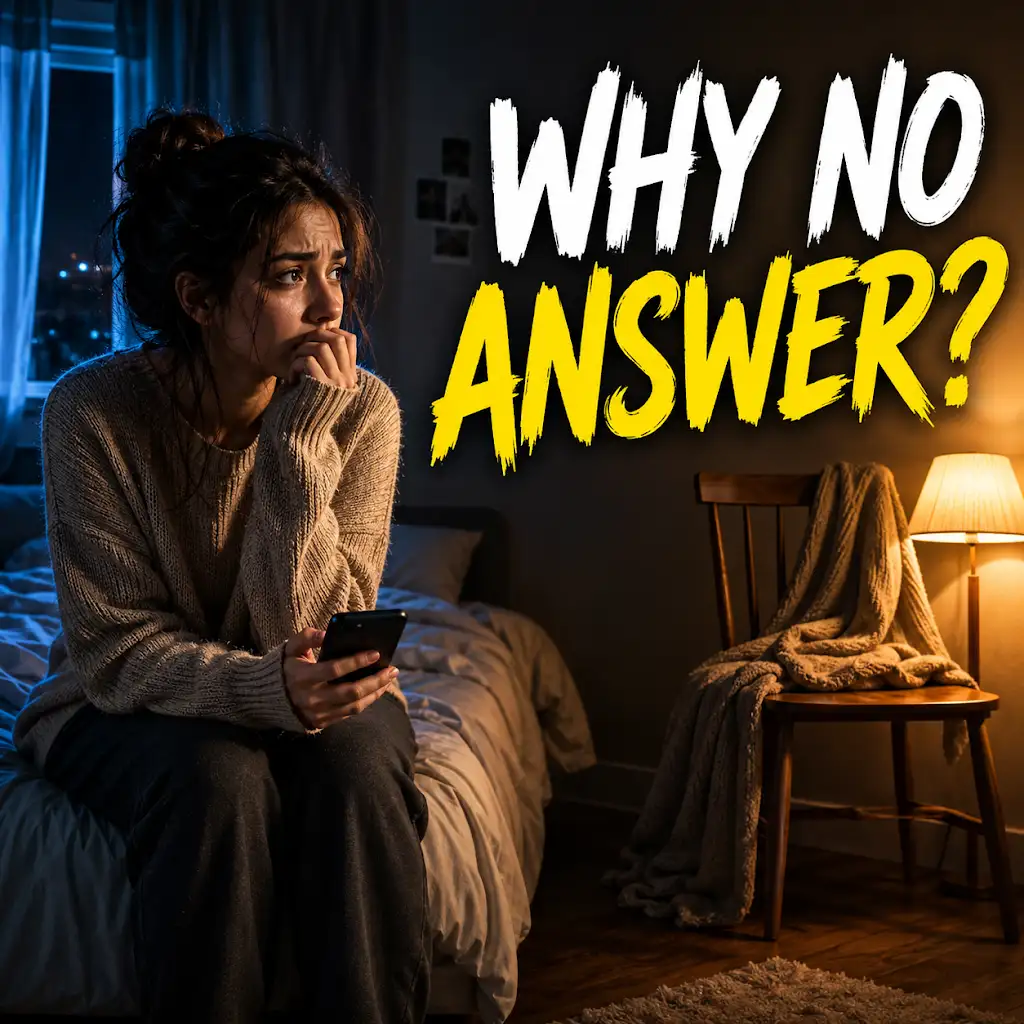
Why Your Brain Can’t Let Go When Someone Ignores You
FAQs
What makes unfinished stories harder to forget?
Unfinished stories are harder to forget because they leave the audience with a sense of curiosity and anticipation. The lack of closure can create a lingering feeling of incompleteness, making the story more memorable.
How does the brain process unfinished stories?
The brain tends to fixate on unresolved or incomplete information, as it seeks closure and resolution. Unfinished stories can trigger the brain’s natural tendency to fill in the gaps, leading to increased cognitive processing and retention.
Why do unfinished stories create a stronger emotional impact?
Unfinished stories often evoke a stronger emotional impact because they leave the audience in a state of emotional suspense. The unresolved tension and unanswered questions can lead to heightened emotional engagement and a deeper connection to the story.
What are some examples of unfinished stories in literature and media?
Examples of unfinished stories in literature and media include unresolved plotlines, cliffhangers, and open-ended conclusions. TV series that end on a cliffhanger or book series with unresolved conflicts are common examples of unfinished stories.
How can unfinished stories affect our memory and attention?
Unfinished stories can affect memory and attention by occupying a prominent place in the mind. The unresolved nature of the story can lead to persistent thoughts and increased attention, making it more difficult to forget.