
You know that feeling, don’t you? That hollow echo in your chest when something significant happens, and you just… don’t say anything. You swallow the words, bury the emotions, and let the silence become a heavy blanket. It’s a habit, a defense mechanism, a comfortable (though ultimately suffocating) refuge. You’ve perfected the art of saying nothing, of projecting an image of composure while inside, a storm rages or a wound festers. This is the power of silence, and you’re about to discover just how much it’s keeping you stuck.
You might believe that by not voicing your feelings, you’re somehow managing them. That by keeping things to yourself, you’re avoiding conflict or discomfort. But this is a profound illusion. Your emotions are not inert substances that simply vanish when ignored. Instead, they are energetic forces that, when denied an outlet, begin to accumulate, creating a growing internal pressure.
The Erosion of Your Inner Landscape
Imagine your emotional self as a garden. When you express your feelings, you’re essentially tending to this garden. You might weed out negativity, water the seeds of joy, or prune away unhealthy attachments. Silence, however, is like abandoning the garden altogether. Weeds of resentment and anxiety grow unchecked. The soil becomes depleted, unable to nourish the healthy plants of peace and contentment. Over time, your inner landscape becomes barren, a stark reflection of the unexpressed.
The Cost of Suppressed Expression
You might tell yourself that silence is easier. That the effort of articulating your needs or hurt is too great. But consider the long-term cost. Each unexpressed emotion becomes a tiny stone added to a heavy backpack you carry. The weight increases with every passing day, with every avoided conversation, with every swallowed tear. Eventually, this burden becomes so immense that it impedes your ability to move forward, to experience genuine joy, or to connect authentically with others. You feel bogged down, weighed down by the unspoken.
The Cycle of Internalization
When you habitually suppress your emotions, you begin to internalize them. You start to believe that these feelings are a reflection of your own inadequacy, rather than natural human responses to external circumstances. For example, if you feel angry about a situation but remain silent, you might start to think, “I shouldn’t be this angry. Something is wrong with me.” This internalization fuels a cycle of self-criticism and shame, further solidifying your emotional stuckness. You’re not just suppressing an emotion; you’re suppressing a part of yourself.
Silence can often serve as a barrier to emotional growth, leaving individuals feeling trapped in their own thoughts and feelings. In a thought-provoking article, the author explores how remaining silent about one’s emotions can lead to stagnation and unresolved issues. By not expressing feelings, individuals may inadvertently reinforce negative patterns and prevent healing. For more insights on this topic, you can read the article here: Unplugged Psych.
The Illusion of Control: Why Silence Doesn’t Mean Mastery
You might perceive your silence as a form of control. You’re controlling the narrative, preventing others from knowing your vulnerabilities, and therefore, you believe, controlling the situation. But this is a fragile and ultimately self-defeating form of control. True control comes from understanding and navigating your emotions, not from their suppression.
The Deceptive Appearance of Strength
In many cultures, silence is equated with strength and stoicism. You might have been conditioned to believe that crying, expressing fear, or admitting to confusion are signs of weakness. This conditioning leads you to believe that by remaining silent, you project an image of invincibility. However, this is a superficial strength. True strength lies in the courage to be vulnerable, to acknowledge your struggles, and to seek support. Your silence, in this context, is not strength; it’s a carefully constructed facade that prevents genuine connection and growth.
The Misinterpretation of Boundaries
You might use silence as a way to create distance, to protect yourself from perceived threats. You believe that by not engaging, you are setting a boundary. While healthy boundaries are crucial, silence as a boundary can be problematic. It often leaves the other person confused, hurt, or resentful, and it doesn’t address the underlying issue that necessitated the boundary in the first place. You’re not establishing a clear, communicative boundary; you’re simply withdrawing, leaving a void where understanding could have been.
The Bottleneck of Bottled-Up Feelings
When you’re constantly holding things in, you become a bottleneck for your own emotional flow. Imagine a river that is dammed. The water level rises behind the dam, creating immense pressure. Eventually, something has to give. Your suppressed emotions work similarly. They build up internally, and without a healthy release valve, they can manifest in destructive ways, such as outbursts of anger, anxiety, or even physical ailments. Your attempt at control has led to a pressure cooker situation.
The Erosion of Connection: How Silence Isolates You

Your relationships are a vital part of your well-being, and silence is a formidable barrier to genuine connection. When you withhold your thoughts and feelings, you create a chasm between yourself and the people you care about.
The Ghost of Unshared Intimacy
Intimacy, both emotional and physical, thrives on openness and vulnerability. When you consistently remain silent about your inner world, you deny others the opportunity to truly know you. They might see a surface-level version of you, but they miss the depth of your experiences, your joys, and your struggles. This creates a sense of distance, a feeling of being alone even in the presence of others. You’re a ghost in your own life, present but not truly engaged.
The Breeding Ground for Misunderstandings
Silence breeds misunderstandings like a swamp breeds mosquitoes. When you don’t express your expectations, your needs, or your concerns, others are left to guess. And their guesses are rarely accurate. This leads to a cascade of misinterpretations, unmet expectations, and ultimately, conflict. You might be silently fuming about something that the other person is completely unaware of, leading to resentment that festers in the silence.
The Fading of Empathy and Support
When you don’t share your struggles, you rob others of the opportunity to offer you empathy and support. People want to help, to be there for you, but they can only do so if they know what you’re going through. Your silence can inadvertently make you appear self-sufficient, even when you’re drowning. This can lead to feelings of isolation, as you believe no one understands or cares, when in reality, they are simply unaware of the depth of your need.
The Internal Sabotage: How Silence Fuels Negative Self-Talk
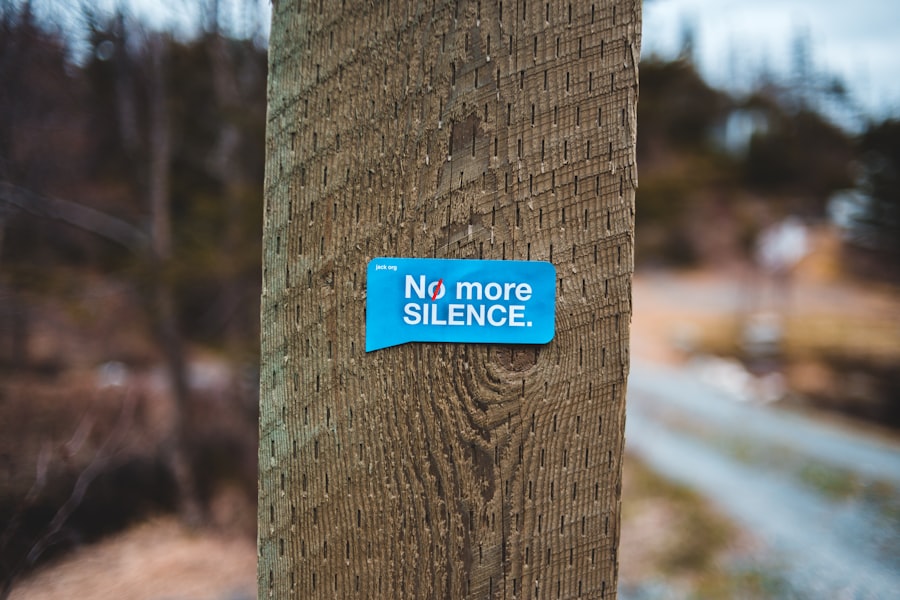
Your internal dialogue is a powerful force, and silence often amplifies its negative aspects. When you don’t have an external outlet for your thoughts and feelings, your mind can become a loop of self-criticism and rumination.
The Echo Chamber of Doubt
Without the clarifying voice of expression, your doubts can become deafening echoes. If you’ve made a mistake and remain silent about it, your inner critic can have a field day, replaying the event endlessly and magnifying your perceived flaws. This creates an echo chamber where negativity is amplified, making it incredibly difficult to see yourself objectively or to move past your errors.
The Self-Fulfilling Prophecy of Inadequacy
When you consistently silence your needs and desires, you begin to believe that you don’t deserve them. This can lead to a self-fulfilling prophecy of inadequacy. If you never speak up for yourself, if you never ask for what you want, you reinforce the idea that you are not worthy of it. This becomes a deeply ingrained belief system that keeps you stuck in situations that don’t serve you.
The Distortion of Reality Through Omission
Your silence can distort your perception of reality. By omitting your emotional experience from the narrative, you’re creating an incomplete and inaccurate picture. This can lead to distorted thinking patterns. For instance, if you experience a setback and remain silent about your disappointment, you might start to believe that you’re generally incapable, rather than simply facing a temporary challenge. The omission of your feelings leads to a warped understanding of your capabilities.
Silence can often serve as a barrier to emotional growth, leaving individuals feeling trapped in their own thoughts and feelings. When we choose not to express ourselves, we may inadvertently reinforce negative emotions and prevent healing. For a deeper understanding of how silence can keep you emotionally stuck, you might find this article on the topic insightful. It explores the nuances of communication and emotional expression, shedding light on the importance of sharing our feelings. You can read more about it here.
Breaking the Chains: Reclaiming Your Voice and Emotional Freedom
| Reasons Silence Can Keep You Emotionally Stuck | Impact |
|---|---|
| Suppressing emotions | Leads to unresolved feelings and internal conflict |
| Lack of communication | Creates misunderstandings and distance in relationships |
| Avoiding confrontation | Prevents resolution of issues and perpetuates negative patterns |
| Isolation | Leads to feelings of loneliness and disconnection |
The good news is that you are not condemned to a life of emotional silence. You have the power to break free from these chains and reclaim your voice, and with it, your emotional freedom.
The Courage to Speak Your Truth
The first step is cultivating the courage to speak your truth, even when it’s uncomfortable. This doesn’t mean being aggressive or confrontational. It means learning to express your feelings, needs, and boundaries in a clear, assertive, and respectful manner. Start small. Practice voicing your opinion on a trivial matter. Gradually, build up to discussing more significant emotions or concerns. Each act of speaking your truth chips away at the edifice of silence.
The Power of Vulnerability as Strength
Embrace vulnerability not as a weakness, but as your greatest strength. True strength lies in the courage to be open and authentic, to let others see your imperfections and your struggles. When you share your vulnerabilities, you invite genuine connection and allow others to offer you the support you need. It’s in these moments of shared humanity that true emotional healing and growth occur.
The Art of Active Listening and Validation
Learning to be an active listener, both to yourself and to others, is also crucial. Pay attention to the subtle cues your body and mind send you. Acknowledge your feelings without judgment. When engaging with others, strive to truly hear what they are saying, both verbally and non-verbally. Validate their experiences, even if you don’t fully agree with them. This creates an environment of safety and understanding, where silence is no longer the default response.
The Therapeutic Benefits of Expression
Consider the therapeutic benefits of expressing yourself. Whether it’s through journaling, talking to a trusted friend or family member, or seeking professional help from a therapist, finding healthy outlets for your emotions is paramount. These outlets provide a safe space to explore your feelings, gain new perspectives, and develop coping mechanisms. You are not alone in your struggles, and there are people and tools available to help you navigate them.
Your silence has been a powerful force, shaping your emotional landscape and dictating the boundaries of your connections. But it’s a power that you have the ability to dismantle. By consciously choosing to speak, to be vulnerable, and to seek understanding, you can begin to loosen the grip of emotional stuckness and step into a life of greater freedom, authenticity, and connection. The power of silence is immense, but the power of your voice, once unleashed, is far greater. It’s time to speak.

Why Your Brain Can’t Let Go When Someone Ignores You
FAQs
What is emotional stuckness?
Emotional stuckness refers to a state of being unable to move forward or make progress in dealing with one’s emotions or life circumstances. It can manifest as feeling trapped, stagnant, or unable to make positive changes.
How does silence contribute to emotional stuckness?
Silence can contribute to emotional stuckness by preventing individuals from expressing their feelings, thoughts, and needs. When emotions are suppressed or not communicated, they can build up and lead to a sense of being emotionally stuck.
What are the effects of prolonged silence on emotional well-being?
Prolonged silence can have negative effects on emotional well-being, including increased stress, anxiety, depression, and feelings of isolation. It can also hinder the development of healthy coping mechanisms and communication skills.
How can breaking the silence help with emotional stuckness?
Breaking the silence can help with emotional stuckness by allowing individuals to express their emotions, seek support, and gain clarity about their feelings and needs. It can also facilitate the process of healing and moving forward.
What are some strategies for breaking the silence and overcoming emotional stuckness?
Strategies for breaking the silence and overcoming emotional stuckness include seeking therapy or counseling, practicing self-expression through creative outlets, engaging in open and honest communication with trusted individuals, and exploring mindfulness and self-reflection techniques.