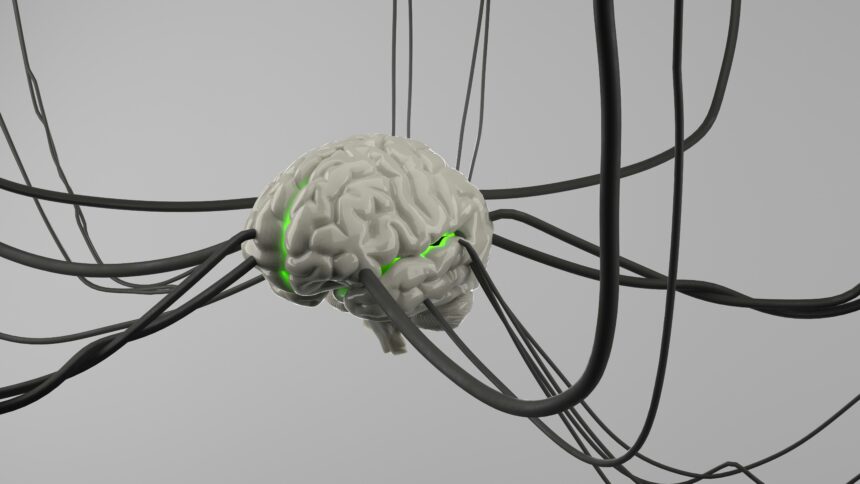
You’ve likely experienced it. That gnawing sensation, the persistent hum of anxiety, the mind replaying scenarios with the meticulousness of a forensic investigator. It’s your brain’s deep-seated aversion to the unknown when it comes to your romantic connections. This isn’t a passive observation; it’s an active, often unwelcome, internal struggle. Your brain, in its quest for order and predictability, finds relationship uncertainty particularly irksome.
Your brain’s discomfort with uncertainty isn’t a modern affliction; it’s woven into the fabric of your survival. Think back to your ancestors. Uncertainty in their social groups could mean danger – a potential threat from within or without. A lack of clear hierarchy or stable alliances could have been a death sentence. Your brain evolved to prioritize stability and to actively seek information that reduced ambiguity.
The Threat Detection System
At the core of your brain’s reaction to uncertainty lies its sophisticated threat detection system. Imagine this system as an internal alarm bell, constantly scanning your environment, both internal and external, for anything that deviates from the norm or signals potential danger. In the context of relationships, this alarm can be triggered by subtle shifts in your partner’s behavior, a delayed text response, or even a fleeting expression on their face. Your amygdala, the brain’s primary fear center, becomes highly active, prompting the release of stress hormones like cortisol. This isn’t necessarily a rational response to an immediate threat, but rather a precautionary measure, an overzealous guardian diligently protecting you from perceived harm.
The Amygdala’s Role in the “Fight or Flight” Response
When your amygdala perceives a threat, it hijacks your rational thought processes and initiates the “fight or flight” response. This is a cascade of physiological and psychological reactions designed to prepare you for immediate action. Your heart rate increases, your breathing becomes shallow, your muscles tense, and your focus narrows. In the context of relationship uncertainty, this can manifest as increased irritability, defensiveness, or a desperate urge to seek reassurance. You might find yourself picking fights, withdrawing emotionally, or constantly seeking validation, all driven by this ancient survival mechanism.
The Need for Social Cohesion
Beyond immediate survival, humans are inherently social creatures. Your brain is wired for connection, and the stability of your social bonds, especially romantic ones, is crucial for your well-being. Uncertainty in these bonds can feel like a threat to your very identity and your place in the world. Imagine a primal need to belong, to be part of a tribe. When that belonging feels precarious, your brain experiences a distress signal. This primal need for social cohesion means that the potential loss of a relationship can be perceived as a significant threat, activating the same neural pathways as physical danger.
Attachment Theory and the Primal Bond
Attachment theory, a cornerstone of developmental psychology, sheds light on how early childhood experiences shape your adult relationships. If you had secure attachments as a child, you likely developed a stronger sense of self-worth and a greater capacity to trust. Conversely, insecure attachment styles (anxious-preoccupied, dismissive-avoidant, fearful-avoidant) can amplify your sensitivity to uncertainty in romantic relationships. Your brain, having learned that attachment figures can be unreliable or unavailable, becomes hypervigilant for signs of abandonment or rejection. This ingrained pattern dictates how you process ambiguity, leading to a more pronounced aversion to the unknown.
The brain’s aversion to uncertainty in relationships can be attributed to its inherent need for predictability and security, which is crucial for emotional well-being. This concept is explored in depth in the article “Understanding the Brain’s Response to Uncertainty in Relationships” on Unplugged Psych. The article discusses how uncertainty triggers anxiety and stress, leading individuals to seek clarity and stability in their connections with others. For more insights on this topic, you can read the full article here: Understanding the Brain’s Response to Uncertainty in Relationships.
The Cognitive Overdrive of “What Ifs”
Your brain’s disdain for uncertainty doesn’t just manifest as emotional distress; it also fuels a relentless cognitive engine of speculation. When faced with ambiguity, your mind races, generating countless scenarios, most of which are negative. This is your brain’s attempt to impose order, to predict the unpredictable, and to find answers where none readily exist.
The Power of Catastrophizing
One of the most common cognitive distortions you experience in the face of relationship uncertainty is catastrophizing. This is the tendency to assume the worst possible outcome. A missed call isn’t just a busy schedule; it’s a sign that your partner is losing interest. A slight disagreement isn’t a minor conflict; it’s the beginning of the end. Your brain, in its effort to prepare for a perceived threat, blows even minor issues out of proportion, painting a bleak and terrifying future. This mental gymnastics can be exhausting and profoundly damaging to your emotional well-being.
The Prefrontal Cortex and Its Struggle for Control
While your amygdala is busy sounding the alarm, your prefrontal cortex, responsible for rational thought, executive functions, and impulse control, struggles to assert control. However, in the throes of intense uncertainty, the prefrontal cortex can become overwhelmed. Its ability to objectively analyze the situation and generate balanced perspectives diminishes. Instead, it often gets caught in the feedback loop created by the amygdala and the relentless “what if” scenarios, further reinforcing the anxious state. This internal battle between your emotional and rational brains is a hallmark of navigating relationship ambiguity.
The Illusion of Control
Your brain craves a sense of control. Uncertainty robs you of this illusion. When things are predictable, you feel a sense of agency. You know what to expect, and you can plan accordingly. Relationship uncertainty shatters this feeling, leaving you feeling powerless and adrift. Your brain then attempts to regain a sense of control by over-analyzing, seeking constant reassurance, or even trying to force a resolution. This desperate pursuit of control, however, often backfires, creating more anxiety and pushing your partner further away.
The Role of Confirmation Bias
To further solidify its perceived understanding, your brain often engages in confirmation bias. This means you actively seek out and interpret information that confirms your existing beliefs, even if those beliefs are negative. If you are worried your partner is pulling away, you will notice and magnify every sign that supports this fear, while overlooking or downplaying any evidence to the contrary. This selective attention reinforces your anxious narrative, making it incredibly difficult to see the situation objectively.
The Physiological Toll of Constant Worry

The emotional and cognitive turmoil caused by relationship uncertainty doesn’t stay confined to your mind. It has a tangible impact on your physical health, as your body is constantly reacting to the perceived stress.
The Hormonal Rollercoaster
As mentioned earlier, chronic uncertainty leads to a prolonged state of elevated stress hormones like cortisol and adrenaline. While these hormones are beneficial in short bursts for responding to immediate threats, their sustained presence can wreak havoc on your body. This can manifest as sleep disturbances, digestive problems, headaches, and a weakened immune system, leaving you feeling drained and unwell. Your body is essentially stuck in a perpetual state of alert, even when there’s no immediate danger.
Sleep Disturbances and Their Impact
One of the most common physiological consequences of relationship uncertainty is disrupted sleep. Your mind races, replaying arguments, analyzing conversations, and conjuring worst-case scenarios, making it incredibly difficult to fall asleep or stay asleep. This lack of quality sleep exacerbates anxiety, impairs cognitive function, and makes you more emotionally reactive, creating a vicious cycle. You are less able to cope with the uncertainty when you are sleep-deprived, which in turn increases your anxiety and further disrupts your sleep.
The Brain’s Energy Demands
Your brain, despite being a relatively small organ, is a voracious energy consumer. When it’s engaged in constant rumination and anxiety about relationship uncertainty, it’s using a significant amount of energy. This can lead to feelings of mental and physical fatigue. You might find yourself struggling to concentrate on tasks, feeling perpetually tired, and lacking the motivation to engage in activities you once enjoyed. It’s as if your brain is running a marathon of worry, leaving you depleted.
The Impact on Your Nervous System
The constant activation of your sympathetic nervous system (responsible for the “fight or flight” response) in response to uncertainty can lead to a state of chronic hyperarousal. This means your nervous system is always on high alert, making you more susceptible to stress and less able to relax. Over time, this can contribute to a range of health issues, including increased blood pressure, heart problems, and even chronic pain. Your body is being pushed to its limits by the relentless demand for vigilance.
Strategies for Taming Your Brain’s Disdain
While your brain’s aversion to uncertainty is deeply ingrained, it’s not an insurmountable challenge. By understanding the underlying mechanisms and implementing conscious strategies, you can learn to manage your reactions and foster a more secure and peaceful approach to your relationships.
Practicing Mindfulness and Self-Awareness
The first step in taming your brain’s disdain is cultivating mindfulness and self-awareness. This involves paying attention to your thoughts, feelings, and bodily sensations without judgment. When you notice yourself spiraling into anxious thoughts about your relationship, take a moment to pause and observe. Identify the specific thought that is triggering your anxiety. Is it a factual observation or a fear-based assumption? Recognizing these patterns is the crucial first step in disrupting them.
Identifying Your Triggers and Thought Patterns
Dedicate time to introspection. What specific situations or interactions tend to trigger your anxiety about relationship uncertainty? Is it when your partner is busy, when they don’t immediately respond to your messages, or when you perceive a shift in their mood? Once you’ve identified your triggers, examine the recurring thought patterns that follow. Are you always jumping to the most negative conclusion? Are you engaging in mind-reading or predicting the future? Awareness is your most potent weapon.
Cultivating a Secure Inner Foundation
Your brain’s reliance on external validation to quell its anxieties often stems from an insecure inner foundation. Building a strong sense of self-worth, independent of your relationship status, is paramount. Focus on your own interests, passions, and goals. Nurture your friendships and other supportive relationships. The more secure you feel within yourself, the less you will be threatened by the inherent uncertainties of romantic connection.
The Importance of Self-Compassion
When you find yourself struggling with anxious thoughts, practice self-compassion. Treat yourself with the same kindness and understanding you would offer a dear friend facing similar challenges. Acknowledge that experiencing uncertainty is a natural human emotion, and that it’s okay to feel anxious. Avoid self-criticism; instead, offer yourself reassurance and support. This gentler approach can significantly reduce the intensity of your distress.
Embracing the Present Moment
One of the most effective ways to combat the “what if” mentality is to ground yourself in the present moment. This involves consciously bringing your attention back to what is happening right now, rather than dwelling on past experiences or future anxieties. Engage your senses: what do you see, hear, smell, taste, and feel? This practice interrupts the cycle of rumination and helps you appreciate the reality of your current situation, which is often far less dire than your anxious thoughts suggest.
The Power of Deep Breathing Exercises
Deep breathing exercises are a simple yet profoundly effective tool for anchoring yourself in the present. When you feel anxiety rising, take slow, deep breaths, focusing on the sensation of the air entering and leaving your lungs. This not only calms your nervous system but also redirects your attention away from your anxious thoughts and back to your physical sensations, effectively pulling you out of the cognitive overdrive.
The brain’s aversion to uncertainty in relationships can be deeply rooted in our evolutionary history, as it often seeks stability and predictability for survival. This discomfort can lead to anxiety and stress, impacting how we connect with others. For a deeper understanding of this phenomenon, you might find the article on emotional regulation and its effects on relationships insightful. It explores how our brains process uncertainty and offers strategies for coping. You can read more about it here.
The Long Game: Building Resilience in Uncertainty
| Reasons | Effects |
|---|---|
| Increased stress levels | Heightened anxiety and decreased well-being |
| Impact on decision-making | Difficulty in making choices and taking action |
| Emotional instability | Difficulty in regulating emotions and mood swings |
| Impact on trust and security | Decreased sense of safety and stability in the relationship |
Learning to navigate relationship uncertainty isn’t about eliminating it entirely – that’s an unrealistic expectation. Instead, it’s about building resilience, developing the capacity to weather the inevitable storms without being capsized by them. It’s a continuous process of learning, self-discovery, and conscious effort.
Open and Honest Communication with Your Partner
While your brain might urge you to seek constant reassurance, the most sustainable path to managing uncertainty lies in open and honest communication with your partner. Discuss your anxieties and fears in a calm and constructive manner. Explain what you need from them, not as demands, but as expressions of your own vulnerabilities. A supportive partner can be an incredible ally in navigating these feelings.
Setting Healthy Boundaries and Expectations
It’s also crucial to establish healthy boundaries and expectations within the relationship. This includes understanding what is reasonable to expect from your partner and what falls outside the realm of healthy interdependence. Communicate your needs clearly and be open to your partner’s needs as well. This collaborative approach fosters a sense of security and mutual understanding, reducing the fertile ground for uncertainty to take root.
Accepting the Impermanence of All Things
Ultimately, the deepest way to reconcile with relationship uncertainty is to accept the impermanence of all things. Life is a constant flux, and no relationship, no matter how stable it appears, is guaranteed to last forever. This doesn’t mean living in a state of fear or despair, but rather in a state of appreciative presence. By embracing the beauty and joy of the present moment, you can find contentment and peace, even in the face of life’s inherent unpredictability. Your brain’s disdain for uncertainty can be transformed from a source of distress into an opportunity for growth and a deeper appreciation for the preciousness of connection. You learn to love and connect not in spite of the uncertainty, but with a richer understanding of its place in the tapestry of life.

Why Your Brain Can’t Let Go When Someone Ignores You
FAQs
What is uncertainty in relationships?
Uncertainty in relationships refers to the lack of clarity or predictability in a romantic partnership, such as not knowing where the relationship is headed or feeling unsure about the other person’s feelings or intentions.
How does the brain respond to uncertainty in relationships?
The brain responds to uncertainty in relationships by triggering the release of stress hormones, such as cortisol, which can lead to feelings of anxiety and discomfort. Uncertainty can also activate the brain’s threat detection system, leading to increased vigilance and hypervigilance.
Why does the brain dislike uncertainty in relationships?
The brain dislikes uncertainty in relationships because it prefers predictability and stability. Uncertainty can activate the brain’s fear response, leading to feelings of distress and discomfort. The brain seeks to minimize uncertainty in order to reduce the perceived threat to its well-being.
What are the effects of uncertainty on relationships?
Uncertainty in relationships can lead to increased stress, anxiety, and insecurity for both partners. It can also erode trust and intimacy, leading to communication breakdowns and conflict. Uncertainty can ultimately undermine the stability and longevity of the relationship.
How can individuals cope with uncertainty in relationships?
Individuals can cope with uncertainty in relationships by practicing open and honest communication, building trust, and setting realistic expectations. Seeking support from a therapist or counselor can also help individuals navigate the challenges of uncertainty and strengthen their relationship.