
You’ve probably experienced it. That sudden, deafening silence after a period of connection. That unanswered text message, the unfriended social media profile, the dating app conversation that abruptly ends. You’ve been ghosted. And it hurts. It’s a modern phenomenon, amplified by our hyper-connected digital lives, and it leaves a uniquely painful emotional residue. But why does this seemingly passive act of disappearing inflict so much damage? Let’s delve into the psychology behind ghosting and understand the deep-seated reasons why it’s so profoundly upsetting.
When someone ghosts you, it’s not just an inconvenience; it’s an emotional affront. It’s the absence of communication that speaks volumes, and unfortunately, the words it screams are often incredibly damaging to your self-esteem and sense of worth.
The Void of Explanation: The Absence That Roars
Perhaps the most significant reason ghosting stings is the lack of closure. In traditional breakups or disagreements, there’s usually a conversation, an explanation, a reason, however painful. Even if it’s not the answer you want, there’s a framework, a process of understanding. Ghosting rips away this possibility entirely.
The Torture of the Unknown: “What Did I Do Wrong?”
Your mind, left to its own devices, will inevitably try to fill the void. Without any feedback, your internal monologue often defaults to self-blame. You dissect every interaction, every word, every perceived misstep. “Was it something I said on Tuesday?” “Did I text too much?” “Was my profile picture off-putting?” This relentless self-interrogation can be exhausting and deeply demoralizing. You’re left wrestling with phantom accusations, trying to solve a puzzle with missing pieces.
The Phantom of Rejection: A Silent Verdict of Unworthiness
Ghosting can feel like a silent, definitive verdict on your desirability or worthiness. When someone chooses not to engage, not to explain, it’s easy to interpret this as a judgment: “You weren’t good enough to even warrant a goodbye.” This is particularly potent in romantic contexts, where a lack of communication can feel like a severe form of rejection, akin to being publicly humiliated. It bypasses the usual social niceties and leaves you feeling fundamentally inadequate.
The Erosion of Trust: Building Walls Where Bridges Should Be
Repeated experiences of ghosting can significantly damage your ability to trust others in the future. You begin to anticipate the worst, expecting connections to crumble without warning. This can lead to a defensive posture, where you might hold back emotionally, fearing that any investment of your heart will inevitably lead to pain.
The Power Imbalance: Who Holds the Reigns?
Ghosting creates a stark power imbalance in the interaction. The person doing the ghosting holds all the cards, dictating the terms of the relationship’s end by refusing to participate in its conclusion. This leaves you feeling powerless and at the mercy of another person’s capricious decision.
The Control of the Script: They Edit You Out
When someone ghosts, they essentially edit you out of their narrative without your consent. You are no longer a character in their story, and you have no say in how the ending plays out. This lack of agency can be incredibly frustrating and disempowering, especially when you may have invested emotional energy and time into the connection.
The Waiting Game: A Passive Prisoner of Hope
Ghosting often traps you in a perpetual waiting game. You might cling to the hope that they’ll resurface, that there’s a logical explanation waiting to be delivered. This prolonged state of uncertainty, fueled by a desire for closure, can consume mental and emotional energy, preventing you from moving on and engaging in healthier interactions.
Ghosting, the act of abruptly cutting off communication without explanation, can have profound psychological effects on those left in the lurch. The emotional pain associated with ghosting often stems from feelings of rejection and abandonment, which can trigger anxiety and low self-esteem. For a deeper understanding of the psychological mechanisms at play, you can explore the article on this topic at Unplugged Psychology. This article delves into the emotional turmoil that ghosting can cause and offers insights into why this modern dating phenomenon can be so hurtful.
The Social Script of Disconnect: When Norms Get Blurry
Our understanding of social interactions and relationships is built upon a set of unspoken rules and expectations. Ghosting, by its very nature, shatters these established norms, leaving us confused and hurt by the breach.
The Erosion of Civility: A Breakdown in Basic Courtesy
In a world that often emphasizes politeness and consideration, ghosting represents a significant breakdown in basic civility. We are taught from a young age to be respectful of others, and a simple “I’m not interested” or “This isn’t working for me” is a fundamental courtesy. Ghosting bypasses this, opting for a silent vanishing act.
The Digital Age’s Double-Edged Sword: Convenience vs. Cruelty
The rise of digital communication has undoubtedly made connections easier, but it has also provided an easy avenue for avoidance. The impersonal nature of texting and online interactions can embolden individuals to disengage without facing the discomfort of a direct conversation. This convenience, however, comes at the cost of empathy and human connection.
The Social Minefield of Dating Apps: A Breeding Ground for Ghosting
Dating apps, with their swipe-and-match culture, have become a notorious breeding ground for ghosting. The sheer volume of potential connections can make individuals feel less invested in each individual interaction. The ease of moving on to the next profile can lead to a casual disregard for the feelings of those they have briefly engaged with. It becomes a numbers game, where feelings can be easily overlooked.
The Ghosting Domino Effect: When One Instance Fuels Another
Experiencing ghosting can, unfortunately, make you more susceptible to ghosting others. The desire to avoid the discomfort of delivering bad news, coupled with the belief that others do it too, can create a perpetuating cycle of avoidance. This normalization of ghosting further erodes the social fabric of communication.
The “They Did It To Me, So It’s Okay” Mentality: A Dangerous Justification
When you’ve been hurt by ghosting, it can be tempting to adopt a “what goes around, comes around” mentality. However, this rationalization, while understandable on an emotional level, contributes to the widespread problem and perpetuates the pain for others.
The Cognitive Dissonance: Your Brain Struggling to Reconcile

Your brain craves order and predictability. When ghosting occurs, it disrupts this internal order, leading to cognitive dissonance – a state of mental discomfort experienced when holding two or more contradictory beliefs, ideas, or values, or when confronted by new information that conflicts with existing beliefs, ideas, or values.
The “It Made Sense Then” Paradox: Trying to Understand the Ununderstandable
You might recall moments in the interaction where things seemed perfectly fine, even promising. This creates a stark contrast with the sudden disappearance, leaving your brain struggling to reconcile these two conflicting realities. “We were just planning our next meeting, why did they vanish?” This internal conflict can be deeply unsettling.
The Search for Patterns: Overthinking to Find Logic
Your cognitive processes will desperately search for patterns and logic to make sense of the situation. This can lead to obsessive rumination, replaying conversations and interactions in your mind, looking for clues that were missed or misinterpreted. The brain is trying to impose order on a chaotic event.
The Unfulfilled Expectations: The Gap Between Reality and Desire
We naturally form expectations in any developing connection. These can range from the mundane (a quick reply to a text) to the significant (a shared future). Ghosting shatters these expectations, leaving a void between what you anticipated and what actually happened. This gap is a significant source of distress.
The Emotional Fallout: A Cascade of Negative Feelings

Beyond the cognitive confusion, ghosting triggers a powerful and often overwhelming emotional response. These feelings are not just minor inconveniences; they can deeply impact your mental well-being.
The Sting of Betrayal: A Broken Promise of Connection
Even if there wasn’t an explicit promise of a committed relationship, the act of engaging and investing time and energy creates an implicit expectation of continued engagement. When this connection is abruptly severed without explanation, it can feel like a betrayal of that shared investment.
The Abandonment Wound: Triggering Deeper Insecurities
For many, ghosting can trigger deeper-seated insecurities related to abandonment. Childhood experiences of being left or feeling unheard can be resurfaced by the abrupt departure of someone with whom you had formed a bond. This can lead to intense feelings of sadness, loneliness, and even panic.
The Loneliness Amplified: The Isolation of the Unseen
In a world that often emphasizes connection, being ghosted can amplify feelings of loneliness and isolation. You are left feeling unseen, unheard, and disconnected, even when surrounded by others. The silence speaks of your isolation.
The Hurt of Disregard: Feeling Like an Expendable Object
Ghosting conveys a profound sense of disregard. It communicates that your feelings, your time, and your emotional investment are not important enough to warrant a simple acknowledgment. This can leave you feeling devalued and objectified, as if you were a disposable item.
The Humiliation of Being “Unfriended” or “Blocked”: A Public Erasure
Being unfriended or blocked on social media after a period of connection is a particularly public and humiliating form of ghosting. It feels like a deliberate and often dramatic erasure from someone’s digital life, leaving you exposed and vulnerable.
The Self-Doubt Cascade: Questioning Your Own Appeal
When you’re ghosted, especially in a romantic context, it’s natural to question your own appeal. “What’s wrong with me?” becomes a recurring refrain. This can lead to a downward spiral of self-doubt, impacting your confidence in future interactions.
Ghosting can be a painful experience, as it often leaves individuals feeling rejected and confused about what went wrong in their relationships. The psychological impact of being ghosted is explored in a related article that delves into the emotional turmoil and feelings of abandonment that can arise from such sudden disconnection. Understanding the reasons behind why ghosting hurts can provide valuable insights into our emotional responses and help us navigate future relationships more effectively. For more information on this topic, you can read the article on the psychology of ghosting at Unplugged Psych.
Moving Forward: Reclaiming Your Worth and Building Resilience
| Psychological Factor | Impact on Individual |
|---|---|
| Rejection | Leads to feelings of unworthiness and low self-esteem |
| Ambiguity | Causes confusion and self-doubt |
| Loss of Closure | Leaves individuals with unresolved emotions and questions |
| Trust Issues | Can result in difficulty trusting others in future relationships |
While the pain of ghosting is real and valid, it’s important to remember that it is a reflection of the ghoster’s issues, not a definitive statement about your worth. The path forward involves understanding, self-compassion, and a conscious effort to rebuild trust and resilience.
Acknowledging the Pain: The First Step to Healing
The most crucial step is to acknowledge that your feelings are valid. Don’t dismiss the hurt you’re experiencing. Allow yourself to feel the sadness, anger, and confusion. Suppressing these emotions will only prolong the healing process.
Journaling Your Thoughts: Processing the Experience
Writing down your thoughts and feelings can be an incredibly cathartic way to process the experience. It allows you to externalize your internal turmoil and gain some perspective.
Talking to Trusted Friends or a Therapist: Seeking Support
Sharing your experience with trusted friends or a therapist can provide invaluable support. Talking about it can help you realize you’re not alone and can offer different perspectives and coping mechanisms.
Reframing the Narrative: Shifting Focus from Blame to Growth
It’s essential to shift your focus from self-blame to self-growth. Remember that the ghoster’s actions are a reflection of their own communication skills, emotional maturity, and possibly their own insecurities.
The “Not My Circus, Not My Monkeys” Mantra: Reclaiming Your Peace
This saying, while informal, captures a powerful truth. The ghoster’s behavior is their issue to manage, not yours. By internalizing this, you can begin to detach yourself from their actions and reclaim your emotional peace.
Focusing on Your Strengths: Remembering Your Value
Actively remind yourself of your positive qualities and your inherent worth. Make a list of your strengths, accomplishments, and the things you appreciate about yourself. This acts as an antidote to the self-doubt that ghosting can instil.
Setting Boundaries and Practicing Healthy Communication: Building a Stronger Future
Learning from your experiences with ghosting can empower you to establish healthier boundaries in future interactions and practice more effective communication yourself.
The Power of Clear Communication: Being Direct and Honest
While ghosting is easy, it’s ultimately cowardly. Committing to clear and honest communication, even when it’s uncomfortable, builds stronger and more respectful relationships. Be the person you wish others were.
Recognizing Red Flags: Trusting Your Intuition
Pay attention to your intuition. If something feels off, or if communication is consistently inconsistent, it might be a red flag. Trust your gut and don’t over-invest in connections that lack healthy engagement.
Ghosting is a painful phenomenon that leaves a unique and often deep wound. By understanding the psychological underpinnings of why it hurts so much, you can begin to process the experience, reclaim your sense of self-worth, and move forward with greater resilience and a clearer understanding of healthy communication. Remember, you deserve clear communication, respect, and acknowledgment. You deserve more than silence.
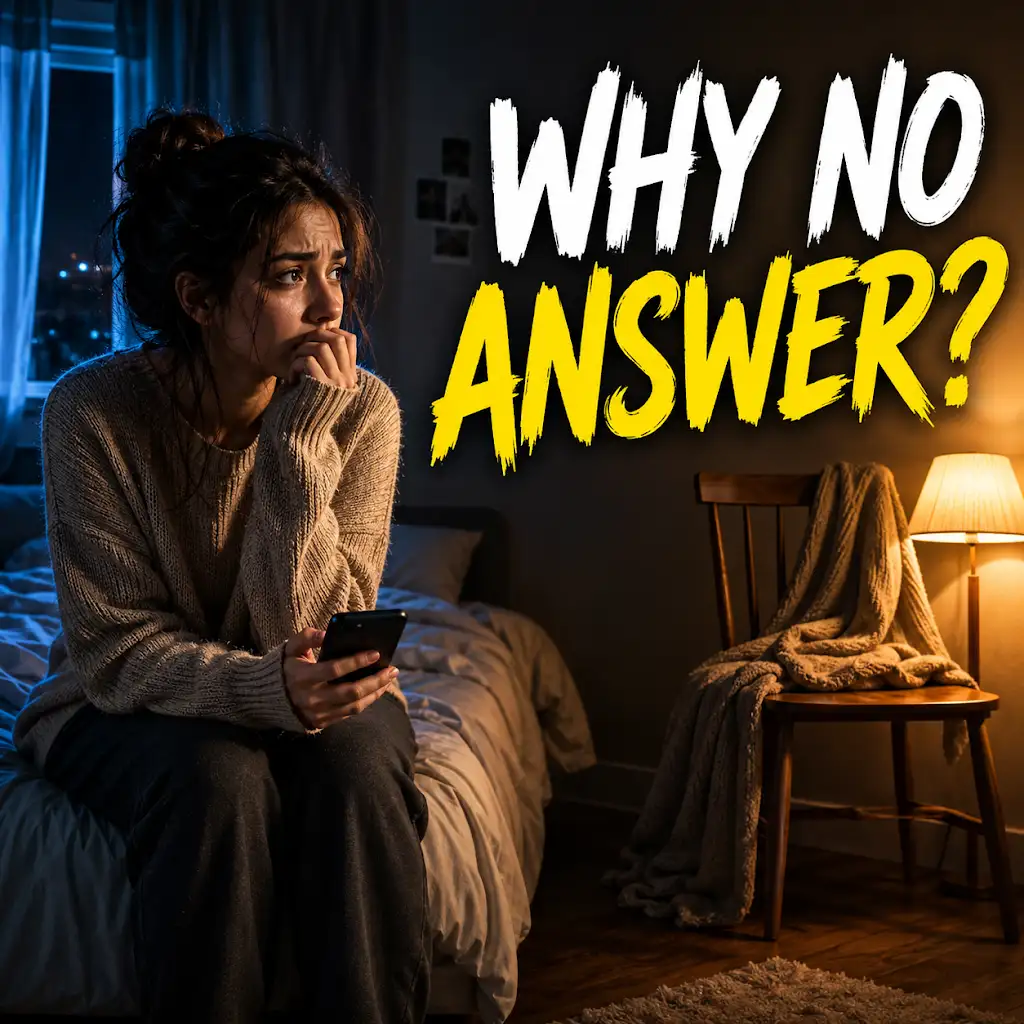
Why Your Brain Can’t Let Go When Someone Ignores You
FAQs
What is ghosting?
Ghosting is the act of suddenly ending all communication with someone without any explanation or warning. This can occur in various types of relationships, such as romantic, friendship, or professional.
Why does ghosting hurt so much?
Ghosting can be emotionally painful because it creates feelings of rejection, confusion, and a lack of closure. It can also lead to self-doubt and a sense of being unworthy, as the person being ghosted is left with unanswered questions and unresolved feelings.
What are the psychological effects of being ghosted?
Being ghosted can lead to feelings of abandonment, betrayal, and a loss of trust in others. It can also impact self-esteem and mental well-being, leading to increased anxiety, depression, and a sense of isolation.
What factors contribute to the pain of ghosting?
The pain of ghosting can be influenced by individual differences, such as attachment styles, past experiences with rejection, and the level of investment in the relationship. Additionally, the sudden and unexpected nature of ghosting can intensify the emotional impact.
How can one cope with the pain of being ghosted?
Coping with the pain of being ghosted involves acknowledging and processing the emotions, seeking support from friends or a therapist, and focusing on self-care and self-compassion. It can also be helpful to reframe the experience and recognize that ghosting says more about the person doing it than the person being ghosted.