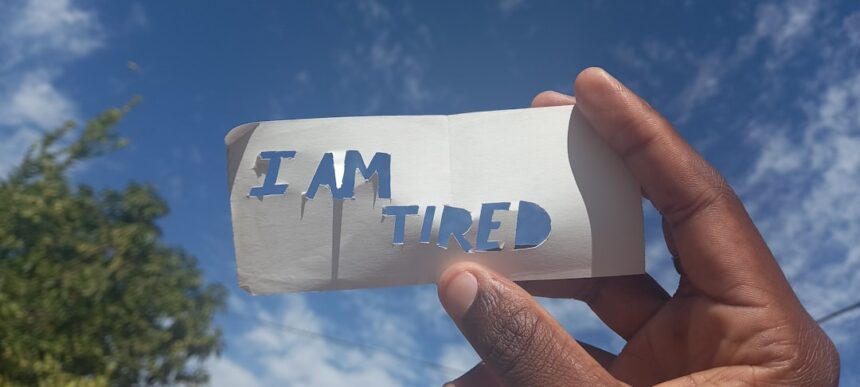
You dread it. That hollow ache, the creeping unease. It’s the fear of being overlooked, of fading into the background, a ghost in your own life. But then there’s the sharper sting, the cold, undeniable reality of being actively pushed away. You’re grappling with the subtle, yet potent, differences between the anxiety of being ignored and the gut-wrenching pain of rejection.
The Unseen Absence: The Anxiety of Being Ignored
You’ve been there. You pour your heart into a project, meticulously crafting every detail, and then… crickets. Your carefully worded email goes unanswered. Your enthusiastic contribution to a conversation is met with blank stares or a swift change of subject. It’s not a direct insult, not a pointed “no,” but a profound sense of not mattering. This is the insidious nature of being ignored. It’s the quiet erosion of your sense of self-worth, the feeling that your presence, your thoughts, your very existence, is inconsequential.
The Subtle Erosion of Self-Esteem
When you’re ignored, the feedback loop you rely on to validate your existence is broken. You contribute, you express, you strive, and the world, or at least the relevant corner of it, offers no reciprocal acknowledgment. This silence can be deafening. Over time, it chips away at your confidence. You start to question your own value. “Am I not interesting enough?” “Did I say something wrong?” “Is my perspective even worth considering?” These questions gnaw at you, planting seeds of doubt that can blossom into a pervasive sense of inadequacy. You begin to internalize the lack of external validation, believing that you are, indeed, invisible.
- The Internal Dialogue of Invisibility: You find yourself engaging in a constant, often negative, internal monologue. You replay interactions, searching for reasons why you were overlooked. This self-criticism can become a relentless cycle, reinforcing the feeling of worthlessness. You might even start to anticipate being ignored, lowering your expectations and avoiding putting yourself out there to shield yourself from the inevitable disappointment.
- The Social Shadow: In social settings, being ignored feels like being cast into a shadow. You observe others connecting, laughing, and engaging, while you stand on the periphery, a silent observer. This social isolation, even if temporary, can trigger deep-seated fears of loneliness and abandonment. You might feel like an outsider looking in, forever on the outside of genuine connection.
- The Impact on Ambition: The drive to achieve and contribute is often fueled by a desire for recognition and impact. When you’re consistently ignored, that fuel dwindles. Why put in the effort if your contributions are likely to be unseen? This can lead to a demotivation that stifles ambition and creativity. You might start to play it safe, avoiding opportunities that require you to step into the spotlight, further solidifying your role as someone who is easily overlooked.
The “What Ifs” and the Unspoken Rejection
The anxiety of being ignored is often characterized by a pervasive sense of “what if.” You don’t have concrete proof of being disliked or deemed unworthy; instead, you have the absence of proof of being valued. This ambiguity allows for an endless stream of speculative anxieties to flourish.
- The Ambiguity of Intent: You grapple with the uncertainty of whether the ignoring is intentional or simply due to oversight. Was the person too busy? Did they genuinely not hear you? Or are they actively choosing not to engage with you? This lack of clarity is fertile ground for your imagination to run wild, often conjuring the worst-case scenarios.
- The Fear of the Unsaid: The absence of communication leaves a vacuum that your mind will inevitably fill. You fear that the unsaid words are words of dismissal, of judgment, of a quiet but firm decision that you are not worthy of their attention. This unspoken rejection can feel even more potent because you have no grounds to argue against it or to seek clarification. It exists in the realm of your own interpretation, making it difficult to dislodge.
- The Phantom Rejection: Sometimes, the anxiety of being ignored can morph into a form of phantom rejection. You begin to feel rejected, even without direct evidence. The lack of positive reinforcement becomes a perceived negative, a silent testament to your perceived shortcomings. This can be a particularly exhausting form of anxiety, as you are battling a perceived reality that may not even exist externally.
Research has shown that being ignored can lead to heightened feelings of anxiety compared to outright rejection, as the lack of acknowledgment can trigger feelings of isolation and unworthiness. A related article on this topic can be found at Unplugged Psych, where it explores the psychological implications of social exclusion and the profound impact it has on mental well-being. Understanding these dynamics can help individuals navigate their social interactions more effectively and foster healthier relationships.
The Sharp Sting: The Pain of Rejection
Rejection is different. It’s a blow, a definite “no.” It’s the slammed door, the unreturned phone call with a definitive explanation, the lost job interview, the unfriending on social media. While being ignored is the pain of absence, rejection is the pain of presence, of being actively deemed not good enough, not suitable, or not wanted. It’s a visceral experience that can leave you reeling.
The Direct Assault on Your Identity
Rejection often feels like a personal attack. It’s a judgment on who you are, on your capabilities, on your very being. When you are rejected, it’s not just your effort or your idea that is dismissed; it feels like you are dismissed. This can be incredibly damaging to your self-concept.
- The Question of Desirability: Rejection often centers on whether you are desired or wanted. This is particularly acute in romantic or social contexts. When you are rejected by someone you are interested in, or by a group you wish to belong to, it directly assaults your sense of desirability. You start to question what it is about you that makes you unappealing.
- The Implication of Fault: While often not explicitly stated, rejection carries an implicit accusation of fault. You can’t help but wonder what you did wrong, what you lacked, or what mistake you made that led to this outcome. This internal searching for blame can be a torturous process, especially when the reasons for rejection are unclear.
- The Emotional Aftermath: The emotional fallout from rejection can be intense and varied. You might experience anger, sadness, shame, embarrassment, or a profound sense of loss. These emotions can be overwhelming, making it difficult to function and to process the experience in a healthy way. You might withdraw, lash out, or fall into a deep depression.
The Social and Professional Impact of Rejection
Rejection isn’t confined to the emotional realm; it has tangible consequences in your social and professional life. These experiences can have long-lasting effects on your future opportunities and your willingness to put yourself out there again.
- The Career Setback: Losing a job, being passed over for a promotion, or having a business proposal rejected can significantly impact your career trajectory. This can lead to financial instability, loss of confidence in your professional abilities, and a fear of taking risks in the future. You might become hesitant to pursue new opportunities, fearing a repeat of the rejection.
- The Social Exclusion: Being rejected by friends, social groups, or romantic partners can lead to feelings of isolation and loneliness. This can affect your social support network, making it harder to cope with other life stressors. The fear of further social rejection might lead you to isolate yourself, perpetuating the cycle of loneliness.
- The Erosion of Trust: Repeated rejection can erode your trust in others and in your own judgment. You may become more guarded, less likely to open up, and more suspicious of people’s intentions. This can make it harder to form genuine connections and to build meaningful relationships.
The Differentiating Factor: Control and Agency
A key differentiator between the anxiety of being ignored and the pain of rejection lies in the perceived level of control and agency. When you are ignored, there’s a sense that you could have done something differently, but the outcome is still vague and open to interpretation. With rejection, the outcome is definitive, and while you may not have had control over the decision, the act of rejection is a clear signal.
The Illusion of Influence
When you are ignored, there’s often a lingering feeling that if you had just spoken up louder, been more persistent, or presented yourself differently, you might have been seen. This illusion of influence, however frustrating, can be a subtle form of comfort. It suggests that the situation wasn’t entirely out of your hands.
- The “If Only” Syndrome: You might find yourself caught in the “if only” syndrome, replaying scenarios and imagining alternative actions that might have elicited a response. This can be a debilitating mental exercise, but it also reflects a belief that agency, even retrospectively, was present.
- The Hope for a Second Chance: The ambiguity of being ignored leaves the door open, however slightly, for a second chance. You might believe that the person will eventually notice you, or that a future interaction will yield a different result. This hope, however fragile, can prevent you from completely shutting down.
The Decisive Finality
Rejection, on the other hand, often feels final. The “no” is spoken, the door is closed, and while you can certainly learn and grow from it, the immediate experience is one of a definitive end to a particular possibility.
- The Concrete Outcome: The concrete nature of rejection provides a clear outcome. You know where you stand, even if it’s not where you wanted to be. This clarity, while painful, can sometimes be more grounding than the amorphous dread of being ignored.
- The Loss of Possibility: Rejection signifies the loss of a specific possibility. This can be a job opportunity, a relationship, or a desired social standing. The definitive closure of these avenues can be a source of significant grief.
Navigating the Emotional Landscape
Understanding the nuances between these two painful experiences is the first step in navigating their emotional impact. Both can chip away at your self-worth, but the strategies for healing and moving forward might differ.
Acknowledging the Pain of Being Ignored
For the anxiety of being ignored, the path to healing often involves actively seeking acknowledgment and validation from healthy sources, while also developing internal resilience.
- Proactive Engagement: Instead of waiting to be seen, you can become more proactive in asserting your presence and value. This doesn’t mean being aggressive, but rather confidently expressing your ideas, seeking feedback, and actively participating in conversations.
- Internal Validation: The ultimate goal is to cultivate a strong sense of internal validation. This means developing the ability to recognize your own worth, achievements, and contributions, independent of external approval. Self-compassion and a focus on your own values are crucial here.
- Seeking Constructive Feedback: When possible, seek constructive feedback to understand if there are areas for improvement. This can transform the amorphous anxiety into actionable steps. However, it’s crucial to distinguish between genuine feedback and projection of your own insecurities.
Processing the Wounds of Rejection
Rejection requires a different approach, one that involves confronting the pain, learning from the experience, and rebuilding your confidence.
- Allowing for Grief: It’s essential to allow yourself to grieve the loss associated with rejection. Suppressing these emotions will only prolong the healing process. Find healthy outlets for your emotions, whether through journaling, talking to a trusted friend, or engaging in creative pursuits.
- Deconstructing the Rejection: Once the initial emotional storm has passed, try to deconstruct the rejection as objectively as possible. Were the reasons for rejection valid? Were they within your control? This process of analysis can help you learn and grow from the experience, rather than simply dwelling on the pain.
- Building Resilience: Rejection, while painful, can also be a powerful teacher. Each instance of rejection, if processed effectively, can build your resilience and your ability to bounce back from adversity. Focus on your strengths and past successes to remind yourself of your inherent worth.
Being ignored often leads to heightened anxiety compared to outright rejection, as the uncertainty of not knowing why someone has chosen to disengage can create a sense of confusion and self-doubt. This phenomenon is explored in greater detail in a related article that discusses the psychological impact of social interactions and the importance of communication in relationships. For those interested in understanding the dynamics of social anxiety, you can read more about it in this insightful piece here.
The Common Thread: The Desire to Be Seen and Valued
Despite their distinct manifestations, both the anxiety of being ignored and the pain of rejection stem from the same fundamental human need: the desire to be seen, heard, and valued. You want to know that you matter, that your presence makes a difference, and that you are worthy of connection and belonging.
The Universal Quest for Connection
At the heart of it all, you are seeking connection. Whether it’s the silent yearning for acknowledgment or the sharp ache of being excluded, your desire to be part of something, to be understood and appreciated, is a deeply ingrained human instinct.
- The Social Being: As social creatures, our sense of self is often shaped by our interactions with others. When these interactions are negative, either through omission or commission, it can profoundly impact our self-perception.
- The Need for Belonging: The fear of not belonging is a powerful motivator, and both being ignored and being rejected tap into this primal fear. You want to feel like you are part of a tribe, that you have a place where you are accepted and understood.
Cultivating Self-Acceptance as the Ultimate Defense
Ultimately, the most potent defense against both the anxiety of being ignored and the pain of rejection lies in cultivating a robust sense of self-acceptance. When you truly value yourself, the opinions and actions of others, while still impactful, lose their power to define you.
- The Inner Anchor: Self-acceptance acts as an inner anchor, grounding you in your own worth, regardless of external validation. It’s about recognizing your inherent value as a human being, independent of achievements, relationships, or the opinions of others.
- Empowerment Through Self-Love: When you practice self-love and self-compassion, you are less susceptible to the negative effects of being ignored or rejected. You can acknowledge the pain without letting it define you, and you can move forward with a stronger sense of self, ready to engage with the world from a place of inherent worth. You are not just seeking validation from the outside; you are generating it from within.

Why Your Brain Can’t Let Go When Someone Ignores You
FAQs

1. What is the difference between being ignored and being rejected?
Being ignored means that someone is actively avoiding or not responding to you, while rejection means that someone has explicitly declined or turned down your request or invitation.
2. Why does being ignored create more anxiety than rejection?
Being ignored can create more anxiety than rejection because it leaves the individual in a state of uncertainty and lack of closure. The lack of response can lead to overthinking and self-doubt, which can exacerbate feelings of anxiety.
3. How does being ignored affect mental health?
Being ignored can have negative effects on mental health, leading to increased feelings of anxiety, low self-esteem, and even depression. It can also trigger feelings of loneliness and isolation.
4. What are some coping strategies for dealing with being ignored?
Coping strategies for dealing with being ignored include practicing self-care, seeking support from friends or a therapist, setting boundaries, and focusing on activities that bring joy and fulfillment.
5. How can individuals overcome the anxiety caused by being ignored?
Overcoming the anxiety caused by being ignored involves practicing self-compassion, challenging negative thoughts, and building resilience. It may also involve addressing any underlying issues that contribute to the fear of being ignored.