You’re staring at your phone again, aren’t you? The familiar ache in your chest, a dull throb that’s become a constant companion, whispers the question you can’t quite bring yourself to ask aloud: why? They’re gone. Not with a goodbye, not with an explanation, just… gone. Vanished like smoke, leaving behind an echoing silence and a knot of unanswered questions. You’ve been ghosted. And the aftermath, you’re discovering, is a murky, often lonely landscape. Moving on feels like trying to navigate that landscape blindfolded.
The initial shock of being ghosted often morphs into a bewildered disbelief. You replay conversations, scrutinize past interactions, searching for the definitive moment you missed, the clue that screamed “this is coming.” This frantic search for a rationale is a desperate attempt to regain a sense of control in a situation where you’ve been utterly disempowered. It’s the invisible wound that festers because it’s never been cleaned, never been acknowledged by the person who inflicted it.
The Erosion of Self-Esteem
When someone you cared about, someone you invested time and emotional energy into, suddenly ceases all communication without a word, it’s natural to internalize that rejection. You start to question your worth, your attractiveness, your desirability. Was there something inherently wrong with you? Did you say or do something so terrible that they couldn’t even muster the courtesy of a brief message? This self-doubt can be insidious, chipping away at your confidence and making you hesitant to open yourself up again. You might find yourself scrutinizing your every interaction, bracing for the next potential disappearance.
The Breeding Ground for Anxiety and Insecurity
The ambiguity of ghosting is a potent catalyst for anxiety. Without closure, your mind is left to fill in the blanks, and it rarely chooses the kindest narratives. You might find yourself constantly on edge, checking your phone, scrutinizing social media profiles, perpetually anticipating a reappearance or another sign of abandonment. This heightened state of alert drains your energy and makes it difficult to focus on anything else. Every new connection you make will be tinged with the fear that it, too, could end in the same way. The trust you once had in people, and perhaps in your own judgment, is severely compromised.
The Weight of Unanswered Questions
Perhaps the most painful aspect of being ghosted is the persistent barrage of “what ifs” and “whys.” You’re left with a void where an explanation should be. Did they find someone else? Did they get scared? Did they simply lose interest without the courage to express it? These unanswered questions gnaw at you, preventing your mind from finding peace. They become a constant mental loop, preventing you from fully engaging with the present because you’re so stuck in the unresolved past. You crave a definitive answer, a way to close the chapter, but the silence offers none.
Ghosting can significantly complicate the process of moving on from a relationship, as it leaves individuals with unresolved feelings and unanswered questions. In a related article, the psychological impacts of ghosting are explored in depth, highlighting how the lack of closure can lead to prolonged emotional distress. For further insights into this topic, you can read more in the article available at Unplugged Psych.
The Illusion of “Moving On”
The phrase “moving on” often conjures images of a clear path, a swift departure from the pain. But with ghosting, it’s rarely that simple. The lack of resolution creates a unique set of obstacles that make this transition far more complex than a simple break-up. You’re not just moving on from a relationship; you’re moving on from a phantom, from a ghost of what could have been.
The Lingering Hope of Reconnection
Despite the pain, a tiny ember of hope often flickers within. You might find yourself rationalizing their behavior, thinking they’ll reach out with an explanation, apologizing for their actions. This hope, while understandable, can become a significant impediment to healing. It keeps you tethered to the possibility of reconciliation, preventing you from fully accepting the reality of the situation and investing your energy in new possibilities. You might find yourself checking their social media, waiting for a sign, a subtle hint that they haven’t forgotten you.
The Internalized Blame Game
As mentioned earlier, the absence of an explanation often leads to a deep dive into self-blame. You might meticulously dissect your interactions, searching for the moment you “failed” them. This internalized blame is incredibly destructive. It fuels insecurity and makes you hesitant to re-enter the dating world, fearing you’ll repeat the same mistakes. The narrative you build in your head becomes a self-fulfilling prophecy, reinforcing negative beliefs about yourself.
The Difficulty in Forming New Attachments
The trust you once had is now a fragile thing. The experience of being ghosted can make you wary of opening up to new people. You might find yourself keeping people at arm’s length, afraid to invest too deeply for fear of experiencing the same pain again. This cautiousness, while a protective mechanism, can inadvertently push away genuine connections and perpetuate the cycle of loneliness. You might find yourself evaluating potential partners through the lens of “what if they ghost me?” rather than focusing on their genuine qualities.
Reclaiming Your Narrative: Strategies for Healing

The good news is that while ghosting leaves its mark, it doesn’t have to define your future. Healing is a process, and it’s one you absolutely have the power to navigate. It requires conscious effort, self-compassion, and a willingness to confront the pain rather than letting it fester.
Acknowledge and Validate Your Feelings
The first and most crucial step is to acknowledge that what you experienced was hurtful and that your feelings are valid. Don’t dismiss your pain or tell yourself you’re overreacting. It’s okay to feel hurt, angry, confused, and disappointed. Allow yourself to grieve the loss of the connection, even if it was one-sided. This validation is the first step in dismantling the internalized blame.
Seek Support From Your Tribe
You don’t have to go through this alone. Lean on your friends, family, or a therapist. Talking about your experience can be incredibly cathartic. Sharing your story can help you gain perspective, receive validation, and feel less isolated. Your support system can remind you of your worth and offer encouragement when you’re struggling. They can be the voices of reason when your own mind is spiraling.
Practice Self-Compassion
Be kind to yourself. You’ve been through a difficult experience. Treat yourself with the same understanding and empathy you would offer a friend in a similar situation. Engage in activities that bring you joy, practice self-care, and remind yourself of your inherent value. This isn’t about ignoring the pain, but about nurturing yourself through it. Think of it as gentle therapy for your soul.
The Power of Acceptance and Closure (Even Without It)

The ghosting itself denies you the traditional sense of closure. However, you can create your own. This means accepting that an explanation might never come and choosing to move forward regardless.
Forgive (Yourself and Them, Eventually)
This is a tough one, and it doesn’t mean condoning their behavior. Forgiveness, in this context, is about releasing yourself from the burden of anger and resentment. It’s about recognizing that their actions are a reflection of their own issues, not a definitive judgment on your character. You might also need to forgive yourself for any perceived missteps or for believing in someone who ultimately let you down. This is a gradual process, not an overnight switch.
Write it Out: The Power of Journaling
Journaling can be an incredibly effective tool for processing your emotions and gaining clarity. Write down your thoughts, your feelings, your unanswered questions. You can even write a letter to the person who ghosted you, expressing everything you need to say, even if you never send it. This act of externalizing your thoughts can help you untangle them and bring a sense of order to the chaos. It’s like having a conversation with yourself that brings release.
Create Your Own Narrative of Closure
Since the other person hasn’t provided closure, you have the power to create it for yourself. This involves consciously deciding to close this chapter. It means acknowledging the experience, learning from it, and then choosing to focus on your future. It’s about reclaiming your agency and refusing to let their silence dictate your emotional state. You are the author of your own story.
Ghosting can leave individuals feeling confused and abandoned, making it challenging to move on from a relationship. The lack of closure often leads to lingering questions and unresolved emotions, which can hinder the healing process. For a deeper understanding of the psychological impact of ghosting, you might find this article on emotional recovery helpful. It explores why such abrupt endings can complicate our ability to let go and offers insights into how to navigate these feelings. You can read more about it here.
Rebuilding Trust and Embracing the Future
| Reasons why ghosting makes it hard to move on |
|---|
| 1. Lack of closure |
| 2. Uncertainty about the relationship |
| 3. Feelings of rejection and abandonment |
| 4. Difficulty trusting future relationships |
| 5. Impact on self-esteem and self-worth |
The lingering effects of ghosting can make the idea of trusting again feel daunting. However, with time and conscious effort, you can rebuild your trust, both in others and in yourself.
Reconnecting with Your Inner Voice
After being silenced by someone else’s actions, it’s important to reconnect with your own intuition and inner voice. Trust your gut feelings. If a new person feels right, allow yourself to explore that. Don’t let the fear of being ghosted overshadow the potential for genuine connection. Your intuition is a powerful guide that has been with you all along.
Setting Healthy Boundaries
As you move forward, be mindful of setting healthy boundaries in your relationships. This means clearly communicating your needs and expectations. It also means being aware of red flags and being willing to disengage from situations that feel unhealthy or disrespectful. Strong boundaries are your shield against future pain.
Embracing Vulnerability as Strength
True connection requires vulnerability. While the experience of ghosting might have made you hesitant to be open, remember that vulnerability is a strength, not a weakness. It’s about allowing yourself to be seen, imperfections and all. It’s in those moments of genuine connection that true healing and happiness can be found. You are stronger than you think, and capable of forging new, meaningful connections.
The path to moving on after being ghosted is rarely linear. There will be days when the echoes are louder, when the questions resurface. But with each step you take towards acknowledging your pain, practicing self-compassion, and creating your own closure, you are moving forward. You are not a ghost, and you deserve to be seen, heard, and respected. The lingering effects are real, but so is your resilience. You can heal, you can grow, and you can absolutely move on.
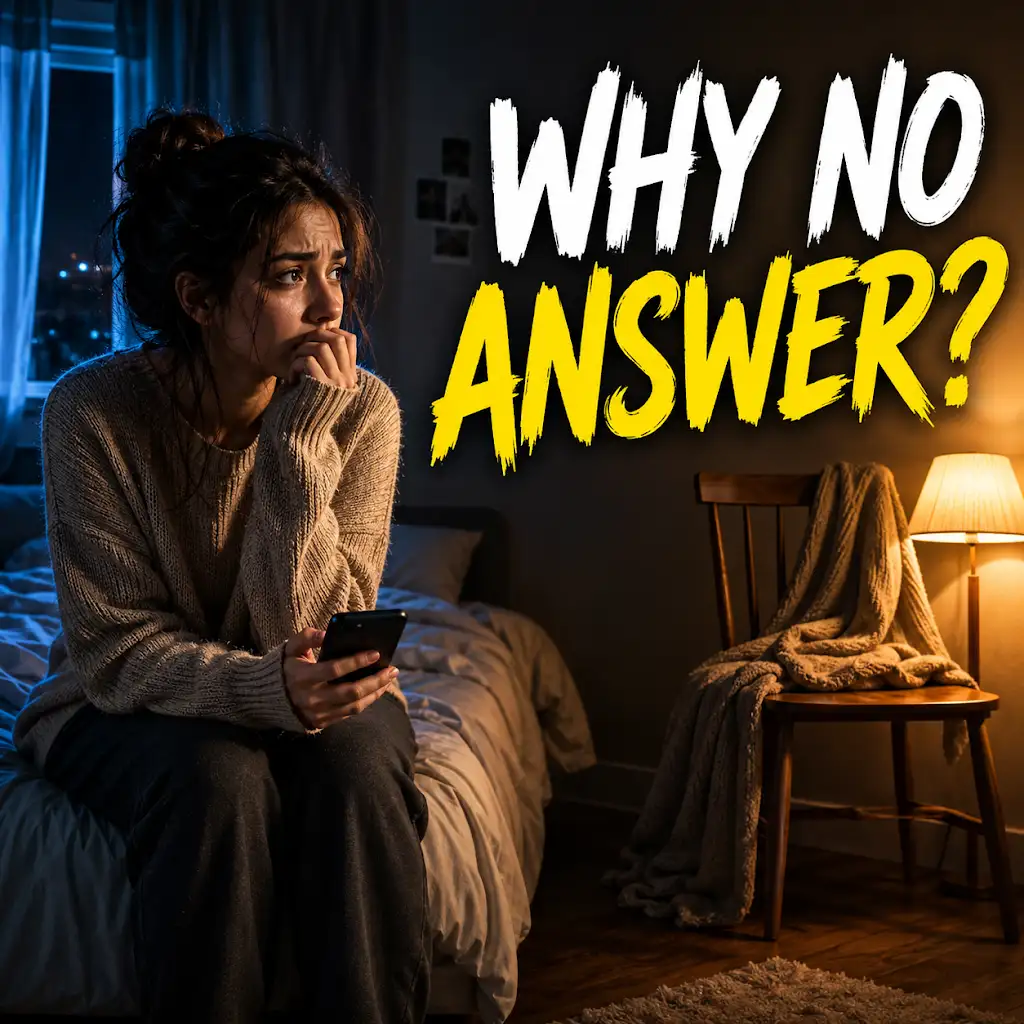
Why Your Brain Can’t Let Go When Someone Ignores You
FAQs
What is ghosting?
Ghosting is the act of suddenly ending all communication with someone without any explanation or warning. This can happen in various types of relationships, such as romantic, friendship, or professional.
Why does ghosting make it hard to move on?
Ghosting can make it hard to move on because it leaves the person who has been ghosted with unanswered questions and unresolved feelings. The lack of closure can lead to feelings of confusion, rejection, and self-doubt, making it difficult to let go and move forward.
What are the psychological effects of being ghosted?
Being ghosted can have negative psychological effects, including feelings of abandonment, low self-esteem, and anxiety. It can also lead to a loss of trust in others and difficulty forming new relationships.
How can someone cope with being ghosted?
Coping with being ghosted involves acknowledging and processing the emotions that come with the experience. Seeking support from friends, family, or a therapist can also be helpful in navigating the feelings of rejection and moving on from the situation.
What are some alternatives to ghosting when ending a relationship?
Instead of ghosting, it is more respectful and considerate to have an open and honest conversation with the person to communicate the desire to end the relationship. This allows for closure and gives both parties the opportunity to express their feelings and thoughts.