
The Unabomber: A True Story Documentary, a compelling examination of one of America’s most notorious domestic terrorists, delves deep into the life and motivations of Theodore Kaczynski, a man who waged a 17-year bombing campaign that killed three and injured 23. This documentary, often praised for its in-depth research and nuanced portrayal, moves beyond the sensationalism often associated with such crimes to explore the complex psychological and sociological factors that may have contributed to Kaczynski’s descent into violence. It’s a story that continues to fascinate and disturb, prompting questions about societal progress, technological advancement, and the very definition of intellectualism.
The documentary meticulously reconstructs the early life of Ted Kaczynski, painting a portrait of a child prodigy whose prodigious intellect was evident from a young age. The filmmakers dedicate significant time to exploring his formative years, seeking to understand the roots of the man who would later become the Unabomber.
A Gifted Child’s Journey
“The Unabomber: A True Story Documentary” emphasizes Kaczynski’s extraordinary academic achievements. Born in Chicago in 1942, he skipped several grades and entered Harvard University at the remarkably young age of 16. The film showcases archival footage and interviews with those who knew him during this period, highlighting his intense focus and his undeniable brilliance in mathematics. This early period is presented not as a prelude to violence, but as a testament to an exceptional mind that struggled to conform to conventional societal expectations.
The Seeds of Isolation
While his intellectual capabilities were celebrated, the documentary also probes the subtle hints of isolation that began to surface during his youth. Interviews with former classmates and teachers suggest a personality that was introspective and often detached. The film explores the possibility that Kaczynski’s precocious intellect, while a source of admiration, may have also contributed to a sense of alienation from his peers. He was, by all accounts, different, and this difference, while fostering intellectual growth, also seemed to foster a growing sense of separation from the world around him.
Academic Pursuits and Growing Discontent
Kaczynski’s academic journey continued with a Master’s degree from the University of Michigan and a Ph.D. from Northwestern University. His doctoral dissertation, on boundary functions, is often cited as a prime example of his advanced mathematical thinking. However, even during these academic heights, the documentary suggests a simmering dissatisfaction with the intellectual and social structures of academia. The film touches upon his brief tenure as an assistant professor at the University of California, Berkeley, a period marked by an inability to connect with students and a growing aversion to the perceived superficiality of academic life. This dissatisfaction, the documentary argues, was a crucial turning point, a precursor to his eventual withdrawal from society.
For those interested in delving deeper into the complexities of Ted Kaczynski’s life and the psychological factors that contributed to his actions, a related article can be found at Unplugged Psych. This article explores the intricate relationship between Kaczynski’s upbringing, his radical beliefs, and the impact of his infamous manifesto. To read more about this fascinating analysis, visit Unplugged Psych.
The Unabomber Manifesto: A Call to Arms Against Modernity
Central to the documentary’s narrative is the Unabomber Manifesto, a sprawling essay titled “Industrial Society and Its Future.” This document, published by The Washington Post and The New York Times in 1995 under pressure from Kaczynski himself, is dissected and analyzed, revealing the core tenets of his anti-modernist ideology.
Deconstructing the Manifesto’s Core Arguments
“The Unabomber: A True Story Documentary” dedicates a significant portion to breaking down the complex arguments presented in the Manifesto. The film features experts in sociology, psychology, and political science who offer their interpretations of Kaczynski’s critique of industrial-technological society. The filmmakers explore his assertions that technology has alienated humans from nature, destroyed individual autonomy, and created a society of widespread psychological suffering. The documentary doesn’t shy away from the controversial nature of these ideas, presenting them as a genuine, albeit deeply disturbing, philosophical stance.
The Rejection of Progress
A key theme that emerges from the analysis of the Manifesto is Kaczynski’s profound rejection of what he perceived as relentless and destructive “progress.” He argued that technological advancement, rather than liberating humanity, had instead enslaved it, leading to a dependence on systems that stripped individuals of their freedom and dignity. The documentary illustrates his belief that modern society fostered a sense of powerlessness and surrogate activities – hobbies and pastimes that served as a substitute for genuine struggle and accomplishment. This, he contended, led to widespread anxiety, depression, and a loss of meaning.
The Justification for Violence
Crucially, the documentary explores how the Manifesto served as Kaczynski’s justification for his violent actions. He argued that the destructive nature of industrial society necessitated a forceful response, a “revolution” to dismantle the very foundations of the system. The film highlights the chilling logic that he employed, framing his bombings not as random acts of terrorism, but as a deliberate and necessary response to the perceived existential threat posed by technological society. This aspect of the documentary is particularly unsettling, forcing viewers to confront the chilling rationality that underpinned his reign of terror.
The Hunt for the Unabomber: A Decades-Long Investigation
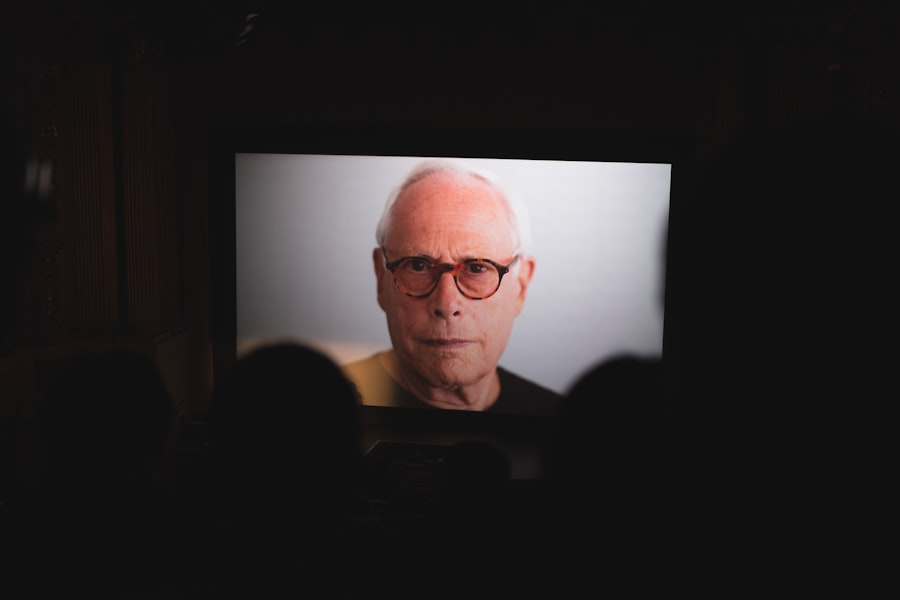
The documentary meticulously chronicles the extraordinary efforts undertaken by the Federal Bureau of Investigation (FBI) in its protracted and often frustrating pursuit of the Unabomber. This section of the film underscores the sheer scale and complexity of the investigation.
The Unprecedented Task Force
“The Unabomber: A True Story Documentary” details the establishment of one of the largest and most resource-intensive investigations in FBI history. The film illustrates the formation of the Unabomber Task Force, comprised of agents from various disciplines, all tasked with a single objective: to identify and apprehend the elusive bomber. The documentary emphasizes the immense pressure on these individuals, the constant threat of further attacks, and the limited clues available in the early years of the investigation.
The Elusive Bomber’s Tactics
The filmmakers explore the sophisticated methods employed by Kaczynski to evade detection. His meticulous planning, his use of disguises, and his ability to operate with extreme secrecy are all highlighted. The documentary examines how he selected his targets, often individuals associated with technology or academia, and how he carefully constructed and delivered his deadly packages, leaving behind a trail of fear and uncertainty. The film makes it clear that Kaczynski was not an amateur, but a cunning adversary who meticulously orchestrated his campaigns of terror.
The Turning Point: The Manifesto’s Publication
The publication of the Unabomber Manifesto in 1995 is presented as a pivotal moment in the investigation. The documentary explains the intense debate within the FBI and the government about whether to accede to Kaczynski’s demands, a decision fraught with ethical and practical considerations. The filmmakers showcase the hope and apprehension that swept through the task force as they believed this publication might finally lead to Kaczynski’s identification, as they hoped someone would recognize the writing style or the ideology. This gamble, while controversial, ultimately proved to be the key to unlocking the mystery.
The Unmasking and Apprehension: The Role of David Kaczynski

A crucial element of the documentary’s narrative is the role played by Ted Kaczynski’s younger brother, David Kaczynski, in his eventual apprehension. This part of the story is handled with sensitivity, exploring the profound personal tragedy and ethical dilemma faced by David.
A Brother’s Suspicions
“The Unabomber: A True Story Documentary” delves into David Kaczynski’s growing suspicions about his brother. The film portrays a gradual dawning of realization, fueled by Ted’s increasingly strident anti-technology rhetoric and his evident alienation from society. David, a social worker and activist himself, initially struggled to reconcile the loving brother he knew with the terrifying figure responsible for the bombings. The documentary uses interviews and archival materials to illustrate David’s internal conflict and his agonizing journey towards accepting the unthinkable.
The Difficult Decision to Act
The filmmakers dedicate significant attention to the immense moral weight of David Kaczynski’s decision to contact the authorities. The documentary explores the emotional turmoil he experienced, torn between his familial loyalty and his civic duty. The film conveys the bravery it took for him to betray his brother, a decision that would inevitably lead to Ted’s arrest and a lifetime in prison. This aspect of the story is deeply humanizing, showcasing the profound personal cost of confronting such a dark reality within one’s own family.
The Forensic Analysis and Identification
The documentary explains how David Kaczynski, along with his wife, Linda, provided crucial evidence to the FBI. They submitted their brother’s writings, which were then subjected to meticulous linguistic analysis. The film details the painstaking comparison of these writings with the Unabomber Manifesto, ultimately confirming the stylistic and thematic similarities. This forensic breakthrough, driven by familial knowledge and a profound sense of justice, is presented as the final piece of the puzzle that led to Ted Kaczynski’s identification and eventual arrest.
The true story of Ted Kaczynski, often referred to as the Unabomber, has captivated audiences through various documentaries that explore his life and motivations. For those interested in a deeper analysis of his psychological profile and the impact of his actions, a related article can provide valuable insights. You can read more about this fascinating subject in the article available at this link, which delves into the complexities of Kaczynski’s mindset and the broader implications of his crimes.
Legacy and Reflection: The Enduring Questions
| Documentary Title | Release Year | Director | Runtime | IMDb Rating |
|---|---|---|---|---|
| Ted Kaczynski: The Unabomber | 2020 | Various | 60 minutes | 7.5/10 |
“The Unabomber: A True Story Documentary” does not end with Kaczynski’s capture. Instead, it moves into a reflective phase, exploring the enduring questions raised by his case and the lasting impact of his actions.
The “Mad Genius” Debate
The documentary engages with the persistent debate surrounding Kaczynski’s mental state. While he was deemed legally sane enough to stand trial, the film presents arguments from various perspectives, including those of psychologists and legal experts, who offer their assessments of his psychological makeup. The filmmakers explore the notion of the “mad genius,” a trope often associated with brilliant individuals who exhibit eccentric or dangerous behaviors, and whether Kaczynski fits this category. The documentary avoids definitive pronouncements, instead offering a nuanced exploration of the complexities of his mind.
The Relevance of His Criticisms
One of the most unsettling aspects of the documentary is its examination of the surprising relevance of some of Kaczynski’s criticisms of industrial-technological society. While his methods were unequivocally abhorrent, the film prompts viewers to consider whether his pronouncements about the dehumanizing effects of technology, the erosion of individual autonomy, and the prevalence of mental health issues in modern society hold any validity. The documentary doesn’t endorse his ideology but rather encourages a critical examination of the societal trends he so vehemently opposed.
The Unabomber’s Place in History
Ultimately, “The Unabomber: A True Story Documentary” seeks to contextualize Ted Kaczynski’s story within a broader historical and sociological framework. The film explores his place in the pantheon of notorious criminals and domestic terrorists, examining what makes his case so enduringly fascinating. It’s a story that continues to spark debate, a chilling reminder of the darker potentials that can emerge from intellectual brilliance when it is divorced from empathy and societal connection, and a stark illustration of the complex relationship between individual psychology and the forces of societal change. The documentary leaves the viewer with a profound sense of unease, prompting contemplation on the nature of progress, the price of knowledge, and the enduring mystery of human motivation.
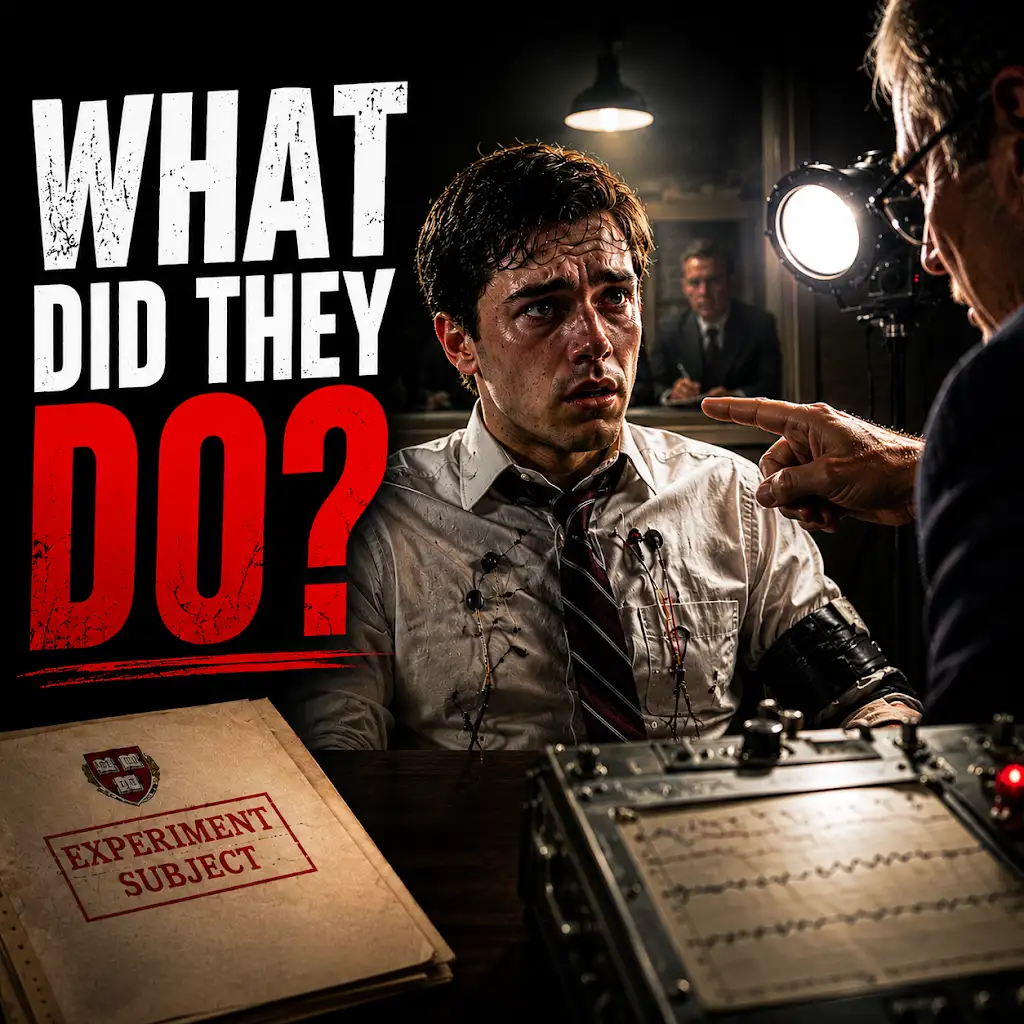
What Did Harvard Do to Ted Kaczynski?
FAQs
1. Who is Ted Kaczynski?
Ted Kaczynski, also known as the “Unabomber,” is an American domestic terrorist and former mathematics professor. He carried out a bombing campaign from the late 1970s to the mid-1990s, targeting individuals involved with modern technology.
2. What is the true story documentary about Ted Kaczynski?
The true story documentary about Ted Kaczynski explores his life, motivations, and the events leading up to his arrest and conviction for his crimes. It delves into his background, radical beliefs, and the impact of his actions on society.
3. When was Ted Kaczynski arrested?
Ted Kaczynski was arrested on April 3, 1996, at his remote cabin in Montana, following a nationwide manhunt. He was charged with multiple bombings and related crimes, ultimately leading to his conviction and life imprisonment.
4. What is the purpose of the documentary about Ted Kaczynski?
The purpose of the documentary is to provide a comprehensive and factual account of Ted Kaczynski’s life and criminal activities. It aims to shed light on the motivations behind his actions and the impact he had on the individuals and institutions he targeted.
5. Where can I watch the Ted Kaczynski true story documentary?
The Ted Kaczynski true story documentary may be available for streaming on various platforms, such as streaming services, documentary-focused channels, or online rental/purchase platforms. Check with your preferred streaming service or online retailer for availability.