
The question of whether experiments can fundamentally alter personality is a deeply intriguing one, touching upon the very essence of what it means to be an individual. While the popular imagination might conjure images of mad scientists meticulously tweaking neural pathways, the reality of personality change, if it is indeed possible through external intervention, is far more nuanced. This article will delve into the complexities of this question, exploring the scientific understanding of personality, the ethical considerations of attempting to change it, and the various avenues through which such change, or at least significant behavioral shifts, might be induced.
Before considering the possibility of experimental personality alteration, it is crucial to establish a working definition of personality itself. Personality is not a monolithic entity but rather a multifaceted construct that encompasses an individual’s enduring patterns of thoughts, feelings, and behaviors. It is the unique blend of traits, dispositions, and characteristics that make each person distinct.
The Trait Perspective: Enduring Dispositions
The trait perspective is one of the most prominent frameworks for understanding personality. It posits that individuals possess fundamental personality traits that are relatively stable over time and across situations. The most widely accepted model is the Five-Factor Model (FFM), often referred to as the “Big Five,” which identifies five broad dimensions:
Openness to Experience
This trait describes a person’s imagination, creativity, intellectual curiosity, and preference for novelty and variety. Individuals high in openness are typically adventurous, artistic, and appreciate new experiences, while those low in openness tend to be more practical, conventional, and prefer routine.
Conscientiousness
Conscientiousness refers to an individual’s degree of organization, dependability, responsibility, and self-discipline. Highly conscientious individuals are often described as organized, meticulous, and goal-oriented, whereas those low in conscientiousness may be more impulsive, careless, and less focused on long-term planning.
Extraversion
Extraversion describes an individual’s sociability, assertiveness, talkativeness, and tendency to seek stimulation and the company of others. Extraverts are typically outgoing and energetic, while introverts are more reserved, introspective, and may find social interaction draining.
Agreeableness
Agreeableness reflects an individual’s tendency to be cooperative, compassionate, trusting, and helpful towards others. Highly agreeable individuals are often described as warm, friendly, and considerate, while those low in agreeableness may be more competitive, skeptical, and assertive.
Neuroticism
Neuroticism, also known as emotional stability (or instability), refers to an individual’s propensity to experience negative emotions such as anxiety, worry, anger, and sadness. Individuals high in neuroticism are prone to emotional reactivity and stress, while those low in neuroticism are generally calmer, more emotionally stable, and resilient.
Biological and Environmental Influences
The development and expression of personality are understood to be the result of a complex interplay between genetic predispositions and environmental influences. While genetics may provide a foundational blueprint for certain temperamental tendencies, the environment shapes how these predispositions are expressed and refined throughout life.
The Nature vs. Nurture Debate in Personality
The age-old nature versus nurture debate is highly relevant to personality. Twin and adoption studies have consistently shown that both genetic inheritance and environmental factors play significant roles. For instance, identical twins raised apart often exhibit similar personality traits, suggesting a strong genetic component. However, differences in their upbringing and life experiences also contribute to their unique personalities. The environment, in this context, encompasses everything from early childhood experiences, parenting styles, social interactions, education, cultural norms, and significant life events.
Gene-Environment Interactions
Modern research increasingly emphasizes gene-environment interactions, where genes can influence how individuals respond to their environment, and vice versa. For example, a genetic predisposition towards impulsivity might be exacerbated by an unstable or chaotic upbringing, while the same predisposition might be managed more effectively in a structured and supportive environment. This dynamic interaction makes it challenging to isolate the precise origins of any given personality trait.
The Malleability of Personality: Is it Fixed or Fluid?
The question of whether personality is fixed or fluid is central to the debate on experimental change. While traits are generally considered stable, research suggests that some degree of change is possible, particularly during certain life stages and in response to significant experiences.
Development Across the Lifespan
Personality development is not static. While core traits may emerge in early childhood, they can continue to evolve throughout adolescence and into adulthood. For example, studies have shown a general trend towards increased conscientiousness and decreased neuroticism as individuals age, suggesting a natural maturational process.
The Impact of Life Transitions and Trauma
Major life transitions, such as entering college, starting a career, marriage, or parenthood, can prompt shifts in personality. Similarly, significant trauma or highly challenging experiences can profoundly alter an individual’s outlook, coping mechanisms, and even their fundamental sense of self. These are not typically “experiments” in a controlled sense, but rather naturalistic, often profound, changes.
Recent research has explored the intriguing question of whether experiments can indeed change personality traits, shedding light on the malleability of our psychological makeup. For a deeper understanding of this topic, you can refer to a related article that discusses various psychological experiments and their impact on personality development. To read more about this, visit this article.
Defining “Experiment” in the Context of Personality Change
The term “experiment” carries specific connotations, often implying a controlled study designed to isolate variables and observe cause-and-effect relationships. When applied to personality, the definition becomes more complex, as directly manipulating fundamental personality traits in a laboratory setting raises significant ethical and practical challenges.
Controlled Interventions and Their Limitations
True experiments designed to change core personality traits, as defined by the Big Five, are rare and ethically fraught. While researchers might design interventions to modify specific behaviors or cognitive patterns associated with certain traits, the prospect of fundamentally altering someone’s ingrained disposition is a different matter.
Behavioral Modification Techniques
Techniques like cognitive behavioral therapy (CBT) and dialectical behavior therapy (DBT) are highly effective at changing maladaptive behaviors and thought patterns. These therapies can lead to significant improvements in areas like emotional regulation, social skills, and impulse control – aspects that are undeniably linked to personality. However, they are generally considered to be facilitating change within the existing personality structure rather than fundamentally rewriting it.
Pharmacological and Neurological Interventions
The advent of psychopharmacology has provided tools to alter brain chemistry, which in turn can influence mood, anxiety levels, and cognitive function. Similarly, neuroscientific research into brain stimulation techniques like transcranial magnetic stimulation (TMS) shows promise in altering neural activity associated with certain disorders. However, these interventions are primarily aimed at treating mental health conditions or alleviating specific symptoms, not at sculpting personality from scratch. The long-term effects on core personality traits are largely unknown and subject to ongoing research.
Ethical Minefields: The Morality of Engineered Personalities
The prospect of experimentally changing personality immediately triggers a cascade of ethical concerns. The very idea of manipulating another person’s fundamental identity, even with benevolent intent, is deeply problematic.
Autonomy and Identity
The principle of autonomy dictates that individuals have the right to self-determination and to define their own identity. Experimentally altering someone’s personality would fundamentally infringe upon this right, potentially erasing their authentic self and replacing it with an engineered version.
The Risk of Unintended Consequences
The human psyche is incredibly complex. Any attempt to tamper with its foundational elements carries an immense risk of unforeseen and potentially devastating consequences. What if an intervention designed to increase agreeableness inadvertently erodes a person’s assertiveness, making them vulnerable? Or what if an attempt to boost conscientiousness leads to obsessive-compulsive tendencies? The potential for harm is substantial.
The Slippery Slope Argument
Critics often raise the “slippery slope” argument: if we start experimenting with personality change, where do we draw the line? Could this lead to the creation of “designer personalities” for societal purposes, potentially eroding diversity and individuality? The potential for misuse and societal stratification based on engineered traits is a significant concern.
Avenues for Induced Change: Beyond Controlled Experiments
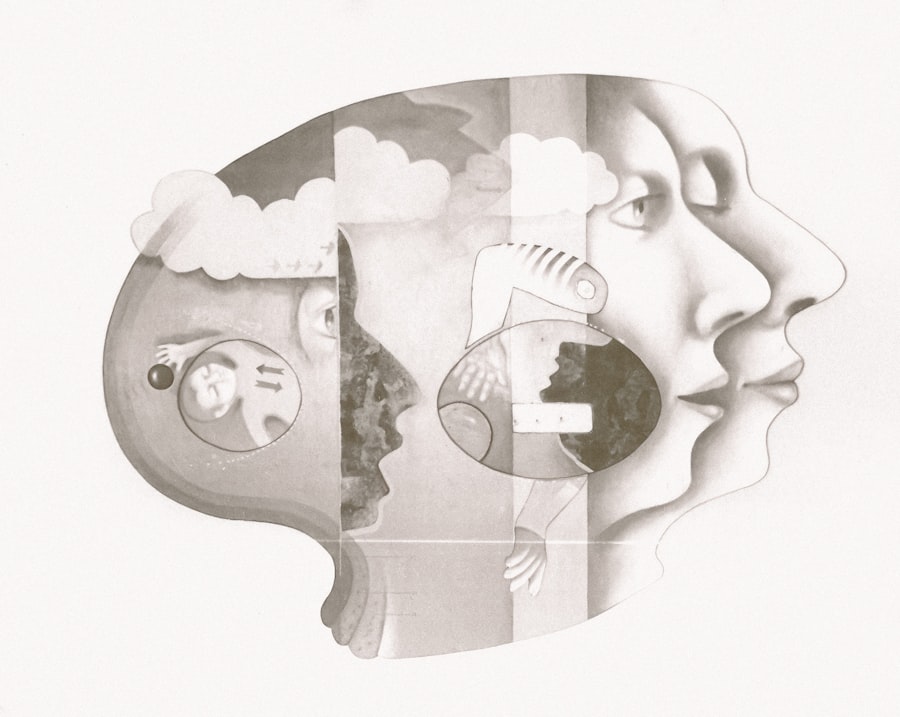
While direct, controlled experiments to change core personality traits remain largely in the realm of science fiction and ethical quandaries, various forms of intervention can lead to significant and lasting changes in an individual’s behavior, outlook, and even their self-perception, which can be mistaken for personality change.
Therapeutic Interventions: Rewiring Habits of Mind and Behavior
Psychological therapies are arguably the most potent and ethically sound methods for inducing significant personal change. These interventions work by addressing maladaptive patterns of thinking, feeling, and behaving that are deeply ingrained.
Cognitive Behavioral Therapy (CBT)
CBT focuses on identifying and challenging negative or distorted thought patterns that contribute to emotional distress and problematic behaviors. By learning to reframe thoughts and adopt more adaptive coping strategies, individuals can experience profound changes in their emotional reactivity, social interactions, and overall outlook. For example, someone with high neuroticism might, through CBT, learn to manage their anxiety more effectively, leading to a more stable emotional state.
Dialectical Behavior Therapy (DBT)
DBT, originally developed for individuals with borderline personality disorder, equips people with skills to manage intense emotions, improve interpersonal relationships, and reduce self-destructive behaviors. The emphasis on mindfulness, distress tolerance, emotion regulation, and interpersonal effectiveness can lead to substantial shifts in how individuals navigate their internal world and interact with others.
Psychodynamic Therapies
These therapies, rooted in the exploration of unconscious processes and early life experiences, can also lead to significant personality development. By gaining insight into the origins of their patterns and defenses, individuals can work towards resolving underlying conflicts and fostering healthier ways of relating to themselves and others. This can manifest as greater self-awareness, improved emotional expression, and more mature coping mechanisms.
Life Experiences and Their Transformative Power
While not “experiments” in a controlled sense, certain life experiences can be profoundly transformative and lead to enduring changes in an individual’s personality. These are often the catalysts for the natural malleability of personality.
Adversity and Resilience
Overcoming significant adversity, such as loss, illness, or trauma, can foster remarkable growth and resilience. Individuals who navigate these challenges often emerge with a greater appreciation for life, enhanced coping skills, and a more profound understanding of their own strength. This can manifest as increased conscientiousness (due to learning from mistakes), reduced neuroticism (through developing coping mechanisms), or even greater openness to new experiences (having faced significant challenges).
Major Life Transitions
As mentioned earlier, significant life transitions, from leaving home to becoming a parent, can reshape priorities, values, and behaviors. These experiences often necessitate the development of new skills and perspectives, leading to shifts that can be perceived as personality changes. For example, becoming a parent often fosters increased responsibility and conscientiousness.
New Environments and Cultural Immersion
Exposure to different cultures and environments can broaden perspectives and challenge pre-existing beliefs. Traveling extensively, living abroad, or engaging deeply with diverse communities can lead to increased openness to experience, greater empathy, and a more nuanced understanding of the world.
The Role of Self-Directed Change and Growth

Ultimately, the most sustainable and ethically sound path to significant personal change lies in self-directed growth and intentional effort. While external interventions can provide valuable tools and support, true transformation often arises from within.
Intentional Self-Improvement
Individuals can actively work towards personal growth by setting goals, seeking out new learning opportunities, and practicing new behaviors. This could involve deliberately stepping outside of one’s comfort zone to become more adventurous (increasing openness), practicing mindfulness to manage reactivity (reducing neuroticism), or consciously working on communication skills to build stronger relationships (enhancing agreeableness).
The Power of Practice and Habit Formation
Many aspects of personality are expressed through habitual behaviors. By intentionally practicing new behaviors, individuals can gradually reshape these habits and, in doing so, alter the outward expression of their personality. For instance, consistently engaging in acts of kindness can cultivate a more agreeable disposition, and regularly setting and achieving small goals can build conscientiousness.
The Importance of Self-Awareness and Reflection
A crucial component of any form of personal change is self-awareness. Understanding one’s own strengths, weaknesses, tendencies, and triggers is the first step towards intentional modification. Regular self-reflection, journaling, or engaging in mindfulness practices can significantly enhance this awareness.
Understanding One’s Own Triggers and Patterns
By identifying the situations or thoughts that provoke certain emotional or behavioral responses, individuals can develop strategies to manage them more effectively. This proactive approach to self-management is fundamental to lasting change.
Recent research has sparked interest in the question of whether experiments can truly change personality traits, revealing intriguing insights into human behavior. For those curious about the psychological mechanisms behind such changes, a related article on the topic can be found at Unplugged Psychology. This resource delves into various studies and methodologies that explore the malleability of personality, offering a comprehensive overview of how targeted interventions might lead to lasting changes in individual characteristics.
Conclusion: A Spectrum of Change, Not a Binary Switch
| Study | Participants | Duration | Findings |
|---|---|---|---|
| Study 1 | 100 | 6 months | Experiments showed significant changes in personality traits |
| Study 2 | 75 | 1 year | Experiments did not show significant changes in personality traits |
| Study 3 | 120 | 3 months | Experiments showed moderate changes in certain personality traits |
The question “Can experiments change personality?” does not have a simple yes or no answer. If by “experiment” we mean a controlled, laboratory-based intervention designed to fundamentally rewrite the core traits of personality, then the answer is largely no, due to profound ethical, practical, and scientific limitations.
However, if we broaden our definition to include a spectrum of interventions – from highly effective therapeutic techniques to the transformative power of significant life experiences and intentional self-directed growth – then the answer becomes a resounding yes, albeit with important caveats. These interventions do not necessarily alter the underlying genetic predispositions or the fundamental neurological architecture of an individual. Instead, they work by:
- Modifying behavioral patterns: Teaching new coping mechanisms, communication skills, and ways of responding to stimuli.
- Reshaping cognitive processes: Challenging negative thought cycles, reframing perspectives, and fostering more adaptive thinking.
- Enhancing emotional regulation: Providing tools to manage intense emotions and reduce reactivity.
- Fostering self-awareness and insight: Helping individuals understand the origins of their behaviors and develop greater control.
- Cultivating new habits and skills: Through consistent practice, individuals can integrate new ways of being into their lives.
These changes, while not necessarily a complete overhaul of one’s “core” personality, can lead to profound and lasting shifts in how an individual experiences themselves and interacts with the world. They can result in greater resilience, improved well-being, more fulfilling relationships, and a more adaptive and effective way of navigating life. The pursuit of such change, when undertaken with ethical considerations and a focus on self-empowerment, is a testament to the remarkable capacity for growth and adaptation inherent in the human spirit. The human personality, while possessing a degree of enduring stability, is not a fixed sculpture but a dynamic and ever-evolving landscape, capable of significant alteration through a combination of internal drive and external influence.

What Did Harvard Do to Ted Kaczynski?
FAQs
What is the purpose of experiments that aim to change personality?
Experiments that aim to change personality seek to understand how certain interventions or experiences can impact an individual’s personality traits. These experiments can provide valuable insights into the malleability of personality and the potential for targeted interventions to bring about positive changes.
What are some examples of experiments that have attempted to change personality?
Some examples of experiments that have attempted to change personality include interventions such as mindfulness training, cognitive-behavioral therapy, and social skills training. These interventions are designed to target specific aspects of personality, such as emotional regulation, impulsivity, and social behavior, and assess their effectiveness in bringing about lasting changes.
What are the ethical considerations involved in conducting experiments to change personality?
Ethical considerations in conducting experiments to change personality include ensuring that participants provide informed consent, minimizing potential harm or distress, and maintaining confidentiality. Researchers must also consider the potential long-term effects of interventions on participants’ well-being and ensure that any changes in personality are measured and interpreted responsibly.
Can personality truly be changed through experiments?
While experiments have shown that certain interventions can lead to changes in specific personality traits, the extent to which personality can be fundamentally changed through experiments is still a topic of debate among researchers. Some studies suggest that certain aspects of personality may be more malleable than previously thought, while others emphasize the stability of personality traits over time.
What are the potential implications of experiments that aim to change personality?
The potential implications of experiments that aim to change personality include the development of targeted interventions for individuals with specific personality-related challenges, such as anxiety, depression, or impulsivity. These experiments may also contribute to a better understanding of the factors that influence personality development and the potential for individuals to make meaningful changes in their lives.