
You’ve always prided yourself on being a sensible person. You plan, you prepare, you’ve built a life that feels solid, predictable, and, most importantly, safe. You’ve got your emergency fund, your sturdy home, your reliable car, your established routines. You’ve meticulously curated an environment that shields you from the jagged edges of the world. This sense of security, this comfortable bubble, is your bedrock. But have you ever stopped to truly examine what lies beneath that comfortable surface? Have you considered that the very things that make you feel safe might be the most insidious forms of illusion?
You’ve likely spent years, perhaps even decades, cultivating your comfort zone. It’s a space meticulously crafted from your preferences, your habits, and your established knowledge. The familiar hum of your refrigerator, the worn path to your favorite coffee shop, the predictable rhythm of your workday – these are the threads that weave the tapestry of your daily existence. And within this tapestry, you’ve found a profound sense of security. It’s a feeling that whispers, “You know what to expect. You are in control.”
The Siren Song of Routine
Your routines are your trusty companions, guiding you through the days and weeks with effortless grace. They’re theautopilot settings that allow your brain to conserve energy, freeing up cognitive resources for other pursuits. Waking up at the same time, brewing the same coffee, taking the same route to work – these actions become so ingrained that you perform them without conscious thought. This predictability, this absence of jarring surprises, feels inherently safe. It’s like navigating a well-lit, familiar road. But what happens when that road abruptly ends, or when a sudden storm obscures all familiar landmarks?
The Echo Chamber of Your Own Beliefs
Within your comfort zone, you tend to surround yourself with information and people that reinforce your existing beliefs and perspectives. This creates an echo chamber, where dissenting voices are muted and challenging ideas are rarely encountered. This is comfortable because it validates your worldview, making you feel understood and right. It’s a pleasant validation, a confirmation that your understanding of the world is accurate and sound. But this validation can also blind you to alternative realities, to emerging threats, and to the possibility that your well-trodden path might be leading you astray.
The Illusion of Control Through Predictability
Your reliance on predictability stems from a deep-seated human desire for control. When you can anticipate what’s coming, you feel empowered. You feel like you’re steering the ship, not simply being carried by the currents. This is why you plan meticulously, why you gather information, and why you strive to minimize variables. The illusion of control is powerful. It allows you to dismiss anxieties and to sleep soundly at night, believing that you’ve accounted for every eventuality. However, the world is an inherently unpredictable place, and your carefully constructed predictability is often a fragile defense against forces far larger than yourself.
Safety is a complex concept that often doesn’t align with our feelings of security, as explored in the article “Why Safety Doesn’t Always Feel Safe” on Unplugged Psych. This piece delves into the psychological factors that contribute to our perceptions of safety, illustrating how past experiences, societal influences, and personal beliefs can create a disconnect between actual safety measures and our emotional responses. For a deeper understanding of this phenomenon, you can read the article here: Why Safety Doesn’t Always Feel Safe.
The Subtle Erosion of Security: When What You Don’t Know Can Hurt You
The most dangerous illusions of safety are often the ones you don’t even realize you’re under. They are the subtle erosions, the gradual shifts that occur unnoticed until they’ve fundamentally altered your position. These are the vulnerabilities that lie hidden within the very structures you’ve built to protect yourself.
The Blind Spots of Expertise
You might be an expert in your field, a master of your domain. You’ve dedicated years to honing your skills, acquiring knowledge, and refining your techniques. This expertise provides a strong sense of security. You feel confident in your ability to navigate challenges within your chosen area. However, your very depth of knowledge in one area can create a profound ignorance in others. Your specialized focus can lead to blind spots, areas where you lack the awareness or understanding to recognize potential risks. You might be so adept at spotting a flaw in a blueprint that you entirely miss the earthquake preparing to rumble beneath the foundation.
The Overlooked Dependencies in Your Network
Your life is not lived in isolation. You are intricately connected to a vast network of people, systems, and infrastructures. Your comfort and security are often dependent on the stability and integrity of these external entities. You rely on the power grid to keep the lights on, on the internet to stay connected, on public services to maintain order. You likely assume these systems are robust and reliable. But what happens when one of these crucial nodes falters? The ripple effect can be swift and devastating, exposing the fragility of your seemingly secure existence. Your reliance on a single supplier for a critical component, or your assumption that a particular online platform will always be available, can become a significant vulnerability.
The Silent Threat of Evolving Risks
The world is in a constant state of flux. New technologies emerge, geopolitical landscapes shift, and environmental challenges intensify. These evolving risks can render your existing security measures obsolete before you even realize they are no longer sufficient. You might have invested heavily in physical security for your home, but are you prepared for the growing threat of cyber-attacks that could compromise your digital life, your finances, and your personal information? The risks you prepared for might be the very ones that are no longer the most pressing, leaving you exposed to emergent dangers.
The False Peace of Homogeneity: When Sameness Isn’t Strength

You might believe that a lack of diversity in your immediate environment equates to a stable, predictable, and therefore safe existence. You might gravitate towards like-minded individuals, communities, and even information sources that share your values and perspectives. This can create a sense of belonging and unity, a feeling of being on the same page as everyone around you. However, this homogeneity, while comfortable, can paradoxically diminish your overall security.
The Limited Repertoire of Solutions
When everyone in your circle thinks alike, your problem-solving capabilities are inherently limited. You are less likely to encounter novel approaches or to be challenged with alternative viewpoints that could lead to more robust solutions. If a crisis arises that your collective experience hasn’t prepared you for, your options for effective response will be severely restricted. You might be trying to put out a fire with only water when the situation demands a different, more specialized approach that no one in your group has considered.
The Susceptibility to Groupthink and Complacency
Homogeneous groups are more susceptible to groupthink, a phenomenon where the desire for harmony or conformity in a group results in an irrational or dysfunctional decision-making outcome. This can lead to a collective complacency, where critical evaluation of ideas is suppressed, and potentially dangerous assumptions go unchallenged. The comfort of agreement can be a powerful sedative, preventing you from seeing the cracks in the facade.
The Missed Opportunities for Innovation and Adaptation
Innovation and adaptation thrive on the friction of diverse perspectives. When you only engage with people who think like you, you miss out on the cross-pollination of ideas that can lead to groundbreaking solutions and a more resilient approach to challenges. Your comfort with sameness can stifle the very creativity that could enhance your long-term security. You might be missing out on a crucial piece of information or a brilliant new strategy simply because it hasn’t been voiced within your familiar, homogenous circle.
The Shifting Sands of Perception: When What Feels Safe Isn’t Necessarily So
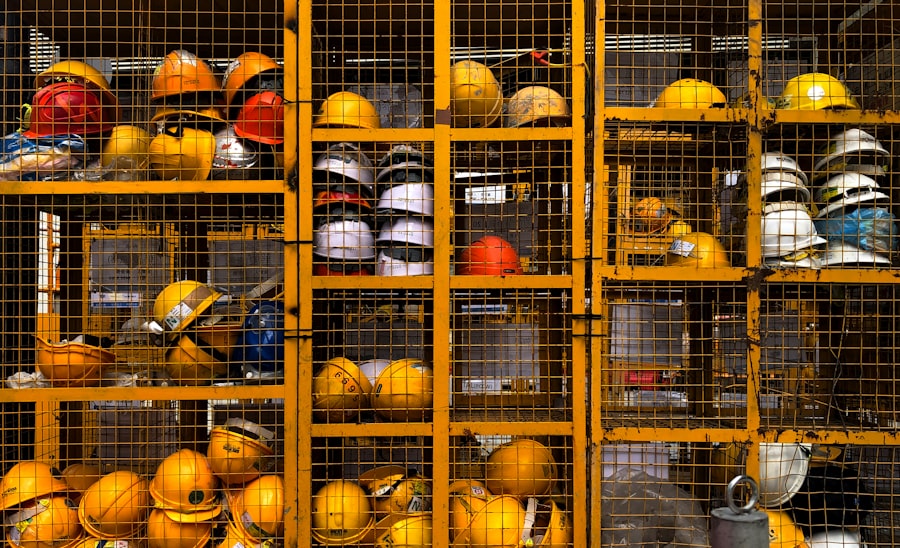
Your perception of safety is a complex interplay of external realities and internal psychological states. What feels safe to you might not align with objective security measures. This disconnect can leave you vulnerable, even when you feel perfectly secure.
The Psychological Reassurance of Familiarity
Humans are wired to seek familiarity. It triggers a sense of comfort and predictability, which our brains interpret as safety. This psychological reassurance can be so powerful that it can override rational assessments of risk. You might feel safe in your old, creaky car because you know its quirks and idiosyncrasies, even if a newer, more technologically advanced vehicle offers superior safety features. The comfort derived from the familiar overrides the objective assessment of potential danger.
The Glorification of the Status Quo
You might be so invested in your current comfortable state that you subconsciously resist any notion of change, even if that change could lead to greater security. The status quo, with all its familiar comforts, becomes an object of veneration. Any suggestion of disruption, even if intended to improve your safety, can be perceived as a threat to your current well-being. This can lead to a passive resistance to necessary adaptations, leaving you exposed as the world around you evolves.
The Impact of Media and Social Narratives
The media and the narratives that circulate within your social circles significantly shape your perception of risk. If the prevailing narrative is one of pervasive danger, you might become overly cautious and withdrawn, potentially missing out on opportunities. Conversely, if the narrative downplays certain risks, you might become complacent and ill-prepared. You are constantly being fed information that shapes your understanding of what is safe and what is not, and this information isn’t always an accurate reflection of reality.
The concept of safety often brings to mind a sense of security and comfort; however, many people find that safety does not always feel safe due to various psychological factors and personal experiences. For instance, an article that delves into this topic can be found at Unplugged Psychology, where it explores how our perceptions of safety can be influenced by past traumas and societal expectations. Understanding these nuances can help individuals navigate their feelings and create a more genuine sense of security in their lives.
Breaking Free: Cultivating True Security Through Acknowledged Vulnerability
| Reasons why safety does not always feel safe |
|---|
| Lack of trust in safety measures |
| Inadequate communication about safety protocols |
| Perception of risk despite safety measures |
| Previous negative experiences with safety measures |
| Uncertainty about the effectiveness of safety measures |
The illusion of safety is a powerful and persistent one. It’s a comforting blanket that can lull you into a false sense of security. However, true security isn’t found in the absence of risk, but in the conscious acknowledgment of it and the proactive development of resilience. Breaking free from the illusion requires a willingness to step outside your comfort zone, to embrace uncertainty, and to cultivate a more robust and adaptable approach to life.
Embracing Uncertainty as a Catalyst for Growth
Instead of fearing uncertainty, you can begin to view it as an inherent part of life, and even as a catalyst for growth and innovation. When you accept that you cannot control every variable, you become more adaptable. You develop the capacity to respond effectively to unexpected challenges, rather than being paralyzed by them. This means actively seeking out new experiences, learning new skills, and being open to different perspectives.
Diversifying Your Knowledge and Your Network
Actively seek out information that challenges your existing beliefs. Engage with people who have different backgrounds, experiences, and perspectives than your own. This diversification of knowledge and network will broaden your understanding of the world and equip you with a wider range of tools and insights to navigate its complexities. It’s about building a richer, more varied tapestry of understanding, rather than a monochrome one.
Developing Proactive Risk Management Strategies
True security isn’t about eliminating risk, but about managing it effectively. This means conducting regular assessments of your vulnerabilities, both personal and professional. It involves staying informed about emerging threats and adapting your strategies accordingly. It’s about moving from a reactive stance to a proactive one, where you are constantly anticipating potential problems and putting measures in place to mitigate them. This might involve investing in cybersecurity, diversifying your financial portfolio, or developing emergency preparedness plans.
Practicing Mindfulness and Self-Awareness
Cultivating mindfulness and self-awareness is crucial to discerning the difference between comfort and genuine security. By paying attention to your own thoughts, feelings, and reactions, you can begin to identify when your sense of safety is being driven by illusion rather than by reality. This self-awareness allows you to question your assumptions, to challenge your own complacency, and to make more informed decisions about your well-being. You learn to recognize the subtle signs that your comfort zone is becoming a cage, rather than a sanctuary. Ultimately, true security lies not in building impenetrable walls around yourself, but in developing the inner strength and adaptability to navigate the ever-changing landscape of life. It’s about recognizing that the most secure foundation is built not on the illusion of perfect safety, but on the solid ground of preparedness and conscious resilience.
Your Life Is Safe. So Why Are You Still on Alert?
FAQs
1. What is the concept of safety not always feeling safe?
Safety not always feeling safe refers to the psychological and emotional perception of safety. It is possible for individuals to be in a physically safe environment, yet still feel anxious, threatened, or uneasy due to various factors such as past trauma, lack of control, or perceived threats.
2. What are some reasons why safety may not always feel safe?
Some reasons why safety may not always feel safe include past traumatic experiences, lack of control in the environment, perceived threats or dangers, and individual differences in perception and response to safety measures.
3. How can organizations address the issue of safety not feeling safe?
Organizations can address the issue of safety not feeling safe by providing trauma-informed training for staff, creating environments that promote a sense of control and empowerment, addressing individual concerns and perceptions, and implementing comprehensive safety measures that consider psychological and emotional safety.
4. What are the potential consequences of safety not feeling safe?
The potential consequences of safety not feeling safe include increased stress and anxiety, decreased productivity and well-being, reluctance to participate in safety protocols, and a negative impact on overall mental health and organizational culture.
5. How can individuals work towards feeling safer in safe environments?
Individuals can work towards feeling safer in safe environments by seeking support from mental health professionals, practicing self-care and stress management techniques, communicating their concerns and needs to relevant parties, and actively participating in creating a sense of safety and control within their environment.