
You’ve found it. That coveted, sought-after state of being: stable. The relationship that’s not a rollercoaster of drama, not a precarious tightrope walk, but a well-trodden path, a comfortable armchair, a steady beat. Yet, for many of you, this very stability can become a breeding ground for a peculiar, insidious anxiety. It’s the fear that lurks in the quiet moments, the whispers in the back of your mind that ask, “Is this it? Is this all there is?” You might find yourself missing the spark, the intensity, the unpredictable thrill that once defined your romantic journey, and in its absence, a disquieting unease settles in. This isn’t about wanting chaos; it’s about grappling with the subtle, often unspoken, anxieties that stable relationships can present.
You’ve achieved what so many strive for: a partner you can rely on, a life you can plan, a shared future that feels secure. The days of uncertainty, of second-guessing intentions, of the heart-stopping uncertainty of whether they’ll call back, are long gone. And that’s a good thing, right? Absolutely. But for some of you, this very lack of drama can feel… flat.
The Ghost of Thrills Past
You remember the early days. The butterflies that felt like a flock of birds, the late-night calls that stretched into dawn, the thrill of discovering each other’s quirks and secrets. There was an electric charge in the air, a sense of uncharted territory. Now, you know their coffee order by heart, you can predict their reaction to a stressful day, and the surprises are usually limited to finding the last cookie gone. While this familiarity breeds comfort, it can also trigger a longing for that potent cocktail of excitement and anticipation. You might find yourself reminiscing about the “good old days” of your relationship, even when the present is objectively good.
The Comfort Conundrum
Comfort is the bedrock of a stable relationship, but it can also be a gilded cage. When you’re so deeply comfortable, the need to actively work at the relationship can feel diminished. This isn’t to say you’re lazy or unappreciative, but rather that the constant low-level vigilance required in newer relationships has faded. This can lead to a sense of complacency, not necessarily in your partner, but in yourself. You might find yourself questioning if you’re still making an effort, if you’re still truly seen and seen in return, or if you’ve simply become a comfortable fixture.
The Internal Dialogue of Doubt
Even when things are objectively good, your internal monologue can become your worst enemy. You might find yourself analyzing small interactions, searching for hidden meanings, or projecting insecurities onto the smooth surface of your relationship. “Why did they say that?” you might wonder, even if their tone was perfectly neutral. This constant need to interpret and re-interpret can be exhausting and fuel the anxiety that something is subtly, or not so subtly, amiss.
Stable relationships can often evoke feelings of anxiety for various reasons, such as fear of vulnerability or the pressure to maintain a certain image. For a deeper understanding of this phenomenon, you might find the article on Unplugged Psych insightful. It explores the complexities of emotional connections and how they can trigger anxiety in individuals. To read more about this topic, visit this article.
The Pressure of Perfection: When Stability Demands an Unrealistic Standard
Once a relationship finds its footing, there’s often an unspoken pressure to maintain that stability, to ensure it remains the picture of health. This can manifest as a fear of rocking the boat, of introducing any element that might disrupt the perceived harmony.
The Fear of “The Talk”
You know those conversations that can feel like navigating a minefield? The ones about future plans, deeper feelings, or potential conflicts. In the initial stages, these are often natural and essential. But in a stable relationship, the fear of initiating “the talk” can be amplified. You might worry that bringing up a concern, however minor, will be interpreted as dissatisfaction, as a crack in the foundation that could lead to bigger problems. This can lead to suppressing your needs or anxieties, which in turn festers and grows.
The Weight of Expectations
Both you and your partner likely have expectations for a stable relationship. These might be conscious or subconscious, but they’re there. You might expect continued affection, shared interests, mutual support, and a general sense of contentment. When the day-to-day reality doesn’t perfectly align with these expectations, a sense of disappointment can creep in, fueling anxiety. You might feel like you’re failing to meet the unspoken criteria of a “good” stable relationship.
The Illusion of Effortlessness
There’s a romanticized notion that stable relationships are effortless, that once you’ve found “the one,” everything just falls into place. This is a myth. While stability can reduce friction, it still requires active nurturing. The anxiety can arise when you perceive that effort is no longer being made, either by you or your partner. You might feel guilty for not initiating enough, or resentful if you feel you’re doing all the heavy lifting.
The Existential Drift: Questioning the “Why” When the “What” Is Settled

When the practicalities of a relationship are secure – shared finances, a comfortable home, a predictable routine – your mind can wander to more philosophical territory. The “what” of your relationship is settled, but the “why” can become a source of gnawing doubt.
The Pursuit of Growth and Evolution
Human beings are inherently growth-oriented. We seek to learn, to evolve, to challenge ourselves. If your relationship feels like it has plateaued, that sense of stagnation can trigger existential anxiety. You might question if you’re still growing as individuals within the relationship, or if you’ve become too intertwined to pursue separate developmental paths. The fear is that you might lose yourself in the comfort of togetherness.
The Fear of Missed Opportunities
When you’re deeply committed to a stable relationship, the world of possibilities can seem to shrink. You might wonder about the paths not taken, the experiences you might have had if you were single, or if this relationship, while good, is truly the best for you. This isn’t about infidelity; it’s a more abstract anxiety about the life you might be foregoing. The comfort of stability can ironically highlight the opportunities you’re choosing not to pursue.
The Search for Deeper Meaning
Beyond the daily routines and shared experiences, you might crave a deeper, more profound sense of purpose within your relationship. When that sense of profound connection feels elusive, or when the meaning you once found starts to wane, it can lead to existential angst. You might question if your relationship is truly contributing to your overall sense of fulfillment and purpose in life.
The External Gaze: How Society’s Definition of “Success” Fuels Your Insecurities

You live in a world that often presents idealized versions of romantic relationships. Social media feeds are filled with curated moments of seemingly perfect couples, and traditional narratives often highlight grand gestures and dramatic declarations of love. This external gaze can create a subtle, yet powerful, pressure to conform to these often unrealistic standards, even within your own stable union.
The Comparison Trap
You see other couples on Instagram or at gatherings, and their seemingly effortless bliss can make you question your own. Their posed photos might depict constant adventure, their witty banter might seem never-ending. This constant exposure to curated perfection makes it easy to fall into the comparison trap. You might feel that your own relationship, with its everyday imperfections, doesn’t measure up.
The “Relationship Goals” Myth
The term “relationship goals” itself can be problematic. It implies a singular, often unattainable, standard that all relationships should aspire to. When your reality doesn’t align with these often-surface-level ideals, you might feel like you’re falling short. This can lead to a feeling of inadequacy, even when your relationship is healthy and fulfilling in its own unique way.
The Pressure to Perform
There can be an unspoken pressure to perform happiness and contentment in your relationship. You might feel obligated to share outwardly positive updates, to project an image of unwavering joy, even when you’re privately experiencing anxieties. This performance can be exhausting and can prevent you from truly addressing any underlying issues.
Stable relationships can often evoke feelings of anxiety, as the pressure to maintain harmony and meet expectations can be overwhelming. This emotional response may stem from various factors, including fear of vulnerability or past experiences that shape our perceptions of intimacy. For a deeper understanding of how these dynamics play out, you might find it helpful to explore this insightful article on the topic of relationship anxiety. It offers valuable perspectives on why some individuals struggle with the stability of their connections. You can read more about it here.
Navigating the Calm: Strategies for Managing the Anxiety of Stability
| Reasons Stable Relationships Make Me Anxious |
|---|
| 1. Fear of vulnerability and getting hurt |
| 2. Past experiences of betrayal or abandonment |
| 3. Pressure to meet expectations and maintain the relationship |
| 4. Concerns about losing independence and personal freedom |
| 5. Anxiety about potential conflicts and disagreements |
The good news is that this anxiety, while unsettling, is not insurmountable. By understanding its roots and actively engaging with your feelings, you can transform it into an opportunity for deeper connection and personal growth.
Embracing Conscious Appreciation
The first step is to consciously shift your focus. Instead of dwelling on what might be missing, actively cultivate gratitude for what you have. This isn’t about ignoring your anxieties, but about balancing them with a genuine appreciation for the stability and comfort your relationship provides.
The Power of Small Gestures
Even in stable relationships, small acts of kindness and affection can go a long way. A surprise coffee, a thoughtful text, a listening ear – these gestures reinforce your connection and remind you both of your commitment. They are the threads that weave the fabric of your ongoing love story.
Regular Check-ins, Not Just Problem-Solving
Schedule regular times to simply connect, without an agenda of solving problems. Ask each other about your day, your dreams, your fears. These informal check-ins can prevent the buildup of unspoken issues and reinforce your emotional intimacy.
Cultivating Individual Growth Within the Union
Recognize that a stable relationship doesn’t mean sacrificing your individuality. In fact, a strong partnership should encourage personal growth and exploration.
Pursuing Hobbies and Passions
Encourage each other to pursue individual hobbies, interests, and friendships. This allows for personal development and brings new energy back into the relationship. It prevents the feeling of being solely defined by the partnership.
Setting Personal Goals
Setting individual goals, both big and small, can foster a sense of purpose and achievement. Sharing these goals with your partner can create a supportive environment and strengthen your bond through mutual encouragement.
Open and Honest Communication as a Cornerstone
The foundation of any healthy relationship, stable or not, is open and honest communication. Don’t let the comfort of predictability prevent you from expressing yourselves.
Vulnerability is Strength
Allow yourself to be vulnerable. Share your anxieties, your doubts, your fears, even if they feel a little silly or insignificant. True intimacy is built on the courage to be open and to be met with understanding.
Active Listening and Empathy
Practice active listening. When your partner speaks, truly hear them without interrupting or formulating your response. Try to understand their perspective, even if you don’t immediately agree. Empathy is the bridge that connects you.
Reintroducing Novelty and Excitement (Without Creating Drama)
Stability doesn’t have to equate to monotony. You can inject novelty and excitement into your relationship in healthy and sustainable ways.
Planning Shared Adventures
Plan regular date nights, weekend getaways, or even just try a new restaurant. Shared new experiences create new memories and reignite a sense of adventure within your partnership.
Exploring Shared Interests
Discover or revisit shared interests. Take a class together, join a book club, or start a new hobby that you can both engage in. This provides a new avenue for connection and shared enjoyment.
The anxiety of stable relationships is a complex phenomenon, often stemming from a deep-seated human need for growth, meaning, and connection. It’s a sign that you’re not just passively existing in your relationship, but actively engaged with your own emotional landscape. By acknowledging these feelings, fostering open communication, and consciously nurturing both the individual and the partnership, you can transform the unsettling calm into a source of profound and lasting fulfillment. Your stable relationship is not an endpoint, but a fertile ground for continued growth and a deep, enduring love.
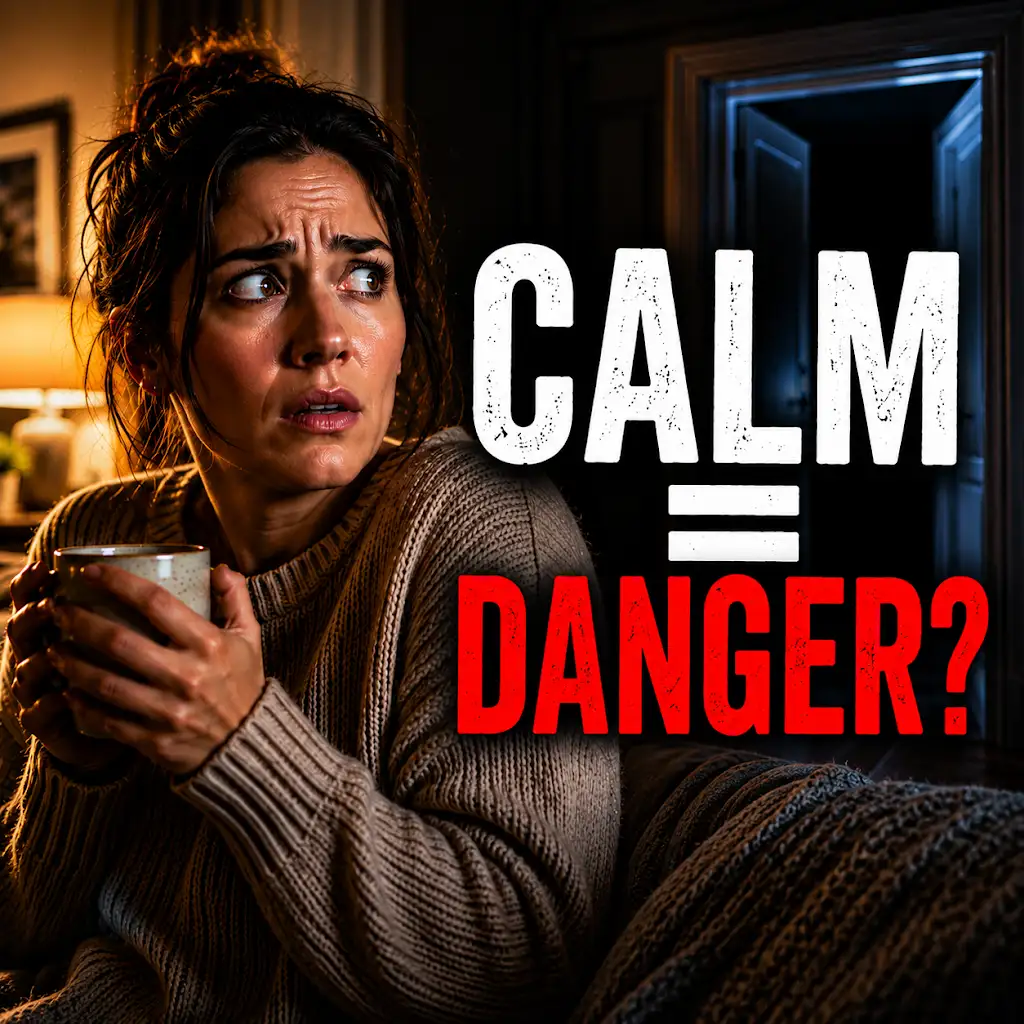
Your Life Is Safe. So Why Are You Still on Alert?
FAQs
What are stable relationships?
Stable relationships are those in which both partners feel secure, supported, and satisfied. These relationships are characterized by trust, open communication, and a sense of commitment.
Why do stable relationships make some people anxious?
Some people may feel anxious in stable relationships due to fear of intimacy, past relationship trauma, or attachment issues. The stability and security of a relationship can trigger feelings of vulnerability and fear of rejection.
What are the signs of anxiety in a stable relationship?
Signs of anxiety in a stable relationship may include constant need for reassurance, fear of abandonment, difficulty expressing emotions, and avoidance of intimacy. These feelings can lead to tension and conflict within the relationship.
How can one manage anxiety in a stable relationship?
Managing anxiety in a stable relationship involves seeking therapy, practicing self-care, and improving communication with your partner. It’s important to address underlying issues and work towards building trust and security within the relationship.
Can stable relationships help alleviate anxiety?
For some individuals, being in a stable relationship can provide a sense of security and support that helps alleviate anxiety. Building a strong foundation of trust and open communication can create a safe space for personal growth and emotional well-being.