
You’ve lived with it for a long time, haven’t you? That prickling sensation, the constant hum of alertness that keeps you on edge. It’s hypervigilance, a shadow that often accompanies the echo of childhood trauma, and when it spills into your adult relationships, it can feel like navigating a minefield. You love deeply, you yearn for connection, but that ingrained vigilance, a survival mechanism honed in a time of perceived threat, can twist and distort your interactions, leaving you feeling misunderstood, isolated, and perpetually braced for impact. This isn’t about weakness; it’s about understanding the intricate ways your past is shaping your present, and more importantly, about learning to dismantle those defenses so you can build truly secure and fulfilling connections.
You probably don’t remember consciously deciding to be hypervigilant. It wasn’t a choice you made; it was a consequence of your environment. When your childhood was unpredictable, filled with moments of fear, neglect, or abuse, your brain and body adapted. They learned to scan for danger, to anticipate the worst, and to stay perpetually on high alert. This was, in essence, your protection. It kept you safe, or at least, as safe as you could be, in circumstances that were far from ideal.
The Brain’s Protective Loop
Your brain, remarkably resilient, essentially rewired itself. Think of it like a smoke detector that’s been left on too high a setting. It’s designed to detect fire, but when it’s overly sensitive, it goes off at the slightest whiff of burnt toast. In your case, that “burnt toast” can be anything from a raised voice, a missed text, a perceived slight, or even a change in someone’s tone. Your amygdala, the brain’s alarm system, becomes easily triggered. This triggers a cascade of stress hormones like cortisol and adrenaline, preparing your body for “fight or flight.” The problem is, in your adult relationships, these responses are often disproportionate to the actual threat.
The Body’s Persistent Memory
It’s not just your brain. Your body remembers, too. You might experience physical symptoms of anxiety – a racing heart, shallow breathing, tense muscles, stomachaches – even when nothing objectively threatening is happening. This is your nervous system stuck in a state of chronic arousal. It’s like a car engine that’s constantly revving, ready to accelerate at a moment’s notice, but often with no actual road ahead. This physical manifestation of hypervigilance can be exhausting, draining your energy and making it harder to relax and be present in your relationships.
Learned Behaviors and Coping Mechanisms
Over time, these internal alerts translate into observable behaviors. You might become highly attuned to body language, always trying to read between the lines, searching for hidden meanings. You might overanalyze conversations, dissecting every word and inflection. This can lead to a cycle of constant questioning, suspicion, and a tendency to anticipate rejection or abandonment. These behaviors, while born out of a need for safety, can inadvertently push people away or create the very distance you’re trying to avoid.
Hypervigilance in relationships often stems from childhood trauma, leading individuals to remain excessively alert to potential threats or signs of abandonment. This heightened state of awareness can create challenges in forming healthy, trusting connections with others. For a deeper understanding of how childhood experiences shape our adult relationships, you can explore the article on this topic at Unplugged Psych, which provides valuable insights and strategies for healing and fostering healthier interactions.
Recognizing Hypervigilance in Your Relationship Dynamics
Identifying hypervigilance isn’t always straightforward. It often masquerades as being attentive, caring, or even intuitive. You might think you’re just being a good partner, noticing subtle cues and responding to potential problems before they arise. However, when these patterns become constant, overwhelming, and disruptive, it’s time to look closer.
The “What If” Mindset
A hallmark of hypervigilance in relationships is the relentless “what if” thinking. What if they’re angry? What if they’re pulling away? What if they’re going to leave? These questions can loop endlessly, creating a fertile ground for anxiety. You might find yourself constructing elaborate scenarios in your head, often based on past experiences rather than present reality. This can lead to premature emotional withdrawal, defensive reactions, or an intense need for reassurance that can be overwhelming for your partner.
The Need for Constant Reassurance
When you’re operating from a place of hypervigilance, you may constantly seek reassurance from your partner. You might ask, “Do you still love me?” or “Are you upset with me?” even when there’s no clear indication of distress. This isn’t about a lack of trust in your partner; it’s about a deep-seated fear that the foundations of the relationship are fragile and could crumble at any moment. While a certain amount of reassurance is healthy, an excessive need can create a dynamic where your partner feels constantly on trial.
Interpreting Neutral as Negative
One of the most insidious aspects of hypervigilance is your tendency to interpret neutral or ambiguous situations as negative. A partner who is quiet might be seen as angry or withdrawn, rather than simply tired or lost in thought. A forgotten anniversary, while potentially hurtful, might be immediately interpreted as a sign of disinterest or a prelude to a breakup. This “seeing the worst” can lead to unnecessary conflict and emotional distress for both you and your partner.
The Tendency to Self-Sabotage
When your hypervigilance kicks in, you might unconsciously engage in behaviors that sabotage the very relationship you’re trying to protect. This could manifest as pushing your partner away when they get too close, picking fights to create distance, or withdrawing emotionally to protect yourself from perceived future hurt. It’s a painful paradox: your attempt to stay safe can ironically create the insecurity you fear.
Strategies for Calming the Inner Alarm System

Learning to manage hypervigilance is a journey, not a destination. It requires patience, self-compassion, and a willingness to actively engage in practices that help regulate your nervous system. These are skills you can develop, and with consistent effort, you can begin to experience a greater sense of peace and security in your relationships.
Grounding Techniques for Present Moment Awareness
When your mind is racing with “what ifs,” the key is to bring yourself back to the present moment. Grounding techniques are incredibly effective for this. You can try the 5-4-3-2-1 method: name five things you can see, four things you can touch, three things you can hear, two things you can smell, and one thing you can taste. Another simple technique is to focus on your breath, noticing the sensation of air entering and leaving your body. Holding an object and focusing on its texture, weight, and temperature can also be grounding. The goal is to interrupt the anxious thought spiral and anchor yourself in the here and now.
Mindfulness and Body Scan Meditations
Mindfulness involves paying attention to your thoughts, feelings, and bodily sensations without judgment. Regular mindfulness practice, perhaps through guided meditations, can help you observe your hypervigilant thoughts without getting swept away by them. Body scan meditations, where you systematically bring awareness to different parts of your body, can help you release stored tension and reconnect with your physical self in a gentle way. This can be especially helpful in de-escalating the physical symptoms of your vigilance.
Cognitive Reframing: Challenging Your Thoughts
Your thoughts are powerful, and when they’re steeped in past trauma, they can be distorted. Cognitive reframing involves actively challenging these negative or anxious thoughts. Ask yourself: “Is this thought based on evidence, or is it a fear from my past?” “What’s another way to look at this situation?” “What would I tell a friend in this situation?” This process takes practice, but it helps you build new neural pathways that are less reactive to perceived threats.
Somatic Experiencing and Trauma-Informed Therapies
If your hypervigilance is deeply rooted in childhood trauma, professional support can be invaluable. Somatic Experiencing is a therapeutic approach that focuses on the body’s role in trauma. It helps you release stored trauma energy and regulate your nervous system. Trauma-informed therapies, in general, recognize the impact of trauma and provide a safe and supportive environment for you to explore these patterns. Therapists can equip you with personalized tools and strategies for managing your hypervigilance.
Communicating Your Needs and Boundaries

One of the most challenging aspects of navigating hypervigilance in relationships is how to communicate your experiences and needs to your partner without overwhelming them or creating further distance. Open and honest communication, delivered with vulnerability and a focus on your own experiences, is key.
Educating Your Partner About Hypervigilance
You don’t owe your partner a dissertation on your trauma history, but you do owe them an explanation of how your past might be impacting your present. You can explain hypervigilance in simple terms, perhaps using metaphors like the sensitive smoke detector. Let them know that your reactions are not a reflection of their behavior but a learned response from your past. This can foster understanding and empathy, rather than misunderstanding and frustration.
The Art of “I” Statements
When you’re feeling anxious or triggered, it’s easy to slip into accusatory language. Instead, practice using “I” statements. For example, instead of saying, “You always make me feel anxious,” try “I’m feeling anxious right now, and I’m not sure why.” Or, “When that happens, I tend to feel a bit on edge.” This focuses the conversation on your internal experience and avoids placing blame on your partner, creating a safer space for dialogue.
Setting Healthy Boundaries
Boundaries are not about pushing people away; they are about creating a framework for healthy interaction. For someone with hypervigilance, this might mean setting boundaries around certain communication styles (e.g., requesting that discussions don’t happen when emotions are extremely high) or about the amount of reassurance you need at any given time. It’s also important to set boundaries around what you can and cannot offer your partner when you are feeling overwhelmed. Clearly communicating these boundaries, kindly but firmly, helps prevent resentment from building and ensures that your needs are met in a sustainable way.
Seeking Support Together
If your partner is open to it, you can invite them to be a part of your journey. This doesn’t mean they have to “fix” you, but they can be a source of support and understanding. You might suggest reading books together about trauma and relationships, or even attending therapy as a couple to learn how to navigate these challenges together. Their willingness to learn and engage can significantly strengthen your bond.
Hypervigilance in relationships often stems from childhood trauma, leading individuals to remain constantly alert for potential threats or signs of abandonment. This heightened state of awareness can create challenges in forming healthy connections with others. For those seeking to understand this phenomenon better, a related article on the topic can provide valuable insights. You can explore more about the impact of childhood experiences on adult relationships by visiting this informative resource. Understanding these dynamics is crucial for healing and fostering healthier interactions.
Cultivating Secure Attachment in Your Relationships
| Metrics | Data |
|---|---|
| Frequency of hypervigilance | High |
| Triggers for hypervigilance | Conflict, raised voices, sudden movements |
| Impact on relationships | Difficulty trusting, fear of abandonment |
| Coping mechanisms | Therapy, mindfulness, communication techniques |
The ultimate goal of managing hypervigilance is to move towards a place of secure attachment, where you feel safe, loved, and confident in your relationships. This isn’t about erasing your past but about integrating it in a way that allows you to build a healthier future.
Building Trust Through Consistent Actions
Trust is built on consistent positive interactions. As you practice managing your hypervigilance, you’ll have more opportunities to show up authentically and respond to your partner in ways that foster trust. This might involve being more open about your feelings, being reliable, and demonstrating a willingness to work through challenges together. Every time you choose a calmer, more reasoned response over a reactive one, you are strengthening the foundation of trust.
Embracing Vulnerability as Strength
For someone who has lived with hypervigilance, vulnerability can feel incredibly dangerous. It means exposing yourself to the possibility of hurt. However, true connection requires vulnerability. As you begin to trust your own capacity to cope and to recognize the safety in your current relationships, you can gradually allow yourself to be more open. Sharing your fears and your true self, even when it’s scary, is a powerful act of healing and a testament to your growing strength.
Developing Self-Compassion
You’ve likely been incredibly hard on yourself throughout this journey. Remember that your hypervigilance developed as a survival mechanism. Be kind to yourself. Celebrate small victories. Acknowledge that healing is not linear, and there will be times when old patterns resurface. Self-compassion means treating yourself with the same kindness and understanding you would offer a dear friend who is struggling.
Nurturing Healthy Independence Alongside Connection
While connection is vital, so is maintaining a sense of self. Hypervigilance can sometimes lead to an over-reliance on a partner for validation and security. As you heal, you can work on cultivating healthy independence. This means developing your own interests, nurturing your friendships, and building your self-worth from within. A strong sense of self makes you a more resilient and fulfilling partner, and it reduces the pressure on your relationship to be your sole source of security.
Navigating hypervigilance in relationships after childhood trauma is a profound act of courage. You are not defined by your past, but by your present choices and your commitment to healing. By understanding the roots of your vigilance, recognizing its patterns, implementing practical strategies, communicating your needs, and actively cultivating secure attachment, you can move from a place of perpetual alert to one of genuine peace and deep, abiding connection. The path may be challenging, but the rewards – the ability to love and be loved without constant fear – are immeasurable.
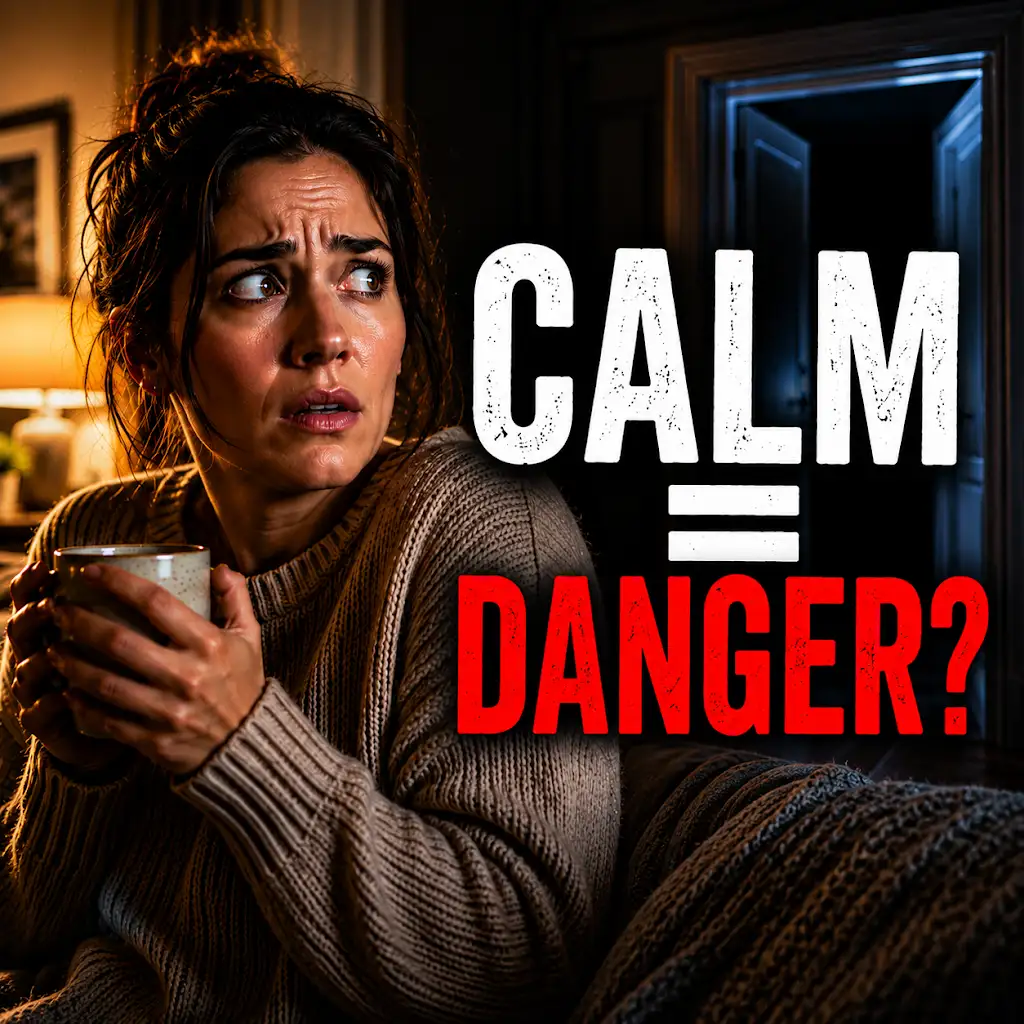
Your Life Is Safe. So Why Are You Still on Alert?
FAQs
What is hypervigilance in relationships after childhood trauma?
Hypervigilance in relationships after childhood trauma is a state of being constantly on high alert, feeling anxious, and being overly sensitive to potential threats or danger in relationships. This can be a result of past experiences of abuse, neglect, or other traumatic events during childhood.
What are the signs of hypervigilance in relationships after childhood trauma?
Signs of hypervigilance in relationships after childhood trauma may include difficulty trusting others, fear of abandonment, being easily startled, having trouble relaxing, and being overly sensitive to criticism or perceived rejection. Individuals may also have a heightened awareness of their surroundings and be constantly scanning for potential threats.
How does hypervigilance impact relationships?
Hypervigilance can impact relationships by causing individuals to have difficulty forming and maintaining healthy, trusting connections with others. It can lead to misunderstandings, conflicts, and a lack of intimacy in relationships. Additionally, hypervigilance may result in the individual being overly controlling or defensive in their interactions with others.
Can hypervigilance in relationships after childhood trauma be treated?
Yes, hypervigilance in relationships after childhood trauma can be treated through therapy, such as trauma-focused therapy, cognitive-behavioral therapy, and other forms of counseling. These approaches can help individuals process their past trauma, develop coping strategies, and learn to build healthier relationships.
What can partners and loved ones do to support someone experiencing hypervigilance in relationships after childhood trauma?
Partners and loved ones can support someone experiencing hypervigilance in relationships after childhood trauma by being patient, understanding, and non-judgmental. It’s important to educate oneself about the effects of childhood trauma and to provide a safe and supportive environment for the individual to express their feelings and work through their challenges. Encouraging the individual to seek professional help and being a source of emotional support can also be beneficial.