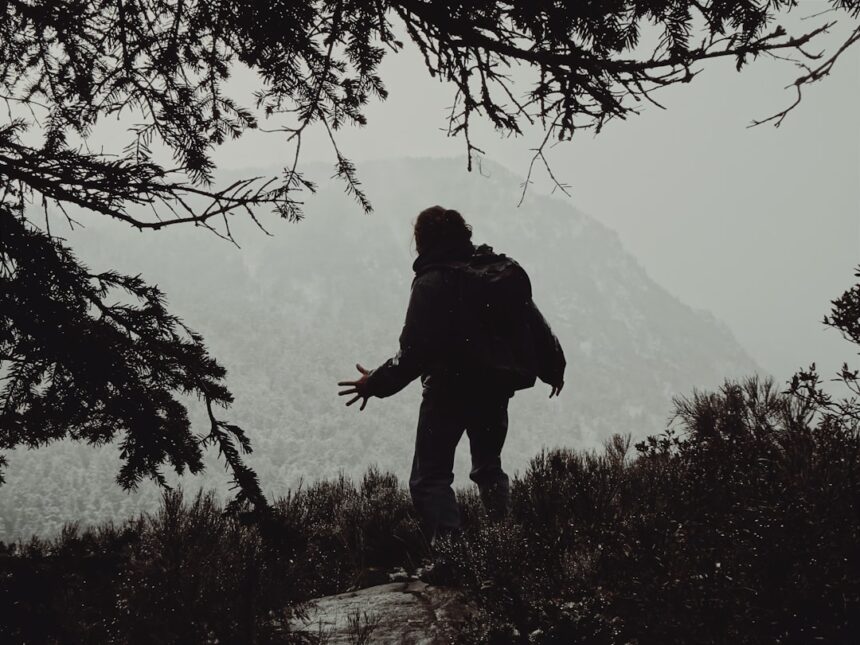
You’ve always prided yourself on your preparedness. A well-stocked pantry, an emergency kit that rivals a small hardware store, and a mental Rolodex of wilderness survival techniques. You can identify edible plants, build a shelter in under an hour, and even start a fire with nothing but a magnifying glass and determination. This meticulous foresight, this capacity to anticipate and prepare for the worst, has always felt like a badge of honor, a testament to your resilience. But lately, something has shifted. The comfort of knowing you’re ready has curdled into a persistent hum of unease, a feeling that you’re never quite enough, that the next disaster is lurking just around the corner, and that your meticulously crafted defenses might crumble under the weight of an unimaginable event. You’re experiencing the paradoxical anxiety that arises from having survival skills – the very things meant to keep you safe.
For many, the idea of survival skills conjures images of rugged independence, a quiet confidence in one’s ability to weather any storm. You might have learned these skills out of a genuine desire for security, a response to societal uncertainties, or even a romantic fascination with self-sufficiency. The initial empowerment you felt was real. The ability to say, “I’ve got this,” in the face of potential threats was incredibly liberating. You could watch the news, read about natural disasters, and feel a sense of control, a quiet satisfaction that you were not entirely at the mercy of fate. However, this proactive stance, when amplified beyond a healthy equilibrium, can begin to cast a long shadow.
The Constant Vigilance: A Mind That Never Rests
Your survivalist mindset, once a source of pride, can morph into a state of perpetual vigilance. It’s as if your brain has been hardwired to scan for threats, to identify potential weaknesses in your environment and your plans. This constant internal threat assessment, while efficient in a true emergency, becomes exhausting in everyday life. You might find yourself overanalyzing news reports, scrutinizing the stability of buildings, or worrying about the security of your water supply even when there’s no immediate cause for concern. This hyper-awareness prevents you from truly relaxing, from simply being in the present moment. Your mind is perpetually rehearsing scenarios, calculating risks, and preparing for the next “what if.”
The Burden of Knowledge: Knowing Too Much Can Be Terrifying
The more you know about potential dangers, the more you become aware of your own vulnerabilities. You understand the intricate systems that support modern life – power grids, supply chains, communication networks – and the fragility inherent in them. You know how quickly things can unravel, how dependent you are on factors outside your direct control. This knowledge, while invaluable for preparedness, can also fuel a deep-seated anxiety. You’re not just imagining hypothetical disasters; you’re armed with a detailed understanding of their potential consequences, making the abstract terrifyingly real. This can lead to a feeling of being overwhelmed, a sense that the world is a minefield of potential catastrophes, and you are acutely aware of every step.
Survival skills can often blur the line between preparedness and anxiety, as individuals may find themselves overwhelmed by the constant need to be ready for any potential crisis. This phenomenon is explored in depth in the article “When Survival Skills Become Anxiety” on Unplugged Psychology. The piece delves into how the instinct to prepare can sometimes lead to heightened stress and anxiety levels, impacting mental health. For more insights on this topic, you can read the article here: When Survival Skills Become Anxiety.
The Slippery Slope from Preparedness to Obsession
The line between healthy preparedness and an unhealthy obsession can be surprisingly thin. It’s a gradual slide, often masked by the continued justification of your actions as “just being responsible.” You might start by buying a few extra cans of food, and before you know it, your basement resembles a doomsday bunker. The physical accumulation of supplies is often a tangible manifestation of your internal anxiety. Each item purchased, each skill honed, is an attempt to build a fortress around your fear.
The “Just in Case” Trap: An Ever-Expanding List of Necessities
Your rationalizations for acquiring more supplies or practicing more skills can become an endless loop. “What if the power goes out for weeks? I need more batteries.” “What if there’s a widespread shortage? I should stock up on more non-perishables.” “What if we have to bug out? I need to refine my navigation skills further.” The “just in case” mentality, while seemingly logical, can lead to an ever-expanding list of perceived necessities, consuming time, money, and mental energy. You find yourself constantly evaluating your inventory, seeking new ways to improve your readiness, never feeling like you’ve reached a satisfactory level of preparedness.
The Isolation of the Hyper-Prepared: Difficulty Connecting with Others
As your preparedness levels escalate, you might find it difficult to relate to those who don’t share your concerns. Their casual dismissiveness of potential threats can feel naive or even irresponsible to you. This disconnect can lead to a sense of isolation. You might hesitate to share your anxieties for fear of being ridiculed or dismissed as paranoid. This lack of shared understanding can exacerbate your feelings of being alone in your concerns, further fueling your reliance on your own preparedness as your sole source of comfort and security.
The Psychological Impact: When Skills Become Triggers
The very skills that were meant to empower you can, paradoxically, become triggers for anxiety. The act of practicing them, or even just thinking about them, can bring to the forefront the underlying fears that motivated you in the first place. It’s like a phantom limb pain – the memory of the threat is so vivid that it elicits a genuine stress response.
The Simulation Effect: Practice Makes Anxiety
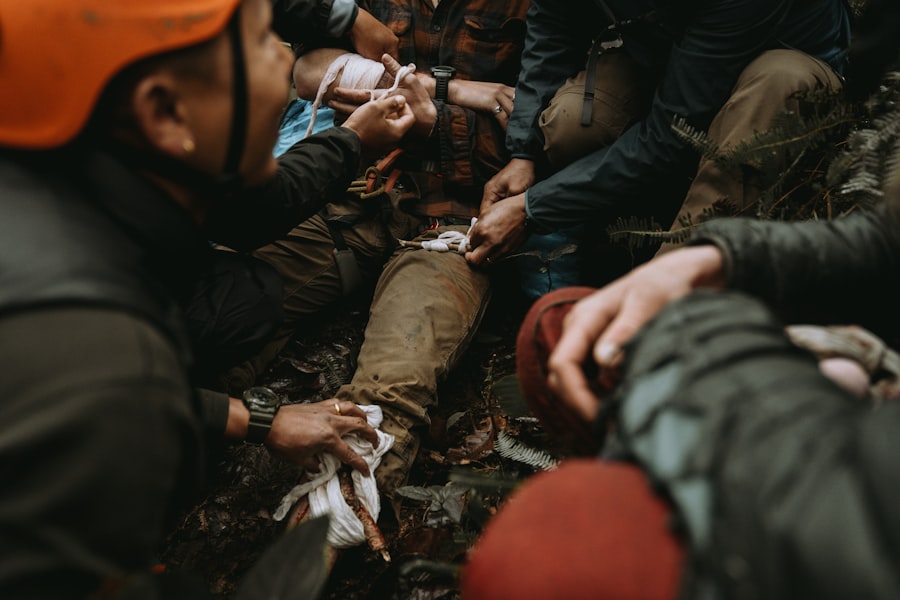
You spend hours practicing knot-tying, purifying water, or tending to your garden with the intention of honing your skills. But for your anxious mind, these are not just practice sessions; they are simulations of the very scenarios you dread. The physical exertion, the focus on detail, the potential for failure – all of it can activate your stress response. You might find yourself feeling breathless, your heart pounding, not because you’re in immediate danger, but because your brain has interpreted the practice as a real-world threat.
The “What If I Fail?” Paralysis: The Fear of Inadequacy
Even with extensive training, the fear of failure can be paralyzing. You understand the stakes involved in a true survival situation, and the thought of your skills not being enough, of making a fatal mistake, can be overwhelming. This fear can manifest as procrastination, a reluctance to fully commit to your preparedness plans, or even a subconscious sabotage of your efforts. The potential for failure, amplified by your anxiety, can make the prospect of relying on your skills feel more terrifying than relying on the systems you’ve been taught to distrust.
Recognizing the Breaking Point: Signs Your Skills Are Backfiring
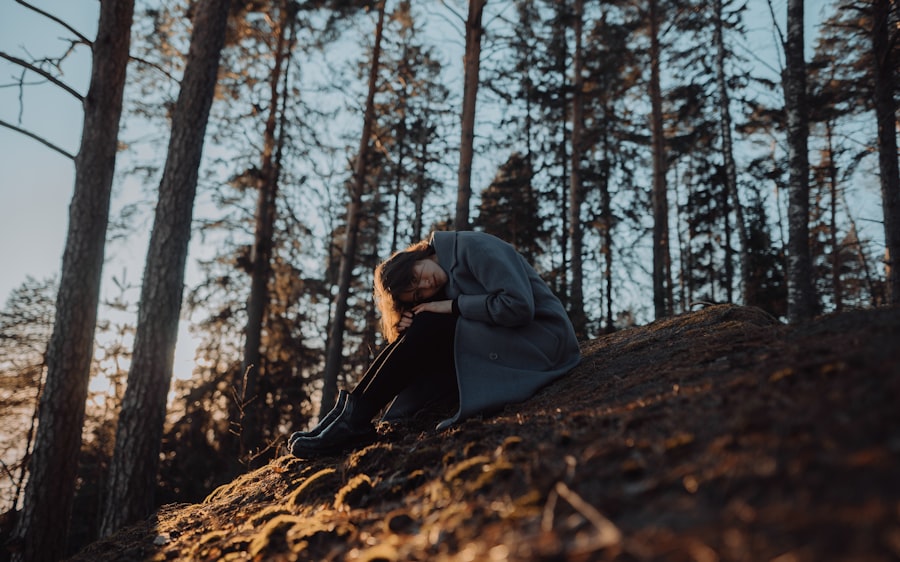
There comes a point where the benefits of your preparedness are overshadowed by its negative psychological toll. Recognizing these signs is crucial to regaining balance and preventing your survival skills from becoming a source of chronic distress. It’s about understanding when your carefully constructed defenses are starting to crumble from within.
The Constant Worry Cycle: Obsessive Thoughts and Ruminations
You find yourself caught in a loop of worrying about what could go wrong. These thoughts are intrusive, persistent, and often disproportionate to any objective threat. You might replay worst-case scenarios in your mind, unable to disengage. This obsessive thinking consumes your mental energy, interferes with your ability to focus on daily tasks, and significantly impacts your overall well-being. You can’t seem to shake the feeling that something bad is inevitable.
The Erosion of Joy and Present Moment Living: Missing Out on Life
The ever-present focus on future threats robs you of the ability to enjoy the present. You might find it difficult to relax, to appreciate simple pleasures, or to be fully engaged in your relationships and activities. The weight of potential future hardships overshadows the reality of your current peace. You’re so focused on preparing for a world that might be, that you’re not truly living in the one that is. This can lead to feelings of emptiness and a sense that life is passing you by.
The Physical Manifestations of Stress: From Headaches to Insomnia
Your anxiety isn’t just a mental burden; it can manifest physically. You might experience chronic headaches, muscle tension, digestive issues, or sleep disturbances. These are your body’s signals that you are under prolonged stress. Your survival instincts, designed to alert you to immediate danger, are now on constant high alert, draining your physical resources and impacting your health. The constant preparation has become a form of chronic stress.
Survival skills are essential for navigating challenging situations, but they can sometimes lead to heightened anxiety when individuals feel overwhelmed by the need to constantly prepare for potential threats. This phenomenon is explored in a related article that discusses the fine line between being prepared and succumbing to anxiety. For more insights on this topic, you can read the article here, which delves into how the instinct for survival can sometimes spiral into excessive worry and stress.
Reclaiming Balance: Integrating Skills with Well-being
| Survival Skill | Anxiety Level |
|---|---|
| Fire making | High |
| Shelter building | Medium |
| Food foraging | High |
| Water purification | Low |
The goal isn’t to abandon your valuable survival skills, but to reintegrate them into a healthy and balanced life. It’s about shifting from a place of fear-driven preparation to one of mindful resilience. This requires a conscious effort to reframe your relationship with your skills and to address the underlying anxieties that have taken root.
Mindful Preparedness: Shifting the Focus from Fear to Resilience
Instead of focusing on the terrifying “what ifs,” reframe your preparedness as building resilience. See your skills not as a shield against impending doom, but as tools to navigate challenges with greater confidence and capability, should they arise. Embrace the idea that preparedness is about empowerment, not just fear. Celebrate your knowledge and abilities as strengths that enhance your life, rather than as defenses against a constantly threatening world.
Embracing the Present: Cultivating Gratitude and Mindfulness
Actively practice mindfulness and gratitude. Make a conscious effort to be present in your daily life. Engage your senses, appreciate the small joys, and acknowledge the good that currently exists. This doesn’t mean ignoring potential risks, but rather preventing them from dominating your mental landscape. By focusing on the present, you dilute the power of future anxieties. This can involve simple practices like deep breathing exercises, meditation, or even just consciously savoring a cup of tea.
Seeking Support and Connection: You Are Not Alone
It’s important to remember that you are not alone in experiencing this. Many individuals who are highly prepared also grapple with anxiety. Consider connecting with others who share similar concerns, perhaps through online forums or local preparedness groups that emphasize balanced approaches. Crucially, if your anxiety is significantly impacting your life, don’t hesitate to seek professional help from a therapist or counselor. They can provide tools and strategies to manage anxiety, reframe your thought patterns, and help you find a healthier equilibrium. Your skills are a testament to your strength, and seeking help is an act of further strength, not weakness.
Your Life Is Safe. So Why Are You Still on Alert?
FAQs
What are survival skills?
Survival skills are techniques and abilities that a person may use in order to sustain life in any type of natural environment or emergency situation. These skills can include finding food and water, building shelter, starting a fire, and navigating through unfamiliar terrain.
How do survival skills relate to anxiety?
When a person is faced with a survival situation, the stress and pressure of the circumstances can lead to feelings of anxiety. The need to rely on one’s survival skills to stay alive can create a sense of fear and uncertainty, which can contribute to heightened anxiety levels.
What are the symptoms of anxiety in a survival situation?
Symptoms of anxiety in a survival situation can include increased heart rate, rapid breathing, sweating, trembling, and difficulty concentrating. These physical and emotional responses are the body’s natural reaction to stress and can be heightened in a survival scenario.
How can someone manage anxiety in a survival situation?
Managing anxiety in a survival situation involves practicing calming techniques such as deep breathing, mindfulness, and positive self-talk. It is also important to focus on the immediate tasks at hand and to prioritize the most essential survival needs in order to regain a sense of control and reduce anxiety.
Are there resources available to help with anxiety in survival situations?
There are various resources available, such as survival guides, wilderness first aid courses, and mental health support services, that can provide valuable information and assistance in managing anxiety in survival situations. It is important to seek out these resources and to be prepared both mentally and physically for any potential survival scenario.