You’ve been running on fumes for so long, haven’t you? The constant hum of anxiety, the gnawing feeling of being perpetually behind, the endless to-do list that never truly shrinks – you know the drill. Chronic stress has been your unwelcome companion, a shadow that colors every moment. Now, the universe, in its own peculiar way, has forced a pause. Perhaps it’s a burnout so profound you can barely function, a physical ailment that demands rest, or simply the sheer exhaustion that finally brings you to a standstill. Whatever the catalyst, you find yourself in a place you never truly anticipated: rest. And oh, what an uncomfortable reality it is.
You pictured rest as a fluffy cloud, a balm for your weary soul. You envisioned sinking into a warm bath, reading a good book without guilt, or simply staring out the window, your mind blessedly blank. But the reality is far from that idyllic scene. Instead, you’re met with a strange, unsettling void. The absence of external demands, the constant rush, the predictable chaos – it’s all gone. And in its place, a disquieting stillness descends. You’re not just resting your body; you’re confronting the silence within, and it’s a silence that’s been drowned out for so long, it feels deafening. This isn’t the effortless bliss you imagined. It’s an active, often perplexing, process.
The Decompression Shock
Imagine a tightly wound spring. For months, years even, you’ve been exerting immense pressure, keeping every aspect of your life in a state of hyper-vigilance. Now, that pressure is released, and the spring, instead of gently unwinding, snaps back with unexpected force. This is the decompression shock you might be experiencing. Your nervous system, accustomed to operating in overdrive, struggles to downshift. The familiar adrenaline surges are gone, replaced by a sense of unease, a feeling that something is missing. You might feel restless, irritable, or even experience a resurgence of physical symptoms that you thought were directly tied to your stress, but are, in fact, amplified by the sudden lack of engagement. Your brain, so used to a constant stream of stimuli and problems to solve, finds this abrupt quietude jarring. It’s like being plunged into deep water after living your life at the surface; the pressure change is significant and takes getting used to. You might find yourself seeking out distractions, filling the silence with podcasts, social media scrolling, or even the television, anything to avoid the unsettling emptiness.
The Unmasking of Internal Noise
Your chronic stress was a masterful distraction. It kept you so focused on the external pressures, the deadlines, the perceived threats, that you rarely had the bandwidth to truly examine what was going on inside. Now, with the external noise silenced, the internal noise takes center stage. The anxieties you pushed down, the worries you compartmentalized, the unexpressed emotions – they all begin to surface. You might find yourself replaying past grievances, obsessing over future uncertainties, or grappling with a pervasive sense of inadequacy. This isn’t just a passive experience; it’s an active confrontation. Your mind, deprived of its usual outlets, turns inward, and it’s not always a pleasant journey. You might feel overwhelmed by the sheer volume of your own thoughts and feelings, the ones you’ve been so adept at ignoring. This can manifest as a profound sense of being lost or adrift, as if you’ve lost your anchor.
Chronic stress can significantly alter our relationship with rest, making it feel uncomfortable and even anxiety-inducing. This phenomenon is explored in detail in the article found at Unplugged Psychology, which discusses how prolonged exposure to stress can lead to a heightened state of arousal in the body, making it difficult to relax and unwind. Understanding the psychological and physiological impacts of chronic stress can help individuals develop healthier coping mechanisms and improve their overall well-being.
The Ghost of Productivity Past
You’ve built your identity around being productive, haven’t you? Your worth has been inextricably linked to what you accomplish, the tasks you complete, the goals you achieve. This is the fuel that powered your chronic stress, the mantra that kept you going. Now, in rest, that fuel is gone, and you’re left with a gaping hole where your sense of purpose used to be. The absence of deadlines and demands creates a vacuum, and your ingrained drive for productivity rushes in to fill it, but not in a healthy way. You might feel a nagging guilt about not doing enough, even when your body and mind are screaming for reprieve. This is the ghost of productivity past, haunting your present moments of stillness.
The Urge to “Fix” Rest
Your mind, still wired for problem-solving, sees “rest” as another challenge to be tackled. You might find yourself approaching rest with the same intensity you applied to your work. You’ll research the “best” ways to relax, optimize your sleep schedule with military precision, and schedule in mindfulness sessions as if they were client meetings. You’re trying to achieve rest, to conquer it, rather than simply allow it to happen. This is a common trap, a direct consequence of your chronic stress conditioning. You’re so used to actively managing and controlling every aspect of your life that even something as passive as rest becomes an arena for your hyper-vigilance. This can lead to further frustration, as your attempts to force relaxation only breed more tension. You might feel like you’re failing at resting, which, ironically, adds another layer of stress.
The Disorientation of Unscheduled Time
Your days were once meticulously planned, every hour accounted for. The predictability, however stressful, provided a framework. Now, with that framework dismantled, you’re left with vast stretches of unscheduled time. This can be incredibly disorienting. You might find yourself staring at a blank calendar, unsure of what to do with yourself. The lack of external structure can make you feel unmoored, as if you’re drifting without a destination. Your internal clock, so accustomed to the rhythm of your busy life, is now out of sync. You might wake up at odd hours, struggle to fall asleep, or find your energy levels fluctuating wildly. This temporal disorientation can be deeply unsettling, as it disrupts your sense of order and control. You might feel a constant undercurrent of anxiety, a feeling that you should be doing something, but have no idea what that something is.
The Physical Reawakening: A Double-Edged Sword

Your body has been silently enduring the relentless onslaught of chronic stress. It has been in a constant state of fight or flight, pumping out cortisol and adrenaline. Now, with the reprieve of rest, your body begins to reawaken. But this reawakening isn’t always a gentle return to equilibrium. It can be a cascade of sensations, some welcome, others deeply uncomfortable, as your system finally has the space to register the damage and the changes it has undergone.
The Echoes of Physical Neglect
During periods of chronic stress, you’ve likely made compromises with your physical well-being. Sleep was sacrificed for deadlines, healthy meals were replaced with convenience, and exercise became a luxury you couldn’t afford. Now, in rest, your body starts to voice its grievances. You might experience aches and pains you’ve been ignoring, digestive issues, or a general sense of physical depletion. These are the echoes of your physical neglect, surfacing as your body finally has the capacity to process them. You might be surprised by the intensity of these physical sensations, as they’ve been masked by the adrenaline of stress for so long. This can be a disheartening experience, as you realize the toll that chronic stress has taken. You might feel a profound sense of frustration with yourself for letting your physical health slide, further exacerbating the feelings of guilt.
The Unsettling Stillness of the Nervous System
Your nervous system, once a high-speed highway of stress signals, is now attempting to navigate the quiet country roads of rest. This can lead to a variety of unsettling sensations. You might experience a lingering sense of jitmeriness, a feeling of being on edge even when there’s no apparent threat. Your sleep might be disturbed by vivid dreams, nightmares, or a feeling of being unable to fully relax. You might also notice an increased sensitivity to external stimuli – a loud noise can feel overwhelming, bright lights can be jarring. This is your nervous system recalibrating, learning to function without the constant barrage of stress hormones. It’s like a muscle that has been overused and is now experiencing a period of intense stretching and recovery. This recalibration can be uncomfortable, as it brings to the forefront the sensitivity you’ve been suppressing.
Navigating the Emotional Minefield

Beyond the intellectual and physical discomforts, the emotional landscape of rest after chronic stress is often a treacherous terrain. You’ve been so adept at managing external pressures that the internal emotional storms can feel overwhelming and disorienting. Your emotional resilience, honed by years of pushing through, might feel compromised.
The Reemergence of Suppressed Emotions
Think of your emotional capacity as a dam. Chronic stress has been the constant influx of water, and you’ve been diligently working to reinforce the dam, preventing any overflow. Now, with the influx reduced, the pressure inside the dam is immense, and the cracks are starting to show. Emotions you’ve suppressed – anger, sadness, fear, grief – are beginning to leak through. You might find yourself crying at the drop of a hat, experiencing unexpected bursts of anger, or feeling a pervasive sense of melancholy. These emotions, while uncomfortable, are a vital part of your healing process. They are the release valve for the pressure you’ve been holding in. However, their reemergence can feel like an invasion, as you’re not used to allowing yourself to feel them so openly. You might feel out of control, as if these emotions are dictating your experience, rather than you being in charge of them.
The Loneliness of the Unseen Battle
When you were actively engaged in your high-stress life, you likely had a support system, colleagues, or even just the shared experience of a demanding environment. Now, in rest, you might find yourself feeling profoundly alone. The battle you’re fighting is internal, and it’s not something easily explained or understood by those who haven’t experienced it. You might feel isolated, as if no one truly grasps the depth of your struggle. This can be especially true if your stress was tied to work, and you’re now distanced from your professional community. The lack of external validation and understanding can amplify feelings of loneliness and further contribute to the discomfort of rest. You might withdraw further, believing that your internal struggles are best kept private, which only deepens the sense of isolation.
Chronic stress can significantly alter our body’s response to rest, making it feel uncomfortable and even anxiety-inducing. This phenomenon is often linked to the body’s heightened state of alertness, which can persist long after the stressor has passed. For a deeper understanding of this topic, you can explore an insightful article that discusses the impact of stress on relaxation and recovery. It highlights how our nervous system struggles to switch from a state of hyperarousal to one of calm. To learn more about this connection, check out this article that delves into the complexities of stress and rest.
Embracing the Uncomfortable Path to True Recovery
| Factors | Effects |
|---|---|
| Increased muscle tension | Difficulty relaxing and feeling restless |
| Heightened anxiety levels | Feeling on edge and unable to fully unwind |
| Disrupted sleep patterns | Difficulty falling asleep or staying asleep |
| Overactive mind | Racing thoughts and inability to quiet the mind |
| Physical discomfort | Body aches and pains making rest uncomfortable |
The reality of rest after chronic stress is undeniably uncomfortable. It’s a departure from everything you’ve known, a dismantling of your accustomed patterns. But within this discomfort lies the fertile ground for genuine healing and recovery. It’s in these unscripted moments, these quiet spaces, that you begin to truly understand yourself, your needs, and your resilience.
The Art of Allowing, Not Forcing
The key to navigating this uncomfortable terrain is to shift your mindset from forcing rest to allowing it. This means letting go of the need to achieve, to control, or to fix. It’s about surrendering to the process, trusting that your body and mind know how to heal, given the space and time. Practice self-compassion. Acknowledge that this is a difficult transition, and it’s okay to feel uncomfortable, confused, or even frustrated. Remind yourself that you are not failing at resting; you are learning a new skill, one that is essential for your long-term well-being. This involves a conscious effort to be present with your feelings, even the uncomfortable ones, without judgment. It’s about observing your thoughts and emotions like clouds passing in the sky, without getting caught up in them.
Rebuilding Your Relationship with Yourself
Ultimately, rest after chronic stress is an invitation to rebuild your relationship with yourself. It’s an opportunity to shed the layers of obligation and expectation and to reconnect with your core values, your authentic desires, and your innate sense of self-worth. This is not a quick fix, but a gradual process of rediscovery. Be patient with yourself. Celebrate small victories, like a moment of genuine peace or a quiet afternoon spent doing something you truly enjoy. This journey of self-discovery will be challenging, but it is also profoundly rewarding. You are not just recovering from stress; you are emerging as a more whole, more resilient, and more authentic version of yourself. The discomfort you feel now is the necessary precursor to a peace that is not just the absence of stress, but the presence of genuine well-being. You are learning to exist in the quiet, and in that quiet, you will find your strength.
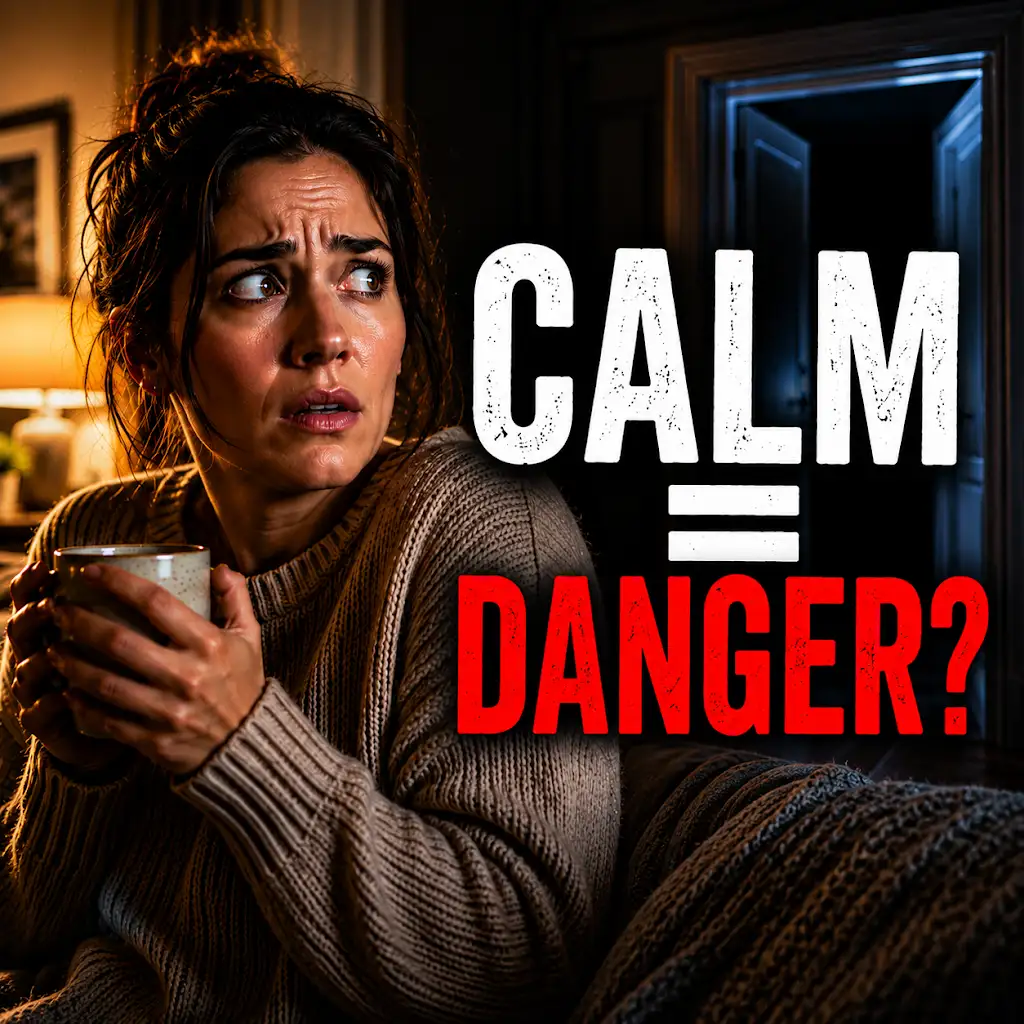
Your Life Is Safe. So Why Are You Still on Alert?
FAQs
1. What is chronic stress and how does it affect the body?
Chronic stress is a prolonged state of psychological and physiological arousal in response to ongoing or numerous stressors. It can lead to a range of physical and mental health issues, including fatigue, anxiety, depression, and increased risk of heart disease and other chronic conditions.
2. Why does rest feel uncomfortable after experiencing chronic stress?
After prolonged periods of chronic stress, the body becomes accustomed to high levels of stress hormones such as cortisol and adrenaline. When these levels suddenly drop during rest, it can feel uncomfortable as the body adjusts to the change in hormone levels and the absence of the constant state of arousal.
3. What are the physical symptoms of discomfort during rest after chronic stress?
Physical symptoms of discomfort during rest after chronic stress can include restlessness, difficulty relaxing, muscle tension, headaches, and disrupted sleep patterns. These symptoms are often a result of the body’s struggle to transition from a state of chronic stress to a state of relaxation.
4. How can individuals alleviate the discomfort of rest after chronic stress?
Alleviating the discomfort of rest after chronic stress can be achieved through various relaxation techniques such as deep breathing, meditation, yoga, and progressive muscle relaxation. Engaging in regular physical activity, maintaining a healthy diet, and seeking support from mental health professionals can also help in managing the discomfort.
5. When should individuals seek professional help for discomfort during rest after chronic stress?
Individuals should seek professional help if the discomfort during rest after chronic stress becomes overwhelming and significantly impacts their daily functioning, mental health, or overall well-being. Symptoms such as severe anxiety, depression, or persistent physical discomfort should be addressed by a healthcare professional.