You’re sitting in a quiet room. The kind of quiet that isn’t just the absence of noise, but a palpable presence. It presses in on you, and suddenly, your own heartbeat sounds like a drum solo. Why does this silence, this seemingly peaceful state, make your palms sweat and your mind race? This isn’t just a fleeting discomfort; it’s a deeply ingrained human response, a testament to the profound mystery of silence and its power to evoke anxiety.
Your primal ancestors didn’t have the luxury of silent contemplation. For them, silence was a siren song, a warning sign of impending danger. Imagine your forebears, venturing through dense forests. A sudden stillness, the cessation of birdsong, the rustling leaves – these were not invitations to relax, but cues to heighten awareness. Your brain, honed by millennia of evolution, still carries this ancient imprint.
The Predator’s Advantage
Think back to a time when predators stalked the land. What were their greatest allies? Stealth. Silence allowed them to approach undetected, to strike with lethal efficiency. Your ancestors who were most attuned to subtle shifts in their sonic environment, who interpreted any deviation from the norm as a potential threat, were more likely to survive and reproduce. This inherent sensitivity to the absence of sound is a direct inheritance from those who learned to fear the quiet.
The Social Signal
Beyond physical threats, silence could also signal social isolation. In tribal societies, constant communication was vital for survival. A sudden lull in conversation, a lack of communal sounds, could suggest being left behind, being ostracized, or being in a vulnerable position without the protection of the group. This deep-seated need for connection, for the reassurance of shared sounds, makes true silence feel like a social void.
The Information Vacuum
Your brain thrives on information. It’s a relentless processing machine, constantly seeking to understand and interpret the world around it. When you’re bombarded with sound, even background noise, your brain has plenty of data to work with. It filters, categorizes, and makes sense of the auditory landscape. Silence, on the other hand, is an information vacuum. It leaves your brain with nothing to do, no external stimuli to process, and this void can be unsettling. Your mind, programmed to seek input, begins to create its own, often in the form of internal anxieties.
Feeling anxious when someone is quiet can often stem from our innate desire for social connection and communication. This reaction may be linked to various psychological factors, including fear of the unknown or concerns about interpersonal dynamics. For a deeper understanding of this phenomenon, you might find it helpful to read a related article that explores the intricacies of human emotions and communication. You can access it here: Unplugged Psychology.
The Uninvited Guest: The Intrusive Nature of Self-Awareness
When the external world quiets down, your internal world often roars to life. Silence acts as a mirror, reflecting back your thoughts, your worries, and your deepest insecurities. This involuntary self-awareness can be a breeding ground for anxiety.
The Echo Chamber of Your Thoughts
Without the distractions of external noise, your thoughts can become amplified. That nagging worry about a work deadline, that embarrassing memory from last week, that existential dread about the future – all of it can echo in the newfound quiet. You become hyper-aware of your internal monologue, and if that monologue is dominated by negative thoughts, the silence becomes a breeding ground for escalating anxiety. You’re trapped in an echo chamber of your own mind.
The Pressure to Be Productive
In a society that often equates busyness with worth, silence can feel like wasted time. You might feel an internal pressure to be doing something, to be productive, to be creating. When there’s nothing external demanding your attention, the absence of activity can lead to feelings of guilt or inadequacy. This pressure to constantly achieve, coupled with the stillness of silence, can be a potent cocktail for anxiety.
The Fear of What You Might Discover
Silence can also be unsettling because it forces you to confront aspects of yourself that you might otherwise keep at bay. It’s in these quiet moments that you might realize how unhappy you are in a particular situation, how unfulfilled you feel, or how much you’ve been avoiding certain truths. This fear of self-discovery, of uncovering uncomfortable realities, can manifest as anxiety in the face of silence.
The Social Mirror: How Silence Reveals Our Insecurities
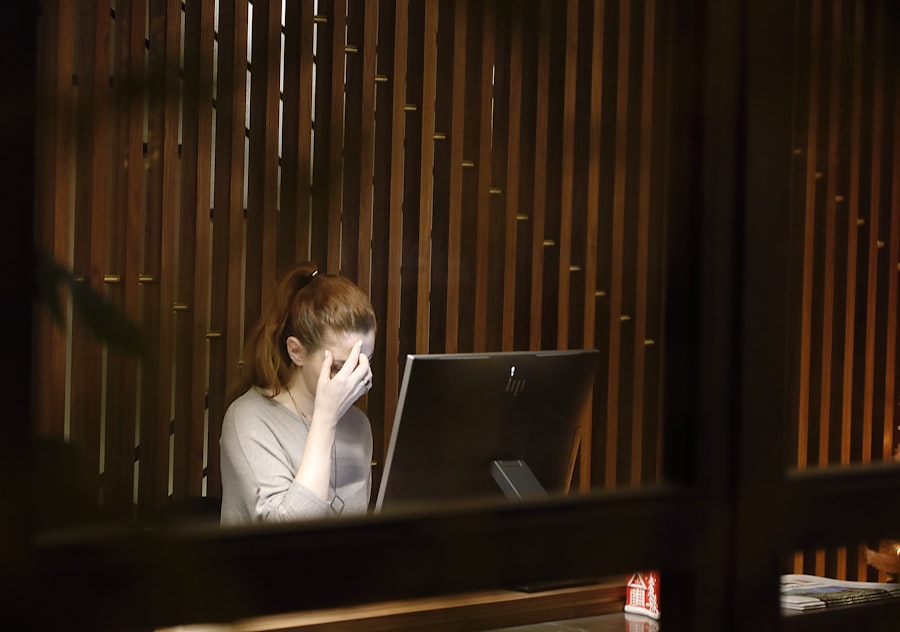
Silence isn’t just about your internal state; it also profoundly impacts your perception of social interactions. When spoken words cease, unspoken dynamics and personal insecurities often come to the forefront, amplifying your anxiety.
The Performance Anxiety of Conversation
Think about a pause in a conversation. For many, it’s a moment of dread. Is the other person bored? Did you say something wrong? Are they waiting for you to speak? This fear of conversational missteps, of not being engaging enough, of not living up to social expectations, makes silence in social settings particularly anxiety-provoking. You feel like you’re under a spotlight, and the silence is the judge.
The Unspoken Judgments
In the absence of verbal cues, your mind often fills in the blanks with assumptions about what others are thinking. You might interpret a silent glance as a look of disapproval, a moment of quiet as a sign of disinterest. These imagined judgments, born from your own insecurities, can create a significant amount of anxiety, making you feel constantly scrutinized.
The Fear of Being “Seen”
Silence can strip away the usual social armor of chatter and engagement. In these moments, you might feel more vulnerable, more exposed. The fear of being truly “seen” – of your flaws, your imperfections, your true self being revealed – can be a powerful source of anxiety. The quiet forces you to be present, and if you feel you’re not measuring up, that presence becomes a source of dread.
The Loss of Control: When Silence Takes the Reins

Your brain craves predictability and control. Silence, by its very nature, often signifies a disruption to this sense of order. It’s a surrender of the external stimuli that you can typically process and manage, leading to a feeling of powerlessness.
The Unpredictability of the Unknown
Silence is inherently uncertain. You don’t know what will break it, when it will break, or what the implications of its continuation might be. This lack of predictability can trigger your anxiety response, as your brain struggles to create a coherent narrative or anticipate what comes next. You’re no longer in the driver’s seat of auditory input.
The Perceived Threat of the Unseen
While not always the case, silence can be associated with things you cannot see. This is particularly true in the dark, where silence can amplify the fear of unseen dangers. Your imagination, unbridled by sensory input, can conjure up all sorts of threats, making the silence a fertile ground for fear.
The Loss of a Familiar Anchor
Sounds, even mundane ones like the hum of a refrigerator or the distant traffic, can act as familiar anchors. They provide a sense of continuity and normalcy. When these familiar sounds disappear, you can feel adrift, unmoored. This disorientation can contribute to feelings of anxiety as you lose a sense of the familiar and predictable.
Feeling anxious when someone is quiet can often stem from our interpretations of silence and the uncertainty it brings. This emotional response may be linked to various psychological factors, including fear of judgment or miscommunication. To explore this topic further, you might find it helpful to read an insightful article on the nuances of silence and its impact on interpersonal relationships. You can check it out here: Unplugged Psych. Understanding these dynamics can provide clarity and help mitigate feelings of anxiety in such situations.
Reclaiming the Quiet: Strategies for Navigating the Mystery
| Reasons for feeling anxious when someone is quiet |
|---|
| 1. Lack of communication |
| 2. Uncertainty about the other person’s thoughts or feelings |
| 3. Fear of conflict or tension |
| 4. Feeling of being ignored or unimportant |
| 5. Overthinking and assuming the worst |
While silence can be a source of anxiety, it doesn’t have to be. By understanding its roots and employing conscious strategies, you can learn to navigate the mystery of silence and even find peace within it.
Gradual Immersion: Acclimating Your Brain
Just as you wouldn’t jump into a cold ocean without acclimating, you can gradually expose yourself to silence. Start with short periods of quiet in familiar, safe environments. Perhaps a few minutes in your bedroom before bed, or a brief period in a quiet park. The goal is to desensitize your brain to the initial discomfort and build positive associations.
Mindfulness and Meditation: Anchoring Your Present
Practices like mindfulness and meditation are incredibly effective tools for managing anxiety in silence. These techniques teach you to observe your thoughts and feelings without judgment, to focus on your breath, and to ground yourself in the present moment. By cultivating this inner stillness, you can learn to be present in external silence without being overwhelmed by your internal landscape.
Reinterpreting the Void: Finding Meaning in Stillness
Challenge your ingrained associations with silence. Instead of viewing it as a threat or a void, try to see it as an opportunity. It’s a chance for introspection, for creativity, for simply being. Reframe your internal narrative around silence, recognizing its potential for rest, rejuvenation, and deeper self-understanding.
Intentional Soundscapes: Curating Your Auditory Environment
When you’re not ready for complete silence, you can intentionally curate your auditory environment. This could involve listening to calming music, nature sounds, or guided meditations. The key is to choose sounds that are soothing and non-intrusive, providing a gentle buffer against overwhelming quiet while still allowing for a sense of peace.
Cognitive Reframing: Challenging Your Anxious Thoughts
When anxiety arises in silence, practice cognitive reframing. Identify the anxious thoughts that are surfacing and actively challenge their validity. Ask yourself: “Is this thought based on fact or fear?” “What’s the most likely outcome, and is it truly catastrophic?” By consciously shifting your perspective, you can diminish the power of your anxious thoughts.
The mystery of silence is a deeply human one, rooted in our evolutionary past and amplified by our modern anxieties. Yet, in understanding why this quiet can make us uneasy, we gain the power to transform our relationship with it. By embracing gradual exposure, mindfulness, and a conscious reinterpretation of stillness, you can begin to unlock the hidden potential of silence, not as a source of dread, but as a sanctuary for the soul.

Why You Feel Guilty When Someone Is Upset With You
FAQs
1. What is the reason behind feeling anxious when someone is quiet?
Feeling anxious when someone is quiet can be due to a variety of reasons, including a fear of the unknown, a lack of communication, or a feeling of being ignored or isolated.
2. How does the brain respond to silence in social situations?
The brain can interpret silence in social situations as a potential threat, triggering the body’s stress response and leading to feelings of anxiety and discomfort.
3. Can past experiences contribute to feeling anxious when someone is quiet?
Yes, past experiences, such as trauma or negative interactions with quiet individuals, can contribute to feeling anxious when someone is quiet in the present.
4. What are some strategies for managing anxiety when someone is quiet?
Strategies for managing anxiety when someone is quiet include practicing mindfulness, communicating openly with the quiet individual, and seeking support from a therapist or counselor.
5. When should feeling anxious when someone is quiet be a cause for concern?
Feeling anxious when someone is quiet may be a cause for concern if it significantly impacts daily functioning, relationships, or mental well-being. In such cases, seeking professional help is recommended.